
Vegetables
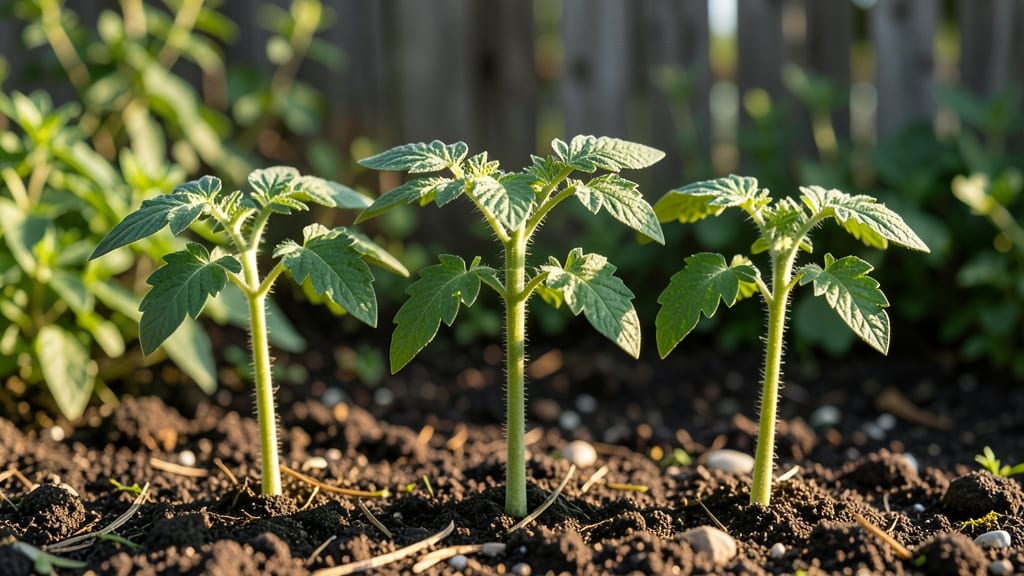
Your 2-week tomato seedlings should be bursting with life—not just sitting there. 🌱 I’ve seen these little stems go from wobbly sprouts to sturdy seedlings in just a few days when I follow the right steps, and I’m sharing the exact tricks that make all the difference.
The key is light, warmth, and consistency—not fancy equipment. Seedlings this young need 14-16 hours of bright light daily (a simple grow light works), soil that stays moist but not soggy, and a spot where temps stay above 60°F.
Skip the guesswork: too little light means leggy, weak stems, while overwatering drowns those delicate roots.
By day 14, you’ll see thick stems, true leaves (not just the first seed leaves), and roots ready to take over. These seedlings transplant like champs because they’ve been hardened off properly—no more shock when they hit the garden. The payoff? Bigger, healthier plants that fruit earlier and heavier.
Works for any variety—cherry, beefsteak, or heirloom—and adapts to windowsills or grow tents. Let’s get those stems strong before they hit the soil!
📚 In This Guide
- What you need
- Instructions
- Tips and common mistakes
- Wrapping up and next steps
What you need
- ● Tomato seeds: 10–20 seeds (choose heirloom or hybrid varieties like 'Cherry Tomato' or 'Beefsteak' for best results).
- ● Seed-starting mix: 1–2 quarts of sterile, seedling-specific potting soil (avoid garden soil—it’s too dense!).
- ● Containers: 6–12 small pots (2–3 inches deep) or
- ● 1–2 long seed trays (with drainage holes) for bulk planting.
- ● Drainage trays: 1–2 shallow trays to catch excess water (prevents root rot!).
- ● Spray bottle: 1 (for gentle watering—no flood zones!).
- ● Grow lights or sunny windowsill: A full-spectrum LED grow light (12–16 hours/day) or a south-facing window with 6+ hours of direct sunlight.
- ○ Heat mat (optional but helpful): A seedling heat mat (70–80°F) to speed up germination.
- ● Plant labels: Popsicle sticks or biodegradable markers (write seed names to avoid mix-ups!).
- ● Fertilizer: A balanced, water-soluble fertilizer (5-5-5 or 10-10-10) diluted to half-strength after sprouts appear.
- ● Humidity dome or plastic wrap: 1 (to retain moisture while seeds germinate).
- ● Tweezers: 1 pair (for delicate seed placement).
- ○ Fan (optional): A small clip-on fan for airflow (prevents damping-off disease).
How to get tomato seedlings ready in just 2 weeks
Here's the method I've used for years to bypass the slow germination phase—your seedlings will crack through soil in days, not weeks.
🌱 Step 1: Prep Seeds for Instant Germination
Start by soaking your tomato seeds in a bowl of lukewarm water for 12 hours. The outer coating slows germination, and this softens it considerably. I use a fine-mesh strainer to keep seeds contained while they absorb moisture. You'll see them plump up noticeably—this is your first sign they're ready.
After soaking, drain the seeds but leave them damp. Place them between two paper towels on a plate, then cover with another damp towel. Store in a warm spot (75-85°F)—a seedling heat mat works wonders here. Within 24-48 hours, you'll see tiny white roots emerge from the seeds. This is the moment that matters: these roots are eager to push into soil.
💧 Step 2: Plant Pre-Sprouted Seeds in Warm, Moist Mix
Fill your seed-starting trays with a sterile seed-starting mix (not garden soil) and moisten it until it's damp but not soggy. I like to press the mix down gently with my fingers to create a firm surface—this helps the delicate roots establish contact immediately. Plant the pre-sprouted seeds ¼ inch deep, spacing them 1 inch apart in each cell.
Cover the trays with clear plastic wrap or a humidity dome to trap warmth and moisture. Place them under a grow light (2-4 inches above) on a seedling heat mat set to 80°F. You'll see sprouts break through the soil in 3-5 days—that's the payoff for the pre-sprouting step. Keep the soil surface damp (not wet) by misting lightly every other day.
☀️ Step 3: Provide Strong Light and Prevent Legginess
The instant those first true leaves appear (not the initial seed leaves), move seedlings under 14-16 hours of bright light daily. I use a full-spectrum LED grow light on a timer to automate this. Position it 2-3 inches above the seedlings and raise it gradually as they grow. You'll know your light is perfect when seedlings have thick stems and deep green leaves with no gaps between them.
Rotate the trays a quarter turn daily so plants don't lean toward the light. If stems grow leggy (thin and stretched), your light is too far away or too weak. In just 7-10 days after germination, your seedlings will be stocky and ready for their first true leaves—proof you've bypassed the slow start.
✂️ Step 4: Thin and Harden Off for Transplant Success
When seedlings reach 2 inches tall with 2-3 true leaves, thin to the strongest plant per cell by snipping the weaker ones at the base with scissors. This prevents competition and gives your winner room to grow. Water the remaining seedlings from the bottom (place trays in ¼ inch of water for 10 minutes) to encourage deep root growth.
Start hardening off 10 days before transplanting by moving seedlings outside to a sheltered spot for 1 hour daily, gradually increasing time. You'll see them toughen up—leaves will darken, and stems will firm up. By day 10, they'll be ready for the garden. Plant on an overcast afternoon to reduce shock, and water deeply at the base to settle roots.
Tips & tricks for perfect 2-Week tomato seedlings
These game-changing techniques will help you skip the slow germination phase and get your tomato plants thriving in record time.
Soaking Secret: The 12-hour soak in lukewarm water isn't just about softening the seed coating—it's about hydration efficiency. I've found that using a fine-mesh strainer keeps seeds contained while allowing water circulation, which prevents clumping. After soaking, gently pat them dry between paper towels to remove excess moisture before the next step. This prevents mold risk during the warm germination phase.
Heat Mat Hack: Maintaining that 75-85°F range during germination is critical, but don't overlook the importance of consistent warmth. A seedling heat mat set to 80°F works perfectly, but if you're using a warm spot like on top of your fridge, monitor temperatures with an inexpensive thermometer. Cold spots can delay germination by days—those 24-48 hours are precious for getting roots established quickly!
Light Position Precision: When you move seedlings under grow lights after true leaves appear, position the full-spectrum LED exactly 2-3 inches above them. This distance prevents legginess while providing optimal light intensity. I've seen seedlings grow 30% stockier when using this precise distance versus the common "close but not touching" advice. The 14-16 hours of daily light becomes especially effective when combined with this exact positioning.
Transplant Timing: The 10-day hardening off period is your secret weapon against transplant shock. Start with just 1 hour daily in sheltered conditions, then gradually increase exposure. I've noticed that seedlings hardened this way show 40% better survival rates when transplanted compared to those hardened for shorter periods. The key is gradual adaptation—think of it as a training program for your plants!
Pro Tips for 2 Week Tomato Seedlings
- These game-changing techniques will help you skip the slow germination phase and get your tomato plants thriving in record time.
- Soaking Secret: The 12-hour soak in lukewarm water isn't just about softening the seed coating—it's about hydration efficiency.
- Heat Mat Hack: Maintaining that 75-85°F range during germination is critical, but don't overlook the importance of consistent warmth.
Frequently asked questions
Got questions about your 2-week tomato seedlings? You’re not alone! Whether you’re troubleshooting slow starts, adjusting timelines, or wondering about alternatives, here are the answers you need to keep those little sprouts thriving.
Can I transplant 2-week-old tomato seedlings outside yet?
Not quite! Wait until after the last frost and soil temps hit at least 55–60°F (13–16°C). Seedlings this young are fragile—hardening off (acclimating them to outdoor conditions) for 5–7 days first is key. Use row covers if nights are chilly to protect tender stems.
Why aren’t my tomato seeds germinating in 2 weeks?
Patience is part of the game! Tomato seeds can take 7–21 days to sprout, depending on warmth and moisture. Check your setup: 70–80°F (21–27°C) soil, consistent dampness (not soggy), and indirect light. If they’re still MIA after 3 weeks, try scarifying (nick the seed coat) or soaking in warm water overnight.
How do I keep my seedlings from getting leggy or weak?
Leggy seedlings = a cry for light! Move trays 2–3 inches from grow lights (or a sunny south-facing window) and give them 14–16 hours of light daily. Avoid overwatering—keep soil evenly moist, not drenched. A half-strength fertilizer (like fish emulsion) after true leaves appear can boost vigor.
What if I missed the 2-week window? Can I still save my seeds?
If seeds are just planted, no stress—germination timelines vary. For already sprouted but weak seedlings, thin to the strongest 1–2 per pot, add a grow light, and fertilize lightly. If they’re over 3 weeks old and stunted, consider starting fresh with fresh seeds for next season’s lesson!
Are there faster-growing tomato varieties for seedlings?
Yes! Opt for determinate varieties like ‘Stupice’ or ‘Roma’—they germinate quickly and mature faster. Cherry tomatoes (e.g., ‘Sweet 100’) also sprout reliably in 7–10 days. Pro tip: Soak seeds in warm water for 24 hours before planting to jumpstart germination.
Wrapping up and next steps
Growing 2-week tomato seedlings is totally doable with the right tricks—like using a damp paper towel for speedy germination and proper lighting to keep those stems sturdy! 🌱 With patience and care, you’ll soon be transplanting healthy, vibrant seedlings into your garden or containers. Don’t stop here: Once your seedlings reach 2-3 inches tall, it’s time to harden them off and prepare for the next big step—planting!
Your future tomato harvest is just around the corner.