
Vegetables
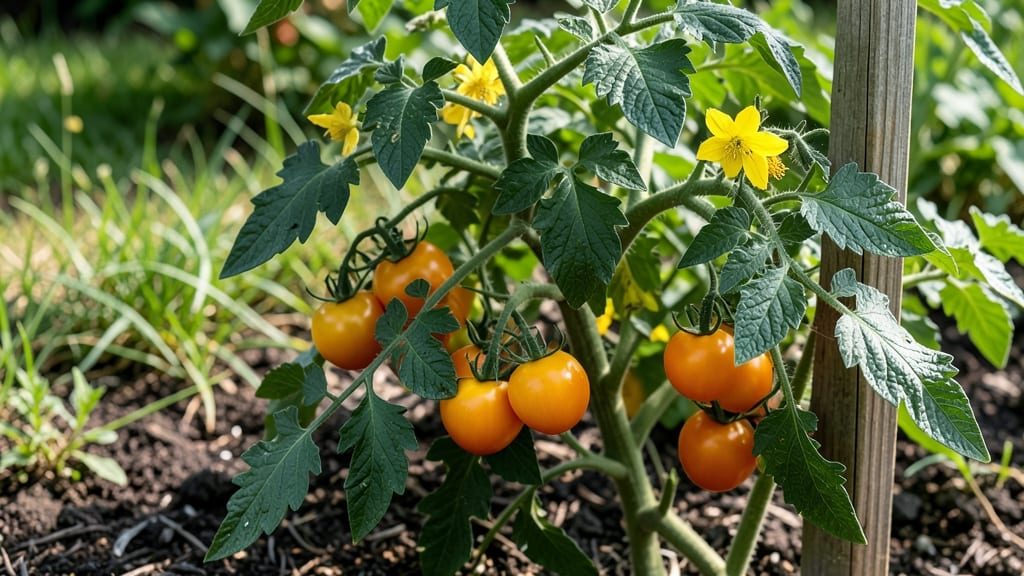
The Amana Orange heirloom tomato delivers sunburst-orange fruits with golden stripes—like nature’s own sunset in your garden. 🌅 I grew mine last summer, and the flavor was so rich and complex it made store-bought tomatoes taste bland.
This variety thrives in warm climates but rewards patient gardeners with a 80-day harvest window, producing fruit until first frost if cared for properly.
Start with well-draining soil rich in organic matter and full sun (6-8 hours daily). Unlike many tomatoes, Amana Oranges tolerate heat better than most varieties, but they need consistent moisture—about 1-1.5 inches per week.
The key is mulching to retain moisture and keep roots cool, which prevents cracking in those stunning striped fruits.
Pruning isn’t just about shaping—it’s about directing energy. Remove suckers early to focus growth on the main stem, and stake or cage plants to support their heavy vines.
When harvesting, pick fruits at their peak color (deep orange with golden stripes) for the best flavor, and leave some on the vine to ripen fully—they’ll sweeten like candy.
Watch for common tomato pests like hornworms and early blight, but this variety holds up better than most. The real magic happens when you slice into one—juicy, meaty, and bursting with a balance of sweet and tangy notes that’ll have your neighbors asking for seeds.
Start yours today, and you’ll be rewarded with a tomato experience unlike any other.
📚 In This Guide
- What you need
- Instructions
- Tips and common mistakes
- Wrapping up and next steps
What you need
- ● Seeds: 1 packet of Amana Orange Heirloom Tomato seeds (non-GMO, heirloom variety).
- ● Growing Containers or Garden Bed: Containers: 5-gallon pots (minimum) or larger (10+ gallons for better growth). Ensure they have drainage holes.
- ● Garden Bed: Well-draining soil in a sunny spot (6+ hours of sunlight daily).
- ● Potting Soil: High-quality, organic potting mix (10-15 lbs, depending on container size). Add compost for extra nutrients.
- ● Fertilizer: Balanced organic fertilizer (e.g., 5-5-5 or 10-10-10 NPK ratio).
- ○ Tomato-specific fertilizer (optional but recommended for flowering/fruiting stages).
- ● Support System: Cages (5-6 ft tall) or stakes (6+ ft long) to support vines.
- ● Tie-downs (soft plant ties or twine).
- ● Watering Supplies: Watering can or hose with a gentle spray nozzle.
- ○ Drip irrigation kit (optional but ideal for consistent moisture).
- ● Pruning Tools: Sharp pruning shears or scissors (sterilized with rubbing alcohol).
- ● Mulch: Organic mulch (straw or shredded leaves) to retain moisture and suppress weeds.
- ● Seedling Heat Mat: Speeds up germination if starting indoors.
- ● Grow Lights: For indoor seed starting (12-16 hours of light daily).
- ● Epsom Salt: Boosts magnesium for healthier foliage (1 tbsp per plant every 2-3 weeks).
- ● Companion Plants: Basil, marigolds, or onions to deter pests.
- ● Shade Cloth: Protects seedlings from intense afternoon sun.
Step-by-step instructions for growing Amana Orange heirloom tomatoes
Here's how I grow these stunning striped beauties—from seed to sun-ripened harvest in just 80 days.
🌱 Step 1: Start Seeds Indoors 8-10 Weeks Before Last Frost
Fill small seedling trays with sterile seed-starting mix and press it down lightly so the surface is firm but not compacted. Amana Orange seeds are large, so plant just ¼ inch deep—any deeper and they'll struggle to break through. I like to use a toothpick to make a small hole, drop in one seed, then cover with a tiny pinch of soil.
Water gently with a spray bottle until the soil feels evenly moist but not soggy. Place the tray in a warm spot—75-80°F is ideal—and cover with a humidity dome or plastic wrap. Germination takes 7-14 days, so be patient. You'll know it's working when you see the first tiny green sprouts poking through the soil.
☀️ Step 2: Provide Bright Light and Prevent Leggy Growth
The moment those first leaves appear, move your seedlings under grow lights or to the brightest window you have. Amana Oranges need 14-16 hours of light daily to grow strong and compact. Without enough light, they'll stretch toward the sun with weak, pale stems—this is called "legginess," and it's hard to recover from.
Keep the lights 2-3 inches above the seedlings at first, then raise them as the plants grow. You'll know you're doing it right when the seedlings have deep green leaves and short, sturdy stems. Water from the bottom when possible to encourage strong roots—just place the tray in an inch of water for 10-15 minutes every few days.
🪴 Step 3: Transplant Seedlings After Hardening Off
Two weeks before your last frost date, start hardening off your seedlings by placing them outside in a sheltered spot for 1-2 hours the first day. Gradually increase their outdoor time over 7-10 days, eventually leaving them out all day. This helps them adjust to wind, sun, and temperature changes without shock.
When transplanting, choose a spot with full sun (6-8 hours daily) and well-draining soil. Amana Oranges thrive in rich, slightly acidic soil with plenty of organic matter. Dig a hole just as deep as the seedling's root ball and space plants 24-36 inches apart—they need room to spread. Water deeply right after planting to help the roots settle in.
✂️ Step 4: Support, Prune, and Maintain for Maximum Yield
Set up a sturdy cage or stake for each plant right away—these tomatoes get heavy with fruit! Prune suckers (the small shoots that grow in the joint between the stem and a branch) regularly to encourage stronger growth and better airflow. I like to remove suckers when they're about 2 inches long—this keeps the plant focused on producing fruit instead of extra foliage.
Water deeply 1-2 times per week, giving 1-2 inches of water each time. Amana Oranges are drought-sensitive, so let the top inch of soil dry out between waterings. Mulch around the base with 2-3 inches of organic mulch to retain moisture and keep roots cool. You'll know you're doing it right when the plants are consistently producing new leaves and flowers.
🍅 Step 5: Harvest at Peak Ripeness for Best Flavor
These striped beauties are ready to harvest when they're fully colored and slightly soft to the touch. Amana Oranges ripen from the inside out, so if you see a few stripes appear, give the tomato a few more days to ripen fully on the vine. The flavor improves dramatically once they're fully ripe—waiting is worth it!
Harvest by gently twisting the tomato until it separates from the vine. Avoid pulling or cutting the stem, as this can damage the plant. Store unripe tomatoes in a cool, dark place until they ripen, and enjoy them at their peak. With proper care, you can expect a harvest of 80 days after planting—just as promised!
Tips & tricks for perfect Amana Orange heirloom tomatoes
Here's what nobody tells you about growing these stunning striped beauties—little secrets that'll make all the difference between a decent harvest and a showstopper.
Germination Secrets: Don't be tempted to plant seeds deeper than the ¼ inch specified—these large seeds need just enough light to sprout, and anything deeper will cause them to rot before they even germinate. I've seen people plant them ½ inch deep thinking "more soil means more support," but that's a rookie mistake. The key is patience: those first sprouts might take 7-14 days, but they're worth waiting for. Once you see the first green peek, move them to light immediately—no waiting!
Lighting Strategy: The 14-16 hours of daily light is non-negotiable for preventing leggy seedlings. I use a simple LED grow light on a timer to automate this—set it to turn on at 6am and off at 10pm, and you're golden. If you're using windows, rotate your trays daily so all sides get equal light exposure. Watch for those deep green leaves and sturdy stems as your signal that you're doing it right. The moment you see pale, stretched seedlings, you've lost the battle against legginess.
Transplanting Pro Tip: When hardening off, start with just 1-2 hours outside that first day—this gradual approach prevents shock. I like to place seedlings in a sheltered spot like under a patio cover where they get dappled sunlight. The goal is to let them adjust to wind and temperature swings without going into full sun shock. After 7-10 days of this gradual process, your seedlings will be tough enough to handle full outdoor conditions. Pro move: Water them thoroughly the night before transplanting so they're hydrated for the big move.
Harvesting Insight: Those stripes develop from the inside out, so don't rush to pick them when you see the first color change. I've learned the hard way that waiting for full ripeness makes all the difference in flavor. The 80-day harvest promise assumes you're letting them fully ripen on the vine—don't cut corners! When harvesting, use a gentle twisting motion to avoid damaging the plant's stem. For unripe tomatoes, store them in a paper bag with a banana or apple in a cool, dark place—the ethylene gas will help them ripen faster.
Pro Tips for Amana Orange Heirloom Tomato
- Here's what nobody tells you about growing these stunning striped beauties—little secrets that'll make all the differ...
- Germination Secrets: Don't be tempted to plant seeds deeper than the ¼ inch specified—these large seeds need just eno...
- Lighting Strategy: The 14-16 hours of daily light is non-negotiable for preventing leggy seedlings. I use a simple LE...
Frequently asked questions
Got questions about growing or enjoying the Amana Orange heirloom tomato? You’re not alone—this stunning striped beauty has gardeners buzzing! Here are answers to the most common queries, from planting tips to troubleshooting tricks.
How long does it take for Amana Orange tomatoes to mature?
The Amana Orange is a determinate variety with an 80-day harvest window from transplanting. Count days from your last frost date, and expect ripe tomatoes 60–70 days after flowering. Plant early in warm climates or use row covers to extend the season!
Why are my Amana Orange tomatoes cracking?
Cracking often happens due to inconsistent watering or rapid growth after dry spells. Keep soil evenly moist (not soggy!) and mulch to stabilize moisture. If cracks appear, harvest promptly—the flavor stays great, even if the skin splits!
Can I grow Amana Orange tomatoes in containers?
These compact plants thrive in 5-gallon containers or larger with well-draining soil and support stakes. Ensure pots get 6+ hours of sun daily and fertilize weekly with tomato-specific feed. Just avoid overcrowding—space plants 18–24 inches apart.
What’s the best way to store Amana Orange tomatoes?
Store unripe tomatoes at room temperature (like bananas!) for 1–2 weeks. Once ripe, refrigerate for up to 1 week (though flavor peaks at room temp). For long-term storage, freeze whole or sauce—just thaw slowly to avoid mushiness!
Are there similar heirloom tomatoes for shorter growing seasons?
If 80 days feels long, try these early-maturing alternatives:
- Sungold (45 days, sweet cherry)
- Stupice (60 days, striped like Amana but smaller)
- Patio Princess (50 days, compact bush)
Wrapping up and next steps
The Amana Orange heirloom tomato isn’t just a feast for the eyes—it’s a flavor-packed, sun-kissed gem that rewards patience with a burst of sweetness and versatility.
Whether you’re a seasoned gardener or a curious beginner, growing these striped beauties connects you to the joy of harvests and the magic of heirloom varieties. 🌱✨
Ready to turn your garden—or even a sunny windowsill—into a tomato paradise? Grab your seeds, roll up your sleeves, and plant that first seed today! Start small, experiment with recipes, and share your sunburst harvest with friends. The best adventures begin with a single sprout.