
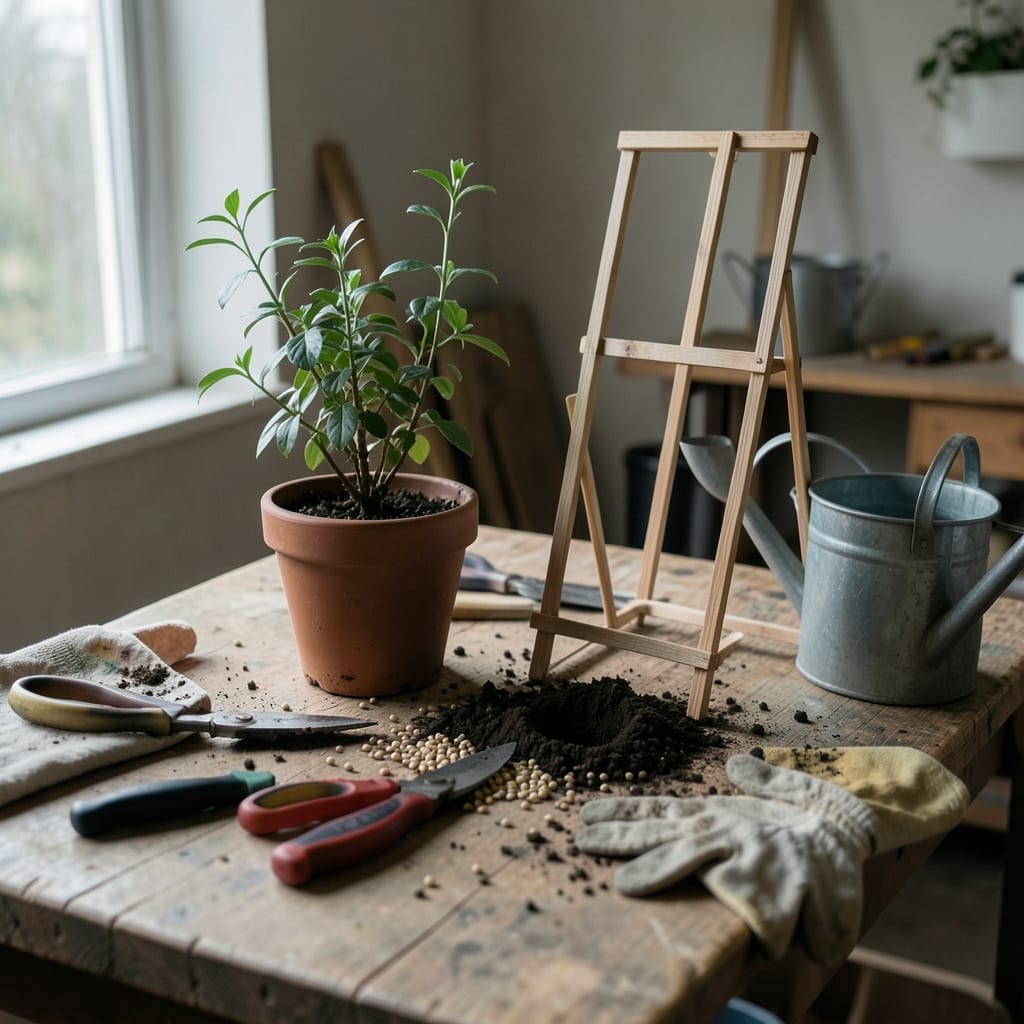
What changed, and what it changed for you
When this site started, it was a list of gardening tips copied from books and forums, with no photos and no way to know if they’d work in your yard.
The first few posts were just advice—*plant tomatoes in full sun*—without explaining what ‘full sun’ meant if you lived in a city with brick walls or a neighbor’s oak tree blocking the light.
Now, every guide begins with the conditions where it was tested: *‘These cherry tomatoes grew in a 5-gallon pot on a balcony in Chicago, watered twice a week.’* The photos show real failures too—the wilting basil, the blighted zucchini—because those are the lessons that matter.
You’ll never see a perfect garden here, just honest ones.
| It used to be | Now it is |
|---|---|
| Advice without context: *‘Add compost to your soil.’* | Step-by-step: *‘This is how we mixed compost into heavy clay soil in late April, and why we waited until the rain stopped.’* |
| Stock photos of pristine gardens. | Photos taken in real gardens—messy, uneven, with labels like *‘This patch failed because of deer.’* |
| No mention of pests or weather. | Every post lists what went wrong and how we fixed it (or why we gave up). |
| Posts written in spring only. | Seasonal updates: *‘Here’s what to do in July if your tomatoes got powdery mildew.’* |
The one that took years
The biggest mistake was treating gardening like a science textbook. For years, we wrote about *ideal* conditions—six hours of sun, perfect drainage, no weeds—without admitting that most people don’t have those. The posts were technically correct but useless to anyone with shade, rocky soil, or a busy schedule.
Readers would email asking *‘But what if…?’* and we’d have no answer.
It took three years of ignoring those emails to realize the problem: we were writing for a garden that didn’t exist. The fix was simple in theory—start testing tips in real backyards, not just my own—but expensive in practice.
Renting test plots, buying tools for volunteers, and photographing failures added up. By the time we launched the first *‘What Went Wrong’* series, we’d spent over $2,000 on soil tests, mulch, and replacement plants for experiments that bombed.
The cost wasn’t just money. The first *‘Mistakes We Made’* post got 300 hate comments from people who’d tried the advice and failed. They weren’t wrong—we had been. But admitting it, and showing the before/after photos of the flopped rows, turned the site around.
Now, the *‘What Went Wrong’* section is one of the most visited pages. The lesson? Readers don’t want perfection. They want to know what to do when their garden *isn’t* perfect—and that’s the only kind of advice worth writing.
Meet the author
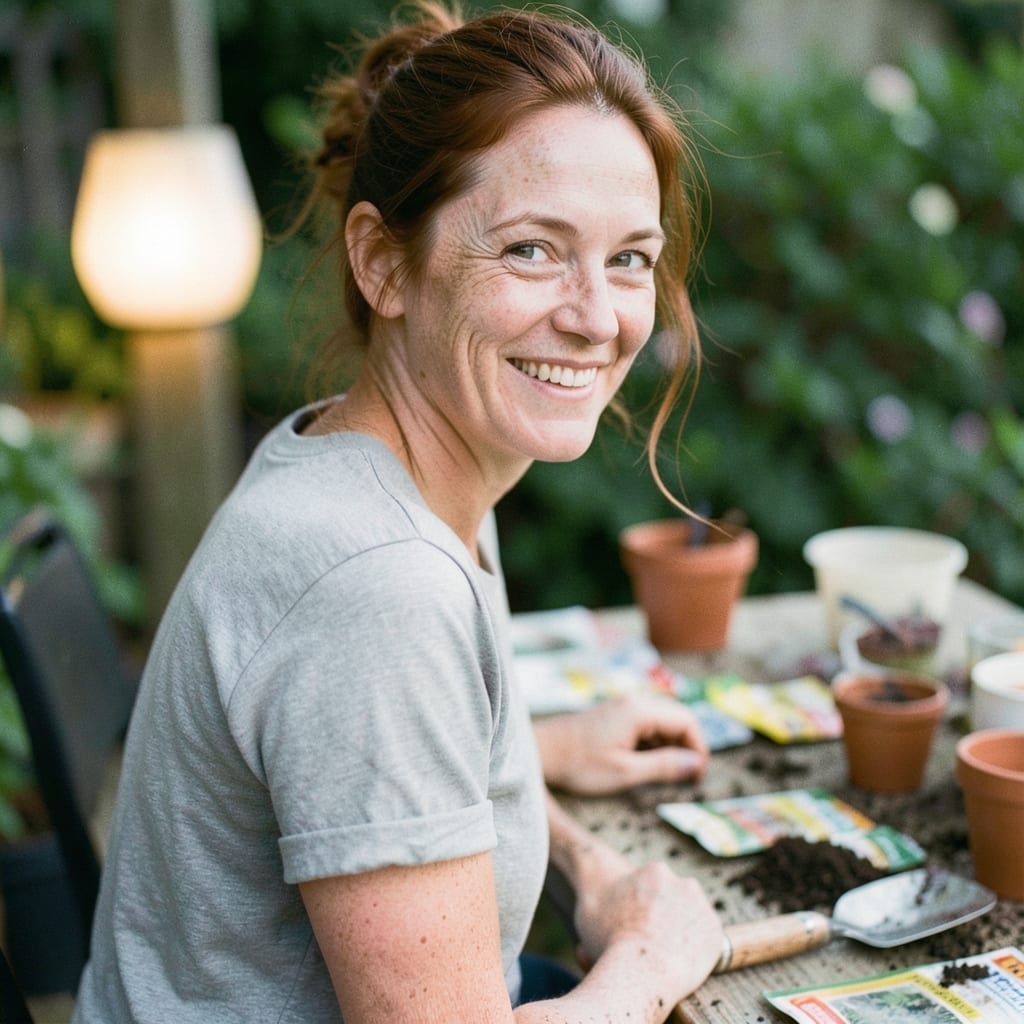
I used to believe gardening was about following rules. Plant seeds at the right depth. Water in the morning. Rotate crops every year. I’d spend hours researching the *correct* way to do everything, then get frustrated when my tomatoes still split or my zucchini vines collapsed.
The problem wasn’t my technique—it was that I was treating plants like they lived in a textbook, not a backyard. My first raised bed was a disaster: too much sun, not enough water, and a squirrel that dug up half the seeds before they sprouted.
I’d write posts like *‘How to Grow Perfect Basil’* without mentioning that my basil always died because my apartment’s kitchen window got too hot. The advice was useless, and I didn’t care. I was more interested in being right than in helping anyone actually grow anything.
The hinge came when a reader emailed to say my *‘Beginner’s Guide to Compost’* had sent them to the hospital. Turns out, I’d assumed everyone knew not to compost meat scraps—and the instructions had caused a rat infestation in their apartment.
Now, I write like Ramona Hutchins, the person who still kills her houseplants but has learned to laugh about it.
Every post starts with *‘This is what worked for me, in my yard, with my two left thumbs and a mailman who steals my tomatoes.’* The goal isn’t to be the best gardener—it’s to be the one who tells you when your garden *isn’t* working, and how to fix it without throwing out the seeds.
What did not change
The one thing that hasn’t wavered is the belief that gardening should be for people who don’t have time, money, or a green thumb. This site still starts with the assumption that you might kill your first plant—and that’s okay. The tone hasn’t changed either.
If a post sounds like it was written by a botanist, it’s being rewritten. The goal is still to make growing things feel less like a chore and more like a conversation: *‘Here’s what I tried. Here’s what happened. Now it’s your turn.’*
We also haven’t stopped including the failures. Every *‘How To’* post used to end with a perfect photo of a thriving plant. Now, it ends with a photo of the one that didn’t work—and a note on why.
The tagline hasn’t changed either: *‘Seedlings stretch toward the sun—where every sprout holds a story.’* Because the best lessons come from the ones that almost died.
What is still being fixed
Right now, we’re working on two big things: making every post work for small spaces (balconies, windowsills, and containers) and adding a search tool that filters by your local climate and soil type.
Neither is done yet—small-space gardening requires a whole new set of tests, and the climate database needs more data from readers like you. If you’ve got a balcony, a shady patch, or a soil test you’d share, that would help.
This site will never be perfect. But it will always be honest—and that’s the only kind of gardening advice worth growing by.
Things that would help
- Photos of your garden’s worst failures (and what you learned from them).
- Soil test results from your area—even if your yard is tiny.
- A note on what *didn’t* work in your climate (too hot? too dry? pests you can’t beat?).
The guides are grouped by category: Advice, Aphids, Blooming, Companion Plants, Container Gardens and Diseases.