
Vegetables
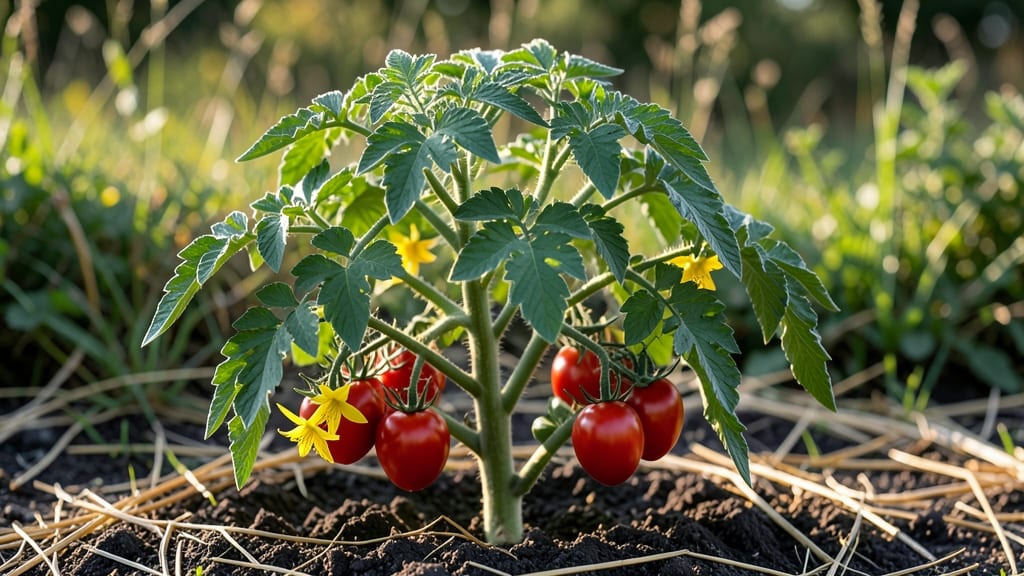
Growing Aunt Ruby tomatoes is like having a striped, cold-hardy heirloom that thrives where others fail. 🌱 These tomatoes handle cooler nights better than most varieties, making them perfect for early spring or late fall harvests—even in containers on patios or balconies.
Their sweet, tangy flavor and striking red-and-purple stripes make them a showstopper in any garden. You’ll need a 5-gallon container (or larger) with well-draining soil, a sunny spot getting 6-8 hours of light daily, and consistent moisture—never soggy soil.
Plant seeds indoors 6-8 weeks before last frost or buy sturdy transplants, then space them 18-24 inches apart to encourage airflow. Prune suckers regularly to focus energy on fruit production, and watch for early blight by keeping leaves dry.
By midsummer, you’ll be harvesting 1-inch cherry tomatoes that burst with flavor, often producing until frost. The plants stay compact, making them ideal for small spaces, and their disease resistance means fewer chemical interventions. Even my black thumb keeps these alive year after year.
If you’re in a short growing season or limited space, Aunt Ruby delivers reliable harvests without the fuss. Start now—your first taste will change how you think about container tomatoes forever.
📚 In This Guide
- What you need
- Instructions
- Tips and common mistakes
- Wrapping up and next steps
What you need
- ● Seeds or seedlings: 1–2 Aunt Ruby tomato plants (start from seeds 6–8 weeks before the last frost or buy healthy seedlings).
- ● Containers: 1–2 5-gallon pots (minimum) with drainage holes. Pro tip: 💡 Use fabric grow bags for better aeration!
- ● Potting mix: 1 bag high-quality, well-draining potting soil (avoid garden soil—it compacts!).
- ● Fertilizer: 1 balanced, slow-release fertilizer (10-10-10 or similar) or
- ● 1 liquid tomato fertilizer (like fish emulsion or compost tea).
- ● Support: 1 tomato cage (5–6 ft tall) or bamboo stakes (3–4 ft long).
- ● Gloves & trowel (for planting and pruning).
- ● Watering can or hose with a gentle spray nozzle.
- ● Mulch: Straw or shredded leaves (to retain moisture and regulate soil temp).
- ○ Optional but helpful: 1 moisture meter (to avoid over/under-watering).
- ● 1 row cover or frost cloth (for early/late-season protection).
- ● 1 pruning shears (for shaping plants).
- ● A sunny spot (6+ hours of direct sunlight daily).
- ● Access to water (tomatoes need consistent moisture!).
- ● Patience! Aunt Ruby tomatoes thrive in cool weather (down to 32°F!) but need time to mature (70–80 days).
How to grow Aunt Ruby tomatoes in containers
Here's my battle-tested method for coaxing these striped beauties to thrive in pots—even when temps dip below 50°F.
🌱 Step 1: Select the Right Container and Soil Mix
Choose a 5-gallon container with drainage holes—these tomatoes need room to develop their vigorous root systems. I use black plastic pots because they absorb heat during the day and release it slowly at night, which helps protect against early-season chills. Fill the bottom 2 inches with garden-grade gravel to improve drainage and prevent waterlogging.
For the soil, blend 50% premium potting mix with 30% compost and 20% perlite. This creates a loose, airy medium that prevents compaction while retaining enough moisture for consistent growth. Aunt Ruby tomatoes particularly appreciate this mix because their roots need both aeration and organic matter to support their cold-hardy vigor.
🌱 Step 2: Plant at the Correct Depth and Stagger Transplanting
Dig a hole deep enough to bury two-thirds of the root ball below soil level. This encourages the plant to develop additional roots along the buried stem, creating a stronger anchor for container growth. Gently loosen the roots if they appear circling or compacted—this prevents root-bound stress.
Here's the thing—I always plant two seeds per pot but stagger my transplanting by a week. This ensures I have a backup if one seed fails to germinate, while still maintaining the one plant per container rule. Once both seedlings emerge, remove the weaker one at soil level, leaving the stronger stem to develop.
☀️ Step 3: Position for Maximum Sun and Cold Protection
Place your container in a spot that gets full sun (6-8 hours daily) but with afternoon shade during peak summer heat. Aunt Ruby tomatoes tolerate cooler temperatures better than most varieties, but they still need at least 50°F daytime temps to thrive. I position mine against a south-facing wall where they benefit from reflected heat while staying protected from harsh afternoon winds.
During early spring or late fall, move containers closer to the house or under a floating row cover when nighttime temperatures drop below 45°F. These plants will keep producing fruit well into cooler weather, but they need protection from sudden cold snaps. Watch for purple tinges on leaves—this is your signal to provide temporary shade or warmth immediately.
💧 Step 4: Water Deeply and Maintain Consistent Moisture
Water deeply every 2-3 days until water runs freely from the drainage holes. Aunt Ruby tomatoes are drought-tolerant once established, but they need consistent moisture during fruiting to develop their signature sweet flavor. I water in the early morning to allow foliage to dry before evening, which prevents fungal diseases like early blight.
Use a moisture meter to check soil depth—aim for 60-70% moisture at 2 inches down. The key is avoiding both drought stress and soggy soil. You'll know you've got it right when the top inch of soil feels dry to the touch, but the lower layers stay damp. Mulch with 2 inches of straw to retain moisture and regulate soil temperature.
✂️ Step 5: Prune for Airflow and Support Fruit Development
Remove suckers (the small shoots that form in the leaf axils) regularly to direct the plant's energy into fruit production rather than excessive foliage. I prune suckers when they're no larger than 2 inches—this prevents them from competing with the main stem. Leave 2-3 main stems for optimal airflow and sunlight penetration.
Install a small tomato cage or bamboo stake at planting time to support the plant as it grows. The Aunt Ruby variety tends to be determinate (bush-type), so it won't grow as tall as indeterminate varieties, but it still benefits from support to prevent fruit rot. Harvest when tomatoes turn fully red with striped patterns—this ensures peak flavor and prevents overripe fruit from splitting.
Tips & tricks for perfect Aunt Ruby tomato growth
These battle-tested strategies will help you coax the most vibrant, productive Aunt Ruby tomatoes from your containers—especially when temperatures flirt with the chilly side.
Container Selection Matters: While 5-gallon containers are ideal, don't overlook the benefits of fabric grow bags for even better drainage. These breathable containers prevent root circling while maintaining excellent aeration—critical for Aunt Ruby's vigorous root development. If using fabric, add an extra inch of gravel at the bottom since they don't have drainage holes. Also, consider self-watering containers if you travel frequently; the built-in reservoir maintains that crucial 60-70% moisture at 2 inches down without you having to monitor constantly.
Soil Temperature Secret: Aunt Ruby tomatoes are cold-hardy but still need soil temperatures above 50°F to establish properly. On cool mornings, place your container on a black plastic tray filled with warm water for 30 minutes before planting. The dark surface absorbs heat and transfers it to the roots, giving seedlings a better start. This is particularly helpful if you're planting in early spring when soil temperatures often lag behind air temperatures. For extra insurance, cover the soil with black plastic mulch for the first week to accelerate warming.
Sunlight Strategy: The 6-8 hours of full sun requirement is non-negotiable, but how you position your container makes all the difference. Place your 5-gallon container on a rolling plant stand so you can rotate it every few days—this ensures even sun exposure all around the plant. Aunt Ruby tomatoes develop a slightly lopsided growth pattern if one side gets consistently more light, and rotating prevents this. During peak summer when temperatures climb above 85°F, provide afternoon shade using a lightweight shade cloth (30% shade density) to prevent heat stress while still allowing plenty of light penetration.
Harvesting Hack: Those signature striped patterns develop fully when tomatoes reach 75-80°F internal temperature—use a fruit thermometer to check ripeness if you're unsure. Harvest in the morning when sugars are at their peak, and always twist gently rather than cutting with shears. If you notice tomatoes developing cracks or splitting, this is your plant's way of telling you it needs more consistent moisture. From that point forward, water every 1-2 days (instead of every 2-3) until the fruit is fully mature, then return to your regular schedule.
Pro Tips for Aunt Ruby Tomato
- These battle-tested strategies will help you coax the most vibrant, productive Aunt Ruby tomatoes from your containers—especially when temperatures flirt with the chilly side.
- Container Selection Matters: While 5-gallon containers are ideal, don't overlook the benefits of fabric grow bags for even better drainage.
- Soil Temperature Secret: Aunt Ruby tomatoes are cold-hardy but still need soil temperatures above 50°F to establish properly.
Frequently asked questions
Got questions about growing Aunt Ruby tomatoes?
You’re not alone—this stunning striped heirloom has a few quirks! Here are answers to the most common queries to help you cultivate success with these cold-hardy beauties.
What’s the best way to grow Aunt Ruby tomatoes in containers?
Aunt Ruby thrives in containers with 5+ gallons of space and well-draining soil. Use a balanced fertilizer (like 10-10-10) at planting and again when flowers appear. Place pots in full sun (6+ hours/day) and elevate them for warmth. Pro tip: Add mulch to retain moisture and prevent soil temperature swings!
Can Aunt Ruby tomatoes survive light frosts?
Yes! This variety is cold-tolerant and can handle brief dips to 28°F (-2°C). However, avoid planting until soil temps reach 55°F (13°C)—they’re sensitive to chilly starts. If frost threatens after planting, cover young plants with frost cloth or a black plastic mulch for extra protection.
How do I know when Aunt Ruby tomatoes are ripe?
Look for deep red stripes (not just red flesh) and a slightly soft, fragrant aroma near the stem. They’ll plump up and may crack slightly when fully ripe—this is normal! Harvest before they turn fully red to prevent splitting. Fun fact: Their flavor peaks when 80% striped!
What can I do if my Aunt Ruby plants stop producing fruit?
Common culprits include overwatering (root rot), nutrient deficiencies (yellow leaves = nitrogen; purple stems = phosphorus), or temperature stress (below 55°F or above 90°F). Try pruning suckers to redirect energy, fertilizing with compost tea, and ensuring consistent moisture. If blooms drop, it may be pollination issues—give plants a gentle shake near flowers!
Are there alternatives to Aunt Ruby for cold climates?
If Aunt Ruby’s 60–70 day maturity is too long for your short season, try these cold-hardy picks:
- ‘Stupice’: Green-stripe heirloom, 70 days, handles light frost.
- ‘Mountain Merit’: Disease-resistant, 65 days, indeterminate (keeps producing!).
- ‘Tumbling Tom’: Cherry tomato, 60 days, perfect for hanging baskets.
Wrapping up and next steps
The Aunt Ruby tomato isn’t just a pretty face—it’s a powerhouse for small-space gardeners and cold-hardy dreamers! 🌱 With its striking stripes, disease resistance, and container-friendly size, it’s the perfect choice for adding flavor and flair to your harvest.
Whether you’re a first-time grower or a seasoned pro, this tomato proves that growing your own food can be both rewarding and stylish.
Ready to dive in? Grab those seeds, pick your pot, and let your Aunt Ruby adventure begin—your taste buds (and Instagram feed) will thank you! 🍅✨