
Vegetables
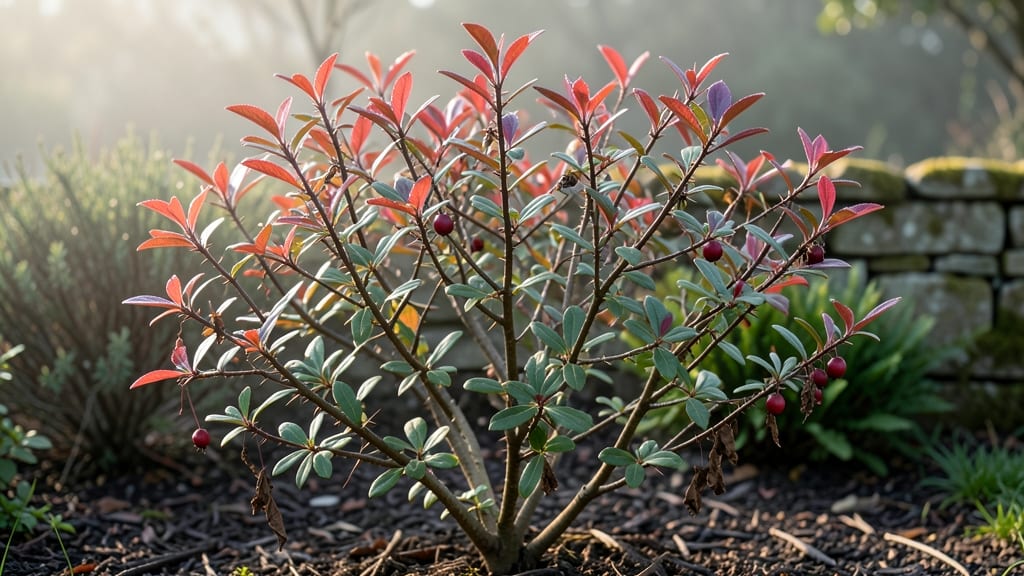
Your barberry shrubs stay stunning even when snow blankets the ground. 🌿 I’ve watched mine hold their deep red berries and glossy leaves through 20-degree nights, proving winter isn’t their season of surrender. The key? Understanding how their natural frost resistance works—and how to support it without overdoing it.
Barberries thrive in winter because their thick stems and dense foliage trap heat, while their roots dive deep for moisture. Still, a little extra care—like mulching and strategic pruning—makes all the difference.
I’ve learned that late-winter pruning (after the worst cold passes) keeps them bushy and healthy, while avoiding heavy cuts now prevents winter dieback.
By spring, you’ll see vibrant new growth where last year’s branches stood strong. The berries, if left on the plant, provide winter food for birds, and the foliage stays evergreen in milder climates.
Even in harsh winters, barberries reward patience with resilient structure and that signature color that brightens gray days.
Whether you’re in Zone 4 or 8, the same principles apply: protect young plants, avoid wet mulch, and prune when new buds swell. Your barberry will thank you with years of low-maintenance beauty—and maybe even a few surprises, like unexpected berries on a warm winter day.
📚 In This Guide
- What you need
- Instructions
- Tips and common mistakes
- Wrapping up and next steps
What you need
- ● Barberry plants: Choose frost-hardy varieties like Berberis thunbergii or Berberis julianae (1-3 plants, depending on desired coverage). Nursery-grown, bare-root, or potted options work!
- ● Garden soil: Well-draining, slightly acidic to neutral (pH 6.0-7.5). Amend with compost (5-10 lbs per planting hole) if your soil is heavy or clay-based.
- ● Mulch: Pine straw or wood chips (2-3 inches) to protect roots from freezing temps and retain moisture.
- ● Fertilizer: Balanced slow-release (10-10-10 or 5-10-10) or organic options like bone meal (½ cup per plant) for nutrient boost.
- ● Garden trowel or spade (for digging planting holes 12-18 inches wide/deep).
- ● Pruning shears (sharp, bypass-style for clean cuts—sterilize with rubbing alcohol to prevent disease!).
- ● Garden gloves (heavy-duty for thorny varieties like Berberis vulgaris).
- ● Watering can or hose with nozzle (drip irrigation is a game-changer for winter hydration!).
- ● Measuring tape (to space plants 3-6 feet apart, depending on mature size).
- ● Frost cloth (lightweight, for young plants in extreme cold zones below USDA 5).
- ● Decorative stones or gravel (to enhance winter garden aesthetics around the base).
- ● Bird feeder (barberry berries attract wildlife—double the winter joy!).
- ● Soil pH test kit (to tweak acidity with lime or sulfur if needed).
How to care for barberry shrubs through winter
Barberry thrives in cold climates when you follow these simple seasonal steps.
☀️ Step 1: Assess Winter Sunlight Exposure
Barberries handle frost beautifully, but their placement matters. Most varieties tolerate full sun even in winter, but younger plants or newly planted shrubs need protection from harsh winds. I always check my barberries after the first hard frost—if the stems look brittle, they’re ready for a little winter shelter.
Move potted barberries to a sheltered spot against a south-facing wall or under a patio cover. For in-ground plants, avoid pruning until late winter, as the winter sun helps the plant store energy for spring growth. You’ll notice healthy stems have a slight reddish tint even in cold weather—that’s a good sign.
❄️ Step 2: Protect New Plantings and Tender Varieties
If you planted barberries in late summer or fall, they need extra care. Wrap young shrubs in burlap or frost cloth to shield them from drying winter winds. I like to secure the fabric loosely with twine—tight wraps can trap moisture and rot stems.
For tender varieties like Berberis thunbergii 'Atropurpurea,' mound 3-4 inches of mulch around the base (but not touching the stems) to insulate roots. Check mulch levels after heavy snow—too much can suffocate the plant, while too little leaves roots exposed to freeze-thaw cycles.
✂️ Step 3: Prune After Dormancy for Spring Growth
Wait until late winter or early spring to prune—after the worst cold has passed but before new buds swell. I prune in February or March, cutting back any dead, diseased, or crossing branches. Barberries bloom on old wood, so avoid heavy pruning that removes flowering stems.
Shape the shrub by removing up to one-third of the oldest stems at the base to encourage fresh growth. You’ll see where to cut—dead branches snap easily, while healthy ones bend slightly. Sterilize pruners with rubbing alcohol between cuts to prevent spreading disease.
💧 Step 4: Monitor Watering in Dormancy
Barberries are drought-tolerant, but established plants still need occasional winter watering if the ground stays dry. Water deeply once a month during dry spells, focusing on the root zone. You’ll know it’s enough when soil 1 inch down feels moist but not soggy.
Avoid watering if the ground is frozen or snow-covered—it can damage roots. If your area gets heavy snow, gently brush it off branches to prevent breakage. Barberries handle snow well, but too much weight can bend stems permanently.
🌱 Step 5: Plan for Spring with Soil Prep
While the plant sleeps, prepare its home for spring. Loosen soil around the base with a fork to improve drainage, but avoid disturbing roots. I add a 1-inch layer of compost in early spring—barberries love slightly acidic to neutral soil (pH 6.0-7.5).
Watch for signs of pests like spider mites or scale, which hide under bark or in leaf litter. A quick spray of water can dislodge overwintering insects before they wake up. Healthy barberries will show fresh green buds by late winter—that’s your cue to start fertilizing lightly in early spring.
Tips & tricks for perfect winter barberry care
Keeping your barberries thriving through winter takes just a few smart strategies that most gardeners miss.
Winter Sunlight Strategy: In Step 1, when assessing sunlight exposure, look for that subtle reddish tint on stems—it’s your barberry’s way of telling you it’s storing energy for spring. If your plants are in containers, move them to a south-facing wall before the first hard frost. This simple shift can mean the difference between a vibrant spring and a struggling shrub. The winter sun, even if weak, helps the plant prepare for new growth.
Protection Hack for New Plantings: For Step 2, when wrapping young shrubs, use burlap or frost cloth loosely—tight wraps trap moisture and can rot stems. I’ve learned this the hard way after seeing too many plants suffer from overzealous wrapping. Also, check mulch levels after heavy snow—3-4 inches is perfect, but too much can suffocate roots while too little leaves them vulnerable to freeze-thaw damage.
Pruning Timing Secret: The February or March pruning window in Step 3 is critical. Wait until you see fresh green buds emerging—this means the worst cold has passed. When shaping, remove up to one-third of the oldest stems at the base. This might seem drastic, but it encourages fresh growth while preserving the plant’s ability to bloom. Sterilizing your pruners between cuts prevents spreading disease, which is especially important in winter when plants are more vulnerable.
Watering Wisdom: In Step 4, that "once a month" watering guideline assumes dry spells. But here’s what nobody tells you—check soil moisture by digging down 1 inch. If it’s soggy, wait; if it’s dry, water deeply. And if your area gets heavy snow, gently brush it off branches. Too much weight can bend stems permanently, but a light dusting actually protects against extreme cold.
Pro Tips for Barberry In Winter
- Keeping your barberries thriving through winter takes just a few smart strategies that most gardeners miss.
- Winter Sunlight Strategy: In Step 1, when assessing sunlight exposure, look for that subtle reddish tint on stems—it’s your barberry’s way of telling you it’s storing energy for spring.
- Protection Hack for New Plantings: For Step 2, when wrapping young shrubs, use burlap or frost cloth loosely—tight wraps trap moisture and can rot stems.
Frequently asked questions
Can barberry survive harsh winters without extra protection?
Most barberry varieties are highly frost-resistant and can handle temperatures down to -20°F (-29°C) or lower. However, young plants or tender species (like Berberis thunbergii) may need a thick layer of mulch (3-4 inches) or burlap wrapping for the first few winters. Native barberries, like Berberis vulgaris, often thrive with minimal care!
When should I prune barberry in winter?
Late winter (just before new growth starts, around February or early March) is the best time to prune barberry. Avoid pruning in deep freeze or active growth periods (spring/fall). Focus on removing dead, diseased, or crossing branches to encourage airflow and reduce winter damage risks.
What can I plant alongside barberry for winter interest?
Pair barberry with evergreen companions like boxwood, holly, or hemlock for year-round structure. For color contrast, try winter berries (Ilex verticillata) or ornamental grasses (e.g., Miscanthus). Avoid competing plants like aggressive spreaders (e.g., mint) or shallow-rooted perennials that may struggle in barberry’s dense root zone.
Why are my barberry leaves turning brown in winter?
Brown leaves in winter are usually normal—barberry often dormant-deciduous (loses leaves) or semi-evergreen (sheds older leaves). However, if browning occurs mid-winter or spreads rapidly, check for:
- Frost burn (crispy edges from rapid temp drops).
- Spider mites or scale insects (stick to undersides of leaves).
- Overwatering (roots need drainage in winter).
Can I still harvest barberries from winter branches?
Yes! Unripe barberries (green/red) are best picked in late fall or early winter before hard frosts. For culinary use (jams, sauces), harvest when fully colored but still firm. Never eat raw—they’re bitter and toxic until cooked. Store harvested berries in the fridge for up to 2 weeks or freeze for longer preservation.
Wrapping up and next steps
Barberry in winter isn’t just a survivor—it’s a showstopper! 🌿 With its bold foliage, striking berries, and low-maintenance charm, this frost-resistant shrub proves that winter gardens can be just as vibrant as spring.
Whether you’re a gardener looking for year-round interest or a home cook eager to explore its culinary potential, barberry delivers.
Ready to embrace winter beauty? Start small—plant a single barberry shrub in your garden or experiment with its berries in a recipe. Your winter landscape (and taste buds) will thank you! 🌟