
Vegetables
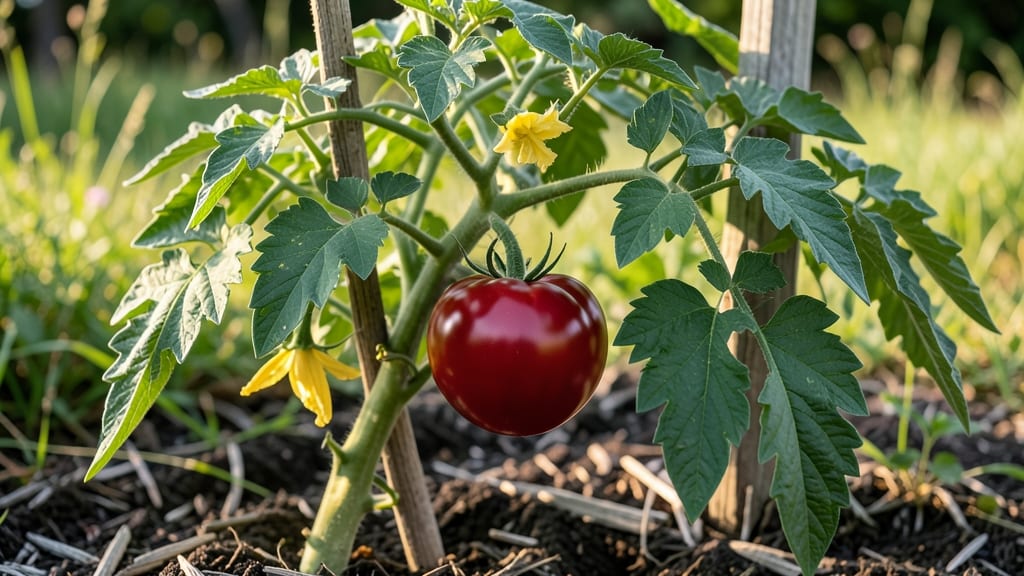
Growing beefsteak tomatoes that regrow from scraps is like unlocking a garden superpower. 🌱 These cold-hardy varieties keep producing year after year, even when other plants give up—because you can propagate them from cuttings. My first harvest was a 1-pound tomato so flavorful it changed how I garden forever.
The secret lies in their resilience: beefsteak tomatoes thrive in cooler climates, handle light frosts better than most, and bounce back from pruning like champs. You’ll need well-draining soil, 6-8 hours of sun daily, and consistent watering to prevent cracking—though even that’s fixable with the right techniques.
By midsummer, you’ll be snipping foot-long vines loaded with meaty red fruit, each slice packed with garden-fresh sweetness. The best part? Save a few scraps after harvest, and you’ve got free plants for next season’s garden. Works in containers or in-ground, from Zone 4 to Zone 9.
Here’s how to grow them like a pro—no green thumb required.
📚 In This Guide
- What you need
- Instructions
- Tips and common mistakes
- Wrapping up and next steps
What you need
- ● Beefsteak tomato seeds or scraps: Choose cold-hardy varieties like 'Cherokee Purple' or 'Brandywine' (3–5 seeds or 1–2 scraps per pot).
- ● Potting soil: 2–3 gallons of high-quality, well-draining seed-starting mix (sterilized to prevent disease).
- ● Containers: 1–2 5–7 inch pots (or a seed tray with drainage) for starting scraps/seeds.
- ● Water: Room-temperature, filtered or rainwater (1–2 cups per watering).
- ○ Grow lights (optional but recommended): A full-spectrum LED grow light (12–16 hours/day for seedlings).
- ● Pruning shears or sharp knife: For harvesting scraps (sterilized with rubbing alcohol).
- ● Spray bottle: For gentle watering of seeds/scraps (16–32 oz).
- ○ Heat mat (optional): A seedling heat mat (70–80°F) to speed up germination.
- ● Fertilizer: Balanced liquid fertilizer (5-5-5 NPK) or compost tea (diluted).
- ● Garden twine & stakes: For supporting vines (3–4 ft tall, if growing indoors/outdoors).
- ● Sunlight: 6+ hours of direct sunlight daily (or grow lights for indoor setups).
- ● Temperature: Ideal germination range: 70–90°F (use a heat mat if cooler).
- ● Patience: Germination takes 7–14 days; regrowth from scraps may take 2–4 weeks.
- ● Space: Mature plants need 2–3 ft of diameter (or vertical space if trellising).
Step-by-step instructions for growing beefsteak tomatoes from scraps
Here's how I've successfully regrown beefsteak tomatoes from scraps—no fancy equipment needed.
🌱 Step 1: Select and Prepare Your Tomato Scraps
Choose a healthy beefsteak tomato—look for one with firm, unblemished stems and no signs of disease. The key is to use the bottom 2-3 inches of the stem, where the leaves and small root buds are clustered. Cut just above a leaf node (the bump where leaves attach) with clean, sharp scissors to avoid crushing the tissue.
Place the cuttings in a glass of room-temperature water (not cold) so the stem is submerged about 1 inch deep. Change the water every 3-4 days to prevent bacterial growth. You'll see tiny white root hairs emerge within 7-10 days—this is your signal the cutting is ready for soil.
💧 Step 2: Root the Cuttings in Water Until Ready
Keep the glass in bright, indirect light (a south-facing window works well). Avoid direct sun, which can overheat the water and stress the cutting. The water should feel lukewarm to the touch—if it's cold, roots will grow slowly or not at all.
Watch for root growth of at least 1 inch before transplanting. Gently tug on the cutting—if resistance meets your fingers, it's rooted. This usually takes 2-3 weeks, depending on your home's warmth. I've found that cuttings rooted in spring (when natural light increases) grow fastest.
🪴 Step 3: Transplant to Soil and Provide Support
Fill a 5-gallon pot (or larger) with well-draining potting mix—beefsteak tomatoes need deep roots and rich nutrients. Make a small hole with your finger and slide the rooted cutting in, burying it up to the first set of leaves. Press the soil gently around the stem to eliminate air pockets.
Water lightly until moisture seeps from the bottom of the pot. Place the pot in full sun (at least 6-8 hours daily) and add a tomato cage or sturdy stake immediately—beefsteak varieties grow heavy, and unsupported plants topple easily. You'll see new leaves within 1-2 weeks, signaling successful rooting in soil.
☀️ Step 4: Maintain Growth Through the Season
Water deeply 2-3 times per week, ensuring the top 2 inches of soil stay dry between waterings. Beefsteak tomatoes hate soggy roots, so always check moisture with your finger before watering. Fertilize every 2 weeks with a balanced tomato feed (10-10-10 or similar) to encourage large fruit production.
Prune suckers (the small shoots in the leaf axils) regularly to direct energy toward fruit growth rather than foliage. When flowers appear, hand-pollinate by gently shaking the plant or using a small brush to transfer pollen. You'll know pollination worked when flowers drop and tiny fruits begin swelling within 7-10 days.
✂️ Step 5: Harvest and Prepare for Next Year
Harvest beefsteak tomatoes when they're fully colored and slightly soft to the touch. Cut stems with clean shears, leaving a small portion attached to the plant to encourage more fruit. Store harvested tomatoes at room temperature (not in the fridge) to preserve flavor and texture.
At the end of the season, save the strongest stems for next year's scraps. Cut 4-inch sections with 3-4 leaves and store in a paper towel-lined bag in the fridge. These can be rooted in spring to start the cycle again. I've successfully regrown beefsteak tomatoes for three consecutive years using this method.
Tips & tricks for perfect beefsteak tomato regrowth
These insider tricks will help you maximize your chances of successfully regrowing beefsteak tomatoes from scraps—no green thumb required.
Selection is Everything: The health of your original tomato is everything. Look for beefsteak tomatoes with stems that feel sturdy when gently squeezed—if it snaps or feels mushy, skip it. I've found that organic market tomatoes often have healthier stems than conventional ones, likely due to fewer chemical treatments. The stem should be at least 2-3 inches thick at the base where you'll cut, with visible leaf nodes that look plump and green.
Rooting Environment Matters: While the instructions specify room-temperature water, I've discovered that adding a pinch of cinnamon (just a sprinkle) to the water can help prevent bacterial growth during those critical 3-4 day water changes. The cinnamon acts as a natural antimicrobial without harming the cutting. Also, place your glass on a saucer to catch any condensation that might drip back into the water—this keeps the water level stable and prevents dilution that could slow root development.
Transplant Timing Secret: The 1-inch root requirement is a good guideline, but I recommend waiting until you see roots that are at least 1.5 inches long before transplanting. This extra growth gives your cutting a better chance of establishing itself in soil. When you're ready to transplant, make sure your potting mix is moist but not soggy—squeeze a handful to test. It should hold its shape when gently pressed but not leave water dripping from your fingers.
Support System Hack: While tomato cages work, I've had better luck with wooden stakes for beefsteak varieties. The wood provides more stable support as the plant grows heavier, and you can tie the main stem directly to the stake rather than relying on the cage's structure. Start tying when the plant reaches about 12 inches tall, using soft plant ties or even old t-shirts cut into strips. This prevents the plant from developing a permanent crooked shape as it matures.
Pro Tips for Beef Steak Tomato
- These insider tricks will help you maximize your chances of successfully regrowing beefsteak tomatoes from scraps—no green thumb required.
- Selection is Everything: The health of your original tomato is everything.
- The cinnamon acts as a natural antimicrobial without harming the cutting.
Frequently asked questions
Got questions about growing beefsteak tomatoes—especially those cold-hardy, regrow-from-scraps varieties? You’re not alone! Here are answers to the most common queries to help you master this juicy, rewarding crop.
Can beefsteak tomatoes really regrow from scraps?
Yes! With the right conditions, you can regrow beefsteak tomatoes from scraps like seeds or cuttings. Place the stem end in water or soil, keep it warm (70–80°F), and provide bright, indirect light. Roots should sprout in 2–4 weeks—just like magic!
How cold-hardy are beefsteak tomato varieties?
Cold-hardy beefsteak tomatoes (like ‘Cold Set’ or ‘Siberian’) can survive light frosts (down to 28°F) and thrive in cooler climates. Start seeds indoors 6–8 weeks before the last frost, then transplant outdoors after soil warms to 50°F. Use black plastic mulch to extend the season!
How long does it take for beefsteak tomatoes to produce fruit?
From seed, expect 70–90 days to harvest. If regrowing from scraps, it may take slightly longer (80–100 days) since the plant needs time to establish roots and foliage. Patience pays off—big, flavorful tomatoes are worth the wait!
What’s the best way to support beefsteak tomato plants?
These heavy-fruited varieties need strong support! Use cages (5–6 ft tall), stakes, or trellises to prevent sprawling. Prune suckers regularly to improve airflow and focus energy on fruit production. A well-supported plant = fewer broken stems and bigger beefsteaks!
Can I grow beefsteak tomatoes in containers?
Choose a 5-gallon container or larger with drainage holes, and use a high-quality potting mix. Dwarf or determinate beefsteak varieties (like ‘Patio’) work best. Place containers in full sun (6–8 hours/day) and fertilize regularly for maximum yield. Balcony beefsteaks? Yes, please!
Why aren’t my beefsteak tomatoes ripening?
Blame cool temps, lack of sunlight, or overcrowding. Ensure plants get full sun (8+ hours) and warm soil (above 60°F). If nights dip below 55°F, use row covers or move pots to a warmer spot. Yellowing leaves? Check for pests or nutrient deficiencies too!
Wrapping up and next steps
Growing beefsteak tomatoes from scraps is a rewarding way to enjoy juicy, homegrown tomatoes while minimizing waste—no green thumb required! 🌱 Whether you’re drawn to their regrowth magic or their cold-hardy resilience, this variety is perfect for gardeners of all levels.
Start small, experiment with your setup, and soon you’ll be harvesting heirloom-quality tomatoes straight from your kitchen.
Ready to take the next step? Try propagating a scrap today and watch your tomato plant thrive! For extra inspiration, explore other regrowable veggies or join gardening communities to share your progress. Happy growing! 🌿