
Vegetables
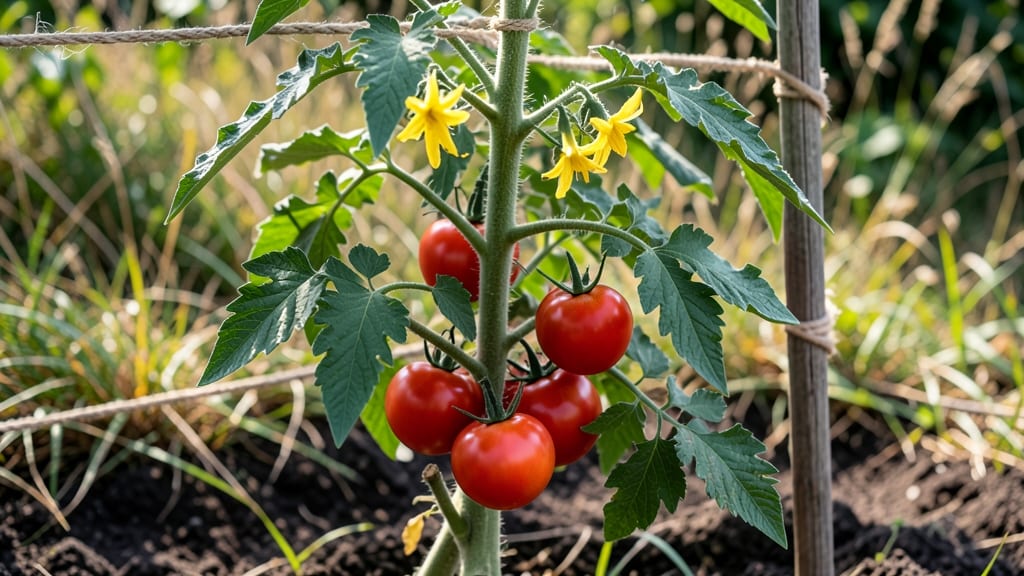
Beefsteak tomatoes reward patience with pound-per-plant fruit—if you give them the right care. 🌱 I’ve grown these giants for years, and the difference between a decent harvest and a jaw-dropping one comes down to three critical factors: soil prep, pruning discipline, and consistent watering.
Most gardeners focus on planting and forget the long-term nurturing that turns good tomatoes into showstoppers.
The first secret is heavy, nutrient-rich soil—think compost-blended loam that holds moisture but drains well. Beefsteaks need sturdy support (cages or stakes) because those 12-ounce fruits will snap stems if left unsupported.
Then comes the pruning: remove suckers religiously, and you’ll get fewer but larger tomatoes with better flavor. Skimp on this step, and you’re left with a bush full of small, watery fruit.
By midsummer, you’ll be harvesting tomatoes so big they need two hands—and the taste? Nothing from the store compares. The key is watering deeply 1-2 times per week (never letting the soil dry out) and feeding with balanced fertilizer every 4-6 weeks.
Even in hot climates, these plants keep producing until frost if you stay consistent.
This method works for container growing too—just use a 5-gallon minimum per plant—and adapts to both warm summers and cooler growing zones.
The only real mistake is giving up too soon; beefsteaks take 80-90 days to mature, so patience pays off in garden-fresh burgers and sandwiches that’ll have your neighbors asking for cuttings.
📚 In This Guide
- What you need
- Instructions
- Tips and common mistakes
- Wrapping up and next steps
What you need
- ● Beefsteak tomato seeds or seedlings: Choose disease-resistant varieties like 'Brandywine,' 'Cherokee Purple,' or 'Big Beef.' Start with 3–5 plants per gardener (or 1–2 per container if growing in pots).
- ● Well-draining potting mix: 10–20 lbs of high-quality, organic mix (e.g., 60% compost, 30% coconut coir, 10% perlite). Avoid garden soil—it’s too dense!
- ● Containers or garden bed: For containers: 5-gallon pots or larger (minimum 12" diameter/width) with drainage holes. Pro tip: 💡 Use fabric grow bags for better root aeration!
- ● For in-ground: Full sun (6–8+ hours/day) and loose, fertile soil with a pH of 6.0–6.8.
- ● Fertilizer: Balanced 10-10-10 or 5-10-10 granular fertilizer (1–2 lbs per 10 sq ft of bed or per 5-gallon pot).
- ● Slow-release organic options like fish emulsion (5-5-5) or worm castings (1 cup per plant at planting).
- ● Support system: Sturdy cages (6–8 ft tall) or trellises (beefsteaks can weigh 1–2 lbs each!).
- ● Soft gardening twine (for tying vines to stakes if not using cages).
- ● Hand trowel (for transplanting seedlings).
- ● Watering can or hose with a gentle spray nozzle (avoid wetting leaves to prevent disease).
- ● Pruning shears (for removing suckers and dead leaves).
- ● Mulch (straw or shredded leaves) (2–3 inches thick to retain moisture and suppress weeds).
- ○ pH test kit (optional but helpful for monitoring soil health).
- ● Epsom salt (magnesium sulfate) (1 tbsp per gallon of water, used monthly for leaf health).
- ○ Café grounds or wood ash (optional: sprinkle lightly around plants for extra calcium).
- ● Warmth: Beefsteaks hate cold! Start seeds indoors 6–8 weeks before the last frost (or buy transplants after soil temps hit 55°F+).
- ● Patience: These beauties take 70–90 days to mature—plan accordingly!
- ● Space: Each plant needs 18–24 inches of space (or 1 plant per 5-gallon container).
Step-by-step guide to cultivating thriving beefsteak tomatoes
Master these essential techniques to coax massive, flavorful fruits from your beefsteak plants all season long.
🌱 Step 1: Select and Prepare the Perfect Planting Site
Beefsteak tomatoes demand full sun exposure—at least 8 hours daily—and rich, well-draining soil with a pH between 6.0 and 6.8. I always choose a location sheltered from strong winds, which can snap tender vines. Before planting, amend the soil with 2-3 inches of compost mixed into the top 12 inches of soil. This ensures proper drainage while providing essential nutrients for those heavy fruit loads.
Dig a hole twice as wide as the root ball but only as deep as the container the plant came in. Gently remove the plant from its pot and loosen any circling roots with your fingers. This prevents girdling as the plant matures. Place the plant in the hole so the top of the root ball sits 1 inch below soil level—this encourages strong root development without burying the stem, which can cause rot.
☀️ Step 2: Provide Support and Optimal Lighting Conditions
Beefsteak tomatoes need sturdy support to handle their weight—install a 6-foot tall cage or strong trellis at planting time. I prefer cages because they're easier to install and provide consistent support as the plant grows. Secure the cage firmly in the ground so it doesn't topple when laden with fruit. As the plant grows, gently weave the main stem through the cage openings, tying it loosely with soft plant ties every 12-18 inches.
These varieties thrive in warmth and light, so avoid planting until soil temperatures reach 60°F and nighttime temperatures stay above 55°F. If growing in containers, move them to a sunny location where they'll receive direct sunlight for at least 6 hours daily. You'll notice leaves developing a deeper green color and stems thickening—these are clear signs your plant is getting the light it needs.
💧 Step 3: Master the Watering and Fertilizing Routine
Consistent moisture is critical for beefsteaks—water deeply 1-2 times per week, providing 1-2 gallons per plant each time. The goal is to keep the soil evenly moist but never soggy. I water in the morning so the foliage has time to dry before evening, which helps prevent fungal diseases like blight. You'll know you're doing it right when the top 2-3 inches of soil feel dry to the touch between waterings.
Feed your plants every 2-3 weeks starting when flowers appear, using a balanced fertilizer with equal parts nitrogen, phosphorus, and potassium. I switch to a low-nitrogen, high-phosphorus formula when fruit sets to encourage larger beefsteak development. Always water before fertilizing to prevent root burn, and avoid getting fertilizer on the leaves. Watch for new flower clusters forming—this is your signal the plant is responding well to feeding.
✂️ Step 4: Prune and Maintain for Maximum Yield
Pruning beefsteak tomatoes focuses on directing energy to fruit production rather than excessive foliage. Remove any suckers—those small shoots growing in the leaf axils—when they're 2-3 inches long. I use my thumb and forefinger to pinch them off cleanly without damaging the main stem. Leave only the first few suckers near the base to provide some support, but remove all others above the first flower cluster.
Regularly inspect the plant for any yellowing or diseased leaves and remove them immediately, placing them in the trash—not the compost—since fungal spores can survive. Thin fruit clusters to leave 5-6 tomatoes per truss, removing smaller or deformed fruits first. This ensures the remaining tomatoes have space to grow large and flavorful. You'll see the remaining fruits swelling rapidly within a few weeks—this is your reward for proper pruning and thinning.
🌿 Step 5: Protect and Extend the Harvest Season
As summer progresses, protect your plants from late-season pests like hornworms and aphids by inspecting the undersides of leaves regularly. I've found that introducing beneficial insects like ladybugs or using neem oil spray keeps populations under control without harming the plants. When nighttime temperatures drop below 50°F, cover young plants with row fabric to prevent chilling injury.
To extend the harvest, I always save seeds from my best beefsteak tomatoes. Allow a few fruits to fully ripen on the vine, then scoop out the seeds and ferment them in water for 2-3 days before rinsing and drying. These saved seeds will produce plants with identical characteristics to their parents. As the season winds down, cut back the plants to 6 inches tall and compost the remaining foliage—this enriches the soil naturally for next year's planting.
Tips & tricks for perfect beefsteak tomato cultivation
Here's what nobody tells you about growing these giants—secrets that'll transform your garden harvest.
Soil Science: The 2-3 inches of compost we mix into the top 12 inches of soil isn't just about nutrients—it's about creating the perfect moisture-holding capacity. I've found that adding a handful of perlite or coarse sand to this mix improves drainage dramatically, especially in heavy clay soils. This prevents those dreaded waterlogged roots that can lead to blossom-end rot. The key is maintaining that balance between moisture retention and aeration—your beefsteaks will reward you with massive fruits when the roots breathe right.
Support System: Those 6-foot cages aren't just for looks—they're critical for channeling the plant's energy upward where it belongs. I've learned the hard way that flimsy supports snap under the weight of beefsteak tomatoes. For extra insurance, I double up by using tomato cages inside sturdy wooden stakes. The 12-18 inch spacing for plant ties might seem frequent, but it prevents stem damage as the plant grows. Think of it like training wheels for your tomato—temporary support that pays off in the end.
Watering Wisdom: The 1-2 gallons per plant recommendation is your baseline, but timing matters just as much. I've perfected a system where I water at the soil level using a soaker hose—never overhead. This prevents fungal spores from splashing onto leaves, which is especially important when nighttime temperatures drop toward that critical 55°F threshold. The top 2-3 inches dry test is foolproof, but I've added a secondary check: if the leaves start to wilt slightly during the day, that's your plant's way of asking for water. Respond quickly to maintain that consistent moisture.
Season Extension: Don't let those nighttime temperatures below 50°F fool you—your beefsteaks can still produce with the right protection. I've had plants thriving well into October using a simple row fabric cover. The secret is to remove it during the day to maintain airflow and prevent overheating. For seed saving, that 2-3 day fermentation period is non-negotiable—it removes the gelatinous coating that would otherwise prevent proper germination. Trust me, the patience pays off when you grow identical plants next season.
Pro Tips for Beefsteak Tomato Care
- Here's what nobody tells you about growing these giants—secrets that'll transform your garden harvest.
- Soil Science: The 2-3 inches of compost we mix into the top 12 inches of soil isn't just about nutrients—it's about creating the perfect moisture-holding capacity.
- Support System: Those 6-foot cages aren't just for looks—they're critical for channeling the plant's energy upward where it belongs.
Frequently asked questions
Got questions about growing beefsteak tomatoes? You’re not alone! Whether you’re a first-time gardener or a seasoned pro, these FAQs will help you avoid common pitfalls and maximize your harvest.
What’s the best temperature range for beefsteak tomatoes?
Beefsteak tomatoes thrive in warmth—ideal daytime temps are 70–85°F (21–29°C), while nights should stay above 55°F (13°C). Below 50°F (10°C), growth slows, and fruit may develop blossom end rot. Use row covers or greenhouses in cooler climates to protect young plants.
How often should I water beefsteak tomatoes?
Consistency is key! Water deeply 1–2 times per week (adjust for heat/drought), aiming for 1–1.5 inches (2.5–4 cm) of water. Avoid wetting leaves to prevent diseases like early blight. Use drip irrigation or soaker hoses for even moisture. Morning watering helps leaves dry faster, reducing fungal risks.
Why are my beefsteak tomatoes cracking?
Cracking usually happens due to uneven watering—soaking dry soil followed by heavy rain or overwatering causes fruit to split. Mulch heavily to retain moisture and water consistently. For cracked tomatoes, harvest early and use them in sauces or salsas where texture matters less!
Can I grow beefsteak tomatoes in containers?
Choose a large pot (at least 5 gallons) with drainage holes and use a balanced fertilizer (like 10-10-10). Opt for determinate varieties (like ‘Brandywine’) if space is tight—they grow bushier. Place containers in full sun (6+ hours/day) and stake or cage plants to support heavy fruit.
What pests should I watch for with beefsteak tomatoes?
Common culprits include hornworms (devour leaves!), aphids, and whiteflies. Handpick hornworms or use neem oil for mild infestations. Beneficial insects like ladybugs or parasitic wasps can help control pests naturally. Prune lower leaves to improve airflow and deter fungal pests too!
Wrapping up and next steps
Growing beefsteak tomatoes is a rewarding journey—one that yields juicy, flavorful rewards with the right care! By mastering soil prep, pruning, watering, and pest control, you’ll enjoy a bountiful harvest season after season.
Whether you’re a beginner or a seasoned gardener, these year-round thriving secrets will set you up for success.
Now that you’re armed with expert tips, it’s time to roll up your sleeves and get planting! 🌱 Start with healthy seedlings, monitor their progress, and soon you’ll be savoring homegrown beefsteak tomatoes straight from your garden. Happy growing! 🍅✨