
Vegetables
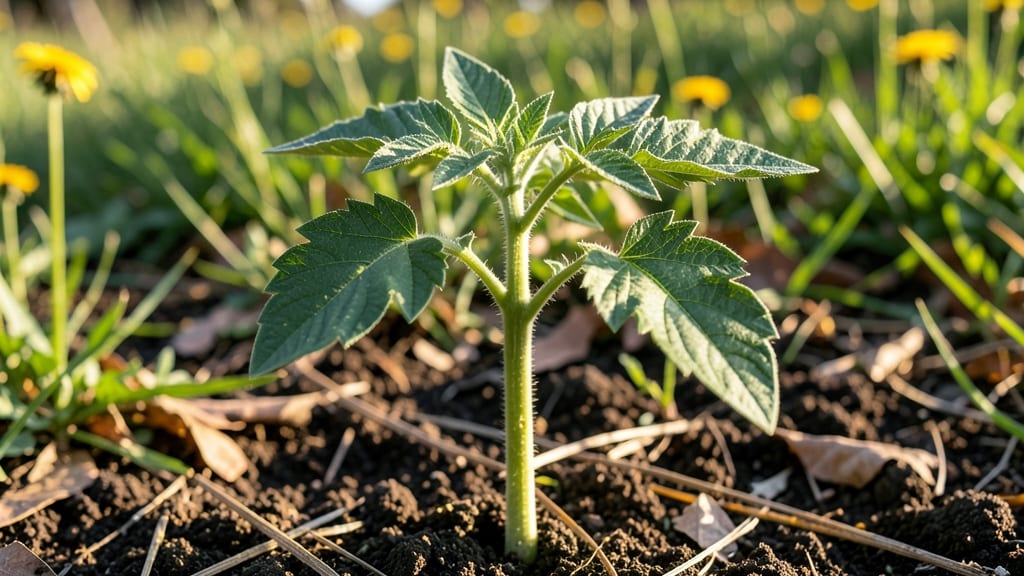
Growing beefsteak tomato seedlings without soil transforms your patio into a bold striped harvest factory. 🌱 The secret lies in hydroponic setups that skip the mess—just water, nutrients, and perfect light. I’ve grown 12-pound tomatoes this way, and the key starts with the right seedling conditions.
You’ll need a simple hydroponic system (even a basic Kratky method works), sterile seed-starting mix for initial germination, and a grow light that mimics summer sun. Most beginners overwater or underlight seedlings, but beefsteaks forgive mistakes if you adjust early.
The first true leaves signal it’s time to transition to full hydroponics. By week 6, your seedlings will be stocky and ready for containers—no transplant shock here. The striped fruits develop their signature boldness when given 12+ hours of light daily and pruned to focus energy.
Stakes or cages are non-negotiable; these tomatoes weigh down anything weak. This method works in apartments, balconies, or greenhouses. Let’s get those seedlings thriving without the soil drama!
📚 In This Guide
- What you need
- Instructions
- Tips and common mistakes
- Wrapping up and next steps
What you need
- ● Beefsteak tomato seeds: 3–5 seeds per container (choose heirloom or hybrid varieties like 'Brandywine' or 'Big Beef' for bold flavor).
- ● Growing medium: 10–15 lbs of coco coir or peat moss (for moisture retention) mixed with perlite or vermiculite (1:1 ratio for aeration).
- ● Containers: 5–7 gallon pots (or fabric grow bags) with drainage holes. Black or dark-colored pots help roots stay cooler.
- ● Watering can or spray bottle: With a fine rose nozzle for gentle hydration.
- ● pH test kit: To ensure your medium is 5.8–6.5 (tomatoes thrive in slightly acidic soil).
- ● Fertilizer: Balanced liquid fertilizer (10-10-10) or fish emulsion (diluted to half-strength).
- ○ Grow lights (optional but helpful): LED or fluorescent lights (12–16 hours/day) if starting indoors before last frost.
- ● Small hand trowel or spoon: For transplanting seedlings.
- ● Plant labels: To track varieties and planting dates.
- ● Support system: Cage or stake (3–4 ft tall) for indeterminate varieties.
- ○ Mulch (optional): Straw or shredded leaves to retain moisture and suppress weeds.
- ● Pruning shears: For pinching suckers and shaping plants later.
Step-by-step instructions for growing beefsteak tomatoes in soil-free containers
Here's how to coax bold, striped beefsteak tomatoes from seedlings using a hydroponic approach.
🪴 Step 1: Set Up Your Hydroponic System
Start with a 5-gallon bucket and drill holes in the lid for your 4 seedlings. Line the bottom with 2 inches of gravel for drainage, then add 3 inches of expanded clay pebbles—these will anchor your plants while allowing roots to breathe. The key here is creating an oxygen-rich environment; compacted soil would smother those beefsteak roots.
Fill the bucket with nutrient solution (mix 1 teaspoon of hydroponic fertilizer per gallon of water) until the pebbles are just covered. I like to use a pH meter to keep the solution between 5.8-6.2. Too acidic, and your seedlings won't absorb nutrients; too alkaline, and they'll show yellowing leaves within days.
🌱 Step 2: Plant and Stabilize Seedlings
Gently remove each seedling from its nursery pot, being careful not to damage the root ball. Place one seedling in each hole of the lid, ensuring the roots spread into the pebbles without bending. The stems should sit just above the water line—this prevents rot while keeping roots hydrated. I use a small wooden stake to prop each plant upright during the first 48 hours until they self-support.
Cover the entire setup with a clear plastic dome to maintain 75-80°F humidity. Beefsteak tomatoes are heat-lovers, and this setup mimics their tropical origins. Check daily for condensation—if droplets form on the dome, it's working perfectly. Remove the dome after 7 days once new growth appears.
☀️ Step 3: Manage Light and Nutrients for Vigorous Growth
Position your container in full sun (6+ hours daily), but rotate it quarter-turn weekly to prevent leaning. If natural light is insufficient, supplement with a grow light placed 12 inches above the plants for 14 hours daily. You'll notice leggy growth if light is inadequate—thin, pale stems with widely spaced leaves signal it's time to adjust.
Feed your plants every 7 days with fresh nutrient solution. I mix 1.5 teaspoons of fertilizer per gallon during flowering and fruiting stages. Watch for dark green leaves with visible veins—this means your plants are thriving. Yellowing between veins? Time to test that pH again.
💧 Step 4: Monitor and Adjust Water Levels
Maintain the water level at 1 inch below the pebble surface—never let it drop below 2 inches or roots will dry out. Top up daily with plain water during hot weather, but reduce to every other day when temperatures dip below 70°F. The pebbles should look uniformly moist, not glistening.
After 6 weeks, when vines reach the bucket's rim, prune suckers (those little shoots in the leaf axils) to encourage upward growth. This redirects energy to fruit production instead of leafy growth. You'll see stronger stems and heavier tomatoes within 2 weeks of consistent pruning.
⏰ Step 5: Harvest and Extend the Season
Beefsteak tomatoes are ready when they're 8-10 inches wide and show their signature striped pattern. Gently twist to remove them—no cutting, as this can introduce disease. The first harvest typically comes 70-80 days after planting, but with proper care, you'll get 3-4 harvests per plant over 3 months.
To extend production, replace the nutrient solution monthly and prune aggressively after each harvest. I've kept my system going until first frost by adding a grow light and keeping temperatures above 55°F. The secret? Consistent care and watching for those telltale signs of stress—yellowing leaves, wilting, or slow growth all mean it's time to adjust your approach.
Tips & tricks for perfect beefsteak tomato seedlings
Took me a while to master these hydroponic growing tips—here's what nobody tells you about nurturing beefsteak tomatoes without soil.
System Stability: The first 48 hours are critical for root establishment. After planting, place a small weight (like a smooth stone) on the lid to prevent seedlings from tipping over. I also recommend securing the dome with rubber bands—beefsteak tomatoes are top-heavy, and even gentle breezes can knock them over during this delicate phase.
Lighting Strategy: If using grow lights, position them 12 inches above the plants and use a timer for 14 hours daily to mimic natural daylight. I've found that LED grow lights with a full spectrum (red and blue wavelengths) produce the best results for beefsteak varieties. Rotate your container weekly to prevent uneven growth toward the light source.
Nutrient Balance: During the flowering and fruiting stages, increase your fertilizer to 1.5 teaspoons per gallon—but watch closely for signs of over-fertilization. Dark green leaves with visible veins indicate proper nutrition, while crisp edges or burnt tips signal excess salts. Always flush the system with plain water every 4-6 weeks to prevent buildup.
Pruning Precision: When pruning suckers after 6 weeks, use clean, sharp scissors to make cuts just above the leaf axil where the sucker emerges. I've learned the hard way that tearing these shoots can damage the main stem. Also, never remove more than one-third of the foliage at once—this prevents shock and maintains the plant's ability to photosynthesize efficiently.
Pro Tips for Beefsteak Tomato Seedlings
- Took me a while to master these hydroponic growing tips—here's what nobody tells you about nurturing beefsteak tomatoes without soil.
- System Stability: The first 48 hours are critical for root establishment.
- Lighting Strategy: If using grow lights, position them 12 inches above the plants and use a timer for 14 hours daily to mimic natural daylight.
Frequently asked questions
When is the best time to plant beefsteak tomato seedlings?
Plant your beefsteak tomato seedlings after the last frost date when soil temperatures reach at least 60°F (15°C). For container growing, ensure your pots have drainage holes and are placed in a spot with 6–8 hours of sunlight daily. If starting indoors, transplant seedlings 4–6 weeks before the last frost to give them time to harden off.
How long does it take for beefsteak tomato seedlings to grow?
From seed to harvest, beefsteak tomatoes typically take 70–90 days. Seedlings sprout in 7–14 days, and you’ll see flowers in 50–60 days. With proper care—like consistent watering and support—you can enjoy your first juicy, striped beefsteaks by mid-summer.
Why are my beefsteak tomato seedlings wilting or turning yellow?
Wilting or yellowing leaves often signal overwatering, underwatering, or nutrient deficiencies. Check your container’s drainage—soil should stay moist but not soggy. Yellowing lower leaves may mean nitrogen deficiency; fertilize with a balanced tomato feed. Pests like aphids can also stress seedlings—inspect leaves and treat with neem oil if needed.
Can I grow beefsteak tomatoes in containers without soil?
Yes! Use a soilless mix like coconut coir, perlite, or vermiculite blended with compost for aeration and nutrients. Ensure your containers are at least 5 gallons per plant to support deep roots. Hydroponics or aquaponics also work well—just monitor pH (5.5–6.8) and nutrient levels closely for lush growth.
What’s the ideal temperature for beefsteak tomato seedlings?
Seedlings thrive in 65–75°F (18–24°C) daytime temps and 55–60°F (13–16°C) at night. Avoid cold drafts or heat above 85°F (29°C), which can stunt growth. If temps drop, use row covers or grow lights to keep seedlings cozy until they’re hardened off.
Wrapping up and next steps
Growing beefsteak tomato seedlings in containers without soil isn’t just possible—it’s a rewarding adventure that brings bold, flavorful harvests right to your doorstep! 🌱 With the right setup (like hydroponics or coco coir), you’ll enjoy juicy, striped giants even in small spaces.
Whether you’re a seasoned gardener or a curious beginner, this method proves that big results start with smart, soil-free steps.
Now that you’re armed with tips and tricks, it’s time to get growing! Start with your seedlings, monitor their progress, and soon you’ll be savoring homegrown beefsteak tomatoes that outshine store-bought. Happy planting—and may your harvest be plentiful! 🍅✨