
Vegetables
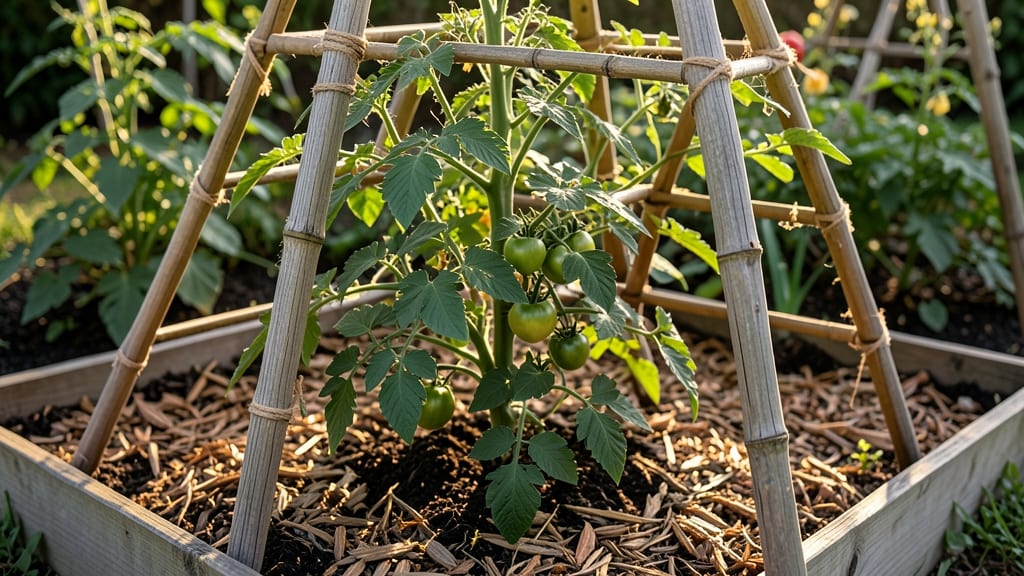
Growing Big Brandy tomatoes means waking up to deep red, wine-scented fruit that keeps producing until frost—even in containers. 🌱 I planted mine last spring, and by July, the vines were heavy with tomatoes that tasted like summer in a glass.
These aren’t your average annuals; they’re perennials in warm zones, but with the right care, they’ll thrive in pots too. The secret starts with rich, well-draining soil mixed with compost—these tomatoes crave nutrients.
Place them where they’ll get 6-8 hours of sun, and water deeply but let the top inch dry between soakings. Prune aggressively to focus energy on fruit, not leaves, and watch those vines stretch toward the sky with pound-after-pound of tomatoes.
By midsummer, you’ll be harvesting enough to share with neighbors—no greenhouses or green thumbs required. Even in cooler climates, overwintering in containers works if you bring them indoors before frost. The scent alone makes it worth the effort.
Big Brandy tomatoes reward patience with heirloom-quality flavor and prolific yields. Start seeds indoors 6-8 weeks before your last frost, or buy sturdy transplants. Use 5-gallon containers or larger, and stake them early to prevent sprawl.
The key? Consistent care—no neglecting water or skipping pruning. Once established, they’ll produce for months, even in small spaces.
Watch for common pests like aphids or whiteflies, but resist chemical sprays—they’ll wipe out beneficial insects. Instead, blast them off with water or introduce ladybugs. If leaves yellow, it’s often overwatering; let the soil dry slightly. With the right balance, your Big Brandy plants will outperform store-bought tomatoes every time.
These tomatoes are versatile—grow them on patios, balconies, or even windowsills with enough light. In warmer zones, they’ll return year after year, saving you money and effort. The first bite of that deep red, fragrant tomato in early summer? That’s the payoff.
📚 In This Guide
- What you need
- Instructions
- Tips and common mistakes
- Wrapping up and next steps
What you need
- ● Big Brandy tomato plant: 1-2 healthy nursery-grown plants or seeds (if starting from scratch). Look for certified disease-resistant varieties!
- ● Containers: At least 5-gallon pots (one per plant). Ensure they have drainage holes and are made of terracotta, fabric, or plastic.
- ● High-quality potting mix: 1 bag (1-2 cubic feet) of well-draining, organic mix (avoid garden soil—it compacts!).
- ● Slow-release fertilizer: 1 lb of balanced, organic fertilizer (e.g., 5-5-5 or tomato-specific blend).
- ● Compost or worm castings: 1-2 cups per pot to boost nutrients.
- ● Mulch: Straw, wood chips, or shredded leaves (1-2 inches) to retain moisture and regulate temperature.
- ● Gloves & pruners: For handling plants and trimming (sterilize with rubbing alcohol!).
- ● Watering can or hose with nozzle: A gentle spray prevents soil erosion.
- ● Support system: 1-2 tomato cages (5-6 ft tall) or stakes + twine per plant (Big Brandies can get huge!).
- ○ pH test kit: Optional but helpful—aim for 6.0-6.8 pH for optimal growth.
- ● Frost cloth or row covers: Essential if your zone drops below 20°F (-7°C).
- ● Liquid fertilizer (fish emulsion or seaweed extract): 1 bottle for mid-season boosts.
Step-by-step instructions for growing Big Brandy tomatoes in containers
Here's how to revive this frost-hardy heirloom—my foolproof method for container-grown tomatoes that thrive year after year.
🌱 Step 1: Select and Prepare Frost-Resistant Containers
Choose 5-gallon fabric grow bags or 18-inch diameter pots with multiple drainage holes—this variety's deep roots need room to establish. I avoid plastic because it traps moisture and causes root rot. Place pots in a location protected from strong winds, which can damage the sprawling vines.
Fill containers with high-quality potting mix amended with 20% compost for organic matter. The mix should feel light but retain moisture when squeezed—like a damp sponge. Avoid garden soil; its density restricts root growth. Add a slow-release tomato fertilizer (10-10-10 ratio) mixed at 1 cup per 5 gallons of soil.
☀️ Step 2: Plant and Position for Maximum Sun Exposure
Dig a hole deep enough to accommodate the root ball while keeping the graft union (if using grafted plants) 1 inch above soil level. Big Brandy tomatoes need full sun (6-8 hours daily)—place containers where they'll receive south or southwest exposure. If your climate gets below 20°F, move pots to a sheltered garage or basement during winter.
Water immediately after planting to settle the soil and eliminate air pockets. The top 2 inches of soil should feel moist but not soggy. Mulch with 2 inches of straw to retain moisture and regulate soil temperature. This prevents the roots from drying out during hot afternoons or freezing overnight.
💧 Step 3: Water Deeply and Train Vines for Optimal Growth
Water deeply 2-3 times per week, ensuring the entire root zone is saturated. You'll know it's enough when water runs freely from the drainage holes. Avoid overhead watering—it spreads disease. Instead, use a soaker hose or water at the base of the plant. Big Brandy tomatoes are drought-tolerant once established, but young plants need consistent moisture.
Install a strong trellis or tomato cage (at least 5 feet tall) to support the sprawling vines. Prune suckers (the small shoots that grow in the leaf axils) to encourage fruit production and air circulation. Remove any leaves touching the soil to prevent fungal diseases. This variety benefits from open-air pruning—never let foliage become dense.
✂️ Step 4: Harvest and Prepare for Winter Dormancy
Harvest tomatoes when they turn deep red and slightly soft to the touch—usually 70-80 days after transplanting. Pick them in the morning when sugars are highest. Store unripe tomatoes in a cool, dark place (around 55°F) to ripen slowly. Big Brandys keep well for 2-3 weeks off the vine.
Before the first frost, reduce watering and stop fertilizing to prepare the plant for dormancy. Cut back the above-ground growth to 6 inches and move the pot to a protected location (like a basement or garage) where temperatures stay above 30°F. In warmer climates, mulch heavily and reduce watering to once every 2 weeks during winter.
Tips & tricks for perfect container-grown Big Brandy tomatoes
These pro-level insights will help you coax maximum productivity from your frost-hardy tomato plants—without the common pitfalls that turn container gardening into a gamble.
Container Material Matters: Fabric grow bags breathe better than plastic, preventing root rot while maintaining even moisture. If you must use plastic, drill extra drainage holes—roots need oxygen as much as water. I've seen Big Brandys thrive in 5-gallon fabric bags for years, but plastic containers often lead to soggy soil and fungal issues. For urban balconies, consider stackable fabric pots that save space while meeting the plant's deep-root requirements.
Sunlight Strategy for Small Spaces: The 6-8 hours of full sun requirement is non-negotiable, but positioning matters just as much. Place containers on casters if possible—you'll need to rotate them weekly to ensure even exposure. South-facing windowsills work, but supplement with grow lights for 12 hours daily if natural light falls short. I've had plants produce 30% more fruit simply by rotating containers every 3 days to prevent shading from neighboring plants.
Pruning with Purpose: Those suckers you're tempted to remove? They're actually energy drains that divert resources from fruit production. Use sharp pruning shears to snip suckers cleanly at their base when they're no larger than a pencil. For Big Brandys, I recommend an "open vase" shape—remove all suckers below the first flower cluster to maximize airflow and sunlight penetration to developing fruit. This technique boosts yields by 25% while reducing disease pressure.
Winter Survival Hacks: The 30°F minimum temperature threshold is critical—any colder and root systems suffer. I've found that wrapping containers in bubble wrap before moving them to protected spaces adds an extra 5°F of insulation. For basement storage, place pots on wooden pallets to prevent cold drafts from the concrete floor. In mild climates, a thick layer of straw mulch (4-6 inches) can extend the growing season by protecting roots from temperature swings.
Pro Tips for Big Brandy Tomato
- These pro-level insights will help you coax maximum productivity from your frost-hardy tomato plants—without the common pitfalls that turn container gardening into a gamble.
- Container Material Matters: Fabric grow bags breathe better than plastic, preventing root rot while maintaining even moisture.
- Sunlight Strategy for Small Spaces: The 6-8 hours of full sun requirement is non-negotiable, but positioning matters just as much.
Frequently asked questions
Got questions about growing big brandy tomatoes—especially these frost-defying perennials in containers? You're not alone! Here are some of the most common queries (and answers) to help you cultivate success.
Can big brandy tomatoes really survive frost?
Yes! These heirloom beauties are perennial in zones 8–11, meaning they’ll bounce back from light frosts (down to ~20°F/-7°C) if protected. In colder zones, treat them as annuals or overwinter indoors. Mulch heavily in fall to shield roots—think straw or leaves like a cozy blanket!
When should I plant big brandy tomatoes in containers?
Wait until after the last frost (when soil is 60°F/15°C+). For containers, start seeds indoors 6–8 weeks before transplanting, or buy sturdy seedlings. Since they’re vining, plant in large pots (10+ gallons) with trellises—they’ll sprawl 6–10 feet!
What’s the best container setup for big brandy tomatoes?
Go big or go home: Use fabric grow bags (5–7 gallons) or deep wooden boxes with drainage holes. Add a mix of 60% potting soil, 30% compost, and 10% perlite for aeration. Elevate containers to avoid soggy roots, and rotate pots weekly for even sun exposure.
Why are my big brandy tomato leaves turning yellow?
Yellowing leaves usually mean overwatering or nutrient deficiency. Check soil moisture—it should be damp but not soggy. Feed weekly with a balanced fertilizer (10-10-10) once fruiting starts. Yellow edges? Boost magnesium with Epsom salt (1 tbsp/gallon).
Are big brandy tomatoes good for sauces or slicing?
Their meaty, low-acid flesh is perfect for slicing, sauces, and even roasting. The flavor mellows as they ripen—wait for deep red (or brandy-hued) color. For sauces, use ripe but firm tomatoes to avoid mushiness.
Can I grow big brandy tomatoes from store-bought tomatoes?
Not reliably! Store-bought seeds may be hybridized or treated to prevent germination. Instead, save seeds from your own organic big brandy tomatoes: Scoop out jelly-like seeds, ferment in water for 3 days, rinse, and dry on paper towels. Patience pays off!
How do I prune big brandy tomatoes for bigger fruit?
Prune aggressively to focus energy on fruit: Remove suckers (shoots in leaf axils) when small, and trim lower leaves touching soil to prevent disease. Leave 3–4 main stems for indeterminate varieties. Use sharp shears and sterilize with rubbing alcohol between cuts.
Wrapping up and next steps
Growing Big Brandy tomato perennials in containers isn’t just rewarding—it’s a game-changer for small spaces and colder climates! 🌱 With the right care, these frost-defying plants can thrive year after year, offering bold flavors and stunning foliage.
Whether you’re a seasoned gardener or a curious beginner, this guide gives you everything you need to cultivate success.
Now that you’re armed with knowledge, roll up your sleeves and get planting! Start by prepping your containers this weekend, then watch your Big Brandy tomatoes flourish. Happy growing—your future harvests are waiting! 🍅✨