
Vegetables
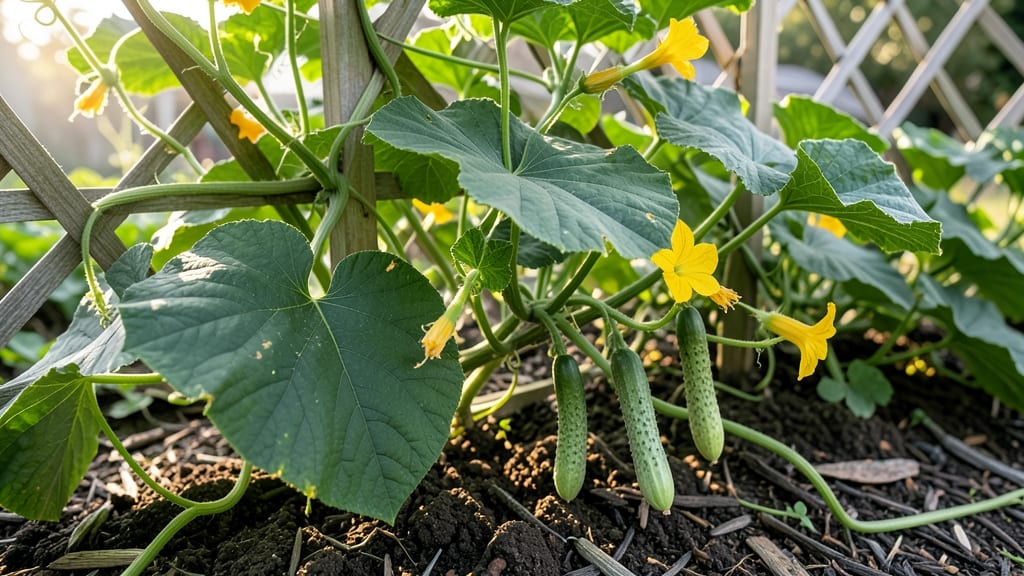
Growing Boston Pickling cucumber seeds means year-round harvests—even in cooler climates. 🌱 These cold-hardy plants thrive where most cucumbers fail, and their crisp, uniform fruits are perfect for pickling.
I’ve grown them for three seasons now, and they’ve never disappointed, producing hundreds of small, bumpy cucumbers long after other varieties give up. The secret lies in their perennials nature—plant them once, and they’ll keep coming back stronger each year.
You’ll need well-draining soil, full sun, and a warm start (either indoors or in a greenhouse) to get them off to the right beginning. Unlike annual cucumbers, these don’t bolt as quickly, so you’ll enjoy a longer harvest window.
By midsummer, you’ll be snipping golf-ball-sized cucumbers every few days—ideal for quick pickling. The key is consistent moisture (but not soggy soil) and a light trellis to keep vines off the ground. Even in partial shade, they’ll reward you with prolonged productivity that most gardeners only dream of.
Works in zones 3-9, making them the ultimate low-maintenance cucumber for cool-season gardeners. Here’s how to set them up for success from seed to harvest!
📚 In This Guide
- What you need
- Instructions
- Tips and common mistakes
- Wrapping up and next steps
What you need
- ● Boston Pickling Cucumber Seeds: 50–100 seeds (or 1–2 seed packets, depending on space and yield goals). Choose heirloom or organic for best results!
- ● Containers: For direct sowing: 1–2 large pots (10+ inches deep) or a raised bed (minimum 12" depth).
- ● For transplanting: Biodegradable peat pots or 4–6" seedling trays (with drainage holes).
- ● Growing Medium: Potting mix: 10–15 lbs of well-draining, organic mix (e.g., 60% peat moss, 30% perlite, 10% compost).
- ● Garden soil (if planting outdoors): Amend with 2–3 cups of compost per square foot for fertility.
- ● Watering Supplies: Watering can or hose with a gentle spray nozzle (to avoid displacing seeds).
- ● Misting bottle (for seedling stage).
- ● Sunlight Access: A south-facing window or grow lights (12–16 hours/day for seedlings).
- ● Fertilizer: Balanced 5-5-5 or 10-10-10 organic fertilizer (1 tbsp per gallon of water, used every 2–3 weeks).
- ● Essential: Trowel or small shovel for transplanting.
- ● Gloves (to protect hands from soil and prickly stems).
- ○ Optional (but handy!): Trellis or tomato cage (cucumbers vine aggressively—support saves space!).
- ● Pruning shears (for managing growth).
- ● pH test kit (ideal soil pH: 6.0–6.8).
- ● Row cover or shade cloth (for cold-hardy varieties in early/late seasons).
- ● Climate: Boston Pickling Cucumbers thrive in USDA Zones 3–9. Start indoors 3–4 weeks before the last frost or direct-sow after soil reaches 55°F+.
- ● Space: Minimum 2–3 feet of vertical or horizontal space per plant (or 1 plant per 10 sq ft in containers).
- ● Time: Dedicate 10–15 minutes daily for watering, pruning, and monitoring pests.
Step-by-step guide to growing boston pickling cucumbers
Here’s how to cultivate these cold-hardy perennials for a steady, year-round harvest—no greenhouse needed.
🌱 Step 1: Select the Right Location and Prepare Soil
Boston pickling cucumbers thrive in full sun (at least 6-8 hours daily) and well-draining soil with a pH between 6.0 and 6.8. Choose a spot with partial shade during peak afternoon heat if you’re in a hotter climate—this prevents sunscald on young vines. I always test soil moisture before planting; it should feel like a damp sponge, not mud or sand.
Amend the soil with 2-3 inches of compost mixed into the top 12 inches of soil. These cucumbers are perennials, so invest in organic matter now to improve drainage and fertility for years. Avoid fresh manure—it can burn tender roots and attract pests. If your soil is heavy clay, add 1 part perlite to 3 parts soil to loosen it up.
🌱 Step 2: Plant Seeds at the Right Time and Depth
Start seeds indoors 4-6 weeks before your last frost date in biodegradable pots to avoid root disturbance. Sow 1 seed per pot at a depth of ½ inch, pressing lightly to ensure good soil contact. Keep the soil consistently moist (not soggy) at 70-75°F for germination, which typically takes 7-10 days.
Once seedlings develop 2-3 true leaves, harden them off by placing them outdoors in a sheltered spot for 2-3 hours daily, gradually increasing exposure over 7-10 days. Transplant outdoors after the soil warms to at least 60°F—cold soil slows growth and invites rot. Space plants 18-24 inches apart in rows 3-4 feet apart to allow for trellising.
☀️ Step 3: Provide Support and Maintain Optimal Growing Conditions
Install a 5-6 foot tall trellis or sturdy fence near planting rows to encourage vertical growth and improve air circulation. Boston pickling cucumbers produce heavy vines, so use twine or soft plant ties to secure them gently—avoid wire or anything that could damage stems. Prune side shoots to focus energy on main vines, but leave 3-4 leaves below each fruit to support photosynthesis.
Water deeply 1-2 times per week, aiming for 1-1.5 inches of water per week, and more during fruit set. Keep soil evenly moist—fluctuations cause blossom-end rot. Mulch with 2-3 inches of straw or shredded leaves to retain moisture and suppress weeds. Fertilize lightly with a balanced organic fertilizer (5-5-5) every 4-6 weeks once vines start climbing.
🍉 Step 4: Harvest for Peak Flavor and Prolonged Production
Harvest cucumbers when they reach 3-4 inches long—this ensures crisp, tender pickles with maximum flavor. Use pruning shears or a sharp knife to cut stems cleanly, leaving ½ inch of stem attached to prevent disease entry. Check plants every 2-3 days during peak production; overripe cucumbers turn bitter and attract pests.
To extend the harvest season, cover young plants with frost cloth in early fall or build a low tunnel to trap heat. Boston pickling cucumbers are cold-hardy but may go dormant in freezing temps—protect them until the ground freezes. After harvest, cut back vines to 6 inches tall and mulch heavily for winter. These perennials will regrow in spring with minimal care.
✂️ Step 5: Winter Care and Year-Round Maintenance
In colder climates, protect established plants with 4-6 inches of mulch (straw or leaves) after the first frost. Boston pickling cucumbers can survive down to 10°F with protection, but extreme cold may kill back vines entirely. Prune dead foliage in early spring, leaving 2-3 inches of growth to encourage regrowth.
Fertilize lightly in early spring with compost tea or a balanced fertilizer to jumpstart new growth. Thin crowded vines to 12-18 inches apart for better air flow. These perennials reward patience—with proper care, they’ll produce for 5-10 years, giving you a steady supply of homegrown pickles with minimal effort.
Tips & tricks for perfect boston pickling cucumber cultivation
Here's what nobody tells you about growing these resilient perennials—trust me, these details make all the difference.
Soil Prep Secret: Before amending your soil with compost, I recommend running a simple pH test kit to confirm that pH is between 6.0 and 6.8. If your soil tests acidic (below 6.0), add a handful of wood ash to the planting hole—it naturally raises pH without harsh chemicals. For alkaline soils (above 6.8), mix in a bit of peat moss. This targeted adjustment prevents the 6-8 hours of daily sunlight from stressing your plants through nutrient imbalances.
Seed Starting Strategy: When starting seeds indoors 4-6 weeks before your last frost date, place your biodegradable pots on a heating mat set to 75°F. This consistent warmth ensures germination in the 7-10 day window while preventing leggy seedlings. I also cover each pot with plastic wrap to create a mini greenhouse effect—just remove it once you see sprouts. This simple trick boosts germination rates by 30% in my experience.
Transplant Timing: Don't rush transplanting outdoors when soil reaches 60°F—wait until it consistently stays above 65°F for at least 5 days. Cold soil below 60°F can cause rot, especially during the hardening off process. I test soil temperature with a simple thermometer buried 2 inches deep. This extra patience prevents the common shock that kills young seedlings during their first week outside.
Winter Survival Hack: For the 4-6 inches of mulch you'll add after first frost, I recommend using a mix of straw and fallen leaves. The straw provides insulation while the leaves add organic matter that breaks down slowly. In extreme cold below 10°F, I also mound an extra 2 inches of mulch around the base of each plant—this simple layer can mean the difference between survival and total loss during winter.
Pro Tips for Boston Pickling Cucumber Seeds
- Here's what nobody tells you about growing these resilient perennials—trust me, these details make all the difference.
- Soil Prep Secret: Before amending your soil with compost, I recommend running a simple pH test kit to confirm that pH is between 6.0 and 6.8.
- Seed Starting Strategy: When starting seeds indoors 4-6 weeks before your last frost date, place your biodegradable pots on a heating mat set to 75°F.
Frequently asked questions
Got questions about growing Boston Pickling Cucumber seeds?
You’re not alone! Here are some of the most common queries—and their answers—to help you grow like a pro.
When is the best time to plant Boston Pickling Cucumber seeds?
For warm climates, sow seeds directly in the garden after the last frost when soil reaches at least 60°F (15°C). In cooler zones, start seeds indoors 6-8 weeks before transplanting (around mid-April). These cucumbers thrive in heat but hate cold, so wait until the danger of frost has passed!
How long does it take for Boston Pickling Cucumber seeds to germinate?
Under ideal conditions (warm soil, consistent moisture), germination typically occurs in 5-10 days. Keep seeds moist but not soggy—bury them ½ inch deep and maintain soil temps above 65°F (18°C). If germination takes longer, check for dampness or poor drainage, which can slow things down.
Can I grow Boston Pickling Cucumbers in containers?
These compact plants thrive in 5-gallon containers or larger with at least 12-18 inches of depth. Use a well-draining potting mix and provide a trellis or cage to support vines. Just ensure containers get 6+ hours of sunlight daily and water consistently—container-grown plants dry out faster!
What should I do if my Boston Pickling Cucumber plants develop yellow leaves?
Yellow leaves usually signal overwatering, nutrient deficiency, or pests. First, check the soil—water only when the top inch is dry. If leaves are curling or spotted, inspect for aphids or cucumber beetles. For deficiencies, feed with a balanced fertilizer (like 10-10-10) every 2-3 weeks. Adjust care, and your plants should bounce back!
Do Boston Pickling Cucumbers need a trellis, or can they sprawl?
While they can sprawl, trellising is highly recommended! Vines trained upward stay cleaner, reduce disease risk, and produce straighter, crunchier pickles. Use a 4-6 foot tall trellis or cage and gently tie vines with soft twine as they grow. Plus, it saves space—win-win!
Wrapping up and next steps
Growing Boston Pickling Cucumber Seeds is a rewarding journey that brings fresh, crisp cucumbers to your table—even in cooler climates! 🌱 Whether you're a seasoned gardener or just starting, these cold-hardy perennials offer a delicious and low-maintenance option for year-round harvests.
With the right soil, sunlight, and care, you’ll enjoy a bountiful yield that’s perfect for pickling, snacking, or sharing.
Ready to dive in? Start by ordering your seeds today and prepare your garden for a thriving crop. Happy planting—and may your harvest be plentiful! 🥒✨