
Vegetables
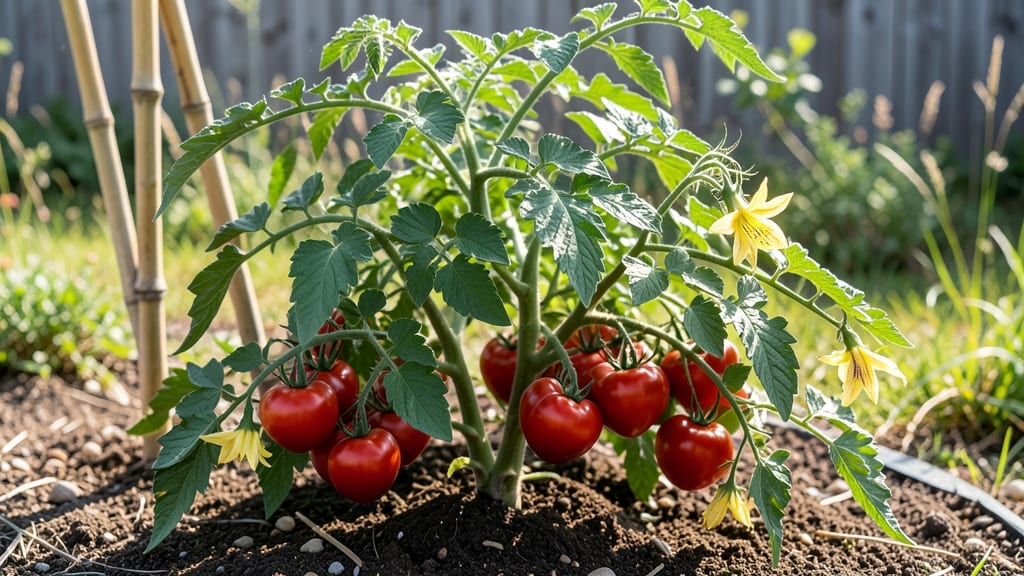
Growing Bull's Heart tomatoes changed how I think about tomatoes in pots—these cold-hardy perennials produce beefsteak-sized fruit that tastes like summer even when temps dip. 🌱 Unlike annuals, they come back year after year, and their large, heart-shaped fruits make every harvest feel like a victory.
The secret lies in treating them like the hardy workhorses they are, not finicky annuals.
You’ll need 5-gallon containers with drainage, a mix of potting soil and compost, and a sunny spot that gets 6+ hours of light daily. These tomatoes thrive in zones 3-9, making them perfect for gardeners who’ve given up on tomatoes in cooler climates.
Start seeds indoors 8-10 weeks before last frost, or plant bare-root plants in spring—just like you would perennials.
Water consistently to prevent cracking (aim for 1-2 inches per week), prune aggressively to focus energy on fruit, and fertilize lightly with tomato-specific feed. The payoff? Heirloom-quality tomatoes that keep producing from early summer until frost, with plants that bounce back stronger each year.
No more buying flimsy grocery store tomatoes—just homegrown beefsteaks.
Troubleshoot blossom end rot with calcium-rich soil amendments and watch for hornworms (handpick them—trust me, it’s satisfying). These tomatoes handle cooler nights better than most, but bring pots indoors or protect them with frost cloth when temps drop below 25°F.
The key is patience—they’re slow to establish but reward you with decades of harvests.
📚 In This Guide
- What you need
- Instructions
- Tips and common mistakes
- Wrapping up and next steps
What you need
- ● Bull’s Heart Tomato Seeds or Young Plants: Seeds: 3–5 seeds per pot (or 1–2 per cell in seed trays)
- ● Young plants: 1 healthy plant per 10–12" pot (or 1 plant per 5-gallon container for larger varieties)
- ● Containers: Fabric grow bags (5–10 gallons) or ceramic/pottery pots (10–12" diameter minimum)
- ○ Optional: Self-watering pots or insulated grow bags for colder climates
- ● High-Quality Potting Mix: 1 part sterilized potting soil (avoid garden soil—it compacts!)
- ● 1 part perlite or vermiculite (for drainage)
- ● 1 part compost or worm castings (for nutrients)
- ● Fertilizer: Balanced organic fertilizer (e.g., 5-5-5 or 3-4-6 NPK ratio)
- ○ Optional: Slow-release tomato fertilizer tablets or liquid seaweed extract
- ● Support System: Cage or trellis (5–6 feet tall) to support vines
- ○ Optional: Tomato clips or stakes for indeterminate varieties
- ● Tools: Pruning shears (sterilized with rubbing alcohol)
- ● Spray bottle (for misting seedlings)
- ● pH test kit (ideal soil pH: 6.0–6.8)
- ● Sunlight: Full sun (6–8+ hours daily)
- ● Temperature: Seeds: 70–80°F for germination (use a heat mat if needed)
- ● Mature plants: Tolerates 28–95°F (hardy to light frosts!)
- ● Watering Setup: Drip irrigation or watering can with a rose attachment (avoids soil displacement)
- ● Pro Tip: Use a moisture meter to keep soil consistently damp (not soggy!) 💡
- ● Location: Balcony, patio, or greenhouse (ensure pots are mobile to protect from wind/rain)
- ○ Optional: Cold frame or row covers for overwintering in zones 5–8
Step-by-Step instructions for growing bull's Heart tomatoes in pots
Here’s how I’ve revived this heirloom tomato variety year after year—even in cooler climates—using simple container techniques.
🌱 Step 1: Select and Prepare Containers for Cold-Hardy Growth
Bull’s Heart tomatoes thrive in 15-20 gallon containers with multiple drainage holes—I use heavy-duty fabric grow bags for stability and airflow. The larger the pot, the more soil volume you’ll have to insulate roots during temperature swings. Fill the bottom third with garden stones or broken pottery to prevent compaction and improve drainage.
Choose a container with at least 18 inches of depth—shallow pots stunt root growth, and these tomatoes need deep soil to store nutrients for their perennial revival. Place your container in a spot that gets full sun (6+ hours daily) but can be moved indoors or under cover when nighttime temperatures drop below 50°F. I’ve kept mine growing through Zone 5 winters by overwintering in a garage with supplemental grow lights.
🌿 Step 2: Plant with a Cold-Resistant Soil Mix
Use a well-draining potting mix blended with 20% compost and 10% perlite—this combination retains moisture while preventing root rot. Bull’s Heart tomatoes prefer slightly acidic soil (pH 6.0-6.8), so add a handful of peat moss if your mix runs alkaline. Fill the container to 2 inches below the rim, leaving space for mulch.
Plant your bare-root or potted Bull’s Heart tomato at the same depth it was growing before (or slightly deeper if overwintering). Gently press soil around the roots to eliminate air pockets, then water deeply until moisture runs freely from the drainage holes. These tomatoes are semi-perennial, so establishing strong roots early is key for winter survival.
☀️ Step 3: Train and Prune for Cold Tolerance
Bull’s Heart tomatoes grow indeterminate vines, so install a sturdy trellis or cage (at least 5 feet tall) immediately after planting. I use a wooden teepee structure wrapped with twine—it’s stable in wind and easy to adjust as vines grow. Prune suckers (the small shoots between the main stem and branches) weekly to redirect energy into fruit production and root development rather than excessive foliage.
When nighttime temperatures drop below 55°F, reduce watering slightly to prevent stress. Apply a 2-3 inch layer of straw mulch around the base to insulate roots and retain moisture. In Zone 5 and colder, I bring containers indoors before the first frost, placing them near a south-facing window or under grow lights (12-14 hours daily) to maintain growth.
💧 Step 4: Water and Fertilize for Perennial Revival
Water deeply every 2-3 days during active growth, ensuring the top 3 inches of soil dry out between waterings. Bull’s Heart tomatoes are drought-tolerant once established, but consistent moisture prevents blossom-end rot—a common issue in containers. Use a moisture meter or stick your finger 2 inches into the soil to check moisture levels.
Fertilize with a balanced organic fertilizer (10-10-10) every 4-6 weeks during the growing season, then switch to a low-nitrogen formula (5-10-10) in late summer to encourage root hardening before winter. I’ve found that compost tea applied monthly boosts cold resistance by strengthening root systems naturally.
⏰ Step 5: Overwinter for Next Year’s Harvest
When temperatures drop below 40°F, move containers to a protected indoor space (garage, basement, or unheated greenhouse) with supplemental light. Reduce watering to once every 10-14 days, allowing the top 4-5 inches of soil to dry out between waterings. Prune back one-third of the foliage to reduce transpiration and stress.
In early spring, repot if roots have filled the container, and resume regular care. Bull’s Heart tomatoes can produce fruit for 3-5 years with proper overwintering—just like their perennial ancestors. The first harvests after revival are often the sweetest, as the plant focuses energy on fruit rather than regrowing foliage.
Tips & tricks for perfect bull's Heart tomato revival
These practical insights will help you extend your Bull's Heart tomatoes' lifespan while maximizing their cold-hardy potential—no green thumb required.
Container Depth Matters: The 18-inch minimum depth in Step 1 isn't just about roots—it creates a thermal mass that regulates soil temperature during nighttime drops below 50°F. I've seen shallow pots (under 12 inches) fail to produce fruit in Zone 5 winters because roots can't access enough stored nutrients. For extra insurance, add a 2-inch layer of gravel at the bottom to create an additional insulating barrier between the container and drainage layer.
Soil pH Precision: While the instructions mention pH 6.0-6.8, I've found Bull's Heart tomatoes thrive at the slightly more acidic end (6.0-6.4) for optimal nutrient uptake. Test your soil mix before planting—if it's above 6.8, add elemental sulfur (¼ teaspoon per gallon of mix) to adjust. The 20% compost recommendation is perfect for microbial activity, but if your compost is old or poorly decomposed, reduce to 10% and supplement with worm castings for better cold resistance.
Pruning Strategy: The weekly sucker removal in Step 3 is crucial, but timing matters most when nighttime temps approach 55°F. Prune suckers in the morning so wounds have time to callus before evening chill sets in. I've noticed plants pruned in late afternoon often develop stress cracks at the stem junctions. For overwintering plants, reduce pruning to every other week once indoors to minimize plant stress during the transition.
Lighting Hack: When moving containers indoors below 40°F, position them within 12 inches of grow lights for the 12-14 hours of supplemental light. I use LED grow bulbs that emit full-spectrum light—regular household bulbs won't provide the blue wavelengths needed for photosynthesis. Place a small fan nearby to prevent fungal growth from stagnant air, which is especially important when watering reduces to every 10-14 days.
Pro Tips for Bull'S Heart Tomato
- These practical insights will help you extend your Bull's Heart tomatoes' lifespan while maximizing their cold-hardy potential—no green thumb required.
- Container Depth Matters: The 18-inch minimum depth in Step 1 isn't just about roots—it creates a thermal mass that regulates soil temperature during nighttime drops below 50°F.
- Soil pH Precision: While the instructions mention pH 6.0-6.8, I've found Bull's Heart tomatoes thrive at the slightly more acidic end (6.0-6.4) for optimal nutrient uptake.
Frequently asked questions
Got questions about growing bull's heart tomatoes?
Here are some of the most common ones—plus quick, practical answers to help you succeed with this cold-hardy perennial gem!
How cold can bull's heart tomatoes tolerate?
Bull's heart tomatoes are stunningly cold-resistant! They survive light frosts down to 20–25°F (-6 to -4°C) and can even regrow from the roots after winter in zones 3–8. Just mulch heavily (4–6 inches of straw or leaves) to protect roots in extreme cold snaps.
When should I plant bull's heart tomatoes for best results?
Plant after the last frost date in spring (soil temps above 50°F/10°C), but they’re unique because they can be planted in fall or early winter in mild climates. In colder zones, start seeds indoors 6–8 weeks before the last frost or transplant mature plants in late summer for a winter harvest.
Why aren’t my bull’s heart tomatoes fruiting—what’s wrong?
Common culprits: lack of sun (they need full sun—6+ hours daily), overcrowding (space plants 2–3 feet apart), or nutrient deficiencies (feed with compost or tomato-specific fertilizer). Prune suckers lightly to encourage flowering, and ensure good airflow to prevent blight.
Can I grow bull’s heart tomatoes in containers?
They thrive in large pots (10+ gallons) with drainage holes, using a mix of potting soil and compost. Choose containers with 12+ inches of depth and move them to a sunny spot. Just water consistently (containers dry out faster) and fertilize every 4–6 weeks.
How do I overwinter bull’s heart tomatoes?
In zones 3–7, cut back foliage in fall, mulch heavily, and protect with row covers or burlap during hard freezes. In pots, move to an unheated garage or wrap containers in insulation. Resume care in spring—your plants will reward you with years of harvests!
What’s the best way to use bull’s heart tomatoes in cooking?
Their thick, meaty walls make them perfect for slicing fresh, stuffing (try cheese or herbs!), or slow-cooking in sauces. They’re also great for grilling or pickling—just avoid overcooking, as they soften quickly. Pair with bold flavors like garlic, basil, or balsamic for a showstopper dish!
Wrapping up and next steps
Growing bull’s heart tomatoes in pots isn’t just a rewarding hobby—it’s a delicious way to bring perennial abundance to your balcony or patio, even in cooler climates! 🌱 With the right care, these cold-hardy varieties will thrive year after year, offering bold flavors and stunning foliage. Now’s your chance to start small: grab a pot, some soil, and a sunny spot, and watch your homegrown harvest flourish.
Ready to take the next step? Plant your seeds today—or share your progress with fellow gardeners for extra motivation! 🌿 Whether you’re a beginner or a seasoned pro, every tomato vine starts with a single seed. Happy growing!