
Vegetables
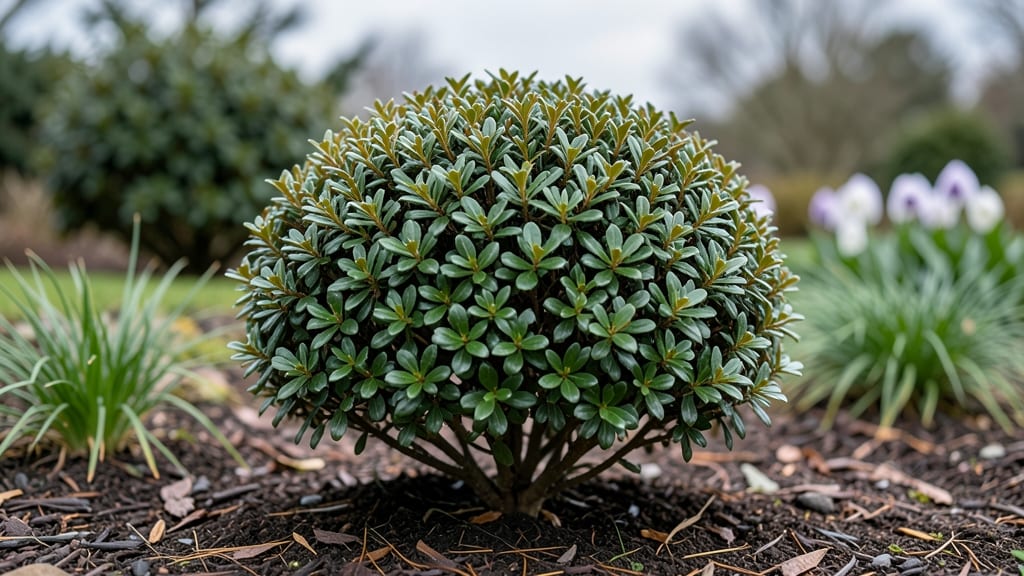
Your Buxus koreana 'Winter Gem' thrives where other shrubs fail—through frost and snow. ✨ This compact beauty stays lush all winter with its golden-tipped foliage, making it the perfect container star for patios or entryways.
Unlike finicky boxwoods, 'Winter Gem' handles cold snaps like a champ, so you won’t need to fuss over winter wraps or mulch mountains. The secret to its success? Well-draining soil mixed with compost, bright but indirect light, and watering just enough to keep the roots happy—not soggy.
Overwatering is the fastest way to turn its glossy leaves dull, so let the top inch dry out between drinks. Prune lightly after flowering to maintain that neat, rounded shape, and you’ll have a shrub that looks polished year-round.
By spring, you’ll notice fresh growth at the tips, and those golden edges will brighten up even the grayest winter days. The best part? It stays under 3 feet tall, so it’s perfect for small spaces, balconies, or as a striking centerpiece.
Just avoid heavy pruning—this shrub prefers a natural, tidy look over a sheared hedge. Works in zones 5-8, making it versatile for cool climates. Once established, it’s nearly maintenance-free—just feed it a light dose of fertilizer in early spring. Here’s how to keep it thriving!
📚 In This Guide
- What you need
- Instructions
- Tips and common mistakes
- Wrapping up and next steps
What you need
- ● Buxus koreana 'Winter Gem' plants: 3–5 young plants (3–5 inches tall) for a lush, full container. Choose healthy specimens with vibrant green foliage.
- ● Container: 1 large, well-draining pot (18–24 inches wide) with drainage holes. Pro tip: Terracotta or ceramic pots help regulate moisture!
- ○ Optional upgrade: A cache pot (outer pot with a saucer) to protect roots from extreme cold.
- ● High-quality potting mix: 3–5 gallons of a well-draining blend (e.g., 60% inorganic matter like perlite/pumice + 40% organic matter like peat moss or coco coir). ⚠️ Avoid garden soil—it compacts and suffocates roots!
- ● Slow-release fertilizer: 1 cup of balanced, organic fertilizer (10-10-10 or 5-5-5 NPK ratio) mixed into the soil at planting.
- ● Pruning shears: Sharp, clean shears (sterilized with rubbing alcohol) for shaping and maintenance.
- ● Watering can or hose with a gentle spray nozzle: For even, thorough hydration without damaging delicate foliage.
- ● Mulch: 1–2 inches of pine bark fines or shredded leaves to insulate roots in winter.
- ● Buxus-specific fertilizer: A low-nitrogen, iron-rich formula (e.g., 5-3-3) for vibrant foliage.
- ● Container saucer or tray: To catch runoff and prevent soil erosion.
- ● Frost cloth or bubble wrap: For extra winter protection in Zone 6 or colder.
- ● pH test kit: To ensure soil stays in the slightly acidic range (6.0–6.5)—ideal for Buxus.
Step-by-step instructions for cultivating Buxus koreana Winter Gem in containers
Here's how to grow these stunning, cold-hardy shrubs with lush, golden foliage that thrives even in winter's chill.
🪴 Step 1: Select the Right Containers and Drainage
Choose 12-15 inch diameter containers with drainage holes—these plants hate soggy roots. I prefer terracotta pots because they wick away excess moisture naturally. Place a 2-inch layer of gravel or expanded clay pebbles in the bottom to improve drainage and prevent compaction.
For 4 plants, you'll need four containers. The larger the pot, the longer you can delay repotting—just ensure it's at least 18 inches deep for mature growth. If using decorative cache pots, place them inside nursery pots with drainage holes to protect your plants from waterlogged soil.
🌱 Step 2: Prepare the Soil Mix for Optimal Growth
Fill each container with a blend of 50% high-quality potting mix and 50% coarse sand or perlite. This mix ensures excellent drainage while retaining enough moisture for the plant's shallow roots. I always add a handful of slow-release fertilizer to the bottom layer to give the roots a nutrient boost as they establish.
Moisten the mix thoroughly until it's damp but not soggy—you should be able to squeeze a handful and have it hold together without dripping. Avoid using garden soil; it compacts easily and can introduce pests or diseases. The goal is a light, airy mix that mimics the well-draining conditions these plants love in their native Korean forests.
☀️ Step 3: Plant and Position for Year-Round Beauty
Remove the plant from its nursery pot and gently loosen the roots if they're circling. Place it in the center of your container, ensuring the top of the root ball sits 1 inch below the rim. Fill the sides with your prepared soil mix, pressing lightly to eliminate air pockets. Water immediately after planting to settle the soil and remove any air gaps.
Position your containers in a spot with partial shade to full sun. While Winter Gem Buxus tolerates full sun, too much direct afternoon heat can scorch the delicate golden foliage. In hot climates, provide afternoon shade, especially during the summer months. This is where their cold-hardiness really shines—they'll thrive in USDA Zones 5-8, making them perfect for container growing in colder regions.
💧 Step 4: Water and Maintain for Lush, Frost-Proof Foliage
Water when the top inch of soil feels dry to the touch. These plants prefer consistent moisture but will tolerate brief dry spells. I use a watering can with a narrow spout to direct water to the base, avoiding the foliage to prevent fungal diseases. In winter, reduce watering significantly—only water when the soil is completely dry, as cold temperatures slow water evaporation.
Fertilize every 6-8 weeks during the growing season with a balanced, slow-release fertilizer. You'll notice the vibrant golden foliage intensify with proper feeding. Prune in late winter or early spring to shape the plant and encourage dense growth. Simply snip back any leggy stems or overgrown areas with clean, sharp shears—this keeps the plant compact and bushy, which is key to that elegant, manicured look.
✂️ Step 5: Prepare for Winter and Encourage Year-Round Growth
Winter Gem Buxus are remarkably cold-hardy, but a little extra care ensures they thrive through the season. Move containers to a sheltered location if you experience below 0°F temperatures, or wrap them in burlap for added protection. The golden foliage actually looks stunning dusted with frost, but the roots appreciate some insulation from extreme cold.
In late winter, as new growth begins, you might notice some browning on older leaves. This is normal—simply trim away any damaged foliage to make room for fresh, vibrant growth. With proper care, your Winter Gem Buxus will reward you with lush, golden foliage that stays beautiful year-round, making them the perfect container plant for frost-proof elegance.
Tips & tricks for perfect Buxus koreana Winter Gem cultivation
These little-known tricks will help you coax the most vibrant golden foliage from your Winter Gem Buxus—no matter how chilly your climate gets!
Container Material Matters: While terracotta is ideal, plastic containers work too—but they trap moisture longer. If using plastic, add an extra ½-inch layer of gravel at the bottom to prevent root rot. I've found that containers with built-in saucers also help catch excess water, which is especially helpful in humid climates where Winter Gems can develop fungal issues. The key is preventing soggy roots while maintaining consistent moisture.
Soil Mix Secret: The 50/50 blend of potting mix and coarse sand is non-negotiable, but here's the pro move: add a handful of leaf mold to your mix. This organic matter mimics the forest floor conditions where Winter Gems thrive naturally, improving moisture retention without compacting. If you can't find leaf mold, finely shredded pine bark works as a substitute—just mix it in thoroughly before planting.
Winter Protection Hacks: When temperatures drop below 0°F, move your containers to a sheltered spot like a covered porch or garage. For extra insulation, wrap the pots in burlap before moving them—this creates a microclimate that protects roots from extreme cold. I've seen Winter Gems survive -10°F with this method, though their foliage might get frost-kissed but bounces back beautifully in spring.
Pruning Timing: Late winter pruning (just before new growth appears) is perfect for shaping, but here's what nobody tells you: trim just above a leaf node where you want new growth to emerge. This encourages bushier, denser foliage that maintains that prized golden hue. Use clean, sharp shears and make cuts at a 45-degree angle to prevent water from pooling on the cut surface, which could lead to rot.
Pro Tips for Buxus Koreana Winter Gem
- These little-known tricks will help you coax the most vibrant golden foliage from your Winter Gem Buxus—no matter how chilly your climate gets!
- Container Material Matters: While terracotta is ideal, plastic containers work too—but they trap moisture longer.
- Soil Mix Secret: The 50/50 blend of potting mix and coarse sand is non-negotiable, but here's the pro move: add a handful of leaf mold to your mix.
Frequently asked questions
Got questions about growing Buxus koreana 'Winter Gem' in containers? You’re not alone!
Here are the most common queries—and their answers—to help you cultivate this frost-resistant beauty with confidence.
Is Buxus koreana 'Winter Gem' truly winter-hardy in containers?
Winter Gem is one of the hardiest boxwoods, tolerating temperatures down to -25°F (-31°C). However, container-grown plants may need extra protection in extreme cold. Use insulating wraps or move pots to a sheltered spot (like against a south-facing wall) to prevent frost heave. Mulch the soil with straw or bark for added warmth.
How long does it take for Winter Gem to mature in a container?
This slow-growing shrub typically reaches 1–2 feet tall and wide per year in ideal conditions. To achieve a 3–4 foot mature size (common for container plants), expect 3–5 years of growth. Prune lightly in late spring to encourage bushiness without stunting progress.
Can I grow Winter Gem in a small pot, or does it need deep containers?
While Winter Gem thrives in 5–7 gallon containers, it can adapt to smaller pots (3–5 gallons) if pruned regularly. Drainage is critical—use pots with holes and a mix of 50% potting soil, 30% perlite, and 20% compost. Roots need space to breathe, so avoid cramped pots that restrict growth.
Why are the leaves turning brown in winter, even though it’s supposed to be cold-hardy?
Brown leaves in winter are often due to dry air, windburn, or winter desiccation—not frost damage. To prevent this:
- Mist leaves occasionally on mild days.
- Apply an anti-desiccant spray (like Wilt-Pruf) before cold snaps.
- Position containers away from harsh winds or use burlap wraps.
What’s a good alternative if Winter Gem is hard to find?
If you’re struggling to locate Winter Gem, try these cold-tolerant boxwood alternatives for containers:
- Buxus microphylla 'Green Velvet' – Dwarf variety, great for small pots.
- Buxus sempervirens 'Suffruticosa' – Classic boxwood with excellent cold resistance.
- Pachysandra terminalis – Shade-loving ground cover for underplanting.
Wrapping up and next steps
Growing Buxus koreana 'Winter Gem' is a rewarding way to bring structured elegance and resilience to your container garden—even in chilly climates! 🌿 With the right soil, sunlight, and care, this frost-tolerant shrub will thrive, offering year-round greenery with its stunning variegated foliage.
Whether you're a seasoned gardener or just starting, this Winter Gem is your perfect low-maintenance companion.
Ready to elevate your space? Start small: pick a pot, gather your supplies, and plant your 'Winter Gem' today! Watch it grow into a stunning focal point—your future garden will thank you. 🌟