
Vegetables
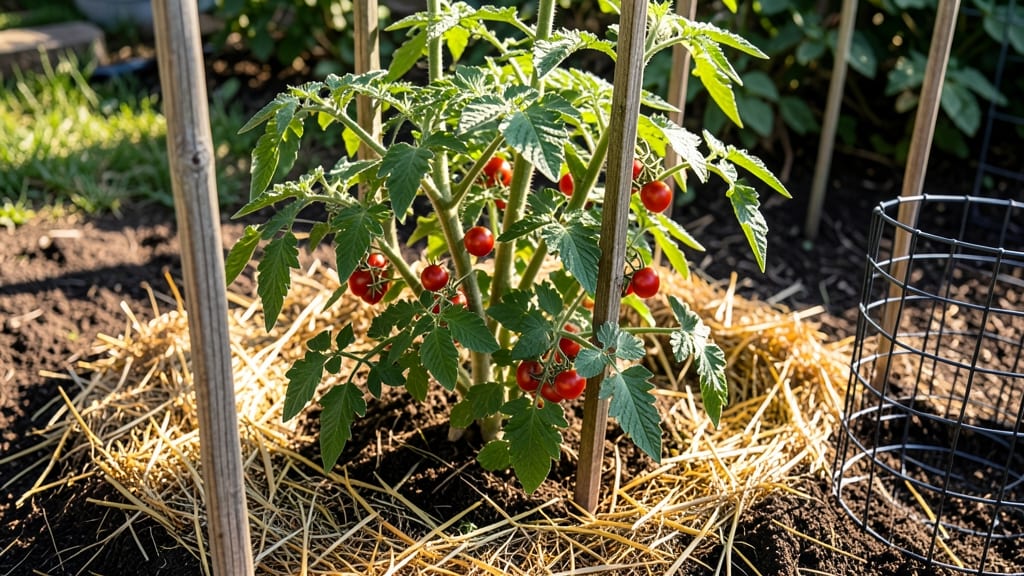
Growing Cherry Bomb tomatoes feels like cheating—striped vines packed with 1-inch red-orange jewels that burst with flavor. 🌱 These aren’t your average cherry tomatoes; they’re the high-yielding, disease-resistant workhorses that outperform heirlooms in heat and humidity.
My first harvest had me reaching for the scissors every other day, and the neighbors started asking for starts. The secret to their success? Rich, well-draining soil mixed with compost, 6-8 hours of sunlight daily, and consistent watering at the base (never the leaves).
They thrive in containers or in-ground beds, and their compact growth makes them perfect for small spaces or trellises. The real magic happens when you let them climb—vines can reach 4-5 feet, producing hundreds of tomatoes per plant.
You’ll know you’re doing it right when clusters of fruit form like red-orange fireworks. The flavor? Sweet with a tangy kick, perfect for snacking straight off the vine or in salads.
Prune suckers regularly to focus energy on fruit production, and watch your harvest stretch from late summer through frost. Don’t let their bold stripes fool you—these tomatoes are tougher than they look. Here’s how to keep them thriving all season long.
📚 In This Guide
- What you need
- Instructions
- Tips and common mistakes
- Wrapping up and next steps
What you need
- ● Cherry Bomb tomato seeds – 5–10 seeds (or 2–3 plants if buying starts). Look for Solanum lycopersicum ‘Cherry Bomb’ or similar striped varieties.
- ● Seed-starting mix – 1–2 gallons of sterile, well-draining potting soil (avoid garden soil—it’s too dense!).
- ● Grow containers or garden beds – Containers: 5-gallon pots or larger (with drainage holes). Garden beds: Full sun (6+ hours/day) and loose, fertile soil (pH 6.0–6.8).
- ● Fertilizer – Balanced, slow-release granular fertilizer (10-10-10) or organic compost (e.g., worm castings or aged manure).
- ● Watering can or hose with a gentle spray nozzle – Keep soil consistently moist but not soggy.
- ● Plant supports – 4–6 ft tall stakes, cages, or trellises (Cherry Bombs grow 4–5 ft tall!).
- ● Pruning shears – For shaping vines and removing suckers.
- ● Grow lights (for indoor seed starting).
- ● Mulch (straw or black plastic) to retain moisture and suppress weeds.
- ● Tomato cages with built-in stakes for extra stability.
- ● Plant markers or flags to track varieties.
- ● Drip irrigation system for automated watering.
- ● Epsom salt (1 tbsp per plant monthly) for magnesium boosts.
Step-by-step instructions for growing Cherry Bomb tomatoes
Here's how I grow these showstopping striped tomatoes—packed with flavor and disease resistance.
🌱 Step 1: Start Seeds Indoors 8-10 Weeks Before Last Frost
Fill 2-3 inch deep seed trays with sterile seed-starting mix—never garden soil, as it can harbor diseases that will attack your seedlings. Moisten the mix until it feels like a damp sponge, then press it down lightly to remove air pockets. Cherry Bombs germinate best at 75-85°F, so place the tray on a seedling heat mat if your home runs cooler.
Plant 2-3 seeds per cell at a depth of 1/4 inch, just below the surface. Cover lightly with additional mix and mist gently with water until the soil looks evenly moist. Label each tray with the variety and date—those striped vines will emerge in 7-10 days if conditions are ideal.
☀️ Step 2: Provide Light and Thin Seedlings After Germination
The instant those first true leaves appear (not the initial cotyledons), move seedlings under a grow light positioned 2-4 inches above them. Cherry Bombs need 14-16 hours of light daily to prevent leggy growth. You'll know your light setup is working when seedlings develop thick stems and dark green leaves spaced closely together.
Once seedlings reach 2 inches tall, thin to the strongest plant per cell. Use small scissors to snip the weaker stems at soil level—don't pull, as this can disturb roots. Water gently from the bottom to avoid disturbing the remaining seedlings.
🪴 Step 3: Harden Off and Transplant After All Frost Risk Passes
Two weeks before your last frost date, begin hardening off by placing seedlings outside in a sheltered spot for 1-2 hours the first day. Gradually increase their outdoor time by 1 hour daily until they can handle a full day in the garden. Cherry Bombs are sensitive to temperature swings, so avoid transplanting when nighttime temps dip below 50°F.
Choose a location with full sun (6-8 hours daily) and well-draining soil. Dig holes twice as wide as the root ball but no deeper. Space plants 24-36 inches apart—these vines grow vigorous and need room to sprawl. Water deeply after transplanting to settle the soil around roots.
✂️ Step 4: Prune and Support Vines for Maximum Fruit Production
Install sturdy cages or stakes at planting time—Cherry Bombs can reach 4-5 feet tall and need support. Prune suckers (the small shoots that form in the leaf axils) regularly to direct energy into fruit production. Remove any leaves that touch the soil to prevent disease.
When vines reach 3 feet tall, pinch off the growing tips to encourage bushier growth. This creates more fruiting sites and prevents the plant from becoming top-heavy. You'll see clusters of those signature striped tomatoes forming along the main stems within 6-8 weeks after transplanting.
💧 Step 5: Water and Fertilize for Continuous Harvests
Water at the base of the plant 1-2 inches per week, keeping soil consistently moist but never soggy. Cherry Bombs are drought-sensitive—their fruit will crack if moisture fluctuates dramatically. Mulch with 2-3 inches of organic matter to retain soil moisture and regulate temperature.
Fertilize every 3-4 weeks with a balanced organic fertilizer (10-10-10) once flowers appear. You'll know your plants are thriving when they produce continuous flushes of striped fruit from early summer through fall. Harvest when tomatoes turn fully red and yield slightly to gentle pressure.
Tips & tricks for growing stunning striped cherry tomatoes
These game-changing insights will help you coax the most vibrant, productive Cherry Bomb plants from seed to harvest.
Germination Environment: The 75-85°F temperature range for germination is non-negotiable—any cooler and your seeds may take weeks to sprout. Place your seed trays on a heating mat or in a warm spot like on top of your fridge. I've seen germination times stretch to 21 days when temps dip below 70°F, so don't cut corners here. The sterile seed-starting mix is crucial too—regular garden soil contains pathogens that can kill delicate seedlings before they even emerge.
Lighting Strategy: That 14-16 hours of daily light requirement is where most beginners stumble. If your seedlings start stretching toward the light (a condition called etiolation), you're not providing enough. Invest in a quality LED grow light—it's more energy-efficient than fluorescent bulbs and won't overheat your seedlings. Position it just 2-4 inches above the plants and adjust as they grow. You'll notice the difference immediately in stocky stems and dark green leaves.
Transplanting Timing: The two-week hardening off period is your plant's boot camp for outdoor survival. Start with just 1-2 hours on day one in a sheltered spot, then gradually increase exposure. I've made the mistake of rushing this process, only to have my plants wilt dramatically when transplanted. Cherry Bombs are particularly sensitive to temperature swings—never transplant when nighttime temps dip below 50°F, even if your daytime highs are warm.
Pruning Precision: When those vines reach 3 feet tall, pinching off the growing tips might seem counterintuitive, but it's what transforms leggy plants into bushy, productive machines. This technique creates more lateral branches where fruit clusters form. I recommend doing this on a dry morning when the plants are fully turgid—you'll see the difference in fruit production within just 6-8 weeks after transplanting.
Pro Tips for Cherry Bomb Tomatoes
- These game-changing insights will help you coax the most vibrant, productive Cherry Bomb plants from seed to harvest.
- Germination Environment: The 75-85°F temperature range for germination is non-negotiable—any cooler and your seeds may take weeks to sprout.
- Lighting Strategy: That 14-16 hours of daily light requirement is where most beginners stumble.
Frequently asked questions
Got questions about growing cherry bomb tomatoes?
You’re not alone! Here are answers to the most common queries—from curious gardeners to seasoned growers.
What’s the best time to plant cherry bomb tomato seeds?
Start seeds indoors 6–8 weeks before your last frost date (around March–April in most zones). Transplant seedlings outdoors after soil warms to 55°F+ and nighttime temps stay above 50°F. Cherry Bombs thrive in warm weather, so avoid early spring planting—they’re sensitive to cold snaps.
How long does it take for cherry bomb tomatoes to produce fruit?
Expect 60–70 days from transplant to your first ripe cherry tomatoes. With consistent care (water, fertilizer, and pruning), you’ll see a steady harvest for weeks—sometimes even until frost! Patience pays off, but don’t skip staking or support early on to avoid delays.
Can I grow cherry bomb tomatoes in containers?
Cherry Bombs are compact and bushy, making them perfect for 5-gallon pots or larger containers (at least 12" deep). Use well-draining soil, a balanced fertilizer, and a cage or trellis to support vines. Just ensure pots get 6+ hours of sunlight daily and water consistently—containers dry out faster.
What pests or diseases should I watch for with cherry bomb tomatoes?
Cherry Bombs are resistant to many issues, but keep an eye out for:
- Blossom end rot: Caused by calcium deficiency or uneven watering. Fix with crushed eggshells or calcium spray.
- Hornworms: These striped caterpillars love tomato leaves. Handpick them or use BT (Bacillus thuringiensis) spray.
- Fungal diseases (like early blight): Improve airflow with pruning and avoid overhead watering.
Are cherry bomb tomatoes sweeter than regular heirlooms?
Yes! Cherry Bombs pack intense sweetness with a tangy, bright flavor—often more concentrated than heirlooms. Their red-and-yellow stripes aren’t just pretty; they signal a higher sugar content. Perfect for snacking, salads, or salsas! Plus, they’re less watery than some heirlooms when cooked.
Wrapping up and next steps
Growing Cherry Bomb tomatoes is a rewarding journey that brings bold flavors and stunning visuals to your garden! Their vibrant stripes, disease resistance, and high yield make them a standout choice for both beginners and seasoned gardeners.
Whether you're aiming for a bountiful harvest or just adding a pop of color to your patio, these tomatoes prove that growing delicious produce can be both fun and easy.
Ready to dive in? Start by gathering your supplies, choosing the perfect spot, and giving these striped beauties the care they deserve. Happy planting—and enjoy those sweet, juicy rewards! 🍅✨