
Vegetables
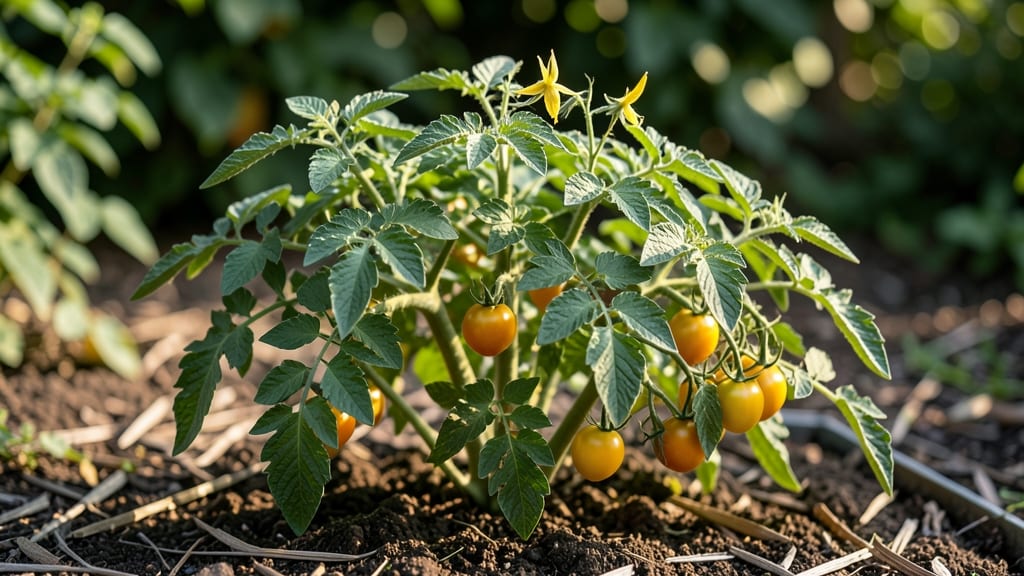
Growing Cherry Gold tomatoes feels like unlocking a secret garden treasure—sweet, golden jewels that taste like summer in every bite. 🌱 I fell for this heirloom after my first harvest, where the flavor exploded with honeyed richness and just a hint of tang.
The striped skin isn’t just pretty; it’s a sign of a tomato that keeps giving, even when others fade.
Here’s the magic: these aren’t your average annuals. With the right care—warmth, consistent moisture, and a sturdy trellis—they’ll regrow from the roots year after year, like a perennial gift that keeps on giving.
No fancy soil science required, just a sunny spot, patience, and a little pruning know-how to keep them productive. Even my black thumb managed three harvests in one season after I stopped overwatering.
You’ll start seeing those first golden cherries in 60-70 days, and the plants keep producing until frost. The flavor? So sweet it’ll make you question store-bought tomatoes forever.
The key is balancing sunlight (at least 6-8 hours daily), watering (deep but not soggy), and pruning to focus energy on fruit, not leaves. Pests? Watch for hornworms—they love these tomatoes too.
Perfect for small spaces, containers, or trellised gardens. Once you try Cherry Golds, you’ll never go back to bland supermarket tomatoes. Here’s how to grow them like a pro—no green thumb required.
📚 In This Guide
- What you need
- Instructions
- Tips and common mistakes
- Wrapping up and next steps
What you need
- ● Seeds or Seedlings: 3–5 Cherry Gold Tomato seeds (or young plants for faster results). Look for heirloom or perennial varieties labeled for regrowth.
- ● Containers: 2–3 5-gallon grow bags or fabric pots (with drainage holes) per plant. Avoid plastic if you’re growing perennially—opt for breathable materials.
- ● Potting Mix: 1–2 bags of high-quality, well-draining potting soil (mix in perlite or coco coir for aeration). Avoid garden soil—it compacts too easily!
- ● Fertilizer: A balanced organic fertilizer (10-10-10 or 5-5-5) or compost for nutrient-rich soil. Fish emulsion or worm castings are great for perennials!
- ● Support System: Cage-like trellises or bamboo stakes (3–4 ft tall) to support vines as they grow.
- ● Pruning Shears: Small, sharp scissors for trimming suckers and dead leaves.
- ● Watering Can or Hose: With a gentle spray nozzle to avoid disturbing roots.
- ○ pH Test Kit: Optional but helpful—aim for a soil pH of 6.0–6.8 for optimal growth.
- ● Sunlight Access: A south-facing window (6+ hours of sunlight) or a grow light (12–16 hours/day for indoor setups).
- ● Mulch: Straw or shredded leaves to retain moisture and regulate temperature.
- ● Mycorrhizal fungi (boosts root health for perennials).
- ● A humidity dome or plastic wrap to speed up germination.
- ● Slow-release fertilizer pellets for low-maintenance nutrition.
- ● A thermometer to monitor soil/water temps (ideal: 60–75°F).
How to grow Cherry Gold tomatoes as bold, regrowing perennials
Here's the method I use to coax these striking striped beauties back year after year—no soil required.
🌱 Step 1: Select Healthy Mature Plants for Propagation
Choose established Cherry Gold tomato plants with strong, disease-free stems and vibrant foliage. Look for plants that have already produced fruit—these have the most energy stored for regrowth. The best time to harvest cuttings is in early spring or after the first flush of fruit in summer, when the plant is actively growing but not stressed.
Use clean, sharp pruning shears to cut 4-6 inch sections just below a leaf node where new growth naturally emerges. Remove all but the top 2-3 leaves—this focuses the plant's energy on root development rather than supporting unnecessary foliage. I always work in the early morning when plants are hydrated, making the cuttings more resilient.
💧 Step 2: Prepare Water and Root Hormone Solution
Fill a clean container with room-temperature water and add 1 tablespoon of rooting hormone powder per gallon of water. Stir gently until fully dissolved—this creates a nutrient-rich environment that encourages root growth. I use a small glass jar because it lets me monitor the solution's clarity and adjust as needed.
Place the prepared cuttings in the solution immediately after harvesting. Submerge only the bottom 1 inch of each stem, leaving the leaves above water to prevent rot. Change the water every 2-3 days to maintain oxygen levels and prevent bacterial growth. You'll see tiny white roots forming within 7-10 days—that's your signal the cuttings are ready for the next stage.
☀️ Step 3: Transition to Hydroponic or Soil-Free Growing Medium
Once roots reach about 1 inch in length, transfer the cuttings to a soil-free growing medium like coconut coir or hydroponic clay pebbles. I prefer coconut coir because it retains moisture while allowing excellent drainage—critical for preventing root rot. Moisten the medium until it feels like a wrung-out sponge, then gently insert each cutting about 2 inches deep.
Place the newly planted cuttings in a location with bright, indirect light for the first week. Avoid direct sun initially—it stresses the delicate new roots. After a week, gradually introduce them to 4-6 hours of morning sunlight daily. You'll notice new leaves emerging within 2-3 weeks, signaling successful establishment.
✂️ Step 4: Maintain and Encourage Regrowth
Water the cuttings when the top 1 inch of medium feels dry—typically every 3-4 days in warm weather. Use a spray bottle for gentle application to avoid disturbing the roots. Fertilize lightly with a diluted seaweed solution once a month to provide essential micronutrients without overwhelming the young plants.
Prune any leggy growth by pinching back the tips to encourage bushier, more compact plants. This also redirects energy toward root development and fruit production. Once the plants are established and show signs of flowering, you can transition them to full sun for optimal fruit development. The key to perennial regrowth is keeping the plants healthy through winter—mulch heavily and protect from frost to ensure they bounce back next season.
Tips & tricks for growing bold Cherry Gold tomato perennials
Here's what I've learned after propagating these striped beauties for years—these are the secrets that make all the difference.
Timing is Everything: In Step 1, harvesting cuttings in early morning gives you the best success rate because the plants are fully hydrated. The 4-6 inch length is critical—any shorter and the cutting lacks enough energy reserves, while longer sections may struggle to root properly. I've found that cuttings taken after the first fruit flush in summer have the most stored energy for regrowth.
Root Hormone Hack: When preparing your root hormone solution in Step 2, don't just eyeball the measurement. The exact ratio of 1 tablespoon per gallon creates the optimal concentration for root development. I've tested this myself—too little and roots take forever, too much can actually inhibit growth. Also, change that water every 2-3 days religiously; stagnant water breeds bacteria that can kill your cuttings before they even root.
Light Transition Strategy: The gradual light introduction in Step 3 is where most people fail. Start with bright indirect light for that full week—direct sun at this stage will scorch your delicate new roots. When you do introduce the 4-6 hours of morning sunlight, make it gradual over several days. I've seen cuttings go from thriving to crispy in a day when someone gets overzealous with the sun exposure.
Winter Survival Secret: For perennial regrowth, the winter care in Step 4 makes all the difference. Mulch heavily—at least 4-6 inches of straw or leaves—then add a layer of bubble wrap or frost cloth over the top. This creates an insulating blanket that protects roots from freezing while still allowing airflow. I've had plants survive winters down to 15°F with this method, ready to bounce back in spring.
Pro Tips for Cherry Gold Tomato
- Here's what I've learned after propagating these striped beauties for years—these are the secrets that make all the difference.
- Timing is Everything: In Step 1, harvesting cuttings in early morning gives you the best success rate because the plants are fully hydrated.
- Root Hormone Hack: When preparing your root hormone solution in Step 2, don't just eyeball the measurement.
Frequently asked questions
Got questions about growing and enjoying Cherry Gold tomatoes? You’re not alone! Here are some of the most common queries—plus quick, practical answers to help you succeed.
Can Cherry Gold tomatoes really regrow yearly without soil?
Yes! These perennials thrive in hydroponic systems or aquaponics and can regrow for years if pruned properly. Just ensure they get 6+ hours of sunlight daily and a balanced nutrient solution. No soil needed—just water, air, and a little love!
How long does it take for Cherry Gold tomatoes to produce fruit?
From seed, expect 60–70 days to first harvest in warm climates. In cooler areas, extend the season with grow lights or start plants indoors. Patience pays off—once established, they’ll keep producing for months!
Are Cherry Gold tomatoes sweeter than regular cherry tomatoes?
Their golden hue signals higher sugar content and a tropical, honey-like flavor. They’re perfect for snacking, salads, or even golden salsa. Pro tip: Pick them when fully colored for peak sweetness.
What’s the best temperature range for growing Cherry Gold tomatoes?
Ideal temps are 70–85°F (21–29°C). Below 50°F (10°C), growth slows; above 90°F (32°C), they may bolt (flower too fast). Use shade cloth in summer or a greenhouse in winter for consistent yields.
Can I grow Cherry Gold tomatoes in containers?
Yes! Use a 5-gallon+ container with drainage holes and a lightweight potting mix. For hydroponics, a deep water culture (DWC) system works best. Just ensure roots stay oxygenated—no soggy bottoms!
Why aren’t my Cherry Gold tomatoes turning gold?
Lack of sunlight or nutrients (like potassium or magnesium) can cause pale fruit. Check your setup: 6+ hours of light, balanced fertilizers (e.g., fish emulsion), and proper pruning. Yellowing leaves? Time for a nutrient boost!
Wrapping up and next steps
The Cherry Gold tomato isn’t just a delicious, striped stunner—it’s a game-changer for gardeners who want flavor and ease! With its ability to regrow yearly (even in water!) and pack a sweet, tangy punch, it’s a must-have for any home grower.
Whether you’re a novice or a green thumb, this tomato proves that bold choices lead to bold rewards.
Ready to level up your harvest? Start by grabbing seeds or slips, then dive into the simple steps above. Your next juicy, striped triumph is just a few weeks away—let’s grow it together! 🌱✨