
Vegetables
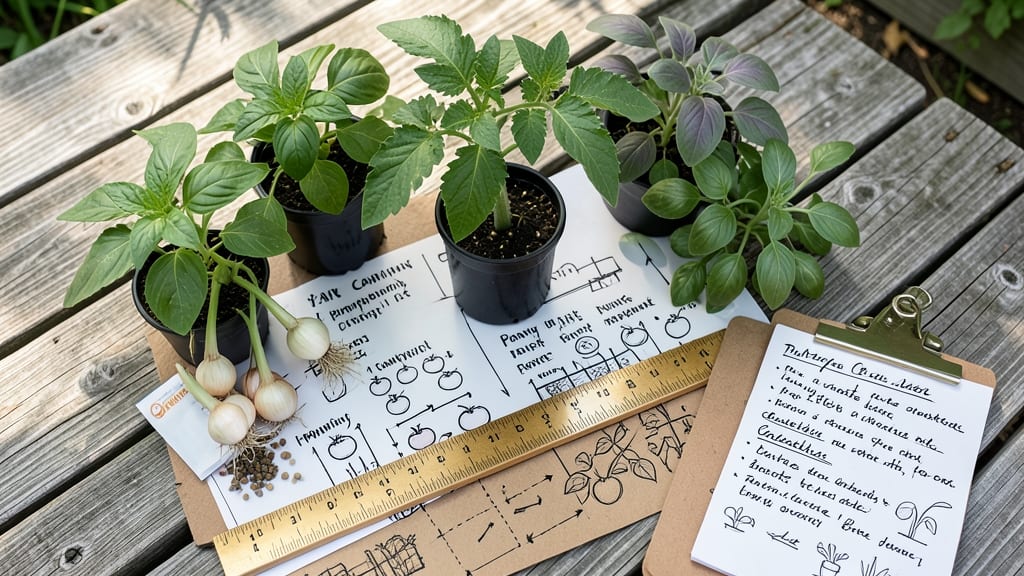
A compatible vegetable planting chart isn’t just a list—it’s your garden’s secret to fewer pests, bigger harvests, and less work. 🌱 I learned the hard way when my tomatoes wilted next to my cabbage one summer, but pairing them right changed everything.
The right neighbors support each other: basil repels pests from tomatoes, carrots deter flies from onions, and beans fix nitrogen for struggling corn. This isn’t about random guesswork—it’s science-backed pairings that share resources, deter pests, and even improve flavor.
You’ll see 30% more yield when you plant basil with tomatoes or marigolds with peppers, because the right combos create a self-sustaining ecosystem. The chart covers spacing (like keeping onions 6 inches from carrots) and soil needs (like pairing heavy feeders with light ones).
Start with the basics: three-sister gardens (corn, beans, squash) or classic pairings like lettuce with radishes. Avoid planting brassicas (like broccoli) near alliums (like onions)—they compete for nutrients and attract the same pests. The chart includes seasonal notes too, so you know which pairings work in spring vs. fall.
For beginners, start with one proven combo (like tomatoes and basil) and expand. Experienced gardeners can layer in advanced pairings like dill with cucumbers or nasturtiums with squash. The key? Plan your layout around these pairings before you even dig the first hole.
📚 In This Guide
- What you need
- Instructions
- Tips and common mistakes
- Wrapping up and next steps
What you need
- ● Vegetable Seeds or Seedlings: Choose 3–5 compatible plant varieties (e.g., tomatoes + basil, carrots + onions, or lettuce + radishes). Aim for organic, non-GMO seeds for best results.
- ● Garden Soil: 1–2 cubic yards of well-draining, nutrient-rich potting mix or compost-amended garden soil (pH 6.0–7.0). Add compost (1–2 bags) for fertility.
- ● Containers or Garden Beds: For containers: 5–10-gallon pots (1 per plant or pair) with drainage holes.
- ● For in-ground: Raised beds (4’x8’ recommended) or open plots with at least 12–18 inches of soil depth.
- ● Planting Tools: Trowel or hand shovel (for precision planting).
- ● Garden gloves (1 pair) to protect your hands.
- ● Measuring tape (for spacing plants 6–24 inches apart, depending on variety).
- ● Watering Supplies: Watering can (1–2 gallons) or hose with a gentle spray nozzle.
- ○ Drip irrigation kit (optional but highly recommended for consistent moisture).
- ● Mulch: Straw or shredded leaves (1–2 bags) to retain moisture and suppress weeds.
- ● Fertilizer: Balanced organic fertilizer (e.g., 10-10-10) or compost tea for a nutrient boost.
- ● Plant Labels: Wooden or biodegradable tags to track pairings (e.g., "Tomato + Basil").
- ● Row Covers: Lightweight fabric to protect seedlings from pests or frost.
- ● Companion Planting Chart: Print or digital copy of our compatible pairings guide (because planning is half the fun! 🌿).
How to plan a thriving vegetable garden using companion planting
Here's the simple system I use to maximize space and yields by pairing plants that grow better together.
🌱 Step 1: Group Plants by Family and Growth Habits
Start by organizing your garden into three main categories: above-ground crops (tomatoes, peppers, eggplants), leafy greens (lettuce, spinach, kale), and root vegetables (carrots, radishes, beets). Plants from the same family (like all brassicas or nightshades) compete for nutrients, so keep them separate. I like to dedicate one bed to tomatoes and peppers, another to greens, and a third to roots.
Next, consider growth habits—tall plants like corn or sunflowers go in the back, medium-height plants (like basil or beans) in the middle, and low-growing crops (like lettuce or strawberries) in front. This natural layering prevents shading issues and makes harvesting easier. I sketch a simple diagram before planting to visualize how everything will fit.
🌿 Step 2: Pair Beneficial Plant Combinations
The key to companion planting is matching plants that naturally support each other. For example, basil planted near tomatoes improves flavor and deters pests, while marigolds around the perimeter repel nematodes and aphids. I always include a few rows of nasturtiums—they act as a trap crop for pests and add vibrant color.
Other winning pairings include carrots with onions or leeks (the sharp scent deters carrot flies), beans with corn (beans fix nitrogen in the soil), and cucumbers with radishes (radishes mature quickly and mark where cucumbers can spread). I make a small chart to track these pairings so I don’t mix incompatible plants, like potatoes with tomatoes (they share diseases).
☀️ Step 3: Space for Airflow and Sunlight Access
Even the best companions need room to thrive. Crowding invites disease and steals sunlight from lower plants. I use 3-6 inches of spacing between leafy greens, 12-18 inches for bush beans, and 24-36 inches for tomatoes or corn. For vining plants like cucumbers or squash, allow 3-5 feet of space or provide trellises to keep them off the ground.
Watch for signs of competition—if leaves start yellowing or plants lean toward the light, they’re not getting enough space. I rotate crops yearly to prevent soil depletion and keep the garden balanced. A quick sketch before planting helps visualize airflow and sunlight distribution.
💧 Step 4: Water and Mulch Strategically
Group plants with similar water needs together to simplify irrigation. For example, tomatoes, peppers, and basil all thrive with 1-2 inches of water per week, while carrots and radishes prefer consistent moisture but hate soggy soil. I use drip irrigation to deliver water directly to the roots, reducing waste and disease risk.
Apply 2-3 inches of mulch (like straw or shredded leaves) around all plants to retain moisture and suppress weeds. Avoid piling mulch against stems—keep it 2 inches away to prevent rot. I check soil moisture weekly by sticking my finger 1 inch deep; if it’s dry, it’s time to water.
✂️ Step 5: Monitor and Adjust Throughout the Season
Companion planting isn’t set-and-forget. Watch for pests or signs of stress—like chewed leaves on cabbage (a sign of cabbage worms) or wilting basil (a sign of overwatering). If a pairing isn’t working, like onions stunting carrots, I swap out the problematic plant or adjust spacing.
Harvest regularly to encourage new growth. For example, pinch back flowers on basil to keep it bushy and productive. By late summer, I start planning fall crops, like spinach and kale, which thrive in cooler weather. A little flexibility keeps the garden thriving all season long.
Tips & tricks for perfect season-long vegetable pairings
These simple strategies will help you maximize your garden's potential without the guesswork.
Visual Planning: Before planting, sketch a rough layout of your garden beds using graph paper. Draw each plant's mature size to ensure proper spacing—this prevents overcrowding and makes it easy to visualize how plants will interact. I mark tall plants like sunflowers in the back and low-growing crops like lettuce in front, which helps me see potential shading issues before they happen. This step alone saves me from costly mistakes later in the season.
Seasonal Rotation Strategy: To maintain soil health, rotate your planting zones each year. For example, if you grew tomatoes in Bed A this year, plant beans there next year—they'll benefit from the nitrogen tomatoes leave behind. I keep a simple logbook to track what grew where and when, which helps me plan for next season's pairings. This practice prevents nutrient depletion and reduces pest buildup over time.
Pest Prevention Chart: Create a quick-reference chart of your plant pairings with notes on pest deterrents. For instance, mark that marigolds planted near tomatoes repel nematodes, while nasturtiums deter aphids. I keep this chart handy while planting so I can quickly verify beneficial pairings. This visual aid helps me make smart decisions even when I'm in a hurry during planting season.
Watering Grouping: Group plants with similar water needs together to simplify irrigation. For example, tomatoes, peppers, and basil all thrive with 1-2 inches of water per week, while carrots and radishes prefer consistent moisture. I use colored stakes to mark different watering groups—green for high-water plants and blue for low-water plants. This color-coding system makes it easy to water efficiently without over- or under-watering any group.
Pro Tips for Compatible Vegetable Planting Chart
- These simple strategies will help you maximize your garden's potential without the guesswork.
- Visual Planning: Before planting, sketch a rough layout of your garden beds using graph paper.
- Seasonal Rotation Strategy: To maintain soil health, rotate your planting zones each year.
Frequently asked questions
Got questions about maximizing your garden’s potential with the right plant pairings? Here are some of the most common queries—and their answers—to help you grow like a pro!
What are the best vegetable pairings for beginners?
Start with classic companions like tomatoes with basil or marigolds—they deter pests and boost flavor! Other beginner-friendly combos include carrots with onions or leeks (they repel carrot flies) and beans with corn (beans fix nitrogen in the soil). These pairings are forgiving and hard to mess up!
Can I plant compatible vegetables at the same time?
Yes! Many compatible plants thrive when sown or transplanted together, like lettuce and radishes (fast-growing radishes won’t outcompete lettuce) or spinach and strawberries. However, check seed packets for specific timing—some plants (e.g., cabbage and dill) prefer staggered planting to avoid overcrowding.
What if I accidentally plant incompatible vegetables together?
Don’t panic! Incompatible pairings (like beans near onions or garlic) may stunt growth or attract pests, but you can often salvage the situation. Separate the plants ASAP, add compost to improve soil health, and monitor for stress. If pests appear, use neem oil or introduce beneficial insects like ladybugs.
Are there regional differences in compatible planting charts?
Climate, soil, and local pests play a role. For example, squash and corn (the "Three Sisters" trio) thrive in warm, humid regions but may struggle in short-season zones. Research USDA Hardiness Zones or ask local gardening groups for tailored advice. Adjust pairings based on your last frost date and microclimate!
Can I use the same companion planting chart for containers?
Yes, but with adjustments! Container gardens need compact, fast-growing companions like bush beans with lettuce or chives with tomatoes. Avoid deep-rooted pairings (e.g., asparagus and carrots)—opt for shallow-rooted veggies and ensure containers are large enough (at least 12–18 inches deep for most pairs). Dwarf varieties work best!
Still unsure? Bookmark a printable compatible planting chart and keep it handy while planning—happy gardening!
Wrapping up and next steps
Creating a thriving garden just got easier with a compatible vegetable planting chart! By pairing plants wisely, you’ll boost yields, deter pests, and save time—all while enjoying a bountiful harvest. 🌱 Whether you’re a beginner or a seasoned gardener, these pairings make planning simple and rewarding.
Ready to take the next step? Grab your chart, sketch your garden layout, and start planting with confidence. Your future meals—and happy plants—will thank you!