
Vegetables
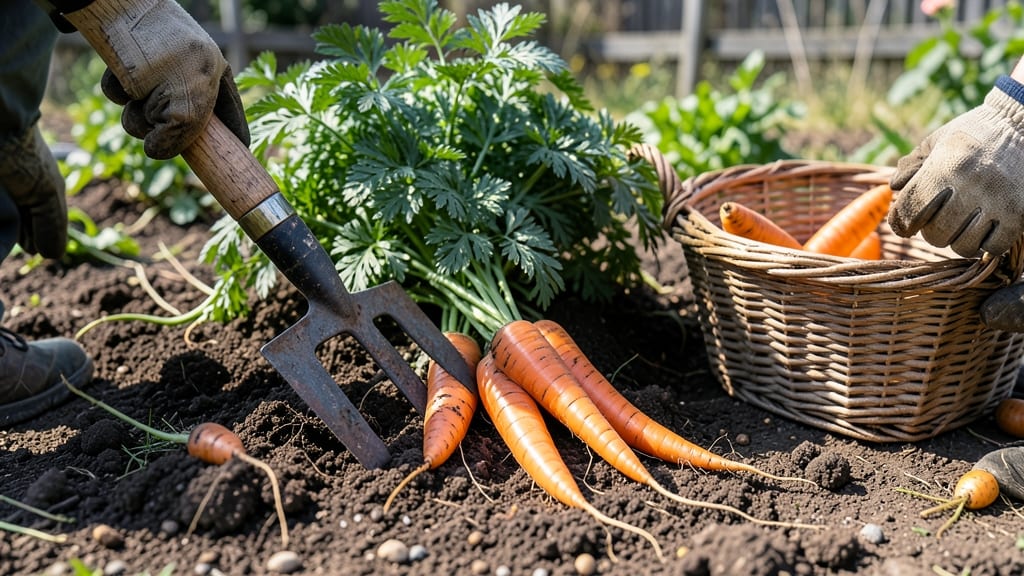
Growing deep-rooted vegetables like asparagus and parsnips means digging deeper than most gardens go—literally. 🌱 I learned the hard way that shallow soil leads to stunted roots and bitter harvests, but once I committed to 18-inch-deep beds, my plants thrived and came back stronger every year.
The secret isn't just depth—it's patience. Asparagus takes 3 years to establish before full harvests, but once it does, you'll get decades of regrowth with minimal effort. Parsnips and carrots reward you faster, but they need loose, stone-free soil to grow straight and sweet.
You'll know you're doing it right when you see thick, white roots breaking through the soil surface—proof they've found enough space to grow. The payoff? Less replanting, fewer weeds, and a garden that keeps giving long after most crops are done.
Works for backyard plots, raised beds, or even containers with deep pockets. Here's how to make it work without the common pitfalls!"
📚 In This Guide
- What you need
- Instructions
- Tips and common mistakes
- Wrapping up and next steps
What you need
- ● Deep-rooted vegetable plants: Choose from perennial favorites like asparagus, rhubarb, Jerusalem artichokes, or skirret. (Start with 3–5 plants for a small harvest.)
- ● Well-draining soil: Aim for loamy, nutrient-rich soil with a pH of 6.0–7.5. Amend with compost (5–10 lbs per 100 sq ft) for optimal growth.
- ● Organic mulch: Straw or shredded leaves (2–3 inches) to retain moisture and suppress weeds.
- ● Watering can or drip irrigation: Deep-rooted veggies need 1–2 inches of water weekly (more in droughts).
- ● Garden fork or tiller: For loosening soil to a depth of 12–18 inches (critical for deep roots!).
- ● Pruning shears: For harvesting leaves/stems without damaging regrowth.
- ● Gloves & knee pads: Because gardening is hard work! 😉
- ● Row covers: Protect young plants from pests in early seasons.
- ● Soil test kit: Check nutrient levels before planting.
- ● Compost tea: Boost microbial activity for faster regrowth.
- ● Journal/notebook: Track harvest cycles and soil conditions.
How to establish perennial deep-rooted vegetables for multi-year harvests
Here's how to plant and maintain vegetables with extensive root systems that thrive for years with minimal replanting.
🌱 Step 1: Select and Prepare the Planting Site
Choose a location with 6+ hours of full sun and well-draining soil. Deep-rooted vegetables like asparagus, rhubarb, and salsify need at least 18 inches of loose, fertile soil to establish properly. I always test my soil's pH first—most deep-rooted vegetables prefer a slightly alkaline range of 6.5-7.5.
If your soil is heavy clay or compacted, amend it with 3-4 inches of compost mixed into the top 12 inches of soil. Work in a handful of bone meal or rock phosphate for phosphorus, which encourages strong root development. Avoid fresh manure—it can burn tender roots during establishment.
🪴 Step 2: Plant Crowns or Roots at Proper Depth
For asparagus and rhubarb, plant crowns in trenches 6-8 inches deep to encourage roots to spread horizontally. Space them 12-18 inches apart in rows 3 feet apart—this gives roots room to expand without competing. I like to plant in spring after the last frost when soil temperatures reach 50°F.
For root vegetables like salsify or scorzonera, plant seeds or small tubers 1 inch deep in loose soil. Water thoroughly immediately after planting to settle the soil around the roots. Mulch with 2-3 inches of straw or shredded leaves to retain moisture and prevent soil crusting, which can suffocate emerging roots.
☀️ Step 3: Maintain Consistent Moisture and Fertility
Deep-rooted vegetables need 1-1.5 inches of water weekly during their first growing season to establish strong roots. I use drip irrigation to deliver water slowly at the base, avoiding leaf wetness that can promote fungal diseases. Let the top 2 inches of soil dry slightly between waterings—this prevents waterlogged conditions that rot roots.
Fertilize lightly in early spring with a balanced organic fertilizer (like 5-5-5) to support root growth. Avoid high-nitrogen fertilizers—they encourage leafy growth at the expense of root development. By the second year, most deep-rooted perennials will need less fertilizer as their extensive root systems access nutrients naturally.
✂️ Step 4: Protect and Prune for Long-Term Growth
In the first year, resist the urge to harvest anything from asparagus or rhubarb—let the plants focus all energy on root development. For salsify and scorzonera, harvest leaves selectively, leaving 6-8 inches of growth to maintain photosynthesis. I always prune away any flower stalks that appear in the first year—they divert energy from root growth.
Mulch heavily in late fall with 4-6 inches of organic mulch to insulate roots from freeze-thaw cycles. Most deep-rooted vegetables are hardy, but protecting the crown helps them survive winter and bounce back stronger in spring. Watch for signs of stress like yellowing leaves—this often signals overwatering or compacted soil.
⏰ Step 5: Plan for Year-Round Productivity
By the third year, asparagus crowns will produce 2-3 harvests per season if managed properly. Rhubarb can yield for decades with minimal care, while salsify and scorzonera regrow from their roots each spring. I mark my planting locations with stakes so I don't accidentally disturb the roots when tilling or planting new crops.
Rotate other shallow-rooted crops around these perennials to maximize space. Their deep roots won't compete with carrots or radishes planted nearby. With proper care, these vegetables will outperform annuals in both yield and convenience—no replanting required for years to come.
Tips & tricks for perfect perennial vegetable plantings
Between us, establishing deep-rooted vegetables that thrive for years isn't just about planting—it's about creating the right conditions from day one. Here's what I've learned after years of trial and error with asparagus, rhubarb, and salsify.
Soil Preparation Secret: The 18 inches of loose soil mentioned in Step 1 isn't just a recommendation—it's non-negotiable for these deep-rooted plants. I've seen asparagus crowns fail miserably in compacted soil, no matter how well everything else was done. Use a broadfork to loosen soil to that depth before planting, and consider adding coarse sand if your native soil is particularly dense. This creates the perfect environment for roots to explore downward and sideways.
Planting Depth Matters: When planting asparagus crowns 6-8 inches deep in Step 2, think of this as creating an underground "bedroom" for the roots. The crown should sit just below the soil surface with roots fanning out below—never bury it deeper than 8 inches. For salsify tubers planted 1 inch deep, press the soil gently around them to eliminate air pockets that could dry them out during establishment.
Watering Wisdom: The 1-1.5 inches of weekly water during the first season is crucial, but timing matters just as much. I've found that watering in the early morning gives the soil time to absorb moisture before evaporation. Use a rain gauge or measuring cup to track exactly how much water you're applying—overwatering can be just as damaging as underwatering for these deep-rooted plants.
Winter Protection Strategy: That 4-6 inches of organic mulch in late fall isn't just for insulation—it's also a moisture reservoir. I've seen rhubarb crowns survive harsh winters with this protection, while unmulched plants struggled. Use straw or shredded leaves rather than wood chips, as they break down more quickly and provide better insulation. Mark mulched areas clearly so you don't accidentally till them in spring.
Pro Tips for Deep Rooted Vegetables
- Between us, establishing deep-rooted vegetables that thrive for years isn't just about planting—it's about creating the right conditions from day one.
- Soil Preparation Secret: The 18 inches of loose soil mentioned in Step 1 isn't just a recommendation—it's non-negotiable for these deep-rooted plants.
- Planting Depth Matters: When planting asparagus crowns 6-8 inches deep in Step 2, think of this as creating an underground "bedroom" for the roots.
Frequently asked questions
Got questions about deep-rooted vegetables?
You’re not alone! Here are some of the most common queries—plus straightforward answers to help you grow (and regrow) like a pro.
What are the easiest deep-rooted vegetables to grow for beginners?
Start with asparagus, rhubarb, or jerusalem artichokes—they’re hardy, forgiving, and thrive with minimal fuss. Avoid finicky varieties like sunchokes (which can spread aggressively) unless you’re ready for a long-term commitment. Pro tip: Asparagus crowns take 2–3 years to mature, but they’ll reward you for decades!
How long does it take for deep-rooted veggies to regrow after harvest?
Timing varies! Rhubarb and sunchokes bounce back within weeks, while asparagus needs patience—harvest lightly the first year to encourage root growth. Most perennials regrow within 4–8 weeks if soil stays moist and temperatures are mild. Troubleshooting: Yellowing leaves? Check for over-harvesting or drought stress.
Can I eat deep-rooted veggies year-round, or do they go dormant?
Many (like asparagus and rhubarb) slow down in winter but aren’t “dead”—they’re just resting! Harvest rhubarb until frost, then cover beds with mulch. Jerusalem artichokes stay edible until hard freezes. Pro tip: Store roots in damp sand for winter access (except asparagus—it’s best fresh or frozen).
What’s the best way to revive wilted or struggling deep-rooted plants?
Revive with water + patience! First, water deeply (1–2 inches per week) to rehydrate roots. Trim dead foliage but leave some leaves for photosynthesis. Amend soil with compost, and avoid fertilizing until new growth appears. Warning: Fungal issues (like mold) mean it’s time to prune affected areas and improve drainage.
Are there non-edible deep-rooted plants that crowd out my veggies?
Yes! Dandelions, burdock, and queen anne’s lace (wild carrot) send down taproots and compete for nutrients. Remove them early—dig up roots completely to prevent regrowth. Bonus: Some “weeds” (like burdock) are edible if you’re adventurous!
Wrapping up and next steps
Deep-rooted vegetables like asparagus and sunchokes aren’t just resilient—they’re rewarding. 🌱 With minimal effort, you can enjoy a year-round harvest while nurturing the planet. Whether you’re a seasoned gardener or a curious beginner, these perennials prove that sustainability and flavor go hand in hand.
Ready to dive in? Start small—plant one or two varieties this season and watch your garden transform into a self-sustaining feast. Your future self (and taste buds!) will thank you. Happy growing! 🌿