
Vegetables
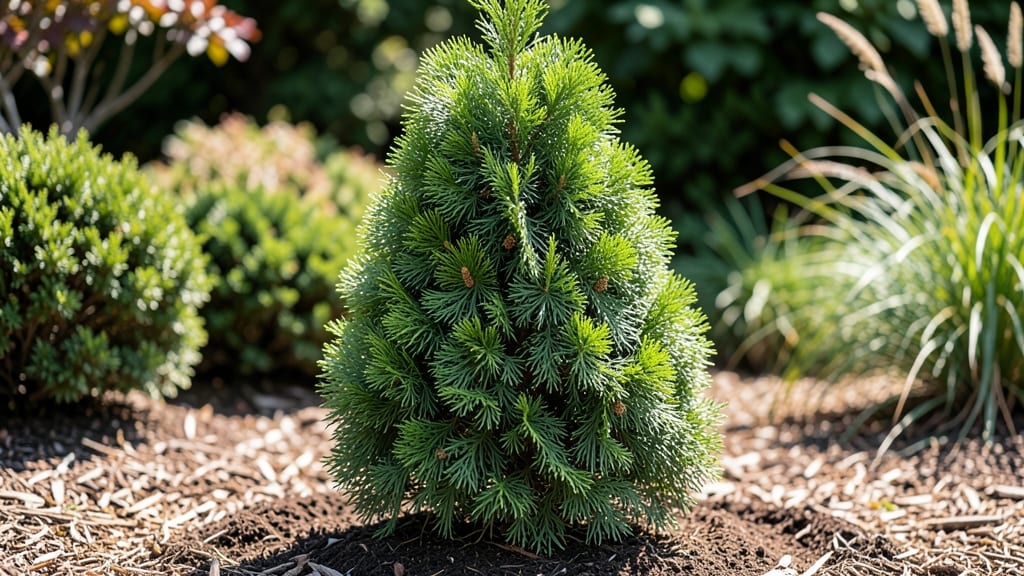
The Emerald Green Arborvitae shrub transforms any yard into a lush, year-round privacy screen with its vibrant, needle-like foliage. 🌿 I planted mine last spring, and within two years, it formed a dense, 10-foot-tall green wall that blocks noise and wind—no fence needed.
The key to success? Starting with the right site and care routine.
This evergreen thrives in full sun to partial shade and tolerates most soil types, though it prefers well-drained soil. Space plants 3-5 feet apart for that classic hedge look, or let them grow naturally for a more relaxed, woodland vibe.
Watering is simple: keep soil moist for the first year, then taper off once established—these shrubs are surprisingly drought-tolerant once rooted.
Pruning is minimal but makes all the difference. Trim in late winter or early spring to shape, and watch as new growth fills in gaps instantly.
The real magic happens when you see it stay vibrant through winter—no yellowing, no browning, just that rich emerald color that makes neighbors take notice. With proper care, your screen will last decades.
Winter burn is the biggest challenge, but a light layer of mulch and occasional watering during dry spells keeps it thriving. For extra protection, plant near other evergreens to create a microclimate. Once established, this shrub is low-maintenance, pest-resistant, and the backbone of any privacy solution.
📚 In This Guide
- What you need
- Instructions
- Tips and common mistakes
- Wrapping up and next steps
What you need
- ● Emerald Green Arborvitae shrubs: 3–5 plants per 10-foot section of privacy screen (spaced 3–4 feet apart for mature growth). Choose Thuja occidentalis 'Smaragd' from a trusted nursery.
- ● High-quality topsoil or amended garden soil: 1–2 cubic yards (depending on planting area). Mix with compost (1 part compost to 3 parts soil) for nutrient-rich soil.
- ● Organic mulch: 2–3 inches of pine bark or shredded hardwood mulch to retain moisture and suppress weeds.
- ● Slow-release fertilizer: 10-10-10 or a balanced organic fertilizer (e.g., 5-5-5) to support early growth.
- ● Shovel or spade: For digging planting holes (18–24 inches wide and deep).
- ● Garden trowel: For breaking up soil clumps and adjusting roots.
- ● Wheelbarrow: To transport soil, mulch, and tools efficiently.
- ● Measuring tape: To ensure proper spacing between plants.
- ● Garden hose or watering can: With a soaker hose attachment for deep watering.
- ● Pruning shears: For trimming straggly branches post-planting.
- ● Erosion control fabric: If planting on a slope to prevent soil runoff.
- ● Plant tags or stakes: To label varieties and track growth progress.
- ● Slow-release watering granules: For drought-prone areas (e.g., hydrogel crystals).
- ● Garden gloves: To protect your hands from thorns or rough soil.
Step-by-Step guide to planting and maintaining emerald Green arborvitae
Here's how I plant and care for these hardy evergreens to create a lush, year-round privacy screen.
🌱 Step 1: Choose the Right Planting Location
Emerald Green arborvitae thrive in full sun to partial shade, with at least 6 hours of direct sunlight daily. I always pick a spot with well-draining soil—these shrubs hate soggy roots. For a privacy screen, space plants 3-4 feet apart to allow room for mature growth.
Test your soil's drainage by digging a hole and filling it with water. If it drains within 30 minutes, your site is perfect. If not, amend with compost or sand to improve drainage. I also avoid planting near large trees that compete for water and nutrients.
🪴 Step 2: Dig and Prepare the Planting Hole
Dig a hole twice as wide as the root ball but only as deep as the container. This prevents burying the trunk too deeply, which can cause rot. Gently loosen the roots if they're circling in the pot—this encourages outward growth instead of root-bound stress.
Mix the removed soil with a handful of balanced fertilizer (10-10-10) to give the arborvitae a nutrient boost. Place the plant in the hole so the top of the root ball sits 1 inch above ground level. This ensures proper drainage while keeping the trunk stable.
💧 Step 3: Plant and Water Thoroughly
Backfill the hole with the amended soil, pressing lightly to remove air pockets. I use my hands to gently firm the soil around the roots, ensuring no gaps remain. Water immediately after planting to settle the soil and eliminate air spaces.
Give the arborvitae 1-2 gallons of water per plant to help roots establish. The soil should be moist 6-8 inches deep. Mulch around the base with 2-3 inches of wood chips or pine straw, keeping it 6 inches away from the trunk to prevent rot.
☀️ Step 4: Provide Ongoing Care for Healthy Growth
Water newly planted arborvitae once a week during the first growing season, increasing to twice a week in extreme heat or drought. Mature shrubs are drought-tolerant but look best with consistent moisture. You'll know they're thirsty when the needles start to yellow or the soil feels dry 2 inches below the surface.
Fertilize in early spring with a slow-release, balanced fertilizer to encourage lush growth. Prune in late winter or early spring to shape the shrub and remove any dead or diseased branches. Never prune more than 25% of the plant at once—this can stress the arborvitae.
✂️ Step 5: Monitor for Pests and Diseases
Check regularly for bagworms, spider mites, or deer damage. Bagworms appear as small, brown sacks on branches, while spider mites cause yellowing needles. If you spot these, treat with neem oil or insecticidal soap as needed. Deer often browse young arborvitae, so I use deer repellent sprays in high-risk areas.
Emerald Green arborvitae are generally disease-resistant, but root rot can occur in poorly drained soil. If you notice wilting, yellowing, or brown needles, improve drainage immediately and reduce watering. With proper care, these shrubs will grow into a dense, attractive privacy screen for years.
Tips & tricks for perfect emerald Green arborvitae privacy screens
Creating a flawless emerald green arborvitae hedge starts with these key insights that'll help you avoid common planting pitfalls and ensure long-term success.
Site Selection Wisdom: While the instructions mention full sun to partial shade, I've found that morning sun with afternoon shade works best in hotter climates. The 6 hours of direct sunlight should be in the cooler morning hours to prevent afternoon stress on the foliage. Test your site's drainage thoroughly—the 30-minute drainage test is non-negotiable for preventing root rot, which can kill your shrubs within months.
The Root Loosening Technique: When loosening circling roots in Step 2, I recommend using your fingers rather than a knife to avoid cutting roots. Gently tease them apart while the root ball is still moist from the container. This encourages outward growth rather than creating a root-bound ball that struggles to establish. The 1-inch elevation above ground level is crucial—any deeper and you risk suffocating the trunk.
Watering Strategy: The initial 1-2 gallons per plant should be given slowly to allow proper absorption. I use a soaker hose for this step to prevent runoff, especially in sandy soils. For the ongoing once-weekly watering, I check moisture by inserting a screwdriver—if it goes in easily up to 2 inches, you're good. The 6-8 inches deep moisture requirement is key for root development during the first year.
Fertilizer Timing: That early spring fertilization is perfect for new growth, but I've learned to split the dose—half at planting and half in early spring. This prevents over-fertilizing which can burn tender new roots. For established plants, I switch to a slow-release fertilizer in late winter to give them a steady nutrient supply as they wake up from dormancy.
Pro Tips for Emerald Green Arborvitae Shrub
- Creating a flawless emerald green arborvitae hedge starts with these key insights that'll help you avoid common planting pitfalls and ensure long-term success.
- Site Selection Wisdom: While the instructions mention full sun to partial shade, I've found that morning sun with afternoon shade works best in hotter climates.
- The Root Loosening Technique: When loosening circling roots in Step 2, I recommend using your fingers rather than a knife to avoid cutting roots.
Frequently asked questions
How fast does an Emerald Green Arborvitae grow?
These shrubs grow at a moderate rate—about 12 to 24 inches per year. With proper care, they can reach 12 to 15 feet tall and 3 to 4 feet wide in just a few years. For faster results, plant in well-draining soil and keep them consistently watered during their first growing season. Pro tip: Mulch around the base to retain moisture and encourage steady growth!
Is Emerald Green Arborvitae cold-hardy?
This variety thrives in USDA Zones 3 through 8, making it perfect for most northern climates. It handles snow, frost, and even light wind well, but avoid planting in exposed, windy spots to prevent winter burn. In extreme cold (below -20°F), a light burlap wrap can offer extra protection. Bonus: Their evergreen foliage stays vibrant even in winter!
What are common pests or diseases to watch for?
The Emerald Green Arborvitae is disease-resistant, but it can still attract spider mites, bagworms, or deer. Signs of trouble:
- Yellowing needles = overwatering or spider mites (treat with neem oil).
- Brown, webbing-like patches = bagworms (prune and remove manually).
- Chewed foliage = deer (use repellent sprays or fencing).
Can I plant Emerald Green Arborvitae in full shade?
While they tolerate partial shade (4+ hours of sunlight daily), they thrive best in full sun (6+ hours). In deep shade, growth may slow, and foliage can become sparse or leggy. If shade is unavoidable, choose the sunniest spot in your yard and ensure well-draining soil to prevent root rot. Alternative: Pair with sun-loving plants for a layered privacy screen!
How do I prune an Emerald Green Arborvitae for a neat look?
Prune only when necessary—these shrubs have a natural, tidy shape! If shaping is needed:
- Use clean, sharp shears to trim brown or overgrown tips in late winter or early spring.
- Avoid heavy pruning (never cut more than 1/3 of the foliage at once).
- Remove dead or crossing branches to improve airflow.
Wrapping up and next steps
The Emerald Green Arborvitae is a standout choice for year-round privacy and beauty, offering lush foliage, low maintenance, and resilience. Whether you're a seasoned gardener or just starting out, this evergreen shrub delivers stunning results with minimal effort—perfect for transforming any space into a serene retreat. 🌿
Ready to elevate your outdoor space? Start by sketching your design, gathering supplies, and planting your first row—your future privacy screen is just a few steps away!