
Vegetables
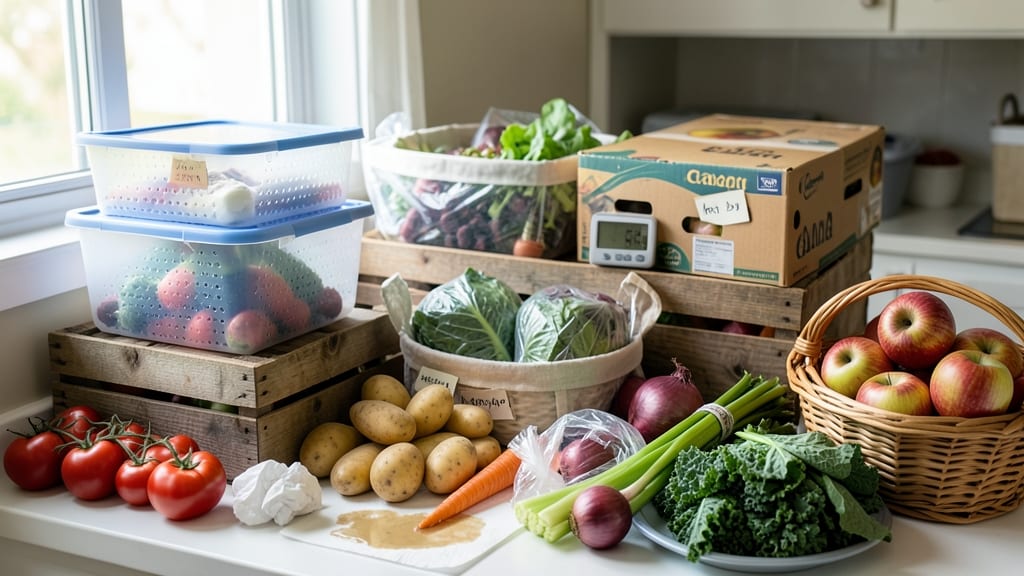
Your homegrown tomatoes, peppers, and apples don’t have to disappear by winter—fruit and vegetable cold storage keeps them fresh for months using simple science. 🌱 I’ve saved entire harvests from spoiling by mastering the right temps, humidity, and prep work, and you can too without fancy equipment.
The secret lies in matching each crop to its ideal conditions: potatoes thrive in cool, dark spaces, while leafy greens need high humidity to stay crisp. Most people overlook prep—washing, drying, and trimming before storage makes all the difference.
My zucchini lasted three months in the fridge after I wiped off excess moisture and stored it in perforated bags.
You’ll end up with crisp carrots in March, sweet apples in May, and zero food waste. The system scales from a pantry to a root cellar, and the best part? No freezer space required. Just follow the crop-specific rules, and your harvest keeps giving long after the growing season ends.
Ready to beat spoilage? Let’s dive into the exact temps, containers, and prep steps that work for every garden staple—no guesswork, just science-backed results.
📚 In This Guide
- What you need
- Instructions
- Tips and common mistakes
- Wrapping up and next steps
What you need
- ● Cold Storage Unit: Refrigerator or freezer (temperature range: 32–40°F (0–4°C) for most produce, below 32°F (0°C) for freezing)
- ● Walk-in cooler (commercial option, ideal for bulk storage)
- ○ Humidity Control: Humidifier (optional, for high-humidity crops like leafy greens)
- ● Ventilation fans (to maintain airflow and prevent mold)
- ● Storage Containers: Plastic crates or bins (airtight, food-grade)
- ● Vacuum-sealed bags (for long-term storage)
- ● Temperature & Humidity Monitor: Digital thermometer/hygrometer (accurate to ±1°F)
- ● Safety Gear: Gloves (for handling produce)
- ● Cleaning supplies (bleach solution, sanitizer)
- ● Ethylene absorbers (to slow ripening in apples, bananas, etc.)
- ● Modifiable shelving (for organizing by produce type)
- ● Food-safe labels (to track storage dates)
- ● Backup power source (generator or battery backup for outages)
Science-backed techniques to extend freshness: organizing your cold storage
Here's how to preserve produce like a pro—using temperature, humidity, and airflow to slow spoilage.
🪴 Step 1: Select the Right Storage Spaces
Your refrigerator and pantry each serve different needs. The crisper drawer (set to 35-40°F) handles most fruits and vegetables best, but some items—like onions, potatoes, and apples—thrive in cool, dark, dry conditions (50-60°F). Never store ethylene-sensitive produce (like leafy greens) near ethylene producers (like apples or tomatoes).
I always check my fridge's humidity settings—most have separate "high" (for greens) and "low" (for berries, stone fruits) modes. If your fridge lacks this, use perforated plastic bags to balance moisture. For root vegetables, a dark pantry corner with good airflow works best—just keep them away from heat sources like ovens.
☀️ Step 2: Prep Produce for Maximum Shelf Life
Rinsing vegetables and drying them thoroughly removes excess moisture that speeds rot. For leafy greens, I pat them dry with paper towels and store them in slightly damp paper towels inside a sealed container—this mimics their natural environment while preventing soggy leaves. Never wash berries until ready to eat; their delicate skins absorb moisture and spoil faster.
For fruits with stems (like apples or pears), leave them intact—cutting releases enzymes that accelerate browning. Wrap whole fruits in plastic wrap to slow moisture loss, but leave a small vent hole to prevent mold. The key is minimal handling: every cut or bruise creates an entry point for bacteria.
💧 Step 3: Organize by Ripening Stage and Type
Group similar produce together: ethylene-sensitive items (leafy greens, cucumbers, peppers) in one bin, ethylene-producing fruits (apples, bananas, avocados) in another. I use clear, airtight containers with labels—this prevents cross-contamination and makes rotation easy. Store high-moisture veggies (like carrots or celery) in a sealed container with a damp paper towel to maintain crispness.
For mixed storage, use dividers in your crisper to separate items. For example, keep herbs (like parsley or cilantro) in a loosely sealed container with a damp paper towel—they wilt faster than most veggies. Place potatoes and onions in a paper bag in a dark pantry corner; the bag regulates airflow while preventing light exposure, which turns them green and bitter.
⏰ Step 4: Monitor and Rotate Regularly
Check stored produce every 3-5 days—this catches spoilage before it spreads. Use the "first in, first out" rule: place newer items behind older ones. For example, if you buy a new batch of carrots, tuck them behind the existing ones so you use the older stock first. This prevents waste and keeps everything fresh longer.
Adjust storage conditions as needed: if leafy greens start wilting, increase humidity slightly by adding a small water-filled tray near them (but not touching). For fruits like bananas, separate them once they ripen—overripe bananas release ethylene gas that speeds up spoilage in nearby produce. A simple fruit bowl on the counter works for bananas, while apples belong in the crisper.
✂️ Step 5: Handle Leftovers and Trimming Properly
Never store cut produce in its original packaging—transfer it to airtight containers with a damp paper towel to retain moisture. For example, trimmed celery keeps best in a sealed container with a little water to revive crispness. If you must store cut fruits (like melon or pineapple), coat them with lemon juice to slow oxidation and seal in a container with minimal air.
For herbs, trim stems and place them in a jar of water like flowers—this mimics their natural growing conditions. Store the jar in the fridge (not the crisper) and change the water every 2-3 days. If you have wilted herbs, revive them by trimming stems and placing them in ice water for 10 minutes before storing. This trick works surprisingly well for parsley, cilantro, and chives.
Tips & tricks for perfect produce preservation
These science-backed strategies will help you maximize freshness and minimize waste in your kitchen.
Temperature Zones: Pay close attention to the 35-40°F range for your crisper drawer—this is the sweet spot for most produce. For root vegetables like potatoes and onions, aim for 50-60°F in a dark pantry corner. I've found that using a thermometer in your fridge helps maintain these critical zones, especially if your appliance runs hot or cold.
Ethylene Gas Management: This is where most people go wrong. Ethylene-sensitive produce like leafy greens and cucumbers should never share space with ethylene producers like apples or tomatoes. I keep a separate bin in my crisper just for ethylene-sensitive items, and it's made all the difference in extending their shelf life by up to a week.
Humidity Control: Most refrigerators have adjustable humidity settings in the crisper drawer. Use the "high" setting for leafy greens and herbs, and "low" for berries and stone fruits. If your fridge lacks this feature, perforated plastic bags can help balance moisture levels. For high-moisture vegetables like carrots, I store them in sealed containers with a damp paper towel to maintain crispness.
Reviving Wilted Herbs: When you find your parsley or cilantro looking sad, don't toss it! Trim the stems and place them in a jar of ice water for 10 minutes before storing. This technique works like magic to revive even the most wilted herbs. I've saved countless bunches this way—it's like giving them a fresh start.
Pro Tips for Fruit And Vegetable Cold Storage
- These science-backed strategies will help you maximize freshness and minimize waste in your kitchen.
- Temperature Zones: Pay close attention to the 35-40°F range for your crisper drawer—this is the sweet spot for most produce.
- Ethylene Gas Management: This is where most people go wrong.
Frequently asked questions
Got questions about keeping your fruits and veggies fresh longer? You’re not alone! Here are some of the most common concerns—and science-backed answers—to help you master cold storage like a pro.
What’s the best temperature for storing fruits and vegetables?
Most produce thrives between 32°F and 40°F (0°C–4°C), but some—like tomatoes, potatoes, and onions—prefer 50°F–60°F (10°C–15°C) to avoid spoilage. Use your fridge’s crisp drawer for leafy greens, berries, and herbs, while root veggies (carrots, beets) do well in a perforated plastic bag on the shelf.
How long can I store produce in the fridge?
Storage times vary by type:
- Leafy greens (spinach, kale): 5–7 days (wash and dry thoroughly first!).
- Berries (strawberries, blueberries): 3–5 days (store in a single layer to prevent mold).
- Root veggies (carrots, sweet potatoes): 2–4 weeks (keep in a humid, breathable container).
- Citrus (oranges, lemons): Up to 2 weeks (but they’re fine at room temp too!).
Pro tip: Label and date your storage containers to track freshness!
Can I store fruits and vegetables together in the fridge?
Not always! Some fruits release ethylene gas, which speeds up ripening (and spoilage) in nearby veggies. Keep these apart:
- Avoid pairing: Apples, bananas, or avocados with leafy greens, herbs, or berries.
- Safe combos: Carrots + celery, oranges + potatoes (in a paper bag to absorb excess moisture).
Fun fact: Ethylene is why a single apple can turn your fridge into a fruit salad of mush in days!
What if my produce starts to spoil too quickly?
Don’t toss it yet! Try these fixes:
Wilted greens? Revive by soaking in ice water for 10–15 minutes.
Soggy veggies? Pat dry and store in a paper towel-lined container to absorb moisture.
Moldy fruit? Cut away the moldy part (and ½ inch around it)—but only if the rest is firm!
Pro tip: Vacuum-sealing can extend shelf life by 30–50% for many produce types!
Are there alternatives to refrigeration for short-term storage?
For 1–3 days, try:
- Countertop storage: Keep hard, low-moisture produce (like potatoes, onions, or winter squash) in a cool, dark pantry (not the fridge!).
- Root cellar: A cool (55°F–60°F / 13°C–16°C), humid space (like a basement) works for apples, carrots, and beets.
- Freezing: Blanching veggies (like broccoli or green beans) before freezing locks in texture and nutrients.
Warning: Never refrigerate tropical fruits (mangoes, pineapples)—they’ll turn mushy!
Wrapping up and next steps
Mastering fruit and vegetable cold storage isn’t just about saving money—it’s about preserving nutrition, reducing waste, and enjoying fresher produce for weeks! 🌱 By understanding humidity, temperature, and ethylene control, you can turn your pantry into a science-backed freshness hub.
Whether you’re a home gardener or a busy shopper, these techniques are your secret weapon for longer-lasting, vibrant veggies and fruits.
Ready to put your new knowledge into action? Start small—try storing one high-risk item (like berries or leafy greens) with your newfound methods, and watch the difference! 💡 Next step: Experiment with a customized storage chart for your most-used produce and track your results.