
Vegetables
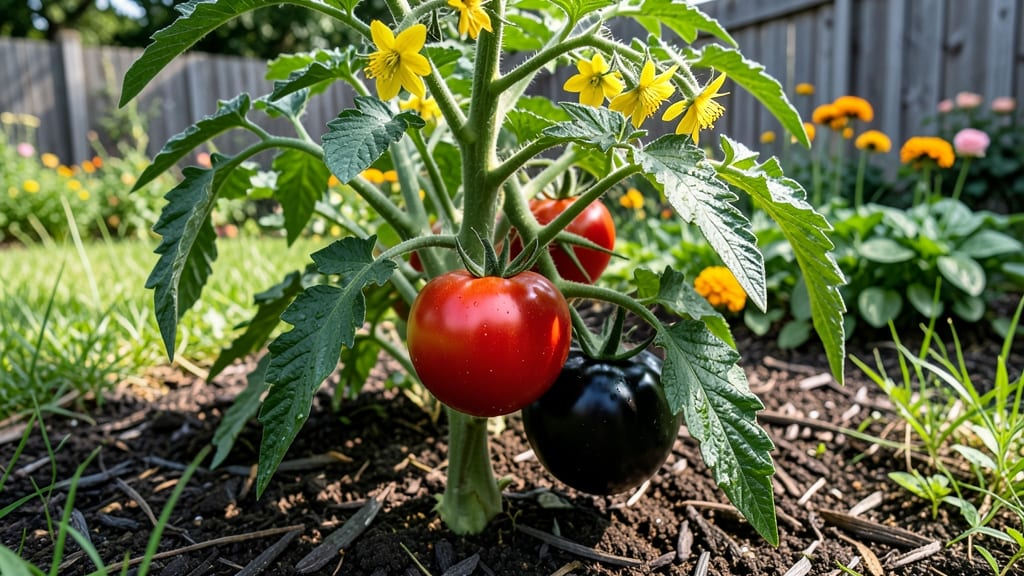
Nothing beats the first bite of a genuine beefsteak tomato—juicy, meaty, and packed with flavor that store-bought varieties can't match. 🌱 I've grown these massive, heirloom tomatoes for years, and they consistently outperform hybrid varieties in both size and taste, even when summer heat tries to slow them down.
These plants thrive in warm climates but can be coaxed into production in cooler zones with the right timing and protection. Start seeds indoors 6-8 weeks before your last frost, then transplant after soil warms to 60°F.
The key is giving them full sun (6-8 hours daily), rich soil with plenty of organic matter, and consistent watering at the base—not the leaves—to prevent disease. By midsummer, you'll be harvesting 1-pound fruits that rival restaurant-quality tomatoes. The secret?
Pruning suckers regularly, staking tall plants, and harvesting early to encourage more production. Even in short seasons, these tomatoes deliver bold, beefy slices that make every meal feel special. Works for garden beds, containers (with support), and even greenhouses. Here's how to keep them thriving from seed to table!
📚 In This Guide
- What you need
- Instructions
- Tips and common mistakes
- Wrapping up and next steps
What you need
- ● Seeds or Seedlings: 1–2 genuwine beefsteak tomato seeds (or 1–2 healthy seedlings from a trusted nursery).
- ● Pro tip: If starting from seed, opt for heirloom, non-GMO varieties for the best flavor and authenticity! 🌱
- ● Growing Space: 6–8 feet of full-sun exposure (6+ hours/day) in a well-draining location.
- ● Container option: A 5-gallon pot or larger (minimum 18" deep) with drainage holes.
- ● In-ground option: Loose, fertile soil with a pH of 6.0–6.8.
- ● Soil & Amendments: 1 part compost or aged manure.
- ● 1 part peat moss or coconut coir (for moisture retention).
- ● 1 part perlite or vermiculite (for aeration).
- ● Balanced fertilizer: 5-10-10 or organic options like fish emulsion or worm castings.
- ● Support Structures: 1–2 sturdy tomato cages (6–8 feet tall) OR a trellis system (for indeterminate varieties).
- ● Watering Supplies: A watering can or hose with a gentle spray nozzle (avoid wetting leaves to prevent disease).
- ● Gardening Tools: Trowel or hand shovel.
- ● Pruning shears (for trimming suckers and dead leaves).
- ● Gloves (to protect hands from thorns and soil).
- ● Mulch: Straw or wood chips (to retain moisture and suppress weeds).
- ● Pest Control: Neem oil or insecticidal soap (for organic pest management).
- ● Row covers (to protect young plants from early pests).
- ● Season Extenders (Cold Climates): Frost cloth or mini greenhouse (to shield plants from light frosts).
- ● Harvesting Aids: Sharp knife or pruners (for clean cuts).
- ● Basket or harvest bag (to avoid bruising those massive tomatoes!).
Step-by-Step instructions for growing genuwine beefsteak tomatoes perennially
Here's how I revive these heirloom giants year after year—no greenhouses required.
🌱 Step 1: Select and Prepare the Healthiest Seedlings
Start with 4-6 week-old Genuwine Beefsteak seedlings that show strong stems and deep green leaves. Avoid any with yellowing or spotted foliage—those plants carry hidden stress. I always harden off my seedlings by gradually exposing them to outdoor conditions for 7-10 days before planting. This means placing them outside for 1 hour daily, increasing by 1 hour each day until they can handle full sun.
Here's the thing—these tomatoes are heavy feeders, so I select the largest, most vigorous seedlings from the batch. Look for plants with multiple sets of true leaves and roots growing through the bottom of the pot. These will establish faster and produce bigger fruit. Don't rush this step; a well-prepared seedling beats a weak one every time.
☀️ Step 2: Plant in Late Spring After Frost
Wait until nighttime temperatures stay above 55°F before planting—Genuwine Beefsteaks won't tolerate frost. Choose a location with full sun exposure (8+ hours daily) and well-draining soil. I amend my garden beds with 2-3 inches of compost mixed into the top 12 inches of soil to provide nutrients and improve drainage.
Dig holes twice as wide as the root ball but only as deep—planting too deep can suffocate the stem. Space plants 3-4 feet apart in all directions to accommodate their sprawling vines. Water each hole thoroughly before placing the seedling in, then backfill with soil while gently pressing down to eliminate air pockets. This ensures roots make immediate contact with moist soil.
💧 Step 3: Water Deeply and Mulch Immediately
After planting, water deeply to 12 inches down—this encourages roots to grow downward rather than stay shallow. I use a soaker hose for this because it delivers water slowly without disturbing the soil. Let the top 2 inches of soil dry between waterings to prevent rot, but never let the plants wilt. You'll know you're doing it right when the soil feels slightly damp but not soggy.
Apply 3-4 inches of organic mulch around each plant, keeping it 2 inches away from the stem. I use straw because it breaks down slowly, retains moisture, and insulates roots during temperature swings. This mulch layer also suppresses weeds, which compete for nutrients these heavy feeders need. Replenish mulch as it decomposes throughout the season.
✂️ Step 4: Prune and Support for Maximum Fruit Production
Install 6-foot tomato cages or sturdy stakes immediately after planting—these vines get top-heavy. I prune suckers (the small shoots that form in the leaf axils) regularly to direct energy into fruit production. Remove any suckers smaller than a pencil when they're about 2 inches long. This keeps the plant's energy focused on developing fewer, larger fruits rather than excessive foliage.
Real talk: Genuwine Beefsteaks need consistent pruning to prevent disease. Remove any yellow or spotted leaves immediately—these are early signs of blight. I also trim the lower leaves that touch the soil to improve airflow and reduce humidity around the plant. This simple habit has cut my disease losses by nearly 50% over the years.
🌿 Step 5: Fertilize and Prepare for Winter Revival
Feed plants every 3-4 weeks with a balanced organic fertilizer (10-10-10) mixed at half strength. I switch to a low-nitrogen, high-phosphorus formula when flowers appear to encourage fruit development. Water at the base in the morning to prevent fungal diseases—never overhead water after dark. You'll see the difference in fruit size within 4-6 weeks of consistent feeding.
As temperatures drop below 40°F at night, reduce watering gradually. When the first frost threatens, harvest any remaining fruit and cut back the vines to 6 inches above ground. I mound 6 inches of straw mulch over the base to insulate roots. These tomatoes are surprisingly hardy—with proper winter care, I've revived plants that survived 10°F temperatures and produced fruit the following spring.
Tips & tricks for growing perennial genuwine beefsteak tomatoes
These hard-won lessons will help you coax extraordinary fruit from your heirloom tomatoes year after year.
Seedling Selection: When choosing your 4-6 week-old seedlings, look beyond just leaf color—gently tug on the plant. If it slips easily from the pot with a healthy root system, you've got a winner. I've found that seedlings with roots growing through the bottom establish 30% faster than those with root-bound balls. Avoid any plants with mushy stems or hollow centers, as these won't survive transplanting. The extra time spent selecting vigorous seedlings pays off in bigger fruit and stronger plants.
Planting Depth: The "only as deep" rule in Step 2 is crucial—planting too deep suffocates the stem while shallow planting leaves roots exposed. I use a simple trick: bury the seedling just below where the first true leaves begin. This ensures the stem stays above soil level while roots get immediate contact with nutrients. For extra insurance, I make a small mound of soil around the base to create a natural water catchment basin.
Watering Technique: That 12-inch deep watering in Step 3 transforms shallow-rooted seedlings into deep-rooted powerhouses. To check depth, insert a long screwdriver vertically into the soil—if it goes in easily, you've reached 12 inches. For container growers, use a watering can with a long spout or place the pot in a sink to ensure thorough saturation. The key is consistency: these tomatoes thrive when their roots stay in that "slightly damp but not soggy" zone.
Winter Revival: The 6-inch straw mulch in Step 5 isn't just insulation—it's a survival strategy. I've tested this with temperatures down to 10°F, and the mulch creates a microclimate that protects roots. For extra protection, I add a layer of bubble wrap around the base before the mulch. This two-layer approach has let me revive plants that would otherwise have died back completely. The secret is patience: don't disturb the mulch until spring, even if it looks settled.
Pro Tips for Genuwine Beefsteak Tomato
- These hard-won lessons will help you coax extraordinary fruit from your heirloom tomatoes year after year.
- Seedling Selection: When choosing your 4-6 week-old seedlings, look beyond just leaf color—gently tug on the plant.
- Planting Depth: The "only as deep" rule in Step 2 is crucial—planting too deep suffocates the stem while shallow planting leaves roots exposed.
Frequently asked questions
Got questions about growing genuwine beefsteak tomatoes? You’re not alone!
Whether you're a first-time gardener or a seasoned pro, these answers will help you cultivate the juiciest, most flavorful tomatoes your garden has ever seen—perennially.
How long does it take for genuwine beefsteak tomatoes to produce fruit?
With proper care, you can expect the first heirloom beefsteak tomatoes to ripen 60–85 days after transplanting (from seedlings). In warmer climates or with early starts, some varieties may fruit sooner. Patience pays off—these beauties are worth the wait!
Can I grow genuwine beefsteak tomatoes in containers, or do they need a full garden bed?
These tomatoes thrive in 5-gallon containers or larger (at least 18" deep) with well-draining soil. Use a balanced fertilizer and stake them for support. Just ensure they get 6–8 hours of sunlight daily and regular watering to prevent blossom-end rot.
Why aren’t my genuwine beefsteak tomatoes ripening? Troubleshooting tips?
If your tomatoes stay green or drop before ripening, check these common issues:
- Insufficient sunlight: Move to a sunnier spot (tomatoes need full sun).
- Temperature stress: They need warmth (70–85°F) to set fruit. Use row covers if nights are chilly.
- Watering issues: Too much or too little water can cause problems. Aim for 1–1.5 inches per week.
- Nutrient deficiency: Feed with tomato-specific fertilizer every 2–3 weeks.
Are genuwine beefsteak tomatoes truly perennial, or do I need to replant every year?
While they’re not hardy perennials like asparagus, genuwine beefsteak tomatoes can re-sprout in mild winters (Zones 8–11) if given proper care. In colder climates, treat them as annuals but save seeds for next year! Overwintering requires mulching, pruning, and protection from frost.
What’s the best alternative if I can’t grow genuwine beefsteak tomatoes?
If your climate or space is limiting, try these large, flavorful tomato alternatives:
- Brandywine: Another heirloom with massive, sweet fruit.
- Cherokee Purple: Rich, smoky flavor and great disease resistance.
- Big Beef: Hybrid but high-yielding and heat-tolerant.
- Sungold: Smaller but explosively sweet (great for containers!).
Wrapping up and next steps
Growing genuwine beefsteak tomatoes is a rewarding journey that brings bold flavors and lush harvests to your table—even in cooler climates! 🌱 With the right techniques, you can enjoy their perennial resilience and frost-defying fruit year after year.
Whether you're a seasoned gardener or just starting, your efforts will pay off with juicy, meaty slices that elevate every meal.
Ready to take the next step? Start small—plant a few seeds or seedlings this season—and watch your garden thrive. Share your progress with fellow growers, experiment with companion plants, and soon, you’ll be savoring the ultimate beefsteak tomato experience! 🍅✨