
Vegetables
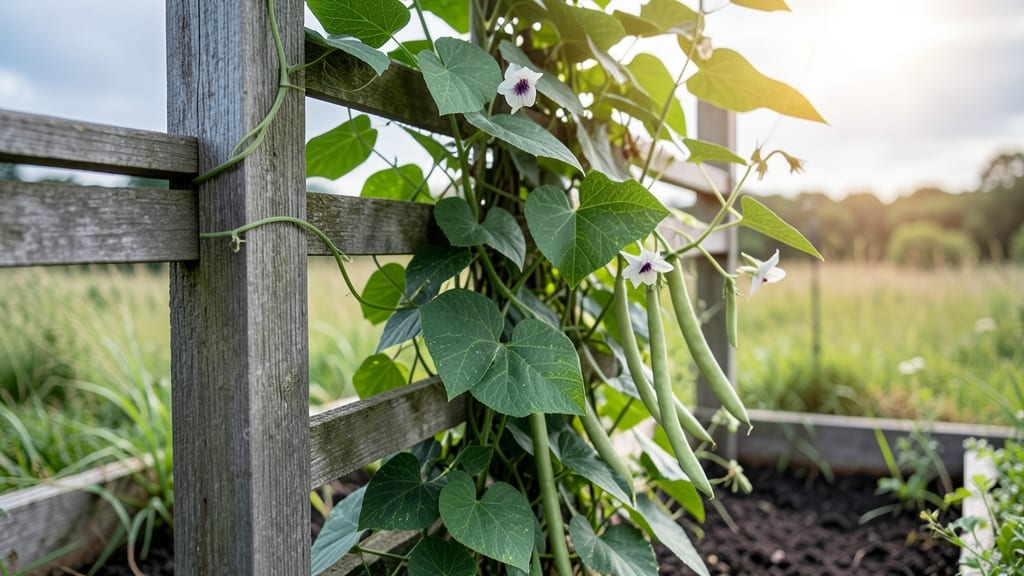
A sturdy green bean trellis turns floppy vines into a vertical harvest machine. 🌱 I learned the hard way—last summer, my sprawling beans tangled into a tangled mess, leaving half the pods hidden in the dirt. The right trellis keeps plants healthy, maximizes space, and makes harvesting effortless.
You don’t need fancy materials—simple bamboo stakes, wire cages, or even sturdy wooden frames work perfectly. My favorite is a 5-foot-tall A-frame trellis made from cedar posts and twine; it’s strong enough for pole beans but lightweight enough to move if needed.
For small spaces, vertical netting stretched between posts saves even more room. The payoff is instant: beans grow straighter, air circulates better, and you’ll pick 30-50% more pods than from sprawling plants. Plus, the vertical garden looks tidy and makes weeding a breeze.
No more bending over—just reach up and harvest fresh beans all season. Works for any garden size, from balcony containers to full backyard plots. Here’s how to set yours up right the first time.
📚 In This Guide
- What you need
- Instructions
- Tips and common mistakes
- Wrapping up and next steps
What you need
- ● Trellis Frame: 4 wooden posts (4x4 inches, 6–8 feet tall) – for stability
- ● 2x4 lumber (8 feet long, 2–4 pieces) – for horizontal supports
- ● Galvanized wire (14–16 gauge, 100+ feet) – for vertical ties
- ● Fasteners: 3-inch deck screws or exterior-grade nails (50+)
- ○ Zip ties or twine (optional, for extra vine guidance)
- ● Tools: Measuring tape
- ● Drill or hammer
- ● Level (to ensure straight alignment)
- ● Staple gun (for securing wire, if needed)
- ● Post caps or concrete footings – to protect wood from rot
- ● Powder-coated metal trellis panels – for a pre-made, low-maintenance option
- ● String lights or decorative netting – for a cute garden aesthetic
Step-by-step guide to building a sturdy green bean trellis
This simple design supports climbing beans while keeping your garden neat and harvests easy.
🪴 Step 1: Gather Materials and Plan Your Layout
For a 4-plant trellis, you’ll need 4 bamboo stakes (5-6 feet tall), 10 feet of twine or jute twine, and a measuring tape. I like to space stakes 18-24 inches apart in a square or rectangle—this gives beans room to climb and prevents overcrowding. Drive stakes 6 inches deep into the soil at each corner, leaving 3-4 feet above ground for vine support.
Check the soil depth with your trowel before driving stakes—if the ground is rocky or uneven, dig a small hole to ensure stability. This prevents wobbly stakes that snap under a heavy harvest. For extra strength, tie stakes together at the base with a loose knot using the twine.
🌱 Step 2: Create the Trellis Frame
Once stakes are secure, tie a horizontal line 12 inches from the top of each stake using the twine. Use a square knot to attach the twine tightly—beans will grip it as they climb. For taller varieties, add a second horizontal line 6 inches below the first. This two-tiered design distributes weight and prevents vines from toppling.
Leave 4-6 inches of slack between stakes when tying the horizontal lines. As beans grow, they’ll naturally stretch the twine, but you’ll want to avoid sagging that makes harvesting difficult. Test the frame by gently pulling each stake—if it wobbles, re-tie the knots or add a third stake for support.
☀️ Step 3: Plant Beans and Train Vines
Plant 4-5 seeds per stake (or transplants) 2 inches deep, about 2 inches from the stake. Water deeply after planting to settle the soil. Once seedlings reach 4-6 inches tall, gently weave the main stem around the twine. Beans climb using tendrils, so you don’t need to tie them—just guide them upward as they grow.
Here’s the thing—don’t let vines sprawl across the ground. Within 2-3 weeks, you’ll see tendrils curling around the twine. If a vine strays, tuck it back up. This keeps pods off the soil (where they rot) and makes picking easier. Mulch around the base to retain moisture and suppress weeds.
✂️ Step 4: Maintain and Harvest
Check the trellis weekly for loose knots or sagging twine. If a section starts to droop under the weight of beans, retie it or add a diagonal support between stakes. Harvest every 2-3 days once pods appear—this encourages more production. Pick beans in the morning when they’re crispest, and always twist gently to avoid damaging the vine.
If your trellis sways in windy conditions, reinforce it with additional diagonal twine between stakes. I’ve seen beans snap the twine if left unchecked during heavy rains or storms. A well-supported trellis lasts 2-3 seasons with minimal upkeep, making it a garden workhorse.
Tips & tricks for sturdy green bean trellises
Building a trellis that actually holds up takes more than just hammering stakes into the ground. Here's how to make yours last all season without collapsing under a heavy harvest.
Stake Stability is Everything: When driving your 4 bamboo stakes 6 inches deep, use a mallet or hammer for even pressure—don't just pound them in with a rock. I've seen stakes lean dangerously after the first big rain when they weren't seated properly. For extra security, especially in windy areas, dig a small trench around each stake base and pack soil firmly to create an anchor. This prevents the classic "wobbly stake" problem that ruins the whole structure.
The Twine Technique That Actually Works: Don't just tie the horizontal lines loosely—they need to be snug enough to support weight but not so tight they cut into the vines. I use a square knot for each stake connection, then leave that 4-6 inch slack between stakes. Here's the trick: after tying, gently pull the twine taut and retie once more to eliminate any extra slack. This creates a stable frame that won't sag when beans start producing heavy pods. For taller varieties, that second horizontal line 6 inches below the first makes all the difference in preventing top-heavy collapse.
Vine Training Secrets: The 2-3 week window when seedlings reach 4-6 inches is critical—this is when you establish good climbing habits. Instead of just wrapping the main stem, I weave in the secondary stems too (gently!) to create a thicker support network. This prevents the classic "one vine doing all the work" scenario that leads to snapped twine. Pro tip: if a vine starts to spiral downward, simply tuck it back up the twine without tying—beans will naturally grip as they grow.
Wind and Weather Rescue Plan: That weekly check isn't just about loose knots—it's your chance to reinforce before problems start. I keep a small spool of twine in my gardening tool bag for emergency repairs. For windy conditions, add diagonal supports between stakes (think "X" braces) to create a triangle of support. If heavy rains are forecast, wrap the twine connections with a bit of waterproof tape to prevent fraying. A well-maintained trellis built this way will last 2-3 seasons with minimal upkeep.
Pro Tips for Green Bean Trelis
- Building a trellis that actually holds up takes more than just hammering stakes into the ground.
- Stake Stability is Everything: When driving your 4 bamboo stakes 6 inches deep, use a mallet or hammer for even pressure—don't just pound them in with a rock.
- The Twine Technique That Actually Works: Don't just tie the horizontal lines loosely—they need to be snug enough to support weight but not so tight they cut into the vines.
Frequently asked questions
Got questions about building and using a green bean trellis? You’re not alone! Here are answers to the most common queries to help you grow like a pro.
What’s the best material for a green bean trellis?
A sturdy green bean trellis can be made from bamboo stakes, wooden posts, metal cages, or even repurposed fencing. Bamboo is lightweight and affordable, while metal cages (like tomato cages) offer durability and easy assembly. For heavy harvests, opt for thick wooden posts or galvanized wire trellises to prevent sagging.
When should I put up a trellis for green beans?
Install your trellis 1-2 weeks before planting to give roots time to establish and vines to climb. If you’re growing bush beans (not pole beans), skip the trellis—they don’t need support! For pole beans, plant seeds near the trellis or transplant seedlings 1 inch away to encourage upward growth.
How tall should a green bean trellis be?
Aim for 5–7 feet tall for most varieties, as pole beans can grow aggressively! Dwarf or bush varieties may only need 3–4 feet. Space trellises 18–24 inches apart in rows to allow airflow and easy harvesting. Pro tip: Add crossbars or twine every 1–2 feet for extra support as vines thicken!
What if my green beans aren’t climbing the trellis?
If your beans are sprawling instead of climbing, they may need gentle guidance. Tie vines loosely to the trellis with soft twine or cloth strips (avoid wire—it can damage stems). Ensure they’re getting full sun (6+ hours/day) and consistent water. Some varieties are slower starters—patience pays off!
Can I reuse a trellis for multiple years?
Wooden or metal trellises can last years with proper care. Clean them after harvest to remove debris and prevent pests. If using bamboo, replace stakes every 2–3 seasons as they degrade. Store trellises in a dry place to extend their lifespan—just don’t let them get soggy!
Wrapping up and next steps
Building a green bean trellis is a game-changer for gardeners—it maximizes space, boosts yields, and keeps your beans healthy and productive! 🌱 Whether you opt for a simple DIY design or a sturdy metal frame, the key is supporting those vines so they climb, thrive, and reward you with a bountiful harvest.
Now that you’re armed with the right materials and answers to common questions, it’s time to roll up your sleeves and get growing!
Ready to take the next step? Sketch your trellis design, gather your supplies, and start planting! Your future self (and your dinner plate) will thank you. Happy gardening! 🌿