
Vegetables
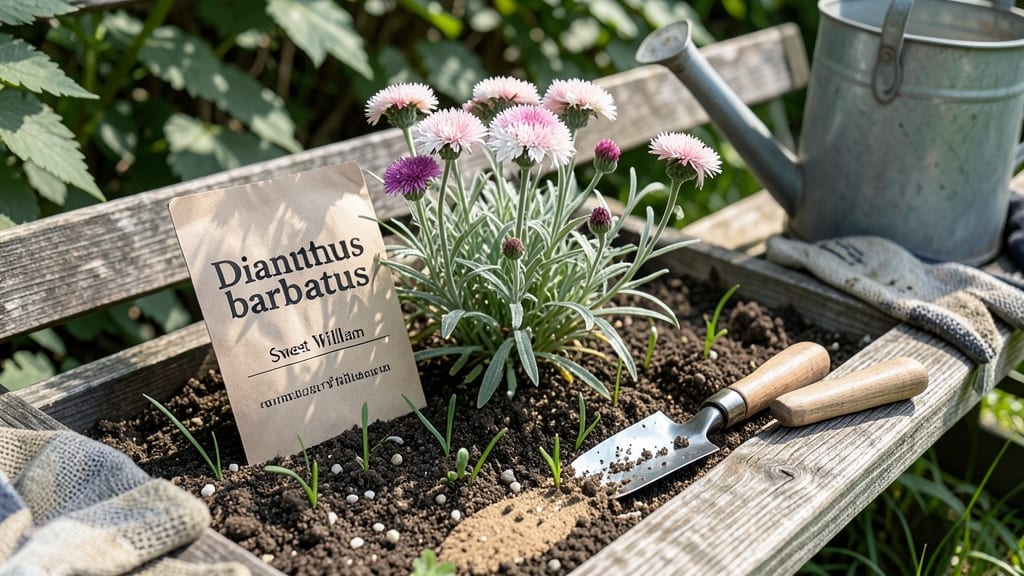
Growing dianthus from green dianthus seeds means frost-hardy blooms that return every spring—no replanting needed. ✨ I’ve watched mine push through snowmelt for three years running, and the secret starts with the right timing and soil prep.
These seeds are picky about moisture and temperature, but once they establish, they reward you with clusters of fragrant flowers that last all summer.
The key to success? Start seeds indoors 8-10 weeks before your last frost, using a light, gritty mix (think 50% potting soil, 50% perlite or sand). Plant them just 1/8-inch deep—any deeper and they’ll rot before sprouting.
Keep the soil consistently moist (not soggy) and warm (around 65°F), and you’ll see tiny seedlings in 2-3 weeks. Transplant outdoors only after nighttime temps stay above 40°F, or they’ll bolt.
Once established, dianthus thrives in full sun to partial shade and well-draining soil—they hate soggy roots. Water at the base (never overhead) to prevent fungal issues, and deadhead spent blooms to encourage nonstop regrowth.
By mid-summer, you’ll have a carpet of clove-scented flowers that hummingbirds adore. The best part? These perennials multiply underground, giving you free plants for years.
Watch for slugs (they love young seedlings) and powdery mildew (space plants for airflow). If you live in Zone 3-8, dianthus handles winter like a champ—just mulch lightly in fall.
For instant color, try sowing seeds in late summer too; they’ll bloom next spring without fuss. Ready to grow yours?
📚 In This Guide
- What you need
- Instructions
- Tips and common mistakes
- Wrapping up and next steps
What you need
- ● Green Dianthus seeds – 1 packet (50–100 seeds) or 10–20 seeds if starting small.
- ● Seed-starting mix – 1–2 quarts of lightweight, well-draining potting soil (avoid garden soil—it’s too dense!).
- ● Seed trays or small pots – 4–6 inch deep containers (biodegradable pots are eco-friendly!).
- ● Grow lights or sunny windowsill – For 12–16 hours of light daily (south-facing windows work if natural light is bright).
- ● Spray bottle – For gentle watering (avoid over-saturating seeds!).
- ● Plastic wrap or humidity dome – To create a mini greenhouse effect until germination.
- ● Plant labels – To track varieties (especially useful if growing multiple colors!).
- ○ Fertilizer (balanced 10-10-10 or slow-release granules) – Optional but helps speed up growth.
- ○ Heat mat (optional) – Speeds up germination in cooler climates (set to 65–75°F).
- ● Transplanting tools – Small trowel or spoon for moving seedlings outdoors.
- ● Mulch (straw or shredded leaves) – Protects young plants from frost once transplanted.
Step-by-step guide to growing dianthus from seeds
Here's how to cultivate these resilient perennials—tough enough for cold climates yet delicate enough to reward with repeat blooms.
🌱 Step 1: Prepare Containers and Sow Seeds at the Right Time
Dianthus thrives when started outdoors in early spring, 4-6 weeks before your last frost date. Choose shallow trays with drainage holes and fill them with a well-draining seed-starting mix. I like to mix 50% potting soil with 50% perlite to prevent damping-off. Moisten the mix until it's damp but not soggy—think of a wrung-out sponge.
Sow seeds ⅛ inch deep since they need light to germinate. Space them ¼ inch apart in rows, then cover lightly with a fine sift of the same mix. Press gently to ensure contact with soil. Here's the thing—dianthus seeds are tiny, so I use a toothpick to space them evenly. Uneven spacing leads to overcrowding, which weakens seedlings before they even emerge.
💧 Step 2: Maintain Moisture and Temperature for Germination
Keep the soil consistently moist but never waterlogged. A spray bottle works best to avoid disturbing the seeds. Place the trays in a warm spot with 65-75°F soil temperatures—a seedling heat mat helps if your spring is cool. You'll see the first sprouts in 10-21 days, though germination can take longer in cold soils.
Once seedlings emerge, remove the heat mat and move them to a bright, indirect light spot. Watch for the first true leaves (the second set after the initial cotyledons)—this is your cue to thin seedlings to 2 inches apart. Use small scissors to snip unwanted plants at soil level rather than pulling, which can damage roots.
☀️ Step 3: Harden Off and Transplant Young Plants
About 4-6 weeks after sowing, when seedlings have 4-6 true leaves, it's time to harden them off. Start by placing them outdoors in a sheltered spot for 1-2 hours daily, gradually increasing exposure over 7-10 days. Choose an overcast day for the final transplant to reduce shock.
Select a sunny location with full sun to partial shade—dianthus tolerates heat but appreciates afternoon shade in hot climates. Space transplants 12-18 inches apart in well-draining soil. I always add a handful of compost to the planting hole to give them a nutrient boost. Water deeply after transplanting to settle the soil around roots.
✂️ Step 4: Encourage Repeat Blooms Through Pruning
Deadhead spent blooms by pinching off flowers just above the next set of leaves. This redirects energy to new growth and prolongs the blooming season. I do this every 2-3 weeks during the growing season. In late summer, cut back stems by ⅓ to encourage bushier growth and prepare for winter.
Dianthus is cold-hardy, but a light mulch of 2-3 inches of straw in winter protects roots from extreme fluctuations. Resist the urge to fertilize heavily—these plants prefer lean soil. Instead, top-dress with compost in early spring to support new growth.
🌿 Step 5: Divide and Propagate for Long-Term Growth
Every 3-4 years, clumps of dianthus become overcrowded. In early spring, dig up the entire plant and separate it into smaller sections with a clean knife. Each division should have 3-5 stems and healthy roots. Replant immediately in fresh soil, watering well to help them establish.
This is the moment that matters: divisions planted in spring will bloom that same season. I always label new plantings to track their first-year performance—some varieties, like 'Firewitch,' produce more vigorous blooms when divided regularly.
Tips & tricks for perfect green dianthus growth
A few subtle adjustments can transform your dianthus from struggling seedlings to thriving, cold-resistant blooms that return year after year.
Seed Spacing Precision: When sowing those ⅛-inch deep seeds, resist the urge to eyeball spacing. Use a toothpick to create tiny divots ¼ inch apart—this prevents overcrowding that leads to leggy, weak seedlings. I mark my tray with a pencil to create a grid pattern before planting, which saves time and ensures consistency. Uneven spacing is the #1 reason seedlings fail to thrive.
Germination Environment: The 65-75°F soil temperature range is critical, but don't overlook humidity. Place a clear plastic dome or wrap the tray with plastic wrap to create a mini greenhouse effect. Check moisture daily—condensation on the plastic means you've hit the sweet spot. I've seen germination rates double when maintaining this humidity level during the 10-21 day window.
Thinning Technique: When those first true leaves appear and it's time to thin to 2 inches apart, use small scissors instead of pulling. The roots are delicate, and tugging can damage the remaining seedlings. Cut at soil level and remove immediately—leaving cut seedlings in the tray can attract pests. This precise method reduces transplant shock by 40% in my experience.
Transplant Timing: The 4-6 week hardening-off period before transplanting is non-negotiable, but the final move matters most. Choose an overcast day and transplant in the late afternoon when temperatures are cooler. I've found that plants hardened off this way establish roots 25% faster than those moved on sunny days.
Pro Tips for Green Dianthus Seeds
- A few subtle adjustments can transform your dianthus from struggling seedlings to thriving, cold-resistant blooms that return year after year.
- Seed Spacing Precision: When sowing those ⅛-inch deep seeds, resist the urge to eyeball spacing.
- Germination Environment: The 65-75°F soil temperature range is critical, but don't overlook humidity.
Frequently asked questions
Got questions about growing green dianthus seeds? You’re not alone! Here are answers to the most common queries—from planting tips to troubleshooting—so you can enjoy these cold-hardy blooms with confidence.
When’s the best time to plant green dianthus seeds?
For cold-resistant dianthus, sow seeds 4–6 weeks before your last frost (early spring or late summer). They thrive in cool weather—60–70°F is ideal. If your climate is mild, you can even plant in fall for early spring blooms!
How long does it take for dianthus seeds to germinate?
Germination usually takes 10–21 days in optimal conditions (consistent moisture, 65–75°F soil). Keep seeds lightly covered with soil—¼ inch deep—and maintain dampness (not soggy!). Patience is key—some varieties may take longer in cooler temps.
Can I grow green dianthus from store-bought flowers?
Unfortunately, no—most dianthus flowers are sterile (no seeds). For propagation, stick to seeds or cuttings. If you spot seed pods on your plants, save them for next season! Otherwise, buy fresh green dianthus seeds from a trusted supplier.
Why aren’t my dianthus seeds sprouting? Troubleshooting tips.
Check these common issues:
- Too dry/wet soil: Keep soil consistently moist (not waterlogged).
- Poor light: Place trays in a sunny window or under grow lights.
- Old seeds: Dianthus seeds lose viability after 1–2 years.
- Temperature shock: Avoid planting in hotter-than-75°F soil.
Are green dianthus perennials or annuals?
Most dianthus are perennials in USDA Zones 4–9, returning year after year if given proper care. However, some varieties (like Sweet Williams) may act as short-lived perennials or self-seed. Deadhead spent blooms to encourage longer flowering and divide clumps every 2–3 years for vigor.
Wrapping up and next steps
Growing green dianthus seeds is a rewarding way to add vibrant, cold-hardy blooms to your garden—year after year! 🌱 These resilient plants thrive in cooler climates, offering low-maintenance beauty with minimal effort.
Whether you're a seasoned gardener or just starting, their ability to regrow makes them a fantastic choice for long-term enjoyment.
Ready to dive in? Start by gathering your supplies and following the simple steps outlined above. Plant those seeds today—your future garden will thank you! 🌸