
Vegetables
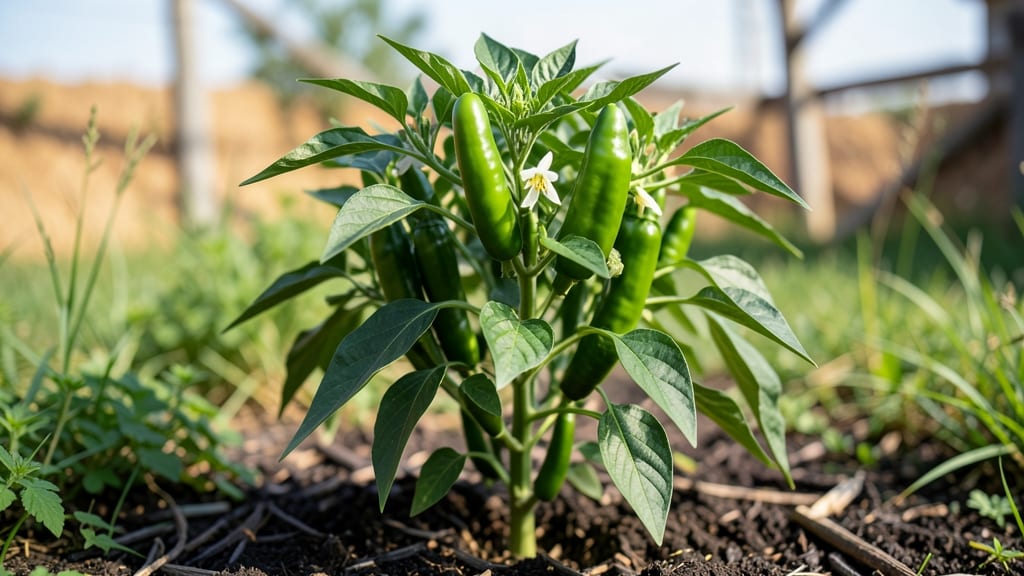
Growing green Fresno peppers is like growing a tiny firecracker—bright, bold, and packed with a punch of heat that lingers. 🌶️ These striped beauties thrive in containers, making them perfect for balconies, patios, or even sunny windowsills, even if you only have a few square feet to work with.
The key is matching their love for warmth with the right sunlight, soil, and watering routine.
They crave full sun (6+ hours daily) and well-draining soil that stays consistently moist but never soggy—think of it like a sponge that’s always slightly damp. Start seeds indoors 8-10 weeks before your last frost, or grab transplants in spring once temperatures stay above 55°F.
Containers should be at least 12 inches deep and wide enough to give each plant 18-24 inches of space to stretch out.
By midsummer, you’ll be harvesting peppers that start green but ripen to red—each one striped like a tiny neon flag. The heat level sits at 2,500-10,000 SHU, so they add serious kick to salsas, sauces, or even homemade hot sauce.
Prune suckers (those little shoots in the joint of stems) to keep energy focused on fruit production, and watch your plants reward you with a continuous harvest.
Pests like aphids or spider mites can be a nuisance, but a strong spray of water or neem oil usually does the trick. Store unripe peppers in the fridge for up to 2 weeks, or let them ripen fully on the vine for deeper flavor.
Whether you’re a first-timer or a seasoned grower, these peppers deliver bold flavor, striking looks, and a harvest that keeps coming—all in a compact package.
📚 In This Guide
- What you need
- Instructions
- Tips and common mistakes
- Wrapping up and next steps
What you need
- ● Green Fresno Pepper Seeds or Seedlings: 3–5 plants (or 1–2 per container if space is limited). Look for Capsicum annuum varieties labeled "Fresno" or "California Wonder."
- ● Containers: 5-gallon pots or larger (minimum 12" deep) with drainage holes. Pro tip: Use fabric grow bags for better aeration! 💡
- ● High-Quality Potting Mix: 10–15 lbs of well-draining, organic mix (avoid garden soil—it compacts!). Add perlite or vermiculite for extra airflow.
- ● Fertilizer: Balanced Fertilizer (10-10-10 or 5-5-5): 1 tbsp per plant at planting.
- ○ Tomato/Veggie Fertilizer (optional): 1 lb for slow-release nutrients during the season.
- ● Mulch: Straw or shredded leaves (2–3 inches) to retain moisture and suppress weeds.
- ○ Gloves & Hand Trowel: For planting and soil prep (optional but handy!).
- ● Watering Can or Hose with Nozzle: Peppers hate soggy roots—water deeply but infrequently!
- ○ Support Stakes or Cages: 3–4 ft tall (optional for bushier varieties).
- ● Pruning Shears: To trim excess leaves or leggy growth.
- ● pH Test Kit: Aim for soil pH 6.0–6.8 (peppers are picky!).
- ● Warmth: Fresno peppers thrive in full sun (6–8+ hours/day) and temperatures above 55°F (13°C). Start seeds indoors 8–10 weeks before last frost or transplant seedlings after danger of frost.
- ● Space: Containers need 18–24" spacing between plants for airflow.
- ● Patience: Germination takes 7–14 days in warm soil (70°F+).
Step-by-step instructions for growing green Fresno peppers in containers
Here's how I grow these fiery beauties—packed with flavor and perfect for small spaces.
🌱 Step 1: Choose the Right Containers and Soil Mix
Pick 5-gallon containers with drainage holes—Fresno peppers need room to sprawl. I use terracotta pots because they breathe and help prevent root rot. Fill each with a mix of 60% potting soil, 30% compost, and 10% perlite for drainage. This combo keeps roots happy without compacting.
Moisten the mix until it's damp like a wrung-out sponge—too wet and roots suffocate, too dry and they struggle to absorb nutrients. Press the soil down lightly to remove air pockets, but don't pack it tight. Fresno peppers hate soggy feet, so that perlite is non-negotiable.
☀️ Step 2: Plant Seeds or Transplants at the Right Time
Start seeds indoors 8-10 weeks before your last frost or buy sturdy transplants. Plant 2 seeds per pot, ½ inch deep, and thin to the strongest seedling after germination. If using transplants, bury them up to their first set of leaves—they'll root faster and grow bushier.
Keep soil at 70-80°F for germination. A seedling heat mat helps if your home runs cool. Once sprouts appear, move them to a sunny spot with 6-8 hours of direct light daily. You'll see first true leaves in 10-14 days—that's your cue to start fertilizing lightly with a balanced 10-10-10 mix.
💧 Step 3: Water and Feed for Maximum Heat and Flavor
Water when the top inch of soil feels dry, but never let pots sit in saucers of water. Fresno peppers are drought-tolerant once established, but they'll reward you with sweeter, hotter peppers if you keep moisture consistent. I water deeply in the morning so leaves dry by evening—this prevents fungal diseases.
Fertilize every 2-3 weeks with a low-nitrogen, high-phosphorus formula (like 5-10-10) to boost fruiting. Stop fertilizing when peppers start coloring—too much nitrogen late in the season makes plants leafy but fruitless. You'll know you're doing it right when plants produce 3-4 peppers per node.
✂️ Step 4: Prune and Support for Bigger Harvests
Pinch off early flowers if your plants look leggy—they'll focus on growing stronger stems first. Once established, prune suckers (the little shoots in the leaf axils) to direct energy to fruit production. I leave 2-3 main stems per plant for airflow and easier harvesting.
Use tomato cages or stakes to support plants as they grow. Fresno peppers can get 3-4 feet tall, and heavy fruit will snap weak stems. Tie stems to supports with soft plant ties every 6-8 inches up the plant. This keeps peppers off the ground and prevents rot.
🌿 Step 5: Harvest and Encourage Continuous Production
Pick peppers when they're 4-6 inches long and bright green with bold stripes. Use pruning shears to snip stems cleanly—this prevents disease entry points. The more you harvest, the more peppers your plant will produce. I harvest every 2-3 days in peak season to keep plants fruiting.
Save a few peppers to dry or freeze for winter use. The heat in Fresnos intensifies as they ripen, so green ones are milder but still pack a punch. If you leave them on the plant, they'll turn red and get much hotter—great for sauces but too fiery for fresh slicing.
Tips & tricks for growing bold striped Fresno peppers
These simple strategies will help you grow the most vibrant, productive Fresno pepper plants in containers—no green thumb required!
Container Selection: While 5-gallon containers are ideal, you can successfully grow Fresno peppers in 7-gallon pots too—just be prepared for slightly larger plants. Avoid plastic containers, which can trap too much moisture and cause root rot. I've had great success with fabric grow bags that allow excess water to drain while still providing good root aeration.
Germination Hack: The 70-80°F soil temperature range is critical for germination, but don't worry if your home runs cooler. Place your seed pots on a seedling heat mat or even a sunny windowsill over a heating pad set to low. You'll see those first true leaves appear in 10-14 days—that's when you know your seeds have successfully sprouted and are ready for their next growth phase.
Light Optimization: Those 6-8 hours of direct light daily are non-negotiable for healthy Fresno peppers. If your outdoor space gets less sunlight, supplement with a grow light for 4-6 hours in the evening. South-facing windows are best, but if you're using artificial light, keep it within 6 inches of the plant tops for maximum effectiveness. Rotate your containers weekly to ensure even growth.
Fertilizer Timing: The 10-10-10 balanced fertilizer is perfect for the early growth stages, but switch to a 5-10-10 formula once flowers appear to encourage fruiting. I like to fertilize right after watering so the nutrients are immediately available to the roots. Stop fertilizing completely when peppers start coloring—this prevents leafy growth at the expense of fruit production.
Pro Tips for Green Fresno Peppers
- These simple strategies will help you grow the most vibrant, productive Fresno pepper plants in containers—no green thumb required!
- Container Selection: While 5-gallon containers are ideal, you can successfully grow Fresno peppers in 7-gallon pots too—just be prepared for slightly larger plants.
- Germination Hack: The 70-80°F soil temperature range is critical for germination, but don't worry if your home runs cooler.
Frequently asked questions
Got questions about growing green Fresno peppers? You’re not alone! Here’s a quick rundown of the most common queries—plus expert tips to keep your striped harvest thriving.
How long does it take for green Fresno peppers to mature?
With the right care, you’ll see green Fresno peppers ready for harvest in about 60–75 days from transplanting. If you start seeds indoors (8–10 weeks before last frost), expect peppers to ripen by mid-to-late summer. Pro tip: Harvest early for milder heat—wait for full size (3–4 inches) but before they turn red!
Can I grow green Fresno peppers in containers?
These peppers thrive in 5-gallon containers or larger with well-draining soil. Just ensure pots have drainage holes and place them in full sun (6+ hours/day). Container hack: Mix compost into potting soil for extra nutrients, and fertilize every 2–3 weeks with a balanced organic feed.
What should I do if my green Fresno peppers turn yellow or wilt?
Yellowing leaves or wilting often signals overwatering, underwatering, or nutrient deficiency. Check soil moisture—peppers hate soggy roots but need consistent hydration. Fix it: Adjust watering (1–1.5 inches/week), improve drainage, and test soil pH (aim for 6.0–6.8). Yellow edges? Add iron or magnesium.
Are green Fresno peppers spicier than jalapeños?
Nope! Green Fresno peppers pack milder heat (2,500–5,000 SHU) than jalapeños (2,500–8,000 SHU), but flavor varies. For extra kick, let them ripen to red (heat increases slightly). Flavor tip: Roast or stuff them—their sweet, grassy notes shine in dishes like salsa verde or queso fresco!
What’s a good alternative if I can’t grow green Fresno peppers?
Try these pepper swaps for similar heat and versatility:
- Poblano peppers (mild, great for stuffing)
- Serrano peppers (hotter, but crisp and fresh)
- Thai bird’s eye peppers (tiny but fiery—use sparingly!)
Wrapping up and next steps
Growing green Fresno peppers in containers is a rewarding journey—packed with flavor, versatility, and a touch of spicy charm! 🌱 Whether you're a seasoned gardener or a curious beginner, these bold-striped beauties prove that even small spaces can yield big harvests.
With the right care, you’ll soon be enjoying homegrown peppers in everything from salsas to stir-fries.
Ready to take the next step? Start small—plant a few seeds or seedlings this season and watch your green thumb grow! Share your progress with fellow gardeners or experiment with recipes to make the most of your harvest. Happy growing! 🌿✨