
Vegetables
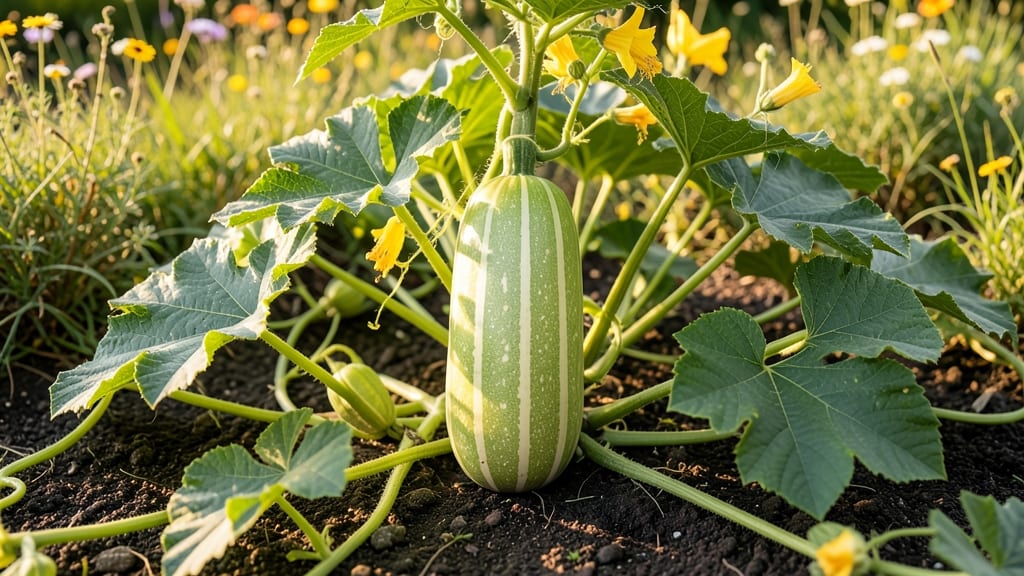
Growing green striped spaghetti squash transforms your garden into a showstopper. 🌱 This striking variety thrives where heat-sensitive plants struggle, producing vines that sprawl gracefully while delivering tender, nutty-flavored "noodles" straight from the vine.
The bold stripes aren't just pretty—they signal a plant bred for cooler climates and shorter growing seasons.
Start seeds indoors 4-6 weeks before your last frost, then transplant when soil reaches 60°F. These squash love well-draining soil mixed with compost, and they'll reward you with 3-5 pound fruits when given 6+ hours of sunlight daily.
The key? Consistent moisture—keep soil evenly damp but never soggy, especially during flowering and fruit development.
By harvest time (90-100 days after transplanting), you'll be cutting into squash with vibrant green stripes that fade to pale yellow when cooked. The texture? Perfectly stringy, like fresh pasta, with a flavor that pairs beautifully with marinara or creamy Alfredo.
Just watch for squash vine borers—cover young plants with row fabric until vines harden.
Perfect for gardeners in zones 3-7 who want something visually stunning yet productive. The striped variety stores well too, making it a great choice for fall harvests. Ready to grow your own "pasta garden"? Let's get those seeds started!
📚 In This Guide
- What you need
- Instructions
- Tips and common mistakes
- Wrapping up and next steps
What you need
- ● Seeds: 3–5 high-quality Cucurbita pepo (green striped spaghetti squash) seeds (check for heirloom or organic options for best results).
- ● Growing Space: Full sun (6–8+ hours of direct sunlight daily).
- ● Well-draining soil (pH 6.0–7.0).
- ● Space: 3–4 feet in diameter per plant (or 4–5 feet apart in rows).
- ● Fertilizer: Balanced organic fertilizer (e.g., 5-5-5 or compost) to enrich soil before planting.
- ● Mulch: Straw or shredded leaves (2–3 inches thick) to retain moisture and suppress weeds.
- ● Watering Can or Hose: With a gentle spray nozzle for consistent moisture.
- ● Garden Trowel or Transplanter: For seedling transplantation (if starting indoors).
- ● Row Cover or Mesh: To protect young plants from pests (e.g., squash bugs).
- ○ Trellis or Cage (Optional): If growing in small spaces (striped varieties can get heavy!).
- ● Pruning Shears: For trimming excess vines (if needed).
- ● Gloves & Sunscreen: Because gardening is best done with protected hands and skin! ☀️
Step-by-step instructions for growing green striped spaghetti squash
Here's how I grow this striking variety—long vines, bold stripes, and tender strands every season.
🌱 Step 1: Choose the Right Location and Prepare Soil
Green striped spaghetti squash thrives in full sun with at least 6-8 hours of direct light daily. I plant mine in a south-facing bed where the soil stays warm into early fall—this variety matures slower than standard types. Work in 3-4 inches of compost before planting to improve drainage, since squash roots hate soggy soil.
Test your soil's pH first—aim for 6.0-6.8. If your garden runs acidic, add a handful of lime per planting hole. The striped pattern develops best when plants receive consistent warmth and moisture, so avoid rocky or compacted areas where roots can't spread freely.
☀️ Step 2: Start Seeds Indoors or Direct-Sow After Frost
I start seeds 4 weeks before last frost in biodegradable pots filled with seed-starting mix. Press seeds 1 inch deep—they're larger than typical squash seeds—and keep soil at 80-90°F for germination. A seedling heat mat speeds this up dramatically. Expect sprouts in 7-14 days, though cooler rooms may take longer.
For direct sowing, wait until soil reaches 70°F and all frost risk has passed. Plant 3 seeds per hill, spacing hills 6 feet apart—this variety's vines spread aggressively. Thin to the strongest seedling per hill once true leaves appear. I always mark hills with bamboo stakes to avoid disturbing roots during harvest.
💧 Step 3: Maintain Consistent Moisture and Fertility
Water deeply 2-3 times per week, aiming for 1-2 inches of moisture weekly. The striped pattern intensifies when plants receive steady hydration, but avoid overhead watering after seedlings emerge—it spreads fungal diseases. I use soaker hoses buried in mulch to deliver water directly to roots while keeping foliage dry.
Side-dress with balanced organic fertilizer (10-10-10) when vines reach 3 feet long, then again at flowering. The bold stripes develop most vibrantly when plants receive consistent nutrients. Watch for yellowing leaves—this signals either overwatering or nitrogen deficiency. Adjust accordingly.
✂️ Step 4: Prune and Support Vines for Maximum Yield
Train vines along 5-foot tall trellises to save space and improve air circulation. I prune suckers (side shoots) growing below the first flower cluster to direct energy toward fruit development. Remove any leaves touching the ground to prevent rot and pest entry points.
When fruits reach 20-24 inches long, they're ready to harvest. The stripes should be fully visible and the rind hard when pressed. Use pruning shears to cut stems—never twist—leaving 2 inches of stem attached to prevent rot. I harvest on cool mornings for best flavor and storage life.
🌿 Step 5: Cure and Store for Winter Use
After harvesting, cure squash in a warm (85°F), dry place for 10 days. This hardens the skin and concentrates sugars. I place them on a wire rack in my garage, rotating daily for even curing. Properly cured squash stores for 2-3 months at 50-55°F in a dark, dry location.
For best results, avoid washing until ready to cook. The curing process is critical—uncured squash spoils quickly and develops off flavors. When ready, the rind should be tough and the stem scar dry and hard. Store with good air circulation to prevent mold.
Tips & tricks for growing stunning green striped spaghetti squash
These game-changing insights will help you cultivate the most vibrant striped squash in your garden—no matter your growing experience level.
Location and Soil Secrets: The 6-8 hours of full sun requirement is non-negotiable for those bold stripes, but here's what I've learned: position your plants where they receive morning sun and afternoon shade in hot climates to prevent stress. I've found that adding a 1-inch layer of coarse sand to the bottom of planting holes improves drainage dramatically, especially in clay-heavy soils. The striped pattern actually develops more intensely when roots encounter slight resistance from well-amended soil—think of it like giving your squash a gentle workout!
Seed Starting Strategy: That 4-week indoor head start before last frost is crucial, but don't be tempted to rush germination. I've discovered that maintaining soil temperatures between 80-90°F consistently (using a heat mat) reduces germination time from the full 14-day range down to just 7-10 days. Pro tip: If you're direct sowing, wait until soil reaches 70°F—any cooler and your seeds may rot before sprouting. I always test soil temperature with a simple thermometer before planting.
Watering Wisdom: The 2-3 times per week guideline works, but timing matters more than frequency. Water deeply in the morning so foliage has all day to dry, preventing fungal issues that can dull those stripes. I've noticed the most vibrant striping occurs when plants receive about 1.5 inches of water weekly—just enough to keep soil consistently moist but not soggy. For container growing, use self-watering pots to maintain that precise moisture level without guesswork.
Harvesting Cues: Those 20-24 inch fruits might look ready, but here's the real test: gently press the rind with your thumbnail. It should feel firm but not hard—like pressing your cheek. I harvest on cool mornings because the sugars concentrate overnight, giving you that perfect balance of sweetness and texture. And that 2-inch stem attachment? It's not just about preventing rot—it also helps the curing process work more efficiently.
Pro Tips for Green Striped Spaghetti Squash
- These game-changing insights will help you cultivate the most vibrant striped squash in your garden—no matter your growing experience level.
- I've found that adding a 1-inch layer of coarse sand to the bottom of planting holes improves drainage dramatically, especially in clay-heavy soils.
- Seed Starting Strategy: That 4-week indoor head start before last frost is crucial, but don't be tempted to rush germination.
Frequently asked questions
Got questions about growing or using green striped spaghetti squash? You’re not alone!
Here are answers to the most common queries—from planting tips to troubleshooting—so you can grow this stunning (and delicious) variety with confidence.
How long does it take for green striped spaghetti squash to mature?
Green striped spaghetti squash typically takes 90–110 days from transplanting to harvest, depending on your climate. In cooler regions, it may lean toward the longer end of that range. Start seeds indoors 4–6 weeks before your last frost for a head start, or plant directly in warm soil after all frost risk has passed.
Can I eat the green stripes on spaghetti squash?
The green stripes are edible and add a subtle, slightly nutty flavor. Unlike some heirloom varieties, the rind is thin and tender when cooked. For the best texture, roast or boil the squash until the flesh pulls apart easily into "spaghetti" strands—no peeling required!
Does green striped spaghetti squash grow well in cold climates?
Yes! This variety is well-suited for cooler climates (USDA Zones 3–8) and thrives in temperatures between 60–85°F. It tolerates light frosts better than many squash varieties, but avoid planting until soil is at least 60°F. Extend the season with row covers or black plastic mulch to protect young plants.
What can I do if my spaghetti squash flowers fall off?
Dropping flowers (a sign of stress or poor pollination) can happen due to temperature swings, pests, or lack of bees. To help:
- Hand-pollinate flowers with a soft brush in the morning.
- Ensure consistent watering (1–2 inches per week).
- Use row covers to protect from pests like squash vine borers.
- Plant near bee-friendly flowers (like marigolds or nasturtiums) to attract pollinators.
What’s a good alternative if I can’t grow spaghetti squash?
If space or climate is a challenge, try these similar low-maintenance squash:
- Butternut squash: Sweeter, easier to grow, and stores well.
- Delicata squash: Edible skin, fast-growing (80 days), and cold-hardy.
- Zucchini or yellow squash: Quick harvest (45–55 days) and versatile.
Wrapping up and next steps
Growing green striped spaghetti squash is a rewarding adventure that brings bold flavor and striking visuals to your garden—even in cooler climates! With the right soil, spacing, and care, you’ll soon enjoy its unique, noodle-like texture and vibrant stripes.
Whether you’re a seasoned gardener or a curious beginner, this variety is a fantastic addition to your harvest.
Ready to take the next step? Grab your seeds, mark your calendar for planting, and watch your garden transform into a spaghetti squash paradise! 🌱🍽️