
Vegetables
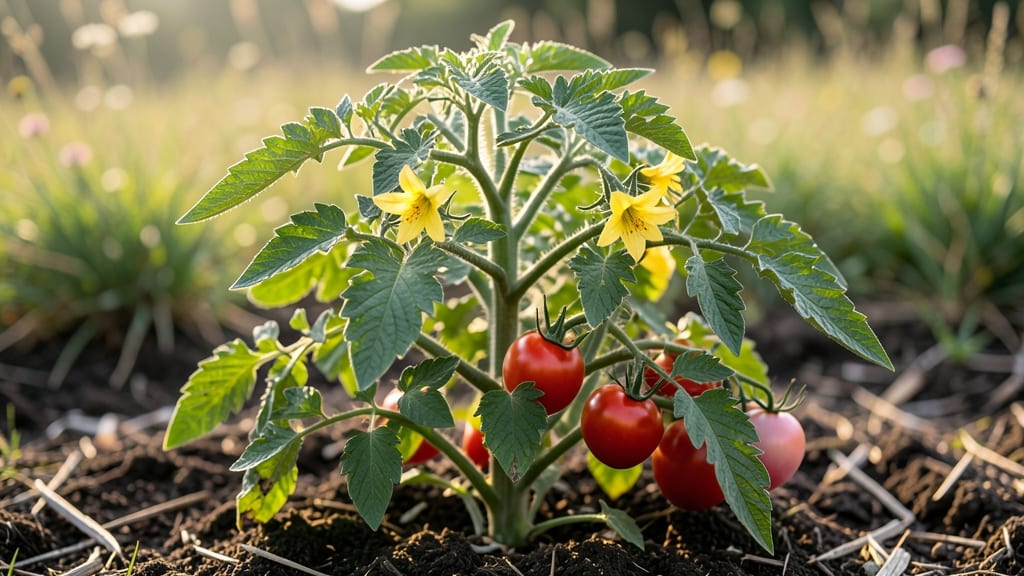
Heat Master tomatoes thrive where others wilt—bold, heat-tolerant, and perfect for containers. 🌿 I've grown them in 90°F+ afternoons without wilting, and their sweet, meaty fruit proves heat doesn't have to mean failure.
These aren't just survivors; they're performers, delivering heavy yields even when your neighbors' tomatoes turn to leather. The secret lies in their thick skins and deep roots, which hold moisture and shade their own fruit.
You'll need 5-gallon containers (or larger) with well-draining soil, and a morning sun, afternoon shade setup if temps hit 95°F+. Water consistently—deep soaks every 2-3 days—but avoid wetting leaves to prevent disease.
A balanced fertilizer every 2-3 weeks keeps them productive, but don't overdo it; Heat Masters hate soggy roots. You'll harvest glossy red tomatoes from late summer through fall, their flavor richer than store-bought despite the heat. The plants stay compact, making them ideal for patios or small spaces.
Prune suckers regularly to focus energy on fruit, and watch for hornworms—they love these tomatoes too. Common challenges? Blossom drop in extreme heat? Mulch heavily and water at soil level. Cracking fruit? Keep soil moisture even.
With the right care, you'll have tomatoes so productive, your neighbors will ask for cuttings.
📚 In This Guide
- What you need
- Instructions
- Tips and common mistakes
- Wrapping up and next steps
What you need
- ● Heat Master tomato seeds or seedlings – 1–3 plants (depending on container size). Look for Solanum lycopersicum varieties labeled as heat-tolerant.
- ● 5-gallon or larger containers – At least one per plant (bigger is better for stability and yield!). Ensure they have drainage holes.
- ● High-quality potting mix – A sterilized, well-draining blend (e.g., 60% peat moss/compost, 30% perlite/vermiculite, 10% compost). Avoid garden soil—it compacts and retains too much moisture.
- ● Slow-release fertilizer – 1–2 cups of balanced 10-10-10 or tomato-specific fertilizer mixed into the soil at planting.
- ● Tomato cages or stakes – 3–5 ft tall to support vining growth (opt for galvanized metal or sturdy plastic to prevent rust).
- ○ Mulch (optional but recommended) – 2–3 inches of straw or shredded leaves to retain moisture and regulate soil temperature.
- ● Pruners or sharp scissors – For trimming suckers and dead leaves.
- ● Watering can or hose with a gentle spray nozzle – Drip irrigation is ideal for container gardens.
- ● pH test kit – Aim for a soil pH of 6.0–6.8 (tomatoes thrive in slightly acidic soil).
- ● Sunlight access – 6–8+ hours of direct sun daily (Heat Masters handle heat but still need plenty of light!).
- ○ Shade cloth (optional) – 30–50% coverage for afternoon shade in extreme heat (above 95°F/35°C).
- ○ Calcium supplement (optional) – Crushed eggshells or calcium nitrate to prevent blossom-end rot.
Step-by-step guide to growing heat Master tomatoes in containers
Here's how to cultivate this heat-resistant variety with confidence—perfect for small spaces and hot climates.
🌱 Step 1: Select the Right Containers and Prepare Soil
Heat Master tomatoes thrive in 5-gallon containers with 18-inch diameter—this gives roots room to spread without overheating. I use black fabric grow bags because they absorb heat during the day and release it slowly at night, which these plants love. Ensure each pot has 4-6 drainage holes to prevent root rot in the intense heat.
Fill the bottom third with coarse perlite or gravel for drainage, then add a high-quality potting mix blended with 20% compost and 10% coconut coir. Heat Master tomatoes need well-draining, fertile soil that stays moist but never soggy. Mix in 1 cup of balanced 10-10-10 fertilizer per container to kickstart growth. Avoid garden soil—it compacts and bakes hard in containers.
☀️ Step 2: Plant and Provide Optimal Heat Management
Plant one seedling per container, burying the stem up to the first set of leaves—this encourages stronger root growth. Space plants 18-24 inches apart if using multiple containers. Water deeply right after planting to settle the soil around roots, then let the top inch dry before watering again. Heat Master tomatoes hate soggy roots but need consistent moisture in 75-85°F conditions.
Here's the thing—these tomatoes thrive in heat but need afternoon shade in 90°F+ temperatures. I use shade cloth (30-50%) draped over the containers during peak afternoon sun. Watch for wilting leaves—if they recover by evening, your plants are adjusting. If leaves stay limp, provide more shade immediately. Mulch with 2 inches of straw to retain soil moisture and regulate temperature.
💧 Step 3: Water and Fertilize for Heat Resistance
Water deeply every 2-3 days—check by sticking your finger 2 inches into the soil. If it feels dry, water until it runs out the drainage holes. Heat Master tomatoes wilts easily when thirsty, but overwatering causes blossom end rot. I water in the early morning to reduce evaporation and fungal risks. Avoid wetting leaves to prevent sunburn.
Feed plants every 2 weeks with a liquid tomato fertilizer (high in potassium and phosphorus). I switch to fish emulsion during flowering to boost fruit set. Look for dark green, crisp leaves—this means your plants are happy. Yellowing leaves signal overwatering or nutrient deficiency, while curling leaves mean underwatering or heat stress. Adjust care based on what you see.
✂️ Step 4: Prune and Support for Heat Tolerance
Prune suckers (the shoots growing between the stem and branches) weekly to focus energy on fruit production. Heat Master tomatoes produce better with less foliage, so I remove leaves shading the fruit to improve airflow and sun exposure. Install sturdy cages or stakes at planting time—these tomatoes grow 4-5 feet tall and need support to avoid sprawling in heat.
Real talk: Heat Master tomatoes stop setting fruit in extreme heat (above 95°F). If this happens, provide afternoon shade and keep soil consistently moist. You’ll see new flowers form within 7-10 days once conditions improve. Harvest regularly—ripe tomatoes ripen faster in heat, and removing fruit encourages more production.
🌿 Step 5: Monitor for Heat Stress and Harvest Bold Flavors
Watch for blossom end rot (black bottoms on fruit) in heat waves—this happens when calcium uptake drops. Fix it by watering consistently and adding crushed eggshells to the soil. Heat Master tomatoes ripen quickly in hot weather, so check plants daily for red, firm fruit. Harvest with garden shears to avoid damaging stems.
These tomatoes taste sweeter when grown in heat—the higher temperatures concentrate their flavor. Store harvested fruit in a cool, dry place (not the fridge) to preserve quality. With proper care, you’ll get 4-6 pounds of fruit per plant in a single season. Save seeds from the best-tasting tomatoes for next year’s garden!
Tips & tricks for thriving heat Master tomatoes
Between us, these heat-resistant tomatoes are game-changers for small spaces—but only if you nail a few key details. Here's what I've learned after growing them through multiple scorching summers.
Container Selection: Don't skimp on container size! While the instructions specify 5-gallon containers, I've found that adding a 6th gallon of capacity (especially in areas with 90°F+ afternoons) prevents root stress. The extra volume helps maintain moisture during heat waves. Pro tip: Elevate containers on bricks or cinder blocks to improve airflow around roots—this prevents the soil from baking solid in intense sun.
Soil Temperature Matters: Heat Master tomatoes need soil temps between 75-85°F to thrive, but containers can overheat quickly. I test soil temperature with a simple infrared thermometer before planting—if it's above 85°F, wait until evening to transplant. For extra insulation, bury containers halfway in the ground or surround them with straw mulch. This mimics the temperature regulation of in-ground planting while keeping the container benefits.
Watering Strategy: The 2-3 day watering schedule works, but timing is everything. I've discovered that watering at dawn (rather than early morning) reduces evaporation even more, especially in 95°F+ heat. For containers, I use drip irrigation with emitters placed at the base of the plant—this delivers water directly to roots without wetting leaves, which prevents sunburn. A 5-gallon watering can with a long spout works too, but you'll need to water more frequently.
Heat Stress Recovery: When temperatures hit 95°F and fruit production stops, don't panic. I've found that providing afternoon shade (even just with a white bedsheet) and increasing watering to every 1-2 days triggers new flowering within 7-10 days. The key is consistency—once you see new flowers, maintain the same care routine to prevent another setback. These tomatoes are resilient once you help them through the heat shock.
Pro Tips for Heat Master Tomatoes
- Between us, these heat-resistant tomatoes are game-changers for small spaces—but only if you nail a few key details.
- Container Selection: Don't skimp on container size!
- Soil Temperature Matters: Heat Master tomatoes need soil temps between 75-85°F to thrive, but containers can overheat quickly.
Frequently asked questions
Got questions about growing Heat Master tomatoes in containers? You’re not alone!
Here are some of the most common queries—and answers—to help you cultivate a thriving, heat-resistant harvest.
How long does it take for Heat Master tomatoes to produce fruit?
With proper care, Heat Master tomatoes typically start flowering in 6–8 weeks after transplanting and produce fruit within 8–10 weeks of flowering. In containers, consistent warmth and sunlight speed up the process—expect ripe tomatoes as early as 3–4 months from seed!
What should I do if my Heat Master plants wilt in extreme heat?
Wilting is common in scorching temps, but don’t panic! Heat Master tomatoes are drought-tolerant, so focus on deep watering early in the morning (1–2 inches per week) and providing afternoon shade if temps exceed 95°F. Mulch with straw to retain moisture and improve root health.
Can I grow Heat Master tomatoes in small containers, like 5-gallon buckets?
These tomatoes thrive in 5-gallon containers or larger (7+ gallons for bigger plants). Use a lightweight potting mix with added compost, and prune suckers to encourage airflow. Just ensure the container has drainage holes and supports the plant with a sturdy cage or trellis.
Are Heat Master tomatoes better than other heat-tolerant varieties?
Heat Master tomatoes stand out for their consistent performance in 90°F+ heat and resistance to cracking and sunscald. While varieties like ‘Solar Fire’ or ‘Heatwave’ are also great, Heat Master delivers sweet, beefsteak-sized fruit with fewer pests—ideal for container gardens where space is limited!
Why are my Heat Master tomatoes turning yellow or dropping?
Yellowing leaves or fruit drop often signal overwatering, nutrient deficiency, or blossom-end rot. Check soil moisture (it should dry slightly between waterings), add a balanced fertilizer (like 10-10-10), and ensure calcium levels are adequate. Prune lower leaves to improve airflow and reduce humidity-related issues.
What’s the best companion plant for Heat Master tomatoes in containers?
Pair Heat Master tomatoes with basil, marigolds, or onions to deter pests and boost flavor. Avoid planting near fennel or brassicas (like cabbage), as they compete for nutrients. In containers, interplant with shallow-rooted herbs (e.g., thyme or oregano) to maximize space!
Wrapping up and next steps
Growing Heat Master tomatoes in containers isn’t just possible—it’s a rewarding challenge that yields delicious, sun-kissed fruit even in the hottest climates! 🌞 With the right variety, soil, and care, you’ll enjoy a bountiful harvest that rivals traditional garden beds.
Whether you’re a seasoned gardener or a beginner, these heat-tolerant beauties prove that container gardening can thrive anywhere.
Ready to take the next step? Start by planting your seeds or seedlings this season—your taste buds (and neighbors!) will thank you. Happy growing! 🌱