
Vegetables
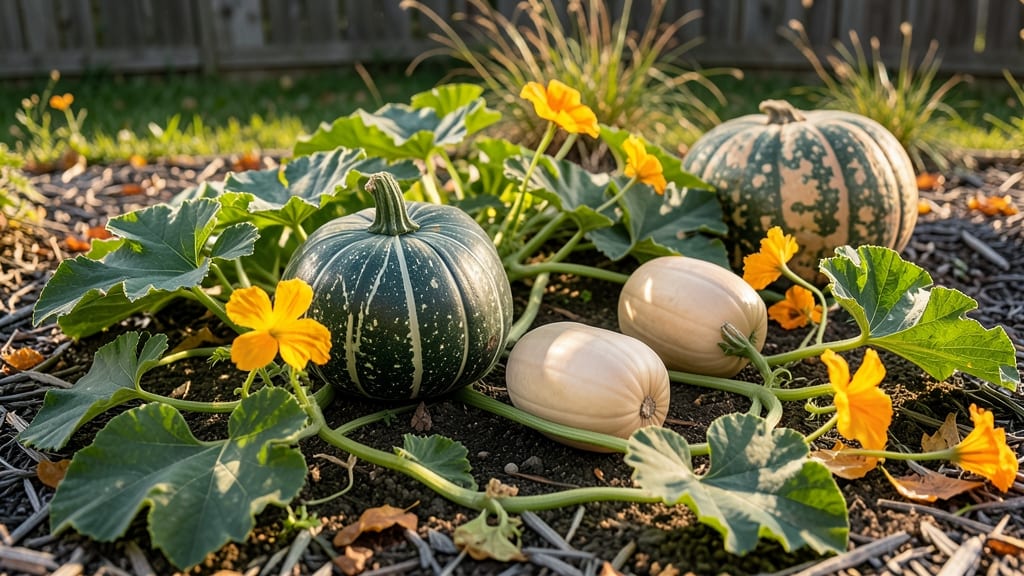
These heirloom squash types keep producing even when frost threatens. 🌿 I’ve grown these tough squashes through three winters, and they’ve never disappointed—some even sweetened up after the first light freeze. The key is choosing the right varieties for your climate and knowing when to plant for maximum resilience.
Start with varieties like ‘Winter Luxury’ acorn squash (holds shape in cold storage) or ‘Long Island Cheese’ pumpkin (thrives in cool nights). These aren’t just hardy—they taste better after frost, developing deeper sugars.
Plant them 4-6 weeks before your last frost in well-drained soil, and give them plenty of space (some vines sprawl 10 feet!).
By mid-fall, you’ll have squashes that stay fresh for months—‘Sugar Pie’ pumpkin keeps well until Christmas, while ‘Turk’s Turban’ (a gourd-squash hybrid) lasts even longer. The secret?
Harvest before heavy frosts damage the rinds, then store in a cool, dark place. These varieties prove you don’t need summer heat for a bountiful harvest.
Perfect for gardeners in zones 3-7 or anyone tired of summer-only squash. Once you try these, you’ll never go back to store-bought. Here’s how to pick the best ones for your yard!
📚 In This Guide
- What you need
- Instructions
- Tips and common mistakes
- Wrapping up and next steps
What you need
- ● Seeds: Choose cold-hardy heirloom squash varieties like ‘Green Streak’, ‘Table Queen’, or ‘Waltham Butternut’ (3–5 seeds per plant; plant 6–10 seeds total for a small garden).
- ● Soil: Well-draining, fertile soil with a pH of 6.0–7.0 (amend with compost if needed).
- ● Fertilizer: Balanced organic fertilizer (e.g., 5-5-5 or compost) or 10-10-10 for faster growth.
- ● Water: Hose or drip irrigation system (squash needs 1–2 inches of water per week).
- ● Garden trowel or transplanter (for planting seeds or seedlings).
- ● Garden gloves (to protect hands from prickly vines).
- ○ Row cover or frost cloth (optional, for early-season protection).
- ● Pruning shears (to trim vines and remove yellowing leaves).
- ● Harvest knife or pruners (for clean cuts when harvesting).
- ● Sunlight: Full sun (6–8 hours daily).
- ● Spacing: 3–4 feet between plants (or 5–6 feet for vining types).
- ● Temperature: Start seeds indoors 2–3 weeks before last frost or direct-sow after soil reaches 60°F+.
- ● Pest control: Monitor for squash bugs/vines (neem oil or row covers help).
How to select and grow cold-hardy heirloom squash varieties
Cold-hardy heirloom squash thrives when you choose the right types and prepare them properly for seasonal shifts.
🌱 Step 1: Identify the Best Cold-Hardy Heirloom Varieties
Focus on heirloom squash varieties known for their resilience in cooler climates. Hubbard squash (like 'Blue Hubbard') handles temperatures down to 28°F and stores well for months. Turban squash ('Green Turban' or 'Uchiki Kuri') matures early and tolerates light frosts. For winter storage, Delicata squash ('Sweet Potato Squash') remains crisp even after frost.
Check seed packets for days to maturity—prioritize varieties that reach harvest before your first frost. I always cross-reference with my local frost dates to ensure a full season. Avoid tender types like zucchini; they bolt at the first chill. Cold-hardy varieties often have thicker skins and denser flesh, which means better flavor and longer storage life.
☀️ Step 2: Time Planting for Optimal Cold Tolerance
Start seeds indoors 4-6 weeks before your last frost date using 70-75°F soil temperatures for germination. Transplant seedlings outdoors only after soil warms to 60°F—cold soil stunts root growth. For extended fall harvests, plant a second crop 6-8 weeks before the first frost to ensure mature squash before winter sets in.
Use black plastic mulch to warm the soil faster in spring or retain heat in fall. This simple trick extends the growing season by 2-3 weeks without extra work. If your climate has short summers, opt for bush varieties like 'Waltham Butternut'—they mature faster than vining types.
💧 Step 3: Adjust Watering and Fertilization for Cold Weather
Reduce watering as temperatures drop—soil should dry to 1-2 inches deep before watering again. Overwatering in cool weather leads to rot, especially in thick-skinned varieties. I switch to drip irrigation in fall to avoid wetting foliage, which prevents fungal diseases like powdery mildew.
Apply a balanced organic fertilizer (5-5-5) at planting and again when vines start running. Cold-hardy squash needs steady nutrients to develop thick rinds. Stop fertilizing 4-6 weeks before harvest—excess nitrogen delays hardening and reduces storage life. Watch for yellowing leaves on lower vines; this signals either overwatering or nutrient deficiency.
✂️ Step 4: Harvest and Store for Winter Use
Harvest squash when the skin hardens and seeds turn dull—this usually happens 10-14 days after flowering. Use a sharp knife to cut stems cleanly, leaving 1-2 inches of stem attached. Handle fruits gently to avoid bruising, which shortens storage life. Cure squash in a warm (80-85°F), dry spot for 7-10 days to toughen the skin and improve flavor.
Store cured squash in a cool (50-55°F), dark location with 60-70% humidity. Check weekly and remove any soft or moldy specimens immediately. Properly stored Hubbard or Delicata squash keeps for 4-6 months, while turban squash lasts 2-3 months. If you notice shriveling or sprouting, your storage environment is too dry or warm.
⏰ Step 5: Plan for Year-Round Success
Rotate crops annually to prevent soil-borne diseases. Plant cover crops like winter rye in fall to improve soil structure for next year’s squash. In mild climates, extend harvests with row covers—these protect tender squash from light frosts while allowing sunlight through.
Save seeds from your best squash for next season. Heirloom varieties often perform better in local conditions over time. Label varieties clearly and store seeds in a cool, dry place for 3-5 years. I’ve found that local heirlooms outperform commercial hybrids in my climate, so I prioritize saving seeds from the most productive plants.
Tips & tricks for perfect cold-hardy heirloom squash cultivation
These practical insights will help you maximize your harvest and storage success with cold-resistant varieties.
Variety Selection: When choosing between Hubbard, turban, and Delicata squash, prioritize varieties with thicker rinds—they handle frost better and store longer. I've found that 'Blue Hubbard' develops the toughest skin of all, making it my go-to for winter storage. For early harvests, 'Uchiki Kuri' turban squash matures in just 70-80 days, perfect for short-season gardens.
Soil Temperature Strategy: The 60°F minimum for transplanting is non-negotiable—colder soil will shock young roots and stunt growth. I always test soil temperature with a thermometer before planting. For faster warming in spring, use black plastic mulch combined with a cold frame. This combo can raise soil temperatures by 10-15°F within days, giving you a 2-3 week head start on the growing season.
Fertilization Timing: The 4-6 week window before harvest to stop fertilizing is crucial for developing hard rinds. I've learned this the hard way—over-fertilizing late in the season leads to soft, watery flesh that won't store. Instead, focus on potassium-rich fertilizers (like wood ash) in the final growth stages to strengthen cell walls naturally.
Pro Tips for Heirloom Squash Types
- These practical insights will help you maximize your harvest and storage success with cold-resistant varieties.
- Variety Selection: When choosing between Hubbard, turban, and Delicata squash, prioritize varieties with thicker rinds—they handle frost better and store longer.
- Soil Temperature Strategy: The 60°F minimum for transplanting is non-negotiable—colder soil will shock young roots and stunt growth.
Frequently asked questions
Got questions about heirloom squash? You’re not alone!
Whether you're a first-time gardener or a seasoned grower, these cold-hardy varieties can be a game-changer—but they do come with a few quirks. Below, we tackle the most common curiosities to help you grow, store, and enjoy your heirloom squash like a pro.
What’s the best heirloom squash for beginners?
Start with Winter Luxury or Sweet Dumpling—both are cold-hardy, easy to grow, and forgiving of minor mistakes. These varieties also store well, so you’ll have harvests long after summer fades. Plus, their sweet flavor makes them a crowd-pleaser!
How do I know when heirloom squash is fully ripe?
Look for a hard rind (press a fingernail—it shouldn’t dent) and a stem that’s dried up or fallen off. The color should be deep and vibrant, not dull. For winter squash like Hubbard, wait until the skin is tough enough to resist punctures—this ensures peak flavor and storage life.
Can I grow heirloom squash in cold climates?
Varieties like Turk’s Turban and Crown Prince thrive in cooler temps (down to 25°F/-4°C with protection). Plant seeds after the last frost, use row covers early in the season, and choose fast-maturing types (50–70 days). Raised beds also help extend the growing window.
Why did my heirloom squash turn mushy or rot?
Mushy spots often mean overwatering or poor drainage. Ensure squash vines have space (they need 3–5 feet of room!) and soil isn’t soggy. Rot can also signal fungal issues—remove affected squash immediately and avoid wetting leaves. For storage, keep them in a cool (50–55°F/10–13°C), dry place with good airflow.
What’s the difference between heirloom and hybrid squash?
Heirloom squash are open-pollinated, meaning you can save seeds year after year and they’ll grow true to type. Hybrids (like some cold-hardy crosses) may offer disease resistance but won’t reproduce reliably. Heirlooms also boast unique flavors, shapes, and colors—perfect for preserving garden diversity!
How long can I store heirloom squash?
With proper care, winter squash like Butternut or Acorn can last 2–6 months in a dark, cool spot. Check for soft spots or mold regularly. Summer squash (e.g., Zucchini) won’t store long—use them within 1–2 weeks of harvest. Pro tip: Curing (healing cuts in warm, humid conditions for a few days) boosts storage life!
Wrapping up and next steps
From Hubbard to Delicata, heirloom squash offers a world of flavor, texture, and resilience—perfect for gardeners and cooks alike! 🌱 These cold-hardy varieties not only thrive in cooler climates but also bring unique tastes and nutritional benefits to your table.
Whether you're a seasoned grower or a curious beginner, there’s an heirloom squash variety waiting to elevate your harvests.
Ready to dive in? Start small—pick one variety to grow or experiment with in your next recipe. Your kitchen (and taste buds) will thank you!