
Vegetables
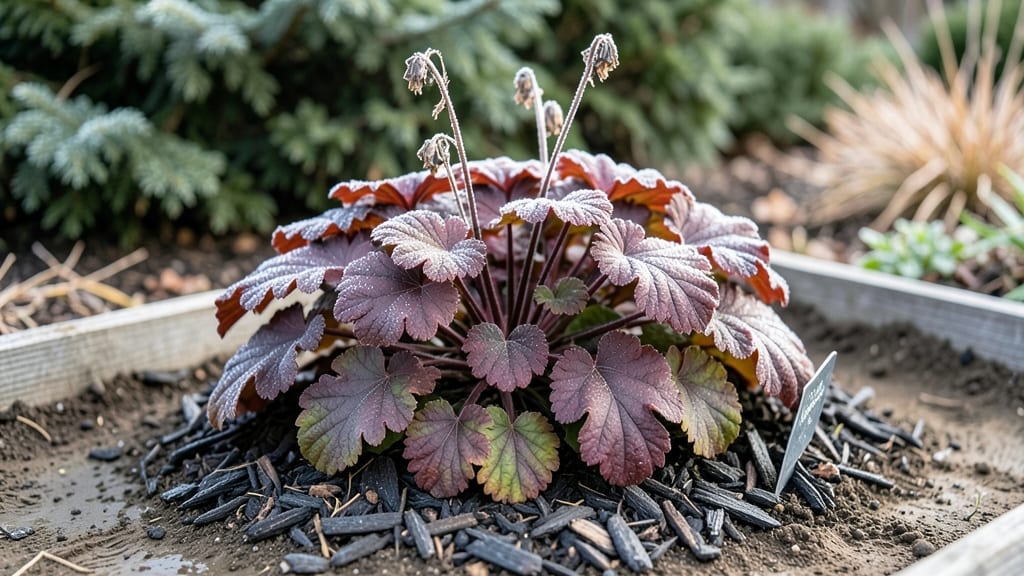
Heuchera thrives in winter when most gardeners have given up on color—its deep purple, lime, and silver leaves stay strikingly bold even under snow. 🌿 I’ve watched mine survive -15°F winters with just a little prep, and the secret isn’t complicated: it’s about protecting the roots and leaves from harsh winds and drying cold.
The key is mulching right and knowing when to prune (or not prune at all).
Most winter damage comes from leaf scorch or root heave when soil freezes and thaws. Start by adding a 3-4 inch layer of shredded bark or straw mulch after the first frost—this insulates roots while letting moisture seep through.
Avoid thick layers that smother the plant, and keep mulch 6 inches away from stems to prevent rot. For extra protection in extreme cold, wrap tender varieties in burlap or use frost cloth.
Pruning in winter is optional—some gardeners trim dead foliage in early spring, while others leave the old leaves as natural insulation. If you prune now, cut back 1-2 inches above the ground to encourage fresh growth.
The real magic happens in late winter when new shoots emerge, often brighter and more vibrant than the previous year’s foliage. Just avoid heavy pruning until after the last frost.
Here’s the game-changer: water less in winter. Heuchera goes semi-dormant, so soak the soil once every 3-4 weeks unless you’re in a drought-prone area. Overwatering in cold soil leads to root rot, and that’s the last thing you want before spring.
With these simple steps, your coral bells will burst back to life with fresh, glossy leaves by April.
📚 In This Guide
- What you need
- Instructions
- Tips and common mistakes
- Wrapping up and next steps
What you need
- ● Heuchera plants (hardy varieties like Heuchera ‘Palace Purple’ or Heuchera ‘Lime Rickey’—check USDA Zone 4-9 suitability).
- ● Well-draining potting mix (10-15 gallons, amended with perlite or sand for aeration).
- ○ Containers (optional for potted heuchera): 12-18" pots with drainage holes (1-2 plants per pot).
- ● Mulch (3-4 inches of shredded bark, straw, or leaves for in-ground plants).
- ● Garden gloves (heavy-duty for handling frost-sensitive foliage).
- ● Pruners or shears (sterilized, for trimming dead leaves post-winter).
- ● Watering can or hose with adjustable nozzle (for gentle hydration).
- ● Frost cloth or burlap sacks (lightweight, breathable cover for sudden freezes).
- ● Slow-release fertilizer (balanced 10-10-10, 1 tbsp per plant in early spring).
- ● Plant supports (small stakes for heavy foliage if winds are fierce).
- ● Thermometer (to monitor temps—heuchera tolerates down to -25°F but may need protection below 20°F).
- ● Epsom salt (1 tsp dissolved in water monthly to boost magnesium for vibrant leaves).
How to protect and maintain heuchera through winter
Here's how to keep your heuchera's stunning foliage vibrant even when frost arrives.
🌿 Step 1: Assess Your Heuchera’s Cold Hardiness
First, identify your heuchera variety's USDA hardiness zone rating—this determines how much winter protection it truly needs. Most garden varieties handle Zone 5 or higher, but newer hybrids or tropical-leaf types may need extra care. Look for purple or bronze foliage first—these colors often signal varieties with better cold tolerance.
Check the plant's overall health before winter. If your heuchera has yellowing leaves or weak stems, it's less likely to survive harsh winter conditions. Healthy plants with vibrant fall colors and sturdy stems are your best bet for winter survival. I always remove any dead or diseased foliage in early fall—this prevents rot from spreading to the crown during freeze-thaw cycles.
❄️ Step 2: Prepare Mulch for Insulation
Once temperatures consistently dip below 30°F, it's time to apply a 3-4 inch layer of mulch around the base of your heuchera. I use shredded hardwood bark or straw because they break down slowly and provide long-lasting insulation. Avoid fresh wood chips—they can draw moisture away from the roots.
Spread the mulch in a donut shape, leaving a 2-inch gap around the crown to prevent rot. The mulch should extend out to the plant's drip line. This creates a protective barrier that insulates the roots from extreme temperature swings. In particularly cold climates (Zone 4 or lower), I double the mulch layer after the first hard frost.
☀️ Step 3: Adjust Watering for Winter Conditions
Reduce watering significantly once temperatures drop below 40°F. Heuchera enters dormancy and requires far less moisture. Water only when the soil feels completely dry 2-3 inches down—stick your finger in to check. Overwatering in winter leads to root rot, especially when combined with frozen soil.
I water in the early morning to allow any moisture to penetrate before nighttime freezing. If your area gets heavy snow, you can skip watering entirely until spring. The snow acts as natural insulation and provides moisture when it melts. Watch for ice encasement around leaves—gently brush it off to prevent damage, but avoid disturbing the plant itself.
🪴 Step 4: Protect Tender Varieties with Winter Shelter
For heuchera varieties with tropical or delicate foliage (like 'Lime Rickey' or 'Palace Purple'), create a temporary shelter using burlap or frost cloth. Install a lightweight frame around the plant and drape the fabric loosely—it should allow airflow but block harsh winds. Secure the edges with stakes or bricks to prevent flapping.
Remove the shelter on mild winter days (above 35°F) to prevent overheating and mold buildup. I always check for condensation inside the shelter—if it's damp, leave it off for 24 hours to dry out. This method works best for container-grown heuchera too. Simply move pots to a protected location against a north-facing wall where they're shielded from winter winds.
⏰ Step 5: Monitor and Adjust Through Winter
Check your heuchera every 2-3 weeks during winter to ensure it's holding up. Look for brown, crispy foliage—this is normal as the plant goes dormant. However, if you see blackened stems or mushy leaves, it's a sign of rot from too much moisture or poor airflow.
In late winter (around February in most climates), remove any remaining mulch and inspect the crown. If it looks healthy and firm, your heuchera will likely bounce back with new growth in spring. If you notice soft or discolored tissue, trim it back immediately and adjust your winter care approach for next year. I always make notes about which varieties handled winter best—this helps me plan future plantings.
Tips & tricks for protecting heuchera through winter
Winterizing heuchera isn't just about survival—it's about preserving that show-stopping foliage until spring. Here's how to give your plants the best shot at thriving through the cold months.
Zone-Specific Preparation: The 30°F threshold in Step 2 isn't arbitrary—it's when most heuchera varieties start experiencing stress. For gardeners in Zone 4 or lower, double-check your variety's hardiness rating. Some purple-foliaged varieties (like 'Palace Purple') handle colder temps better than their green-leaved counterparts. I've seen 'Lime Rickey' survive down to 20°F with proper shelter, while delicate varieties need extra protection.
Mulch Application Strategy: When applying that 3-4 inch mulch layer in Step 2, focus on the plant's drip line—not just the base. The mulch creates a thermal blanket effect that prevents soil temperature swings. Pro tip: Use a ruler to ensure consistent depth—uneven mulch can create cold spots. For container-grown plants, wrap the pot in bubble wrap before adding mulch to prevent heat loss through the sides.
Winter Watering Insight: The 2-3 inch soil dryness check in Step 3 is crucial because frozen soil blocks water absorption. I've learned this the hard way—overwatering in winter can actually suffocate roots. If your area gets heavy snow, let nature handle the hydration. The snowpack provides a slow-release moisture system that's perfect for dormant plants. Just brush off any ice buildup from leaves to prevent damage.
Shelter Secrets: For tender varieties needing protection in Step 4, consider using clear plastic domes instead of frost cloth. They allow sunlight to penetrate while trapping heat—ideal for sunny winter days. Just remember to vent them if temperatures rise above 35°F to prevent overheating. I've had great success with small hoop houses made from PVC pipes and greenhouse plastic for larger plantings.
Pro Tips for Heuchera In Winter
- Winterizing heuchera isn't just about survival—it's about preserving that show-stopping foliage until spring.
- Zone-Specific Preparation: The 30°F threshold in Step 2 isn't arbitrary—it's when most heuchera varieties start experiencing stress.
- Mulch Application Strategy: When applying that 3-4 inch mulch layer in Step 2, focus on the plant's drip line—not just the base.
Frequently asked questions
Do heuchera plants die in winter?
Not necessarily! Most heuchera varieties are hardy perennials and survive winter dormancy with proper care. In USDA Zones 3-9, they’ll shed old foliage but regrow in spring. Only tender varieties (like some tropical hybrids) may need winter protection or indoor overwintering.
How do I protect heuchera from frost damage?
Mulch heavily (3-4 inches of shredded leaves or straw) around the base after the first frost to insulate roots. For extreme cold (<10°F), add a burlap wrap or frost cloth. Avoid watering before freezing temps—wet foliage can crack under ice. Pro tip: Prune dead leaves in early spring to encourage fresh growth!
Can I grow heuchera indoors year-round?
Yes! Potted heuchera thrives indoors with bright, indirect light (south/west-facing windows). Keep soil moist but well-draining, and reduce watering in winter. Rotate pots monthly for even growth. Just avoid drafts—consistent temps (60-75°F) prevent stress. Bonus: Their colorful foliage brightens winter spaces!
Why did my heuchera turn brown over winter?
Brown foliage is often normal dormancy, but crispy edges may signal frost burn or dehydration. Check for overwatering (roots rot in soggy soil) or pests (like spider mites). If only the center dies, it’s likely cold damage—trim back and mulch next winter. Pro tip: Fertilize lightly in early spring to revive growth!
What’s a winter-friendly alternative to heuchera?
Try Hellebores ("Lenten roses")—they bloom in late winter with dark foliage and tolerate shade. Sedum (like ‘Dragon’s Blood’) and Coral Bells (Heucherella) also handle cold well. For color, Winter Aconite adds cheerful yellow flowers. All thrive with minimal winter care!
Wrapping up and next steps
Heuchera thrives in winter with its stunning, frost-resistant foliage—proving that cold seasons can still be vibrant! Whether you're a seasoned gardener or just starting, these hardy plants offer year-round beauty with minimal fuss. Embrace the chill and let your heuchera shine as a bold, low-maintenance centerpiece in your garden.
Ready to level up your winter garden? 🌿 Start by selecting the perfect heuchera varieties for your climate, then give them the care they deserve. Plant with confidence—your garden will thank you!