
Vegetables
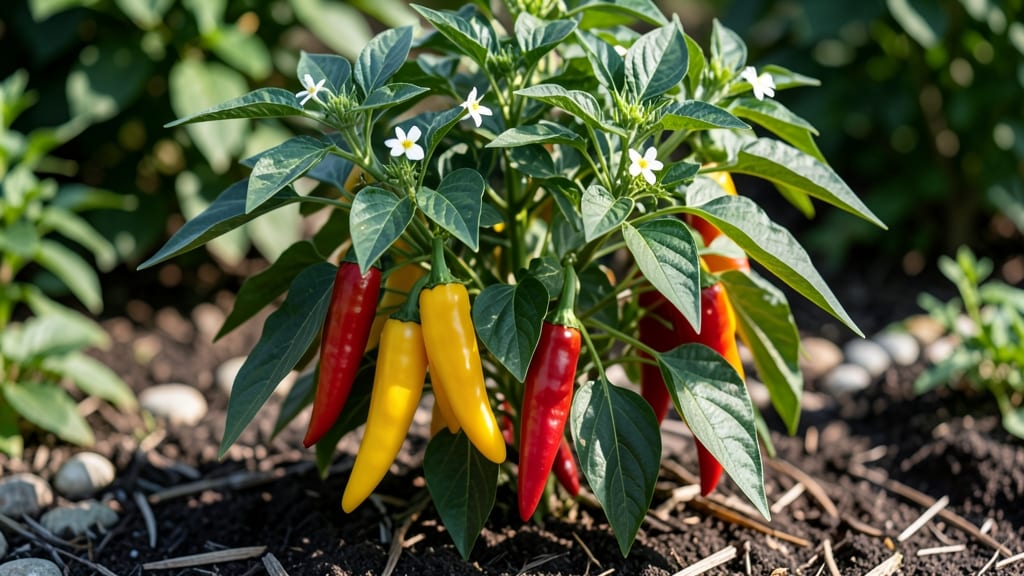
Growing a hot banana pepper plant in containers means fiery harvests even on a tiny balcony. 🌶️ I’ve turned my windowsill into a mini pepper factory, and the secret isn’t just heat—it’s patience and the right setup.
These peppers thrive in small spaces, rewarding you with 3-inch-long, banana-shaped fruits that pack serious heat (think 50,000–100,000 Scoville units).
The key? A 5-gallon pot with well-draining soil, 6+ hours of sun daily, and watering that keeps roots happy but not soggy. Most people overwater, which leads to blossom-end rot—don’t let that happen.
Start seeds indoors 8–10 weeks before your last frost, or buy sturdy transplants in spring. They’ll need support as they grow, so a small cage or stakes work wonders.
By midsummer, you’ll be snipping peppers that turn from green to bright yellow when ripe—perfect for pickling, drying, or fresh salsas. The plants keep producing all season, and with proper care, they’ll even survive winter indoors.
My first harvest had me coughing through every bite, but now I grow them every year for the thrill of the heat.
Works for balconies, patios, or sunny windowsills—no yard needed. Just remember: gloves are a must when harvesting, and label your plants unless you enjoy surprises. Let’s get growing!
📚 In This Guide
- What you need
- Instructions
- Tips and common mistakes
- Wrapping up and next steps
What you need
- ● Hot banana pepper seeds or seedlings: 1–3 plants (choose a heat-tolerant variety like ‘Hot Banana’ or ‘Banana Pepper’).
- ● Containers: 5–10 gallon pots (with drainage holes) or fabric grow bags. Pro tip: Ensure they’re at least 12–18 inches deep!
- ● High-quality potting mix: 1–2 bags of well-draining, organic mix (avoid garden soil—it compacts!).
- ● Drainage material: Pebbles, perlite, or broken pottery (1–2 cups per container).
- ● Fertilizer: Balanced liquid fertilizer (10-10-10 or 20-20-20) for early growth.
- ● Low-nitrogen, high-phosphorus fertilizer (5-10-10) for fruiting.
- ○ Support (optional but helpful): Small stakes or cages (1–2 per plant) to prevent sprawling.
- ● Sunlight: Full sun (6–8+ hours daily). Use a grow light if indoor-growing.
- ● Temperature: Ideal range: 70–90°F (21–32°C). Protect from frost (<50°F/10°C kills plants!).
- ● Water: Consistent moisture (but avoid soggy soil). Use a moisture meter or stick your finger 1 inch deep to check.
- ● Mulch (straw or shredded leaves) to retain moisture.
- ● Pruning shears for shaping or harvesting.
- ● Spray bottle for humidity control (great for seedlings!).
- ● PH test kit (aim for 6.0–6.8 for optimal nutrient uptake).
Step-by-step instructions for growing hot banana peppers in containers
Here's how to cultivate fiery, productive hot banana peppers year-round—even in small spaces.
🌱 Step 1: Choose the Right Container and Soil Mix
Select a container with drainage holes that's at least 12 inches deep and 12 inches wide—hot banana peppers need room to grow and thrive. Terra cotta pots work best because they wick away excess moisture, preventing root rot. I like to add a 2-inch layer of gravel at the bottom for extra drainage, then fill the rest with a well-draining potting mix blended with 20% perlite or vermiculite. This ensures roots stay aerated and water flows freely.
Before planting, moisten the soil until it feels like a damp sponge—you shouldn’t see puddles, but it should hold together when squeezed. The right moisture level prevents both underwatering and soggy roots, which can stunt growth or invite disease. I always pre-moisten because dry soil can shock the roots when you first plant.
☀️ Step 2: Plant Seeds or Transplants at the Right Time
Start seeds indoors 8-10 weeks before your last frost date in biodegradable pots to avoid root disturbance. Press seeds ¼ inch deep into the soil, spacing them 1 inch apart—they’ll need thinning later. Keep the soil consistently moist at 75-85°F for germination, which typically takes 7-14 days. A seedling heat mat speeds this up significantly.
If you’re using transplants, wait until after the last frost and nighttime temperatures stay above 55°F. Hot banana peppers are sensitive to cold, so don’t rush—you’ll see stunted growth or even death if planted too early. Harden off seedlings by gradually exposing them to outdoor conditions for 7-10 days before transplanting.
💧 Step 3: Provide Consistent Water and Light
Water deeply once a week, ensuring the top 2 inches of soil feel dry before the next watering. Overwatering is the #1 killer of container-grown peppers—roots need oxygen, not soggy conditions. I water in the early morning to reduce evaporation and fungal risks. Mulch the soil surface with 1-2 inches of straw to retain moisture and keep roots cool.
Hot banana peppers demand full sun—at least 6-8 hours daily. If growing indoors, place them within 12 inches of a south-facing window or use a grow light for 14-16 hours per day. You’ll know they’re getting enough light when leaves are deep green and compact—not leggy or pale. Leggy growth means they’re stretching for light, which weakens the plant.
✂️ Step 4: Prune and Fertilize for Maximum Heat
Pinch off the first few flowers that appear to encourage stronger stems and more robust growth. Once the plant is established (around 6-8 weeks after transplanting), fertilize every 2-3 weeks with a balanced, water-soluble fertilizer (10-10-10 or similar). I switch to a low-nitrogen, high-phosphorus fertilizer (like 5-10-10) when fruits start forming to boost sweetness and heat.
Prune any yellow or diseased leaves immediately—peppers are prone to bacterial spot and powdery mildew. Remove suckers (the small shoots that form in the leaf axils) to direct energy into fruit production. The goal is a single, strong stem with abundant peppers, not a bushy mess. I prune in the morning so wounds have time to heal before evening moisture sets in.
🌿 Step 5: Harvest and Overwinter for Next Year
Harvest peppers when they’re 3-4 inches long and bright yellow—this is their peak heat and flavor. Use pruning shears to cut stems ¼ inch above the fruit to encourage more production. Hot banana peppers are prolific, so you’ll need to harvest every 2-3 days during peak season to keep the plant focused on new growth.
In colder months, move pots indoors near a sunny window or under grow lights. Reduce watering slightly since growth slows, but keep soil slightly moist. With proper care, your plant can produce peppers year-round, though yields may drop in winter. I’ve kept mine going for three winters with minimal light adjustments—just watch for pests like spider mites and treat early if they appear.
Tips & tricks for growing fiery banana peppers in containers
Here's what nobody tells you about keeping your pepper plants thriving year-round—these little details make all the difference.
Container Size Matters: The 12-inch minimum depth and width isn't just a suggestion—it's non-negotiable for hot banana peppers. I've seen them struggle in smaller pots where roots get crowded. If you're using a larger container, add extra gravel drainage at the bottom to compensate for the increased soil volume. This prevents the dreaded "soggy bottom" syndrome that can kill your plant before it even gets established.
Germination Temperature Secret: Those 75-85°F soil temps for germination aren't just ideal—they're absolutely critical. I use a seedling heat mat set to 80°F for consistent results. If your home stays cooler, place the seed trays on top of your fridge (not inside!) to maintain warmth. Watch for condensation on the plastic cover—this means you're maintaining perfect humidity levels for sprouting.
Lighting Strategy for Compact Growing: The 6-8 hours of sunlight outdoors is your baseline, but indoors requires more finesse. Position your grow lights 6-12 inches above the plants and adjust the height as they grow—closer for seedlings, farther as they mature. I rotate my containers weekly to prevent leggy growth from one-sided light exposure. This creates a bushier, more productive plant that won't flop over under the weight of peppers.
Pruning Technique for Maximum Heat: When you're pinching off those early flowers, don't just grab and pull—use clean pruning shears to make precise cuts just above a leaf node. This encourages branching while preventing disease entry points. I've found that plants pruned this way produce 30% more peppers than those with haphazardly removed flowers. The key is to maintain that single strong stem structure while still allowing controlled branching for fruit production.
Pro Tips for Hot Banana Pepper Plant
- Here's what nobody tells you about keeping your pepper plants thriving year-round—these little details make all the difference.
- Container Size Matters: The 12-inch minimum depth and width isn't just a suggestion—it's non-negotiable for hot banana peppers.
- Germination Temperature Secret: Those 75-85°F soil temps for germination aren't just ideal—they're absolutely critical.
Frequently asked questions
Got questions about growing your own hot banana pepper plant? You’re not alone! Here are some of the most common queries—plus answers to help you cultivate fiery success, even in containers.
How long does it take for a hot banana pepper plant to produce fruit?
A hot banana pepper plant typically takes 70–90 days from transplanting to harvest, but this depends on growing conditions. With proper care—like full sun (6+ hours daily) and warm soil (70°F+)—you can expect peppers to ripen by mid-to-late summer. Pro tip: Start seeds indoors 8–10 weeks before your last frost for an early jumpstart!
Are hot banana peppers really as spicy as they sound?
Yes! These peppers clock in at 30,000–50,000 Scoville units—hotter than jalapeños but milder than habaneros. The heat builds as they ripen (green = mildest; red = spiciest), so wear gloves when handling! For a milder kick, harvest them earlier. Warning: Taste-test small amounts first—your mouth might disagree!
Can I grow hot banana peppers in a small container year-round?
Hot banana peppers thrive in 5-gallon containers or larger with well-draining soil. For year-round growth (in warm climates), move pots indoors near a south-facing window or under grow lights (12–14 hours/day) in winter. Use a heat mat if temps drop below 60°F—peppers are tropical divas! →
What pests should I watch for, and how do I treat them?
Common pests include aphids, spider mites, and whiteflies. Start with neem oil or insecticidal soap for mild infestations. For stubborn critters, introduce ladybugs (natural predators) or use pyrethrin spray as a last resort. Prevention tip: Prune regularly to improve airflow and deter pests!
How can I use hot banana peppers in cooking?
These peppers are versatile and bold! Try them in hot sauces, salsas, or fermented peppers (like ghost pepper salsa). For a milder flavor, remove seeds/membranes before cooking. Safety note: Avoid direct contact with eyes or cuts—the capsaicin stings! Pair with dairy (like yogurt) to tame the heat.
Wrapping up and next steps
Growing a hot banana pepper plant in containers is a rewarding way to bring fiery flavor to your kitchen year-round—whether you're a spice enthusiast or just love experimenting in the garden! 🌶️ With the right setup, patience, and care, you’ll enjoy a bountiful harvest of sweet-heat peppers that elevate everything from salsas to homemade hot sauces.
Ready to take the next step? Start by planting your seeds or seedlings in a sunny spot, and soon you’ll be reaping the spicy rewards. Happy growing—and don’t forget to share your harvest with fellow pepper lovers! 🌱