
Vegetables
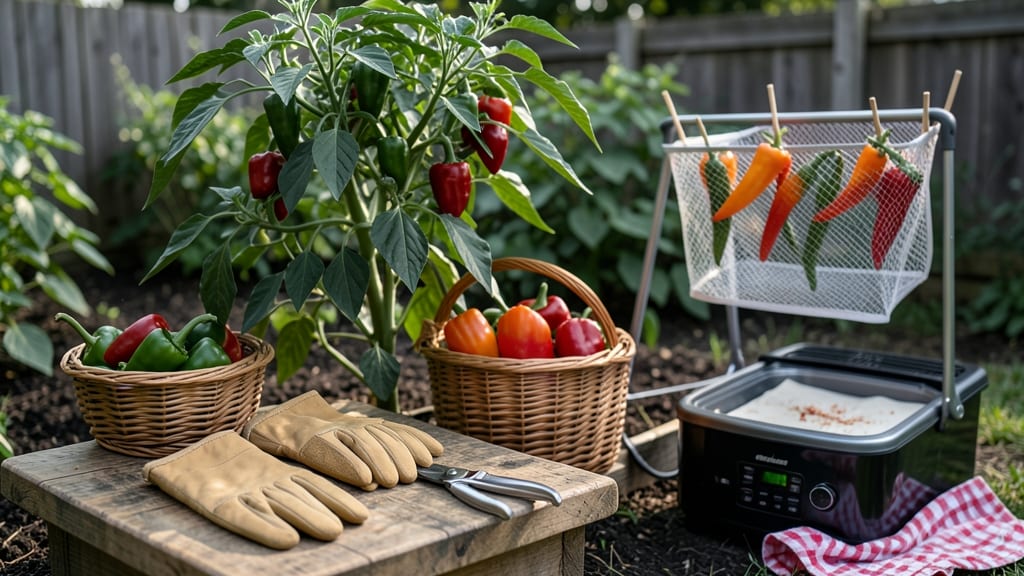
Drying hot peppers turns your summer harvest into fiery seasoning that lasts all year. 🌶️ The first time I dried my homegrown jalapeños, I ended up with enough flakes to spice up every batch of salsa for months—no more store-bought blends that lack real heat.
This method preserves the bold flavors while locking in that garden-fresh kick, and it’s simpler than you’d think. You’ll need just a few supplies: fresh peppers, a clean surface or drying rack, and either a sunny spot, an oven, or a dehydrator.
The key is patience—properly dried peppers keep for months, and the process takes about 2-4 weeks depending on your method. I swear by air-drying for the most authentic flavor, but oven-drying works in a pinch when humidity is high.
Once dried, you can turn them into flakes, powders, or sauces that pack serious punch. The texture changes from crisp to leathery, and the heat intensifies as they cure. Store them in airtight containers away from light, and you’ll always have that homegrown heat ready whenever you need it.
Whether you’re a pepper enthusiast or just want to preserve your garden’s bounty, this is the foolproof way to keep the spice alive long after harvest season. Let’s get those peppers drying!
📚 In This Guide
- What you need
- Instructions
- Tips and common mistakes
- Wrapping up and next steps
What you need
- ● Fresh hot peppers: Any variety—jalapeños, habaneros, cayenne, serranos, or ghost peppers. Aim for 1–2 pounds (about 10–20 peppers, depending on size). Choose peppers at peak ripeness for the best flavor and heat.
- ● Sharp knife or pruning shears: A serrated or chef’s knife (for slicing) or clean pruning shears (for whole peppers) to avoid crushing.
- ● Drying method of choice: Dehydrator: A food-grade dehydrator with adjustable temperature settings (ideal for even drying).
- ● Oven: A standard home oven preheated to 175–200°F (79–93°C). Use the lowest setting to avoid burning.
- ● Sun-drying setup: A clean, well-ventilated area with mesh screens, racks, or string to hang peppers. Requires 3–7 sunny, dry days (weather-dependent!).
- ● Clean containers for storage: Air-tight glass jars or food-grade plastic bags with oxygen absorbers (for long-term storage).
- ● Paper towels or clean kitchen towels: To pat peppers dry before slicing (reduces moisture = faster drying!).
- ● Baking sheet with parchment paper: For oven-drying sliced peppers (prevents sticking).
- ● Small fan or exhaust vent: Speeds up air circulation during sun-drying or dehydrator use.
- ● Food processor or mortar & pestle: For grinding dried peppers into flakes or powder later.
- ● Humidity indicator: A hygrometer (if sun-drying) to monitor moisture levels (ideal: below 60%).
Step-by-Step instructions for drying hot peppers
Here’s the foolproof method I’ve used for years to dry peppers that stay vibrant and fiery for months.
🌱 Step 1: Select and Prep Your Peppers
Pick peppers that are fully ripe but still firm—think deep reds, bright yellows, or fiery oranges. Avoid any with soft spots or mold. Rinse them gently under cool water to remove dirt, then pat dry with a clean towel. The goal is to start with peppers that are clean but still intact.
Leave the stems attached—this makes hanging them easier later. For extra flavor, leave the peppers whole (whole dried peppers pack more heat per bite). If you prefer flakes, you can cut them open later, but whole peppers dry faster and retain more of their natural oils.
☀️ Step 2: Choose Your Drying Method
I use two methods depending on the season. For warm, dry days, I hang peppers outside in the sun. They need 6-8 hours of direct sunlight and a breeze to dry evenly. If humidity is high, they’ll stay damp and develop mold—so wait for a dry stretch of weather.
For indoor drying, I use a dehydrator set to 125-135°F. This gentle heat preserves color and heat without overcooking the peppers. Place them on the trays with stems facing up so they dry evenly. If you don’t have a dehydrator, an oven on low (170°F or below) with the door cracked open works, but check every 30 minutes to prevent burning.
🪴 Step 3: Dry Until Leathery and Crisp
Peppers are done when they’re leathery to the touch and the stems snap easily when bent. For whole peppers, this takes 1-3 weeks outside or 4-8 hours in a dehydrator. If you cut them open first, they’ll dry faster—about 2-4 hours—but lose some structural integrity.
Test for doneness by pressing a pepper gently. It should feel dry and slightly crisp, not soft or pliable. If any peppers still feel damp after a full drying cycle, return them to the dehydrator or hang them in a dry spot for another day. Overly moist peppers will spoil quickly.
⏰ Step 4: Store for Long-Term Use
Once fully dried, let peppers cool completely before storing. I keep them in airtight glass jars or paper bags in a cool, dark place. Whole dried peppers stay potent for up to a year, while crushed flakes last 6-9 months. Label your jars with the pepper type and drying date—trust me, you’ll forget!
For extra shelf life, add a silica gel packet to the jar to absorb moisture. If you notice any peppers softening over time, remove them immediately—they’ll spoil the rest. Properly stored dried peppers should smell fragrant and intense, not musty or stale.
Tips & tricks for perfectly dried hot peppers
Here's what I've learned after drying hundreds of peppers—these little details make all the difference between good and amazing results.
Selection Tip: Look for peppers with thick, glossy skins—they hold up better during drying. Avoid peppers with any blemishes or soft spots, even if they look mostly good. I've ruined batches by ignoring tiny bruises that turned into mold during the drying process. Also, the riper the pepper, the sweeter the dried version, but don't wait until they're overripe!
Sunlight Strategy: For the outdoor method, position your peppers where they'll get morning sun but afternoon shade if you're in a hot climate. The 6-8 hours of direct sunlight in Step 2 should be during the coolest part of the day to prevent burning. I've had peppers blister and lose flavor when left in scorching afternoon sun—trust me, it's not pretty.
Dehydrator Hack: When using your dehydrator at 125-135°F, arrange peppers with about 1/2 inch between each one. This allows proper air circulation, which is crucial for even drying. I like to place them stem-side up on the trays so the stems don't touch the surface. If you're drying multiple batches, rotate trays halfway through the 4-8 hour cycle for consistent results.
Storage Wisdom: The up-to-a-year shelf life mentioned in Step 4 is only true if you store them properly. After cooling completely, remove any remaining moisture with a paper towel before sealing jars. I've found that peppers dried in paper bags actually retain more of their natural oils and flavors than those stored in jars—just keep them in a dark, dry place. For flakes, crush them just before using to preserve their potency.
Pro Tips for Dry Hot Peppers
- Here's what I've learned after drying hundreds of peppers—these little details make all the difference between good and amazing results.
- Selection Tip: Look for peppers with thick, glossy skins—they hold up better during drying.
- Sunlight Strategy: For the outdoor method, position your peppers where they'll get morning sun but afternoon shade if you're in a hot climate.
Frequently asked questions
about drying hot peppers—because even the spiciest tasks need clarity! Here’s what you’ve been wondering:How long does it take to dry hot peppers?
Drying time varies by method: air-drying takes 1–3 weeks (until leathery and crisp), while oven-drying (175°F/80°C) takes 2–4 hours. Dehydrators speed it up to 6–12 hours. Test for readiness by checking for a hollow tap—if it sounds crisp, they’re done!
Can I speed up the drying process?
Yes! For faster results, use a dehydrator (6–12 hours) or low oven (2–4 hours). Pre-slice peppers thinly (¼-inch) and arrange them in a single layer for even airflow. Just avoid high heat—it burns flavor and texture faster than it dries!
Do I need to remove seeds before drying?
Not necessarily! Seeds add heat, but remove them if you want milder peppers or to reduce capsaicin (the compound that causes spiciness). For flakes or powders, seeds are fine—they’ll dry right along with the flesh. Just wear gloves if handling!
What if my peppers mold or spoil?
Mold or spoilage happens when peppers aren’t fully dry or are exposed to moisture. If you spot fuzz or discoloration, discard them immediately. To prevent this, ensure peppers are completely dry (no moisture left) and store them in airtight containers with silica packets.
Are dried peppers just for cooking?
Absolutely not! Beyond sauces and marinades, dried peppers shine in homemade hot sauces, spice blends, or even infused oils/vinegars. Crush them into flakes for tacos, blend into powder for rubs, or stuff them for ornamental garnishes. Get creative—heat is versatile!
Wrapping up and next steps
Drying hot peppers is a simple yet rewarding way to preserve their fiery flavor and extend their shelf life. Whether you’re a seasoned chef or a home gardener, mastering this technique ensures you’ll always have bold heat at your fingertips—no green thumb required! 🌶️✨
Now that you’re equipped with the best methods—air-drying, oven-drying, or dehydrator-drying—take the next step: experiment with your dried peppers! Try grinding them into flakes for homemade hot sauce, blend them into spicy rubs, or store them whole for long-term use. Your kitchen (and taste buds) will thank you!