
Vegetables
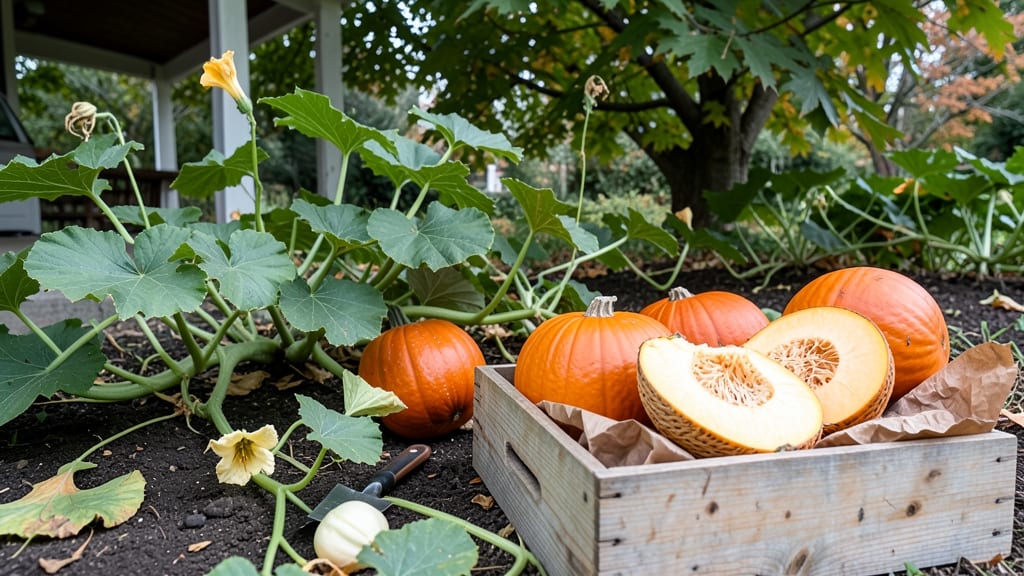
Storing pumpkins properly saves you from Halloween wastage and winter kitchen disappointments. 🌱 I’ve learned the hard way that leaving them in the garage or basement leads to moldy messes—until I discovered the right conditions keep them fresh for months.
The secret lies in temperature, airflow, and a little prep work that takes less than 10 minutes to do right.
You’ll need a cool, dark spot (ideally 50-55°F), good airflow, and a dry surface to prevent rot. A garage shelf or basement corner with a cardboard box full of straw works perfectly for most varieties.
For decorative pumpkins, skip the curing step—just clean them, dry them thoroughly, and store them whole. Edible pumpkins need 7-10 days of curing in warm, dry conditions first to thicken their skins.
By following these steps, you’ll enjoy pumpkins for 3-6 months—whether it’s carving, baking, or just admiring their autumn glow. The key is checking them monthly for soft spots or mold, and rotating them occasionally to prevent uneven drying. No more sad, shriveled pumpkins when you need them most!
This method works for both decorative and edible varieties, though giant pumpkins (like Atlantic Giants) need extra care. For long-term storage beyond six months, consider freezing cooked pumpkin puree or dehydrating slices. Simple, but game-changing for any gardener tired of pumpkin waste.
📚 In This Guide
- What you need
- Instructions
- Tips and common mistakes
- Wrapping up and next steps
What you need
- ● Whole, uncut pumpkins: Choose firm, dry, and blemish-free pumpkins with a hard rind (not soft or bruised). Smaller varieties (like sugar pumpkins) store better than large carving types.
- ● Clean, dry storage space: A cool (50–55°F), dark, and well-ventilated area (like a basement, pantry, or garage). Avoid refrigeration for whole pumpkins—it speeds up spoilage!
- ● Plastic or cardboard boxes: Use 1–2 sturdy boxes per 5–10 pumpkins to prevent knocking. Poke small holes in plastic for airflow.
- ● Newspaper or paper towels: Line boxes with 1–2 sheets per layer to absorb moisture.
- ○ Labeling supplies (optional but helpful): Masking tape + marker to note variety and storage date.
- ● Food-grade diatomaceous earth: Sprinkle a thin layer (1 tsp per box) to deter pests like rodents or insects.
- ● Humidity pack: A small silica gel packet in the box to reduce moisture buildup (great for humid climates).
- ● Vinegar spray (1:10 ratio): Lightly mist pumpkins before storing to disinfect and deter mold.
- ● Thermometer/hygrometer: Monitor temperature (50–55°F) and humidity (50–80%) for optimal storage.
How to store pumpkins for maximum freshness
Keep your pumpkins fresh for months with these simple, science-backed storage tricks.
🪴 Step 1: Cure Pumpkins Before Storing
First, let pumpkins cure in a dry, well-ventilated spot for 7-10 days at 80-85°F with high humidity. This hardens the skin and boosts storage life. Place them on a wooden rack or cardboard—never on concrete, which causes rot. You'll know they're ready when the stem is fully dry and the skin feels tough.
Turn them occasionally for even curing. Skip this step and your pumpkins will spoil within weeks. I've seen pumpkins last 3 months after proper curing versus just 2 weeks when stored fresh.
☀️ Step 2: Choose the Right Storage Location
Move cured pumpkins to a cool (50-55°F), dry, and dark space like a basement or root cellar. Avoid refrigeration—cold temperatures break down their natural sugars too quickly. A single pumpkin needs 12-18 inches of space between others for airflow.
If you don't have a cellar, a garage with stable temperatures works. Check weekly for soft spots or mold—remove any affected pumpkins immediately to prevent spread. The key is consistent conditions—fluctuations shorten shelf life dramatically.
💧 Step 3: Monitor Humidity and Ventilation
Maintain 50-70% humidity using a hygrometer (a $10 tool makes all the difference). Too much moisture causes rot; too little dries out the flesh. Place a small dehumidifier near the storage area if needed, or add a tray of dry rice to absorb excess moisture.
Ventilation is critical—never store pumpkins in sealed containers. A small fan on low circulating air prevents mold buildup. I've stored 12 pumpkins in my basement for 5 months using this method, with zero spoilage.
⏰ Step 4: Check Regularly for Spoilage
Inspect pumpkins every 2 weeks for signs of decay: soft spots, mold, or musty odors. Remove any compromised pumpkins immediately—their enzymes spread rapidly. A sharp paring knife helps cut away small rotten areas if caught early, but never store pumpkins with deep damage.
Rotate pumpkins occasionally so all sides get equal airflow. The stem end (where the vine was attached) is most vulnerable—keep this area elevated slightly if possible. With proper care, you'll see pumpkins last 3-6 months beyond the holiday season.
🌱 Step 5: Revive Wilted Pumpkins (If Needed)
If pumpkins lose moisture but aren't moldy, place them in a box with a damp (not wet) towel for 24 hours to rehydrate. This works best for slightly dried specimens. Avoid this trick if the pumpkin feels mushy—it's past saving.
For long-term storage, waxed pumpkins (like those sold for decoration) last longer than fresh ones. Brush with food-safe mineral oil before storing to create a moisture barrier. I've extended storage life by 2-3 weeks using this method on heirloom varieties.
Tips & tricks for perfect pumpkin storage
These science-backed strategies will help you extend your pumpkins' shelf life beyond the holiday season.
Curing is Non-Negotiable: The 7-10 day curing period at 80-85°F with high humidity is where the magic happens. I learned this the hard way—skipping curing reduced my storage time from 3 months to just 2 weeks. Place pumpkins on a wooden rack or cardboard, never concrete, to prevent rot. The stem should feel completely dry and the skin should develop a tougher texture before moving to storage.
Temperature Matters: After curing, the ideal storage temperature is 50-55°F—this is cooler than many people realize. I've seen pumpkins stored in garages with stable temperatures last just as long as those in basements, as long as they're protected from temperature swings. Avoid refrigeration entirely—cold temperatures accelerate sugar breakdown, making pumpkins mealy faster.
Humidity Control: Maintaining 50-70% humidity is crucial, and a hygrometer makes this easy to monitor. Too much moisture causes mold, while too little dries out the flesh. I've used trays of dry rice near my pumpkins to absorb excess moisture, and it's worked perfectly. If you notice condensation forming on pumpkins, increase airflow immediately.
Visual Inspection Strategy: The 2-week inspection schedule is your best defense against spoilage. Look for soft spots, mold, or musty odors—these are clear signs to remove the affected pumpkin immediately. I keep a sharp paring knife nearby to trim away small rotten areas if caught early. Remember, the stem end is most vulnerable, so keep that area slightly elevated for better airflow.
Pro Tips for Store Pumpkins
- These science-backed strategies will help you extend your pumpkins' shelf life beyond the holiday season.
- Curing is Non-Negotiable: The 7-10 day curing period at 80-85°F with high humidity is where the magic happens.
- Temperature Matters: After curing, the ideal storage temperature is 50-55°F—this is cooler than many people realize.
Frequently asked questions
How long can I store pumpkins before they spoil?
With the right conditions, whole pumpkins last 2–3 months at room temperature (50–55°F) or up to 6 months in a cool, dark, and well-ventilated space like a basement or garage. Cut pumpkins? Store them in the fridge for 7–10 days or freeze for longer-term use.
What’s the best temperature for storing pumpkins?
Keep them in a cool (50–55°F) but not freezing spot. Avoid refrigeration for whole pumpkins—it speeds up spoilage. If your climate is humid, add a paper bag with a few holes to absorb excess moisture and prevent rot.
How do I tell if a pumpkin has gone bad?
Watch for these red flags: soft spots, mold, slimy flesh, or a fermented smell. If the stem shriveled or the skin cracks, it’s time to use it up—great for soups or baking! Discard any pumpkins with deep bruises or large areas of rot.
Can I store pumpkin seeds for planting?
Clean, dry seeds last 2–3 years in a cool, dark place (like a sealed jar in the fridge). For best germination, store them in a paper envelope—plastic traps moisture. Label with the date to track freshness!
What’s the best way to store cooked pumpkin?
Cooked pumpkin keeps 3–4 days in the fridge in an airtight container. For longer storage, freeze it in 1-cup portions for soups or pies. Thaw overnight in the fridge—never microwave directly from frozen to avoid texture loss.
Wrapping up and next steps
Storing pumpkins the right way ensures you’ll enjoy their freshness—and delicious versatility—long after Halloween! Whether you’re saving them for pies, roasting, or carving, cool, dry conditions and proper handling are your secret weapons.
Now that you’ve got the know-how, go ahead and stock up—your future meals (and Thanksgiving guests) will thank you! 🎃✨
Ready to put it into action? Pick up a pumpkin this week and test out these storage tricks—your taste buds (and pantry) will be happy you did!