
Vegetables
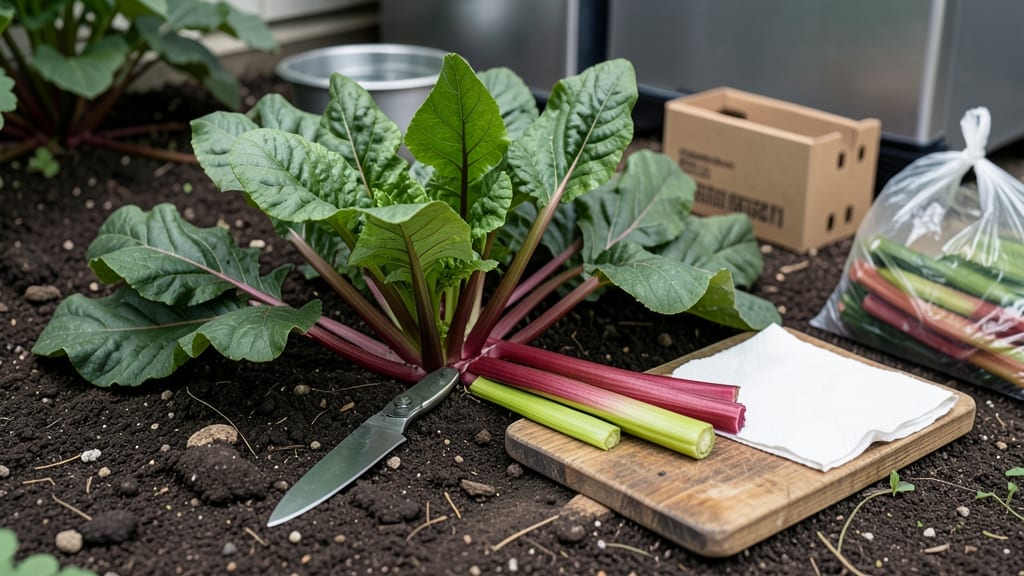
Storing rhubarb properly after the picking keeps those crisp stems bright pink and crunchy for up to 3 weeks—not the soggy mess I used to get after just a few days. The secret lies in mimicking how rhubarb grows: cool, humid, and with minimal handling.
Most people ruin it by washing first or storing it loose in the fridge, but a few simple steps make all the difference.
First, trim the leaves completely off (they draw moisture) and give the stems a quick rinse only if they’re dusty. Wrap them loosely in a damp paper towel—just enough to keep them from drying out—and tuck them into a plastic bag with a few air holes.
This setup works in your fridge’s crisper drawer for 2-3 weeks, or you can freeze them for up to a year if you blanch them first.
What you’ll end up with is rhubarb that stays vibrant, snaps cleanly when cut, and tastes fresh—no mealy texture or bitter notes. The key is speed: store it within 24 hours of picking, and avoid stacking heavy items on top.
For wilted rhubarb, soak the stems in ice water for 10 minutes to revive them before using.
This method works whether you’re storing a harvest from your garden or a farmers’ market haul. No special equipment needed—just your fridge and a little patience. Here’s how to do it right the first time.
📚 In This Guide
- What you need
- Instructions
- Tips and common mistakes
- Wrapping up and next steps
What you need
- ● Clean rhubarb stalks: Freshly harvested, with leaves removed (only use stalks for storage). Aim for 6–12 stalks, depending on your storage needs.
- ● Paper towels or clean kitchen towel: 1–2 sheets to gently pat dry the stalks.
- ● Plastic bag (resealable): A quart-sized or gallon-sized bag with a zip-top closure works best. Avoid reusable bags—they don’t seal tightly enough.
- ○ Optional ventilation: A paper towel or small breathable cloth (like a coffee filter) placed inside the bag to absorb excess moisture.
- ● Refrigerator: A crisp drawer (if available) or the main veggie bin for optimal storage.
- ○ Sharp knife or kitchen shears: For trimming leaves and stems if needed (optional but helpful).
- ● Plastic wrap: For an extra layer of protection if storing long-term (wrap stalks loosely before bagging).
- ● Labeling marker: To date your bag and track freshness.
- ● Wooden cutting board or tray: For drying stalks if you’re prepping multiple batches.
- ● Vacuum sealer (advanced option): Extends shelf life to up to 6 months in the freezer—great for bulk harvests!
Step-by-step instructions for storing freshly picked rhubarb
Keep your rhubarb crisp and vibrant for weeks with this simple, foolproof storage method.
🌿 Step 1: Harvest at the Right Time and Prepare Immediately
Pick rhubarb stalks when they reach 8-12 inches long and before the leaves start to yellow. Use a sharp knife to cut stalks at the base, leaving the crown intact for future harvests. The sooner you process the stalks after picking, the longer they'll stay fresh—aim to prep them within 2 hours of harvest.
Remove any damaged or slimy stalks right away. Rinse the remaining stalks under cool water to remove dirt, then pat them dry with a clean towel. Dampness speeds up spoilage, so thorough drying is key. I like to trim the leafy tops off with a knife—just leave about ½ inch of stem attached to the stalk. This reduces moisture loss and keeps the cut ends from drying out too quickly.
💧 Step 2: Store in the Ideal Conditions
Place the prepared stalks in a perforated plastic bag or wrap them loosely in a damp paper towel. The goal is to maintain high humidity without trapping moisture. Store the bagged rhubarb in the crispest part of your refrigerator—usually the vegetable drawer set to 32-36°F. This temperature range slows down moisture loss and enzyme activity that causes spoilage.
Don't wash the stalks before storing—excess water creates an ideal environment for mold. If you must store for more than 3 weeks, consider wrapping individual stalks in damp paper towels and placing them in a sealed container with a small open vent. This extra step helps maintain freshness for up to 4 weeks, though texture may soften slightly over time.
⏰ Step 3: Preserve for Long-Term Use
For rhubarb you won't use within 3 weeks, freeze it to lock in flavor and texture. Cut stalks into 1-inch pieces, spread them on a baking sheet, and freeze for 1 hour. This prevents them from sticking together. Transfer the frozen pieces to a freezer-safe bag or container, removing as much air as possible. Properly frozen rhubarb keeps for up to 12 months without significant quality loss.
If you prefer to preserve rhubarb without freezing, try making rhubarb syrup or compote. Simmer chopped stalks with sugar and water, then can the mixture in sterilized jars. Process in a water bath for 10 minutes to ensure safety. Canned rhubarb products stay shelf-stable for 12-18 months when stored in a cool, dark place.
🌱 Step 4: Check and Use Before Quality Declines
Inspect your stored rhubarb every 3-4 days for signs of spoilage—soft spots, slimy texture, or mold. Remove any affected stalks immediately to prevent the rest from going bad. Once stalks start to look wilted or feel mushy, use them right away in recipes like pies, jams, or smoothies. Overripe rhubarb still makes delicious preserves, but it won't hold its shape as well in baking.
For the best results, use freshly stored rhubarb within 2-3 weeks. The stalks should remain firm, crisp, and vibrant red or green. If they start to turn limp or develop an off smell, it's time to cook them down into something delicious before they spoil completely. The sooner you use them, the better they'll taste in your dishes.
Tips & tricks for perfectly stored rhubarb
These simple tricks will help you keep your rhubarb fresher longer—no more sad, limp stalks!
Timing is Everything: That 2-hour window after picking is critical. If you can't prep the stalks immediately, store them in a cool, dark place (like a garage) until you're ready. The longer they sit exposed, the faster they lose moisture and crispness. I've found that even 30 minutes longer than 2 hours can make a noticeable difference in texture.
The Drying Detail: Don't just wipe the stalks—pat them thoroughly dry with a clean kitchen towel. Any remaining moisture creates the perfect environment for mold growth. I like to use paper towels because they absorb better than cloth towels. For extra insurance, let them air-dry for 5 minutes on a wire rack before storing.
Storage Container Matters: The perforated plastic bag is key—it allows airflow while maintaining humidity. If you don't have one, use a regular plastic bag with a few small holes punched in it. Avoid completely sealed containers, which trap moisture and cause spoilage. I've ruined batches by using airtight containers that turned my crisp stalks mushy in days.
Freezing Prep Tip: When freezing rhubarb, don't skip that 1-hour spread on the baking sheet. It might seem tedious, but it prevents the pieces from sticking together into one big frozen block. Once frozen solid, you can transfer them to a bag—just make sure to squeeze out as much air as possible to preserve freshness for those 12 months.
Pro Tips for Store Rhubarb After Picking
- These simple tricks will help you keep your rhubarb fresher longer—no more sad, limp stalks!
- Timing is Everything: That 2-hour window after picking is critical.
- The Drying Detail: Don't just wipe the stalks—pat them thoroughly dry with a clean kitchen towel.
Frequently asked questions
Got questions about keeping your rhubarb fresh? Here are some common ones—and their answers—to help you store it like a pro!
How long can I store rhubarb in the fridge?
Freshly picked rhubarb lasts 1–2 weeks in the fridge when stored properly (wrapped in a damp paper towel and placed in a perforated bag). For longer storage, try freezing—it keeps for up to 6 months!
Can I freeze rhubarb without cooking it first?
Yes! You can freeze raw rhubarb, but blanching (dipping in boiling water for 2–3 minutes, then ice bath) helps preserve color and texture. Trim stalks, wash, and freeze in airtight bags or containers. Pro tip: Spread stalks on a tray first to prevent clumping!
What’s the best way to revive wilted rhubarb?
If your rhubarb looks limp, don’t toss it! Soak the stalks in ice water for 10–15 minutes to crisp them up. Pat dry, then store again in a damp towel. For extra freshness, avoid washing until ready to use—excess moisture speeds up spoilage.
How do I know if rhubarb has gone bad?
Watch for mushy texture, slimy stalks, or foul odors—these are red flags! Yellowed leaves or soft spots at the base also mean it’s time to compost. When in doubt, slice a small piece: if it’s rubbery or discolored, it’s past its prime.
Can I store rhubarb with other veggies?
Avoid storing rhubarb with potatoes, onions, or apples—these release ethylene gas, which speeds up spoilage. Keep it separate in the crisper drawer or a dedicated bin. For best results, store it alone or with leafy greens (like spinach) that share similar humidity needs.
Wrapping up and next steps
Storing rhubarb properly is the secret to enjoying its tangy-sweet flavor long after harvest! Whether you trim, refrigerate, or freeze it, these simple steps will keep your rhubarb fresh for weeks—perfect for pies, compotes, or smoothies.
Now that you’re a rhubarb storage pro, why not put your knowledge to use? Try whipping up a batch of homemade rhubarb jam or a crisp rhubarb crumble this weekend—your taste buds will thank you! 🍓✨