
Vegetables
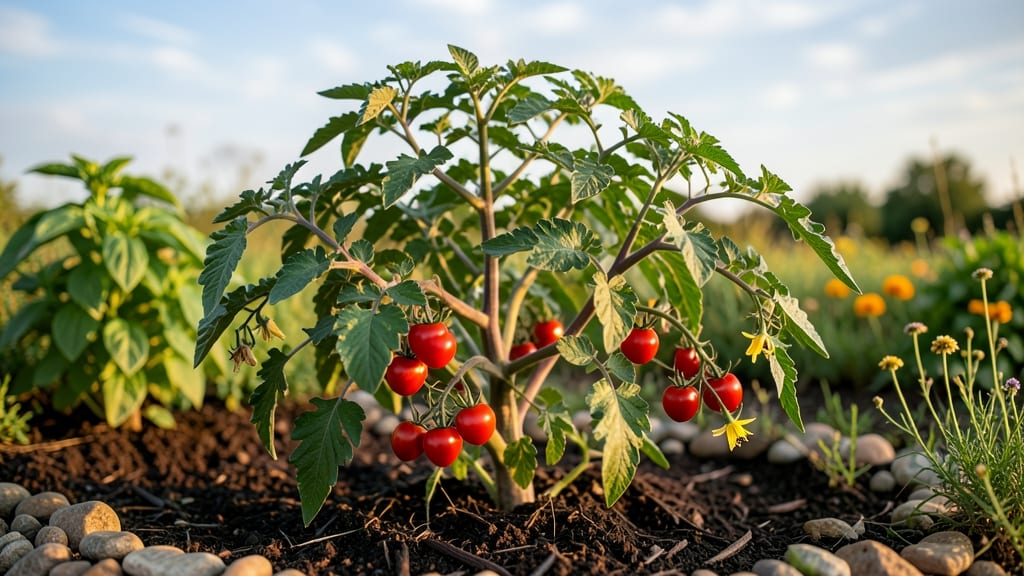
Growing Inca Jewels tomatoes means harvesting stunning striped gems that taste like sunshine. 🌱 These heirloom cherry tomatoes pack a flavor punch in every bite, and their striking purple-and-yellow stripes make them the star of any container garden. The secret to success?
A 5-gallon pot with the right soil mix and consistent care—no fancy equipment needed. These tomatoes thrive in full sun (6+ hours daily) and love warm soil, so start seeds indoors 6-8 weeks before last frost or buy sturdy transplants.
The key is keeping them well-watered but not soggy—drip irrigation works best—and pinching off early flowers until the plant establishes strong roots. Prune suckers regularly to encourage bushier growth and more fruit. By midsummer, you’ll be harvesting sweet, juicy tomatoes straight from the vine, perfect for snacking or salads.
The flavor is unbeatable—bright, tangy, and just sweet enough to make your neighbors jealous. Just watch for common issues like blight or aphids, and you’ll enjoy a bountiful harvest all season long. This variety is perfect for balconies, patios, or small spaces—no yard required.
With the right setup, you’ll be growing showstopping tomatoes that taste even better than store-bought. Ready to get started?
📚 In This Guide
- What you need
- Instructions
- Tips and common mistakes
- Wrapping up and next steps
What you need
- ● Inca Jewels tomato seeds or seedlings: 1-2 plants (check seed packets for heirloom or hybrid varieties).
- ● Container: 1 large pot (5+ gallons) with drainage holes or a fabric grow bag (10-12" deep).
- ● High-quality potting mix: 1 bag (look for organic, well-draining mix with perlite or coconut coir).
- ● Slow-release fertilizer: 1 packet (balanced 10-10-10 or tomato-specific blend).
- ● Tomato cages or stakes: 1-2 sturdy supports (4-6 ft tall for indeterminate growth).
- ● Mulch: Straw or shredded leaves (1-2 inches to retain moisture).
- ● Gloves & trowel: For planting and soil prep.
- ● Watering can or hose with gentle nozzle: Avoid disturbing soil.
- ○ Pruning shears: Optional, for trimming suckers (if desired).
- ○ Plant food (liquid or granular): Optional, for mid-season boosts (follow package rates).
- ○ Shade cloth (lightweight): Optional, for hot climates (30-50% shade).
- ● Sunny spot: 6-8+ hours of direct sunlight daily (south-facing window or balcony works!).
- ● Warmth: Soil temp ≥ 60°F (15°C) for germination (use a heat mat if needed).
- ● Patience: 70-85 days to harvest (varies by climate).
Step-by-Step instructions for growing Inca Jewels tomatoes in containers
This stunning heirloom thrives in pots—here’s how to coax those rainbow-striped fruits from seed to harvest.
🌱 Step 1: Start Seeds Indoors 6-8 Weeks Before Last Frost
Fill 2-inch deep biodegradable pots with sterile seed-starting mix (never garden soil—it’s too dense and disease-prone). Plant 2 seeds per pot at ¼-inch depth, just below the seed’s widest point. I press them lightly with my finger to ensure good soil contact without burying too deep—this variety germinates best in 70-80°F soil.
Cover the trays with a clear humidity dome or plastic wrap to retain moisture and warmth. Place them on a seedling heat mat (or near a warm spot like the top of your fridge) to maintain 75-85°F temperatures. Check daily but resist watering—the dome traps enough moisture. Germination takes 7-14 days, but don’t be surprised if some seeds take up to 21 days to sprout.
☀️ Step 2: Provide Optimal Light and Prevent Legginess
The instant seedlings emerge, move them to a south-facing window or under full-spectrum LED grow lights for 14-16 hours daily. Inca Jewels tomatoes despise leggy growth, so keep lights 2-4 inches above the plants—raise them as seedlings grow. You’ll know your setup is working when seedlings have thick stems, dark green leaves, and compact spacing between leaves.
Rotate pots quarter-turn daily to prevent leaning. If you notice stems stretching toward the light with pale leaves, your light source is too far away. This variety’s striped fruits need strong, sturdy plants to support their weight—weak stems mean fewer harvests.
🪴 Step 3: Transplant to 5-Gallon Containers at 4-6 Weeks
When seedlings have 4-6 true leaves and are 4-6 inches tall, transplant them into 5-gallon fabric or plastic pots with well-draining potting mix. I always add a handful of compost to the bottom of each pot for extra nutrients. Gently remove seedlings from their starter pots, tease apart any tangled roots, and plant them 1 inch deeper than they grew before—this encourages stronger stem development.
Place pots in a location with full sun (6+ hours daily) and water deeply until water runs freely from the drainage holes. Mulch the soil surface with 1 inch of straw to retain moisture and prevent soil-borne diseases. Inca Jewels tomatoes need consistent moisture—water when the top 1-2 inches of soil feel dry, but never let them sit in soggy soil.
✂️ Step 4: Prune and Support for Maximum Fruit Production
When plants reach 24 inches tall, install sturdy tomato cages (5+ feet tall) or bamboo stakes to support the heavy striped fruits. Prune suckers—those little shoots growing between the main stem and branches—weekly to redirect energy to fruit production. I pinch them off with my fingers rather than cutting, which prevents disease entry.
Remove any leaves touching the soil to improve airflow and reduce disease risk. This variety’s striped fruits need good circulation to develop their signature coloration. When flowers appear, give them a light spray of water in the morning to encourage pollination—especially if your garden lacks bees. You’ll see tiny green fruits forming in 4-6 weeks after flowering.
🍅 Step 5: Harvest and Extend the Season
Pick fruits when they’re fully colored and slightly soft to the touch—usually 60-70 days after transplanting. The stripes will deepen as they ripen, so don’t harvest too early. I use a small knife to cut stems rather than twisting, which prevents damage to the plant. Store harvested tomatoes at room temperature for 3-5 days or refrigerate for up to 2 weeks (though flavor peaks at room temp).
To extend the harvest, remove all spent flowers and fruits after picking. This encourages the plant to produce secondary flushes of striped gems. If frost threatens before the season ends, bring pots indoors to a cool, sunny spot (like a garage with windows) and harvest any remaining green fruits—they’ll ripen indoors over 1-2 weeks.
Tips & tricks for perfect Inca Jewels tomato harvest
Here’s what I’ve learned after growing these stunning striped beauties—these tricks will help you avoid common pitfalls and maximize your rainbow harvest.
Seed Starting Strategy: For the 70-80°F soil temperature range in Step 1, I’ve found that placing your seed trays on a seedling heat mat (or even a sunny windowsill above your fridge) gives the most consistent results. The key is to maintain that warmth without overheating—anything above 85°F can actually inhibit germination. I also recommend using a small fan on low setting to create gentle airflow, which helps prevent damping-off disease in those delicate seedlings.
Lighting Game-Changer: The 14-16 hours daily of light in Step 2 is non-negotiable for preventing leggy growth, but here’s the secret: if you’re using LED grow lights, position them just 2 inches above the seedlings initially, then raise them by 1 inch every 7-10 days as plants grow. This gradual adjustment prevents sudden shock responses. For window growers, rotate your pots quarter-turn every 8 hours (not just daily) to ensure even growth—you’ll notice a dramatic difference in stem thickness.
Transplanting Technique: When you’re ready for Step 3’s transplant to 5-gallon containers, I’ve developed a trick to minimize transplant shock: water the seedlings thoroughly the day before moving them, then transplant into pots that are already half-filled with water. The roots will draw up moisture immediately, reducing stress. Also, burying them 1 inch deeper than before works wonders for stem strength—just make sure to leave the lower leaves above soil level to prevent rot.
Pruning and Pollination: In Step 4, when you’re pruning suckers weekly, I’ve noticed that the plants respond best when you do this in the morning hours—this gives them the whole day to recover. For pollination, especially if you’re indoors, I’ve had great success using a small paintbrush to gently transfer pollen between flowers. And here’s a pro move: when you see those 4-6 week-old green fruits forming, give them a light spray of water in the morning for 3 consecutive days—this boosts fruit set dramatically.
Pro Tips for Inca Jewels Tomato
- Here’s what I’ve learned after growing these stunning striped beauties—these tricks will help you avoid common pitfalls and maximize your rainbow harvest.
- Seed Starting Strategy: For the 70-80°F soil temperature range in Step 1, I’ve found that placing your seed trays on a seedling heat mat (or even a sunny windowsill above your fridge) gives the most consistent results.
- This gradual adjustment prevents sudden shock responses.
Frequently asked questions
Got questions about growing Inca Jewels tomatoes in containers? You’re not alone! Here are some of the most common queries—and their answers—to help you grow this stunning striped heirloom like a pro.
Can Inca Jewels tomatoes thrive in containers?
These compact plants are perfect for containers, especially if you use a pot at least 12–15 inches deep with good drainage. Just ensure they get 6–8 hours of sunlight daily and a sturdy support stake or cage—their vines can grow 4–6 feet tall.
How long does it take for Inca Jewels tomatoes to produce fruit?
From seed to harvest, expect 70–85 days in warm climates. If starting with transplants, you’ll see fruit in 50–60 days. Pro tip: Prune suckers early to boost energy toward fruit production!
Why are my Inca Jewels tomatoes cracking?
Cracking often happens due to inconsistent watering or rapid growth after drought. Keep soil evenly moist (not soggy!) and mulch to retain humidity. If cracks appear, don’t worry—they’re harmless, but harvest promptly to avoid further splitting.
What’s the best temperature range for growing Inca Jewels?
These tomatoes love warmth but hate frost! Ideal temps are 70–85°F (21–29°C). Below 50°F (10°C), growth slows, and fruit may develop blossom end rot. Use row covers in early spring or fall for extra protection.
Are there alternatives to Inca Jewels for container growing?
Yes! Try these compact, striped, or colorful tomato varieties for containers:
- Black Krim – Disease-resistant, deep red
- Sun Gold – Cherry tomato, prolific producer
- Tumbling Tom – Trailing habit, great for hanging pots
- Brandywine – Heirloom, but needs a larger pot
Wrapping up and next steps
Growing Inca Jewels tomatoes in containers is a rewarding journey—whether you're a seasoned gardener or a curious beginner! 🌱 These striped gems thrive with minimal space, offering vibrant flavors and stunning visuals.
With the right setup, patience, and care, you’ll soon enjoy a bountiful harvest straight from your balcony or patio.
Ready to dive in? Start small—pick a sunny spot, gather your supplies, and plant your seeds with confidence. Before you know it, you’ll be savoring homegrown tomatoes that taste like a vacation in the Andes! 🌎✨