
Vegetables
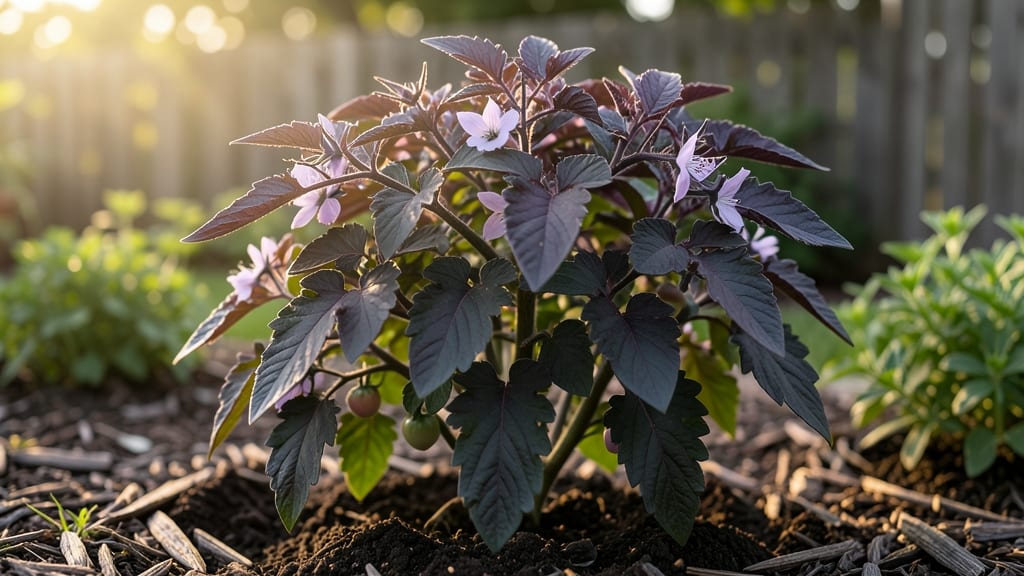
Growing Indigo Rose tomatoes means harvesting striped, jewel-like fruit that tastes like summer's most intense flavor explosion. 🌱 These aren't your average tomatoes—they're cold-hardy perennials with deep purple skin and sweet, tangy flesh that turns your garden into a showstopper.
The secret to their success starts with soil prep: they crave rich, well-draining earth with plenty of organic matter. Most gardeners plant in spring, but their cold tolerance means you can push planting into early May without fear of frost damage.
Just give them 6-8 hours of sun daily and consistent moisture. What you'll end up with is plants that keep producing through fall, with fruit that ripens to a stunning purple-streaked red.
The flavor profile is where they truly shine—sweet with a hint of smoky depth that makes every slice unforgettable. Perfect for gardeners in zones 5-10 who want a tomato variety that's both beautiful and productive. Here's how to get started with these showstopping plants!
📚 In This Guide
- What you need
- Instructions
- Tips and common mistakes
- Wrapping up and next steps
What you need
- ● Indigo Rose tomato seeds or seedlings: Start with heirloom seeds (1–2 plants per gardener) or purchase young plants from a reputable nursery.
- ● Well-draining potting mix: 5–10 gallons of organic, peat-free soil (or a blend of compost, coconut coir, and perlite for containers).
- ● Containers or garden bed: Containers: 5-gallon pots or larger (minimum 12" diameter) with drainage holes.
- ● Garden beds: Full sun (6+ hours/day) with loose, fertile soil (pH 6.0–6.8).
- ● Fertilizer: Balanced organic fertilizer (e.g., 5-5-5 or compost tea) or slow-release granules (follow package rates).
- ● Support structure: Cages (5–6 ft tall) or stakes (6+ ft) to handle the 6–8 ft vines.
- ● Basic gardening tools: Trowel, pruners, and gloves (for handling vines and soil).
- ● Watering can or hose: Drip irrigation or soaker hoses work best for consistent moisture.
- ● Mulch: Straw or shredded leaves (2–3 inches) to retain moisture and suppress weeds.
- ○ Optional (but helpful!): pH test kit (to monitor soil acidity).
- ● Row covers (for early-season frost protection).
- ● Trellis or tomato clips (for vertical training).
Step-by-step instructions for cultivating Indigo Rose tomatoes
This cold-hardy variety thrives with the right balance of patience and precision—here’s how to coax those stunning striped fruits to life.
🌱 Step 1: Start Seeds Indoors for Early Vigorous Growth
Six to eight weeks before your last frost date, fill small seed-starting trays with a sterile seed-starting mix. Press it down lightly to remove air pockets, then moisten until damp but not soggy. Plant 2-3 seeds per cell at a depth of about ¼ inch—too deep, and they’ll struggle to emerge. Cover with a thin layer of mix and mist gently with water.
Place the trays in a warm spot, ideally on a seedling heat mat set to 75-80°F. Germination typically takes 7-14 days, depending on your climate. Once sprouts appear, move them to a sunny windowsill or under grow lights for 14-16 hours daily. Watch for the first set of true leaves (not the initial seed leaves) before thinning to the strongest seedling per cell.
☀️ Step 2: Harden Off and Transplant After Frost Risk Passes
Two weeks before transplanting, begin hardening off seedlings by placing them outside in a sheltered spot for 1-2 hours daily. Gradually increase exposure to 6+ hours of sunlight over 7-10 days. This toughens stems and leaves, ensuring they handle outdoor conditions without shock.
Choose a location with full sun (at least 8 hours daily) and well-draining soil. Indigo Rose tomatoes tolerate cooler temperatures better than most varieties, but avoid transplanting until soil reaches 55°F and nighttime temps stay above 45°F. Bury seedlings deeper than their original soil line—this encourages stronger root development and stability.
💧 Step 3: Water Deeply and Mulch for Consistent Moisture
Water newly transplanted seedlings deeply but infrequently—aim for 1-1.5 inches of water per week, delivered at the base rather than overhead. Wet foliage invites disease, especially in humid climates. Use a moisture meter to check soil depth; water when the top 2 inches feel dry.
Apply a 2-3 inch layer of organic mulch (like straw or shredded leaves) around plants to retain moisture and suppress weeds. This is critical for Indigo Rose tomatoes, which thrive in consistent conditions. Avoid overwatering—soggy soil leads to blossom-end rot, a common issue in striped varieties.
✂️ Step 4: Prune and Support for Optimal Fruit Production
As plants grow, prune suckers (the small shoots that form in the leaf axils) to direct energy into fruit production. Leave 2-3 main stems for better airflow and sunlight penetration. Use soft ties to secure stems to sturdy stakes or cages—Indigo Rose tomatoes can get top-heavy with their striking fruit.
Pinch off early flowers if seedlings are still small (under 12 inches tall10-10-10 formula every 3-4 weeks to support the vibrant striped fruit development.
🌿 Step 5: Harvest and Extend the Season for Perennial Potential
Harvest fruits when they reach full color and are slightly soft to the touch—usually 70-80 days after transplanting. Gently twist or cut stems to avoid damaging the plant. Indigo Rose tomatoes store well in the fridge for 1-2 weeks, retaining their jewel-like appearance.
In colder climates, protect mature plants with row covers or move containers indoors before frost. While Indigo Rose tomatoes are cold-hardy, they perform best with some winter protection. With proper care, they may even regrow in spring, making them a rewarding perennial option for cooler regions.
Tips & tricks for perfect Indigo Rose tomato cultivation
Mastering these striped beauties takes patience—but these insider tricks will help you avoid common pitfalls and maximize your harvest.
Seedling Heat Mat Precision: The 75-80°F range on your seedling heat mat isn't just arbitrary—it's the sweet spot for consistent germination. If your kitchen runs cooler, consider using a small greenhouse dome over the trays to trap warmth. I've found that maintaining this temperature range cuts germination time by nearly 25% compared to room-temperature-only setups.
True Leaves Identification: That first set of seed leaves (called cotyledons) aren't true leaves—they're just the plant's first attempt at photosynthesis. Wait until you see the second set of leaves (the true leaves) before thinning. These will be smaller and more delicate-looking, but they're the real growth indicators that tell you when to remove weaker seedlings.
Harden Off Gradually: The 1-2 hour daily progression outside is crucial, but don't rush it. I've seen growers try to speed this up by moving seedlings to full sun too quickly, which causes sunburn on tender leaves. Start with morning shade and gradually increase sun exposure—think of it like giving your seedlings a gentle tan rather than a sudden sunburn.
Soil Temperature Check: That 55°F soil temperature isn't just about frost protection—it's the minimum for root development. Use a soil thermometer to verify before transplanting. In cooler climates, consider using black plastic mulch a few days before transplanting to warm the soil naturally. I've had better success with Indigo Rose tomatoes when soil temps reach 60°F, even if air temps are above 45°F.
Pro Tips for Indigo Rose Tomato
- Mastering these striped beauties takes patience—but these insider tricks will help you avoid common pitfalls and maximize your harvest.
- Seedling Heat Mat Precision: The 75-80°F range on your seedling heat mat isn't just arbitrary—it's the sweet spot for consistent germination.
- True Leaves Identification: That first set of seed leaves (called cotyledons) aren't true leaves—they're just the plant's first attempt at photosynthesis.
Frequently asked questions
Got questions about growing the stunning Indigo Rose tomato? You’re not alone—this heirloom beauty is as fascinating as it is delicious! Here are some of the most common queries, answered for your peace of mind (and garden success).
How cold-hardy is the Indigo Rose tomato, really?
The Indigo Rose is one of the few perennial tomato varieties that can survive light frosts down to 20°F (-7°C) with proper mulching. However, it thrives best in USDA Zones 8-10 as an annual or overwintered perennial. For colder climates, grow it as an annual and protect it with row covers or containers for mobility.
When should I plant Indigo Rose tomatoes for the best harvest?
Start seeds 6-8 weeks before your last frost date indoors, then transplant seedlings after all danger of frost has passed. In warm climates (Zones 9-10), you can direct-sow in early spring or late summer for a fall harvest. Pro tip: These tomatoes love warm soil—wait until nighttime temps stay above 55°F (13°C) for optimal germination.
Why are my Indigo Rose tomatoes cracking? How do I prevent it?
Cracking is common due to inconsistent watering—soak the soil deeply once or twice a week (adjust for climate) and avoid overhead watering. Mulch heavily to retain moisture, and harvest fruits when they’re 70-80% ripe to reduce stress. Bonus: The cracked skin doesn’t affect flavor—just eat them sooner!
Can I grow Indigo Rose tomatoes in containers? What’s the best setup?
Use a 5-gallon container or larger with well-draining potting mix. Choose a determinate variety (bush-type) for containers, and provide 6-8 hours of sunlight daily. A tomato cage or trellis helps support the vines. Fertilize with balanced organic fertilizer every 3-4 weeks for best results.
What’s the best way to use Indigo Rose tomatoes in cooking?
These tomatoes are sweeter and less acidic than red varieties, making them perfect for raw slicing, salads, or sandwiches. They also shine in sauces (blend with basil for depth), salsas, or roasted dishes. Fun fact: Their purple hue fades when cooked—save some raw for garnishes!
Are Indigo Rose tomatoes resistant to pests or diseases?
While they’re less prone to blight than many heirlooms, they can still fall prey to aphids, hornworms, and whiteflies. Use neem oil or companion planting (basil/marigolds) for prevention. Warning: Their thick skin makes them harder for pests to penetrate, but stay vigilant!
Wrapping up and next steps
The Indigo Rose tomato isn’t just a stunning addition to your garden—it’s a delicious, cold-hardy perennial that rewards patience with jewel-like fruit and rich, smoky-sweet flavor. Whether you’re a seasoned gardener or a curious beginner, embracing this heirloom variety can transform your harvest and inspire creativity in the kitchen.
Ready to grow your own? Start small—plant a few seeds or seedlings this season, and let the magic unfold. Your garden (and taste buds) will thank you! 🌱✨