
Vegetables
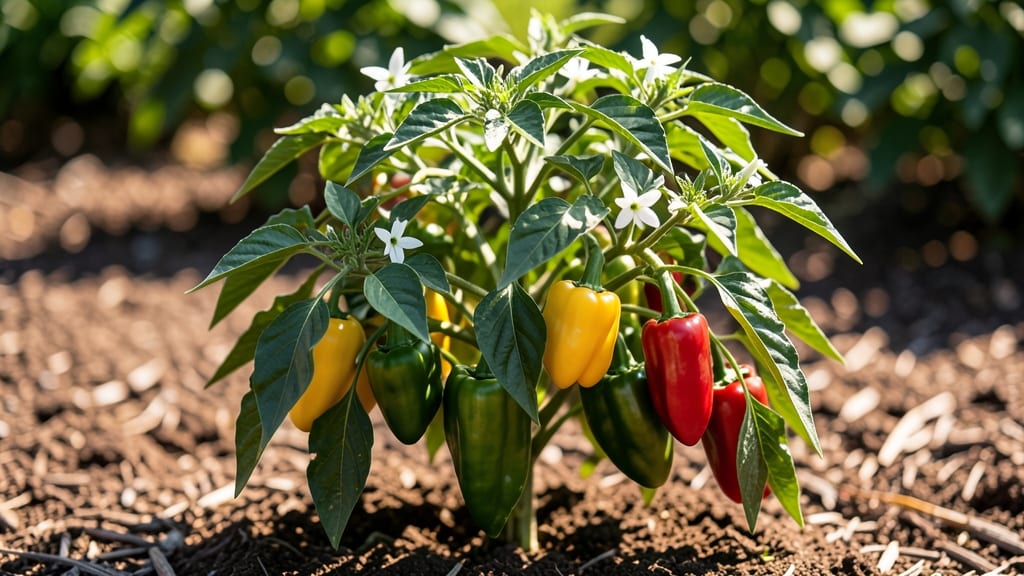
Growing Italian sweet peppers from seed means bright red, yellow, and orange harvests in just 60 days—faster than you’d expect. 🌱 I’ve grown these peppers for years, and the secret to their bold flavors and crisp texture lies in the details: starting them indoors at the right time, giving them plenty of sunlight, and keeping the soil consistently moist (but not soggy).
These peppers thrive in warm climates but can also grow in containers if you live in cooler zones. Varieties like Arpad F1 and Lamuyo are my top picks—they’re disease-resistant and produce consistently.
The key is spacing them properly (12–18 inches apart) and fertilizing lightly to encourage fruiting, not just leafy growth. By midsummer, you’ll be harvesting peppers that are sweeter and more vibrant than anything from the store.
The first harvest is always a game-changer—imagine fresh peppers for stir-fries, salads, or grilling, all grown in your own backyard. Whether you’re starting from seed or transplanting, this guide covers everything from soil prep to pest control. Let’s get those peppers growing!
📚 In This Guide
- What you need
- Instructions
- Tips and common mistakes
- Wrapping up and next steps
What you need
- ● Italian sweet pepper seeds: 10–20 seeds (choose heirloom varieties like ‘Corno di Toro’ or ‘Padrone’ for bold flavors and colors).
- ● Seed-starting mix: 1–2 gallons of sterile, well-draining potting soil (avoid garden soil—it’s too dense!).
- ● Containers or seed trays: 2–4 small pots (3–4 inches deep) or a seed tray with individual cells.
- ● Grow lights or sunny windowsill: 12–16 hours of light daily (a basic LED grow light works if natural light is limited).
- ● Watering can or spray bottle: With a fine mist setting to keep seeds moist without drowning them.
- ● Plastic wrap or humidity dome: To retain moisture while seeds germinate.
- ○ Fertilizer (optional but helpful): A balanced, water-soluble fertilizer (5-5-5 or 10-10-10) for transplanting.
- ● Larger pots or garden bed: 12-inch pots or a raised bed with at least 12–18 inches of depth (peppers love space!).
- ● Well-draining garden soil: Mix in compost or aged manure for nutrients (aim for a pH of 6.0–6.8).
- ● Mulch: Straw or shredded leaves to retain moisture and suppress weeds.
- ○ Stakes or cages (optional): For tall varieties like ‘Corno di Toro’ to support heavy fruit.
- ● Heating mat: Speeds up germination in cooler climates (70–80°F is ideal!).
- ● Epsom salt: A teaspoon dissolved in water every 2 weeks for magnesium boosts.
- ● Pest control: Neem oil or row covers to deter aphids or flea beetles.
- ● Garden journal: To track planting dates, watering schedules, and growth milestones!
Step-by-step instructions for growing Italian sweet peppers
Here's my foolproof method for growing vibrant Italian sweet peppers from seed to harvest in just 60 days.
🌱 Step 1: Start Seeds Indoors 8-10 Weeks Before Last Frost
Fill small seedling trays with sterile seed-starting mix and plant seeds ¼ inch deep, spacing them ½ inch apart. I use a toothpick to make individual holes—it's faster than pushing seeds into loose soil. Cover lightly with more mix, then mist gently until the surface feels evenly moist but not soggy.
Place the tray in a warm spot (around 70-75°F) since sweet peppers need warmth to germinate. A seedling heat mat works wonders here. You'll see sprouts in 7-14 days, but don't be surprised if some take longer—pepper seeds are patient like that. Keep the soil consistently moist during this time, but never waterlogged.
☀️ Step 2: Provide Bright Light and Fertilize Young Plants
The instant seedlings emerge, move them to a sunny windowsill or under grow lights for 12-14 hours daily. Italian sweet peppers need strong light to develop thick stems and prevent leggy growth. I use a full-spectrum LED grow light just 2 inches above the seedlings and raise it as they grow.
When the first true leaves appear (not the initial seed leaves), fertilize lightly with a balanced liquid fertilizer (like 10-10-10) at half strength. You'll know they're ready when the second set of leaves unfurls—these are your signal to start feeding. Avoid over-fertilizing now; you want steady growth, not a sudden burst that burns tender roots.
🪴 Step 3: Transplant Seedlings After All Frost Risk Has Passed
Wait until soil temperatures reach at least 60°F and nighttime temps stay above 50°F before moving peppers outdoors. Harden off seedlings by placing them outside in a sheltered spot for 2-3 hours daily over 5-7 days, gradually increasing their time outside.
When transplanting, bury seedlings slightly deeper than they were in their trays—this encourages stronger root systems. Space plants 18-24 inches apart in rows 2 feet apart to allow for air circulation and prevent disease. Water deeply right after transplanting to help roots establish quickly in their new home.
💧 Step 4: Maintain Consistent Watering and Fertilization
Italian sweet peppers thrive with 1-1.5 inches of water weekly, but they hate soggy soil. Water at the base of plants in the morning so leaves dry quickly—this prevents fungal diseases like powdery mildew. I use drip irrigation or soaker hoses to keep water off the foliage entirely.
Feed plants every 2-3 weeks with a balanced fertilizer once they start flowering. You'll notice the first blossoms appear about 4-6 weeks after transplanting. At this point, switch to a fertilizer higher in phosphorus (like 5-10-10) to encourage fruit development. Stop fertilizing once fruits start coloring up—you want them to focus on ripening, not new growth.
✂️ Step 5: Harvest at Peak Ripeness for Best Flavor
Italian sweet peppers are ready to harvest when they reach their full color and firm to the touch—usually about 60 days after transplanting. I pick mine in the morning when the skin is cool and crisp. Use pruning shears or clean scissors to cut stems, leaving a small portion attached to encourage more fruit production.
Don't wait too long to harvest—peppers left on the plant past their prime lose flavor and become rubbery. You'll know they're perfect when the skin is glossy and the stem separates cleanly. With proper care, one plant produces enough for fresh eating, roasting, or preserving for months ahead.
Tips & tricks for growing Italian sweet peppers
Took me a while to figure these out, so here goes—pepper-growing secrets that'll make your harvest shine.
Seed Starting: Don't rush the germination process! While you'll see sprouts in 7-14 days at 70-75°F, pepper seeds can take up to 21 days in cooler conditions. I've found that using a clear plastic dome over the seed tray creates a mini greenhouse effect, maintaining consistent warmth and humidity without extra equipment. Just remove it once sprouts appear to prevent mold.
Lighting Strategy: Those 12-14 hours of daily light are non-negotiable, but here's what I learned: Position your grow lights just 2 inches above seedlings, then raise them as plants grow to maintain consistent distance. I use a simple clothespin to hang lights and adjust height easily. Watch for leggy seedlings—this is your signal to move them closer to the light immediately.
Transplanting Wisdom: When hardening off seedlings, I've found that starting with 2-3 hours in the shade on the first day works better than full sun. Gradually increase sun exposure over the 5-7 days while monitoring for wilting. Also, bury seedlings deeper than their original height—this encourages stronger root systems and helps them establish faster in their permanent home.
Harvest Timing: The 60-day timeline is ideal, but don't stress if your climate varies. Italian sweet peppers actually taste sweeter when harvested slightly before full ripeness—this prevents the sugar-to-starch conversion that happens as they mature. I harvest mine when they're about 75% colored for that perfect balance of sweetness and crunch.
Pro Tips for Italian Sweet Peppers
- Took me a while to figure these out, so here goes—pepper-growing secrets that'll make your harvest shine.
- Seed Starting: Don't rush the germination process!
- Lighting Strategy: Those 12-14 hours of daily light are non-negotiable, but here's what I learned: Position your grow lights just 2 inches above seedlings, then raise them as plants grow to maintain consistent distance.
Frequently asked questions
Got questions about growing and using Italian sweet peppers? You’re not alone! Here are some of the most common queries—plus quick, practical answers to help you grow bold, flavorful peppers like a pro.
How long do Italian sweet peppers take to mature from seed?
Italian sweet peppers typically mature in 60–75 days from seed, depending on the variety. For faster results, opt for transplants (30–45 days to harvest). Plant seeds indoors 8–10 weeks before the last frost or start them directly in warm soil after all danger of frost has passed. Patience pays off—these peppers pack big flavor!
Can I grow Italian sweet peppers in containers?
Sweet peppers thrive in containers as long as the pot is at least 12–18 inches wide and deep. Use well-draining soil and place the container in a spot with 6–8 hours of sunlight daily. Dwarf varieties like ‘Snackable’ or ‘Baby Belle’ are perfect for pots. Just ensure the container has drainage holes to prevent root rot.
Why are my Italian sweet peppers turning bitter?
Bitter flavor in sweet peppers often stems from over-maturity, stress, or heat. Harvest peppers when they’re firm and glossy (usually 6–8 inches long). Avoid letting them stay on the plant too long, as sugars convert to bitter compounds. Also, ensure consistent watering and mulch to keep soil moisture stable—peppers hate drought stress!
What’s the best way to store harvested Italian sweet peppers?
Store peppers in the fridge for up to 2 weeks in a plastic bag with a paper towel to absorb moisture. For longer storage, ferment or pickle them! Alternatively, slice and freeze in airtight containers (they’ll last 8–12 months). Avoid washing before storage—excess moisture speeds up spoilage.
Are Italian sweet peppers spicy?
Not at all! True to their name, Italian sweet peppers are non-spicy (0–5 Scoville heat units). They’re crisp, juicy, and mild—perfect for fresh eating, grilling, or stuffing. If you prefer heat, try growing peperoncini (small, spicy Italian peppers) instead.
Still stumped? Drop your question in the comments—we’re happy to help!
Wrapping up and next steps
Italian sweet peppers are a vibrant, rewarding addition to any garden—packed with flavor, nutrients, and stunning visuals! Whether you're a seasoned gardener or a curious beginner, their quick growth (just 60 days) makes them perfect for small spaces or containers.
With the right soil, sunlight, and care, you’ll enjoy a bountiful harvest of yellow, red, or orange peppers that elevate dishes from simple to extraordinary.
Ready to dive in? Start by gathering your supplies, pick your favorite variety, and plant with confidence. Your garden—and your taste buds—will thank you! 🌱✨