
Vegetables
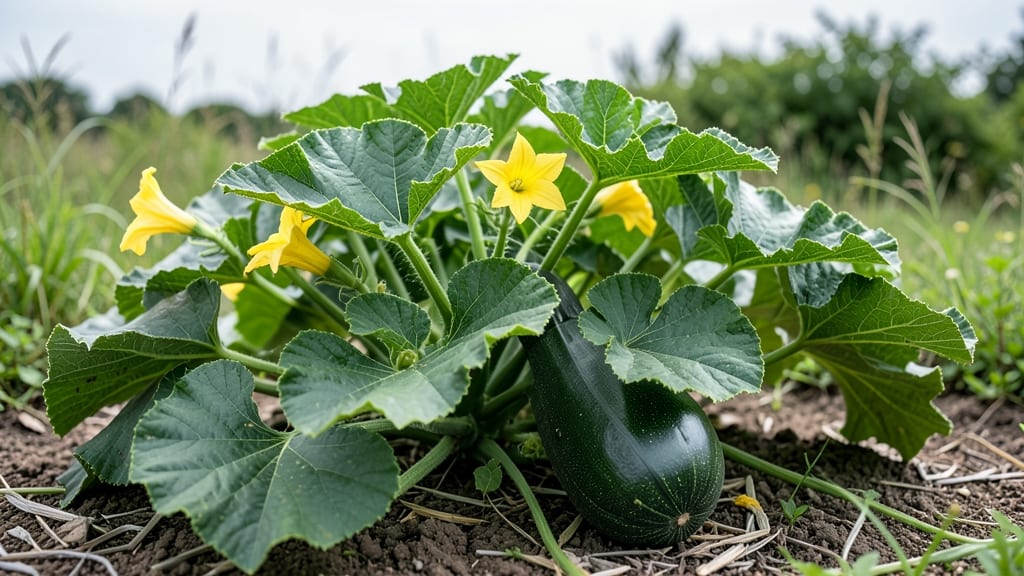
Growing large round zucchini means harvesting bold, striped beauties that look like they belong in a farmers' market display—not the lopsided, seedy monsters that take over the garden. 🌱 I learned the hard way that variety matters: 'Big Boy' and 'Black Beauty' deliver the classic round shapes, while other types sprawl or fork into weird shapes.
The secret starts with the right soil mix and planting timing, but it's the pruning that truly transforms those zucchini into showstoppers.
You'll need rich, well-draining soil with a 2.5-inch layer of compost mixed in, plus a sunny spot that gets at least 6-8 hours of light daily. Plant seeds 1 inch deep, spacing them 2-3 feet apart—crowding is the enemy of round zucchini.
Once they sprout, thin to the strongest plant per hill, and keep the soil consistently moist but not soggy. The key to big, round fruit is pruning: pinch off early blooms to let the plant focus energy on a few main fruits, and remove any that start looking lopsided.
By day 50, you'll be harvesting pound-per-plant zucchini with that perfect striped pattern and smooth, round shape. The flavor is milder and sweeter than smaller varieties, and they stay tender for 2-3 days longer after harvest.
Imagine slicing one open to reveal thick, pale green flesh with just a few seeds—this is the zucchini you've been dreaming of. The best part? These varieties produce 50-100 pounds per plant in a single season if you follow the pruning rules.
Here's where it gets interesting—this method works for container growing too. Use 5-gallon pots for one plant, and you'll still get those market-ready zucchini without taking over your yard.
The same pruning rules apply, and you can even grow them on a balcony if you provide support stakes for the vines. Whether you're a space-challenged urban gardener or a backyard enthusiast, these varieties deliver foolproof results with minimal fuss.
📚 In This Guide
- What you need
- Instructions
- Tips and common mistakes
- Wrapping up and next steps
What you need
- ● Large round zucchini seeds: Choose a variety like ‘Big Boy’, ‘Black Beauty’, or ‘Gold Rush’ (3–5 seeds per plant, ~10–15 total for a family-sized harvest).
- ● Well-draining potting mix or garden soil: 10–12 cubic feet (or enough to fill 3–4 large containers if container gardening).
- ● Compost or organic fertilizer: Balanced 10-10-10 or veggie-specific mix (1 cup per plant at planting, then monthly).
- ● Watering can or hose with a gentle spray nozzle: Zucchini love 1–2 inches of water weekly.
- ● Garden trowel or transplanter: For digging holes (6-inch depth, 2–3 feet apart).
- ● Garden gloves: Protect your hands from prickly vines! 🧤
- ○ Stakes or trellis (optional): Heavy vines may need support (4–6 ft tall).
- ● Pruning shears: For trimming excess leaves or yellowing foliage.
- ○ Row cover or frost cloth (optional): If planting early/late in cool climates.
- ● Sunlight: Full sun (6–8+ hours daily)—zucchini are sun-worshippers! ☀️
- ● Warm soil: Wait until after the last frost (soil temp ≥ 60°F/15°C).
- ● Space: 2–3 feet between plants (or 3–4 ft for giant varieties).
- ● Patience: Germination takes 5–10 days; harvest in 45–55 days!
Step-by-Step instructions for growing bold striped zucchini
Here’s how to coax those striking, globe-shaped zucchini from seed to harvest in just 50 days.
🌱 Step 1: Start Seeds Indoors 4 Weeks Before Last Frost
Fill 2-inch deep seed trays with seed-starting mix and plant 2-3 seeds per cell at a depth of 1 inch. Press gently but don’t compact—zucchini roots need room to spread. I like to label each tray with the variety and date because those striped beauties can blend in with regular zucchini once they sprout.
Cover with a humidity dome or plastic wrap to retain warmth and moisture. Place trays on a seedling heat mat set to 80-85°F for consistent germination. You’ll see sprouts in 5-7 days—watch for the first true leaves (the second set that appear after the initial cotyledons). Once they emerge, remove the dome immediately to prevent damping-off.
☀️ Step 2: Harden Off and Transplant After Frost
Two weeks before your last frost date, begin hardening off seedlings by placing them outside in a sheltered spot for 1-2 hours daily. Gradually increase exposure over 7-10 days, ending with full sun. Zucchini are frost-sensitive, so wait until soil temperatures reach 60°F before transplanting—cold soil stunts root growth.
Choose a sunny spot with 6+ hours of direct sun and well-draining soil. Space plants 2-3 feet apart in rows 4-5 feet apart to allow for sprawling vines. Dig holes slightly deeper than the root ball and water deeply after transplanting to settle the soil. Here’s the thing—zucchini roots are shallow but extensive, so mulch heavily with 2-3 inches of straw or shredded leaves to retain moisture and suppress weeds.
💧 Step 3: Water Deeply and Fertilize for Bold Growth
Zucchini thrive on consistency—water 1-1.5 inches per week, aiming for deep, infrequent waterings rather than light daily sprinkles. The soil should stay evenly moist but not soggy; let the top 1-2 inches dry out between waterings to prevent fungal diseases. You’ll know you’re on track when the large, striped fruits develop a glossy finish.
Feed plants every 2-3 weeks with a balanced 10-10-10 fertilizer or compost tea. I mix in a handful of aged compost around the base at planting and again when flowers appear. Avoid high-nitrogen fertilizers—they promote leafy growth at the expense of fruit production. Watch for squash vine borers by inspecting stems for sawdust-like frass; if you spot them, wrap stems with aluminum foil to deter egg-laying.
✂️ Step 4: Harvest at Peak Ripeness for Maximum Flavor
Those iconic round zucchini reach harvest size in 50 days—pick when fruits are 6-8 inches in diameter and still firm to the touch. Use a sharp knife or pruners to cut stems, leaving a 1-inch stem attachment to prevent bruising. Harvest every 2-3 days during peak production to encourage continuous flowering and fruiting.
Don’t let them get too large—overgrown zucchini develop tough, seedy flesh and lose their signature sweetness. I know it’s tempting to wait, but those striped beauties are at their best when harvested young. Store in the fridge for up to 5 days or blanch and freeze for long-term storage. Here’s a pro tip: use a softball-sized zucchini for baking—it’s the perfect size for individual portions.
Tips & tricks for perfect striped zucchini harvests
Growing these bold beauties takes precision—here’s how to avoid common pitfalls and maximize your yield.
Germination Success: The 80-85°F heat mat temperature is non-negotiable for consistent germination. If your home stays cooler, consider using a small greenhouse or placing trays near a sunny window with a space heater. I’ve seen germination rates drop to 50% when temps fall below 75°F—don’t let that happen to your striped varieties! The 5-7 day window for sprouts is approximate, but if you don’t see anything after 10 days, gently check one cell to confirm moisture levels.
Harden Off Strategically: Those 1-2 hours of initial hardening in Step 2 should happen in the morning when temperatures are cooler. Gradually moving to full sun over 7-10 days prevents shock—think of it like acclimating to a new climate. I’ve learned the hard way that rushing this process can lead to wilting or even transplant shock. Also, harden off during overcast days if possible, as direct afternoon sun can scorch tender seedlings.
Soil Temperature Matters: The 60°F soil temperature threshold is critical—use a soil thermometer to verify before transplanting. Cold soil stunts root growth, and zucchini roots are particularly sensitive. I’ve found that planting in raised beds warms up faster in spring, giving you a head start. If your soil runs cold, consider using black plastic mulch to raise temperatures by 5-10°F before transplanting.
Pest Prevention: Those squash vine borers are relentless! The aluminum foil wrap mentioned is brilliant, but I’ve had even better success with floating row covers during the flowering stage. You’ll still need to hand-pollinate (use a small paintbrush), but the protection is worth it. Also, inspect stems every 3-4 days—early detection means you can remove eggs before they hatch.
Pro Tips for Large Round Zucchini
- Growing these bold beauties takes precision—here’s how to avoid common pitfalls and maximize your yield.
- Germination Success: The 80-85°F heat mat temperature is non-negotiable for consistent germination.
- Harden Off Strategically: Those 1-2 hours of initial hardening in Step 2 should happen in the morning when temperatures are cooler.
Frequently asked questions
Got questions about those bold, striped giants—large round zucchini? You’re not alone! Here’s a quick guide to tackle the most common curiosities, from growing woes to kitchen hacks.
Why is my zucchini growing so large and round?
Large round zucchini are a variety trait, not a mistake! Varieties like ‘Big Boy’ or ‘Black Beauty’ naturally produce oversized, globular fruits. If yours are too big (like baseball-sized), they’re likely overripe—harvest sooner next time! Overwatering or poor pollination can also cause irregular shapes.
How do I know when to harvest a large round zucchini?
Harvest when they’re 6–8 inches in diameter—firm, glossy, and deep green. Use your thumb: if it leaves a shallow dent, it’s ready! Wait too long, and they’ll turn tough and seedy. Pro tip: Check plants every 2–3 days in peak season to avoid missing the window.
Can I substitute large round zucchini for smaller varieties in recipes?
Their mild, neutral flavor and dense texture work great in grilling, frying, or baking. For recipes calling for smaller zucchini (like spiralizing), halve or quarter them. Just reduce cooking time slightly—they’re thicker and less watery.
What do I do if my large zucchini develops soft spots or mold?
Soft spots or mold mean overripeness or disease. Cut out the affected area (if minor) and use the rest in cooked dishes. To prevent future issues:
- Harvest regularly to avoid overgrowth.
- Space plants for airflow (18–24 inches apart).
- Remove yellowing leaves to reduce humidity.
How should I store large round zucchini to keep them fresh?
Store unwashed zucchini in a paper towel-lined bag in the fridge for 5–7 days. Avoid plastic—it traps moisture and speeds rot. For longer storage (up to 2 weeks), wrap whole zucchini in foil and refrigerate. Freezing tip: Slice, blanch for 3 minutes, and freeze for soups or bread!
Wrapping up and next steps
Growing large, round zucchini with bold stripes is a rewarding experience—whether you’re a seasoned gardener or a curious beginner! 🌱 With the right soil, spacing, and care, you can enjoy a bountiful harvest in just 50 days.
These versatile veggies aren’t just easy to grow; they’re also packed with nutrients and perfect for everything from grilling to baking.
Ready to take the next step? Start by planting your seeds or seedlings this season and experiment with companion plants or creative recipes. Your garden—and your dinner table—will thank you!