
Vegetables
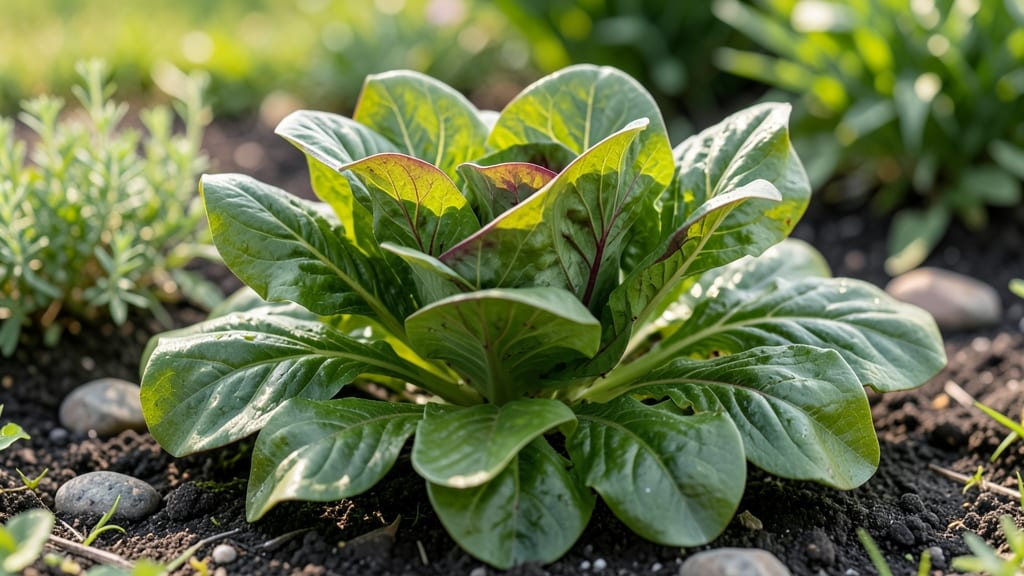
Growing loose leaf lettuce that keeps producing crisp, tender leaves all season is easier than you think. 🌱 My first attempt had me harvesting for weeks without buying a single head—just by cutting back outer leaves and letting the center regrow.
The secret lies in the right soil, spacing, and a little patience.
You’ll need well-draining soil, a sunny spot (or partial shade in hot climates), and consistent moisture—think of it like keeping a houseplant happy, but edible. Start seeds indoors 4-6 weeks before your last frost, or sow directly in spring and fall for a year-round harvest.
The key is to avoid overcrowding; space seedlings 6-12 inches apart so they don’t compete.
Harvest begins when leaves are 4-6 inches tall—just snip the outer leaves with clean scissors, leaving the inner growth intact. With proper care, a single plant can yield 5-10 pounds of greens over its lifetime. The flavor improves with cooler weather, making late-summer and fall plantings especially sweet.
Watch for bolting (going to seed) in heat—shade cloth helps—and keep pests like slugs at bay with row covers. Even in small spaces, this method works: containers, raised beds, or a sunny windowsill will all produce. Ready to grow lettuce that never quits?
📚 In This Guide
- What you need
- Instructions
- Tips and common mistakes
- Wrapping up and next steps
What you need
- ● Loose leaf lettuce seeds: Choose varieties like Black Seeded Simpson, Oakleaf, or Buttercrunch (1–2 packets, ~500–1,000 seeds total).
- ● Growing containers or garden bed: Containers: 6–12" deep pots (4–6 per plant) with drainage holes.
- ● Garden bed: Well-draining soil, 6–12" deep, in partial shade (or full sun with afternoon shade in hot climates).
- ● High-quality potting mix or garden soil: Lightweight, nutrient-rich blend (avoid heavy clay soil).
- ● Organic compost or fertilizer: Balanced 10-10-10 or compost tea (1 cup per plant at planting).
- ● Watering can or hose with gentle spray nozzle: Keep soil consistently moist (not soggy!).
- ○ Row covers or shade cloth (optional for hot climates): 30–50% shade cloth to prevent bolting.
- ● Hand trowel or small shovel: For planting seeds ~½" deep, 1–2" apart.
- ○ Gloves (optional): To protect hands from soil or prickly stems.
- ● Pruning shears or clean knife: For harvesting outer leaves (sterilize with rubbing alcohol).
- ○ pH testing kit (optional): Ideal soil pH: 6.0–7.0. Adjust with lime (to raise pH) or sulfur (to lower) if needed.
Step-by-Step instructions for growing loose leaf lettuce
Here's how I grow tender, continuous harvests of loose leaf lettuce with almost no maintenance.
🌱 Step 1: Prepare the Soil and Planting Site
Loose leaf lettuce thrives in well-draining, nutrient-rich soil with a pH between 6.0 and 7.0. Work 2-3 inches of compost into the top 6 inches of soil to improve fertility and moisture retention. I avoid heavy clay soils—lettuce roots need air, and compacted soil suffocates them.
Choose a location that receives 4-6 hours of morning sun and afternoon shade, especially in warmer months. Lettuce bolts (goes to seed) quickly in temperatures above 80°F, so afternoon shade prevents this. If you're planting in summer, opt for heat-tolerant varieties like 'Black Seeded Simpson' or 'Jericho'.
💧 Step 2: Sow Seeds Directly or Transplant Seedlings
For direct sowing, scatter seeds ½ inch deep and 1 inch apart in rows spaced 12 inches apart. I like to use a seed tape for precision—it eliminates the guesswork of spacing and depth. Keep the soil consistently moist but never soggy; lettuce seeds need constant moisture to germinate, but waterlogged soil invites rot.
If using transplants, space them 8-10 inches apart to allow for leaf expansion. Harden off seedlings for 5-7 days before transplanting by gradually exposing them to outdoor conditions. Watch for first true leaves (the second set after the initial cotyledons) before thinning seedlings—this ensures they’re strong enough to survive.
☀️ Step 3: Maintain Consistent Moisture and Light
Water lettuce deeply 1-2 times per week, aiming for 1 inch of water per week. I water in the early morning to reduce evaporation and fungal risks. Lettuce has shallow roots, so top inch of soil should stay moist—let it dry out slightly between waterings, but never to the point of wilting. Mulch with 1-2 inches of straw to retain moisture and suppress weeds.
Monitor light exposure closely. If leaves turn pale or stretch toward the light, your lettuce needs more bright, indirect light. In containers, rotate pots a quarter turn every few days to ensure even growth. Avoid fertilizing heavily—lettuce prefers lean soil. A light application of compost tea every 4-6 weeks keeps it happy without overfeeding.
✂️ Step 4: Harvest Leaves for Continuous Yield
The magic of loose leaf lettuce is its cut-and-come-again nature. Use clean, sharp scissors or your fingers to harvest outer leaves when they reach 3-4 inches long. Cut just above a leaf node (the point where leaves attach to the stem) to encourage regrowth. You’ll see new leaves emerge within 1-2 weeks—this is your signal to harvest again.
Don’t wait until the entire head is mature. Harvesting early keeps the plant productive and prevents bolting. If the center of the plant starts to flower (bolting), trim the entire head at the base and compost it—new leaves may still sprout from the base if the plant isn’t too far gone. With this method, one planting can yield harvests for 6-8 weeks.
⏰ Step 5: Succession Plant for Year-Round Harvests
For continuous harvests, sow new seeds every 2-3 weeks in spring and fall, or every 3-4 weeks in summer. In cooler climates, use row covers to extend the season into late fall or early spring. I plant a final succession in late summer for a winter harvest under frost blankets or in a cold frame.
Rotate crops annually to prevent soil-borne diseases. Lettuce is a light feeder, so it doesn’t deplete soil nutrients quickly, but I still rotate it with other greens or brassicas to keep the garden balanced. With this approach, you’ll enjoy fresh, homegrown lettuce for months with minimal effort.
Tips & tricks for perfect loose leaf lettuce growth
Here's what nobody tells you about growing lettuce that actually keeps producing—no bitter surprises or bolted failures.
Soil Prep Secret: When amending your soil with 2-3 inches of compost in Step 1, mix in a handful of aged manure or worm castings for an extra nutrient boost. Lettuce roots are shallow, so the top 6 inches need to be rich in organic matter. I test my soil pH with a simple kit—aim for 6.0-7.0, and adjust with lime if needed. The right soil texture prevents root suffocation, which leads to weak plants that bolt prematurely.
Seed Starting Hack: For direct sowing in Step 2, I create mini "seed hills" by mounding soil slightly before scattering seeds ½ inch deep. This helps with germination consistency, especially in uneven soil. If using transplants, space them 8-10 inches apart and wait for first true leaves before thinning—this ensures they've developed strong root systems. Harden off seedlings for 5-7 days by moving them to outdoor conditions gradually; I start with just 1 hour per day and increase by 1 hour daily.
Watering Wisdom: The 1 inch of water per week guideline in Step 3 is perfect, but timing matters more than quantity. Water deeply in the early morning so leaves have all day to dry—this prevents fungal diseases like downy mildew. I use a soaker hose or drip irrigation to deliver water directly to the roots without wetting the foliage. Mulching with 1-2 inches of straw helps retain moisture and keeps soil temperatures stable, which is especially important during those 80°F+ heat waves that trigger bolting.
Harvesting Technique: When harvesting outer leaves in Step 4, I always use clean scissors or my fingers to avoid tearing the plant. Cut just above a leaf node—this is where new growth emerges. The 3-4 inch size guideline is ideal, but don't hesitate to harvest smaller leaves if you need them. You'll notice new leaves appearing within 1-2 weeks—this is your plant's way of telling you it's ready for another harvest. If you see bolting starting, trim the entire head at the base and compost it; sometimes new leaves will sprout from the base if the plant isn't too far gone.
Pro Tips for Loose Leaf Lettuce
- Here's what nobody tells you about growing lettuce that actually keeps producing—no bitter surprises or bolted failures.
- Soil Prep Secret: When amending your soil with 2-3 inches of compost in Step 1, mix in a handful of aged manure or worm castings for an extra nutrient boost.
- Seed Starting Hack: For direct sowing in Step 2, I create mini "seed hills" by mounding soil slightly before scattering seeds ½ inch deep.
Frequently asked questions
about growing loose leaf lettuce—because even the greenest thumbs need a little clarity!How long does it take for loose leaf lettuce to mature?
Loose leaf lettuce is one of the fastest-growing greens! Most varieties mature in 30 to 50 days from seed, depending on the type and growing conditions. Check the seed packet for specifics—some heat-tolerant varieties like 'Black Seeded Simpson' can even mature faster in warm weather.
Can I grow loose leaf lettuce in containers or small spaces?
Loose leaf lettuce thrives in containers as small as 6 inches wide, making it perfect for balconies, windowsills, or even hanging pots. Just ensure the container has drainage holes and provides at least 6–8 hours of sunlight daily. A few varieties, like 'Salad Bowl' or 'Merlot,' are especially compact and ideal for small spaces.
How do I protect my lettuce from heat or frost?
Loose leaf lettuce prefers cooler weather (60–70°F) but can bolt (go to seed) in heat. To beat the heat, use shade cloth (30–50%) or plant in partial shade. For frost, opt for cold-hardy varieties like 'Winter Density' and use row covers or mulch to insulate roots.
How do I harvest loose leaf lettuce without killing the plant?
Harvest outer leaves first, cutting just above the soil line with clean scissors. Leave the inner leaves to keep growing! For a continuous harvest, pick 1/3 of the plant at a time every few days. Avoid pulling leaves—this can damage the plant and reduce future yields.
What can I do if my lettuce turns bitter or bolted?
Bitter taste or bolting (flowering) usually happens due to heat stress, long daylight hours, or old age. To fix it, harvest the leaves immediately and replant with heat-tolerant varieties like 'Jericho' or 'New Red Fire.' For future crops, use shade and succession planting to keep lettuce happy year-round.
Wrapping up and next steps
Growing loose leaf lettuce is a rewarding journey that brings fresh, crisp greens to your table with minimal effort—no fancy pruning skills required! 🌱 Whether you’re a beginner or a seasoned gardener, this versatile crop thrives in containers, raised beds, or even your backyard, offering year-round harvests with the right care.
Start small, stay consistent, and soon you’ll be enjoying homegrown salads packed with flavor and nutrition.
Ready to dive in? Pick your favorite variety, grab your supplies, and plant your first seeds today—your future self (and taste buds) will thank you! 🌿