
Vegetables
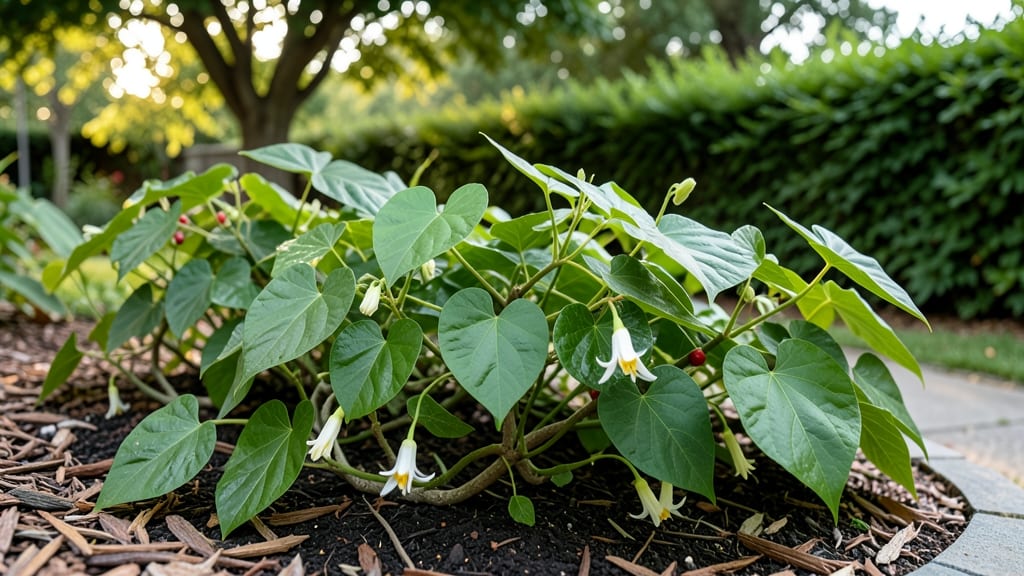
Growing Mansoa alliacea garlic vine means adding a bold, fragrant perennial to your garden that doubles as both a kitchen staple and a stunning trellis climber. 🌱 I’ve watched this vine transform bare walls into lush green curtains while filling my kitchen with garlic’s signature punch—no cooking required.
The key is getting the planting right from the start, because once established, it’s nearly indestructible.
This vine thrives in full sun to partial shade, tolerates a wide range of soils (though well-draining is best), and loves humidity—making it perfect for warm climates or containers on patios.
Water it consistently but avoid soggy roots, and you’ll see rapid growth with those signature heart-shaped leaves and clusters of fragrant white flowers. The real magic happens when you start harvesting the edible leaves, which taste like garlic when cooked.
Pruning is where this plant shines—regular trims encourage bushier growth and more harvestable leaves. I prune mine back by one-third in early spring, then again after harvests to keep it compact.
The vines can reach 20+ feet, so a sturdy trellis or fence is a must unless you’re growing it as a ground cover. Even in cooler zones, it often survives winters with minimal protection.
What makes Mansoa alliacea special is its dual-purpose beauty: the fragrant flowers attract pollinators, the leaves add garlic flavor to dishes, and the vines create living privacy screens.
It’s the kind of plant that rewards patience—start small, let it establish, and you’ll have a perennial harvest for years to come. Ready to grow yours?
📚 In This Guide
- What you need
- Instructions
- Tips and common mistakes
- Wrapping up and next steps
What you need
- ● Mansoa alliacea seeds or cuttings – Start with 3–5 healthy seeds or 2–3 mature cuttings (6–12 inches long) from a trusted source. Pro tip: Cuttings root faster if taken from semi-hardwood stems!
- ● Well-draining potting mix – Use a blend of 50% coconut coir/peat, 30% perlite/pumice, and 20% compost for seedlings. For mature plants, amend garden soil with aged compost (2–3 inches) and a handful of worm castings.
- ○ Containers or garden space – 5-gallon pots (for seedlings) or full-sun garden beds (6+ feet wide for vining). Optional: Trellis or sturdy fence (8–10 feet tall) for vertical growth.
- ● Watering can or hose with gentle nozzle – Keep soil consistently moist but not soggy (especially for seedlings).
- ● Fertilizer – Balanced organic fertilizer (10-10-10) or fish emulsion (diluted to half-strength). Apply every 4–6 weeks during growing season.
- ● Pruning shears – Sharp, sterilized shears for trimming vines and harvesting leaves.
- ○ Gloves (optional) – The vine’s garlicky aroma can be intense—wear gloves if you’re sensitive to strong smells!
- ● USDA Hardiness Zones 9–11 (or Zone 8 with winter protection). Pro tip: Grow in containers if you’re in cooler zones—bring them indoors when temps drop below 50°F (10°C)!
- ● Full sun to partial shade – 6+ hours of sunlight daily for optimal growth; tolerates morning sun + afternoon shade in hot climates.
- ● Humidity-friendly – Thrives in 60%+ humidity; mist leaves occasionally if air is dry.
- ● No frost tolerance – Kill frost will damage the plant. Use row covers or move containers to shelter.
- ● Mycorrhizal fungi – Boosts root health and nutrient uptake.
- ● Slow-release fertilizer spikes – Convenient for container gardening.
- ● Garlic or onion companion plants – Enhances flavor and deters pests.
- ● Food processor or mortar & pestle – For easy prep of garlic vine leaves in cooking!
How to grow and maintain Mansoa alliacea garlic vine
This bold, fast-growing vine thrives with minimal fuss once you know its key needs.
🌱 Step 1: Choose the Right Location and Plant Your Vine
Mansoa alliacea loves warmth and needs full sun to partial shade—at least 6 hours of direct sunlight daily. Pick a spot with a sturdy trellis, fence, or pergola at least 8 feet tall because this vine can grow 30+ feet in a single season. I always plant mine near a south-facing wall or fence where it gets morning sun and afternoon shade in hot climates.
Dig a hole twice as wide as the root ball and just as deep. Loosen the soil at the bottom with your fingers—this vine has a deep root system and needs room to spread. If your soil drains poorly, mix in 2-3 inches of compost to improve aeration. Place the plant so the top of the root ball sits 1 inch below soil level—this helps prevent rot while encouraging strong root growth.
☀️ Step 2: Water Deeply and Establish a Regular Routine
Water deeply once a week during the first growing season, soaking the soil to a depth of 12 inches. You'll know it's enough when water runs out the drainage holes if planted in a container, or when the top 6 inches of soil feel damp if in the ground. Overwatering is the biggest mistake—this vine tolerates drought better than soggy roots.
After the first year, Mansoa alliacea becomes drought-tolerant. Let the top 2-3 inches of soil dry out completely between waterings. You'll see the large, glossy leaves start to droop slightly when it's thirsty—that's your cue to water. Mulch with 2-3 inches of organic mulch around the base to retain moisture and regulate soil temperature.
✂️ Step 3: Prune for Health and Encourage Full Growth
Prune in late winter or early spring before new growth begins. Remove any dead, damaged, or crossing branches first—this opens the plant up to better airflow and sunlight. Then, trim back any leggy growth by ⅓ of its length. You'll see new shoots emerge from the nodes within 2-3 weeks, signaling vigorous regrowth.
Throughout the growing season, pinch back the tips of new growth to encourage bushier vines. This is especially important if you want more abundant garlic-scented leaves. I like to harvest leaves regularly, which also stimulates new growth. Just snip individual leaves or small stems with clean pruners—never take more than ⅓ of the plant at once.
🪴 Step 4: Support and Train the Vine for Maximum Harvest
Install a strong trellis or support structure before planting—this vine grows aggressively and needs something sturdy to climb. I use a combination of a 10-foot wooden trellis and a chain-link fence for my plants. Train the main vine along the trellis by gently tying it with soft plant ties every 3-4 feet as it grows.
Side shoots will emerge along the main vine—let these grow freely for a fuller look. You'll notice the vine produces aerial roots that cling to the trellis naturally, but you can help by weaving them through the structure. This not only supports the plant but also creates a lush, green curtain that's perfect for privacy or shade.
⏰ Step 5: Overwinter and Prepare for Year-Round Growth
Mansoa alliacea is perennial in USDA zones 9-11, but if you're in a colder zone, treat it as an annual or bring it indoors before the first frost. In zones 8 or cooler, dig up the plant in fall, trim back the foliage, and pot it in a 15-gallon container. Store it in a cool, bright spot (50-60°F) with minimal watering until spring.
In warmer climates, the vine stays evergreen year-round. Just reduce watering in winter to every 3-4 weeks unless there's heavy rain. You'll still get new growth in winter if you provide bright indirect light. This is when the leaves develop the strongest garlic flavor—perfect for winter harvesting.
Tips & tricks for perfect Mansoa alliacea garlic vine growth
These simple strategies will help you coax the most vibrant growth from your garlic vine—without the guesswork.
The Light Factor: If your vine isn't getting the full 6 hours of sun daily, supplement with a grow light for 4-6 hours in the evening. I've seen dramatic improvements in leaf size and garlic flavor when plants get that extra light boost. Position the light 12-18 inches above the plant for even coverage—closer than that can burn the tender new growth.
Soil Preparation Secret: Before planting, mix 1 cup of bone meal into the bottom of the planting hole (optional but highly recommended). This slow-release fertilizer gives your vine a phosphorus boost for strong root development. The vine's deep roots will appreciate the extra nutrients as they spread downward. I always add this even when the soil looks fertile—it's insurance for vigorous growth.
Pruning Timing: That 2-3 week window for new shoots after pruning is your best chance for bushier vines. Mark your calendar for late February—this is when I start pruning in my zone 9 garden. The cooler temperatures and longer daylight hours create perfect conditions for rapid regrowth. If you prune too late in spring, you'll miss this growth spurt and end up with leggy vines instead.
Winter Care for Warmer Climates: When you reduce watering to every 3-4 weeks in winter, don't skip the mulch! Add an extra 1-2 inches of organic mulch around the base to protect roots from temperature swings. I've noticed that vines in warmer zones actually produce their most flavorful leaves during winter months when given proper care—this is when the garlic compounds concentrate most intensely.
Pro Tips for Mansoa Alliacea Garlic Vine
- These simple strategies will help you coax the most vibrant growth from your garlic vine—without the guesswork.
- The Light Factor: If your vine isn't getting the full 6 hours of sun daily, supplement with a grow light for 4-6 hours in the evening.
- Soil Preparation Secret: Before planting, mix 1 cup of bone meal into the bottom of the planting hole (optional but highly recommended).
Frequently asked questions
Got questions about growing Mansoa alliacea (garlic vine)? You’re not alone! Here’s what gardeners ask most often—plus straightforward answers to help you thrive.
How fast does Mansoa alliacea grow, and when can I expect garlic-scented leaves?
This vine is a fast grower—expect 1–2 feet per month in warm climates (zones 9–11). In cooler zones, growth slows but resumes with frost-free conditions. Garlic scent develops within 3–6 months after planting, but full flavor peaks after 12 months. Patience pays off!
Can Mansoa alliacea survive winter in cold climates?
Native to tropical regions, this vine is not frost-tolerant. In zones 8 or colder, grow it as an annual or overwinter indoors with bright light. Use containers for easy relocation. Pro tip: Mulch heavily in fall to protect roots, but expect regrowth only in spring.
How do I use garlic vine leaves in cooking?
Harvest leaves anytime for a mild garlic-onion punch—perfect for soups, stir-fries, or pestos. Try this: Finely chop 2–3 leaves and sauté for 1–2 minutes to release flavor (overcooking turns them bitter). Use sparingly—it’s potent! Store harvested leaves in the fridge for up to 5 days.
What pests or diseases should I watch for with Mansoa alliacea?
This vine is pest-resistant, but keep an eye out for aphids (spray with water) or whiteflies (neem oil helps). Overwatering can cause root rot, so ensure well-draining soil. Yellowing leaves? Check for nutrient deficiency—feed with compost tea or balanced fertilizer every 2 months.
Are there non-edible alternatives to garlic vine for garlic flavor?
Yes! If you’re after garlic aroma without the vine’s commitment, try:
- Garlic chives (milder, perennial in zones 3–9)
- Elephant garlic (bulbs for roasting, leaves for garnishes)
- Garlic mustard (edible greens, invasive in some areas)
Wrapping up and next steps
Embrace the bold flavors and resilience of Mansoa alliacea—this garlic vine isn’t just a culinary gem, it’s a year-round game-changer for gardeners and foodies alike! With its hardy perennials, garlic-infused aroma, and low-maintenance charm, it’s perfect for transforming your garden into a vibrant, edible oasis. Whether you’re a seasoned grower or a curious beginner, this vine offers endless harvesting potential and a unique twist to your dishes.
Ready to take the next step? Start small—plant a few vines in your garden or balcony, experiment with recipes, and watch your harvests thrive! 🌱✨ Your flavorful, resilient future begins now!