
Vegetables
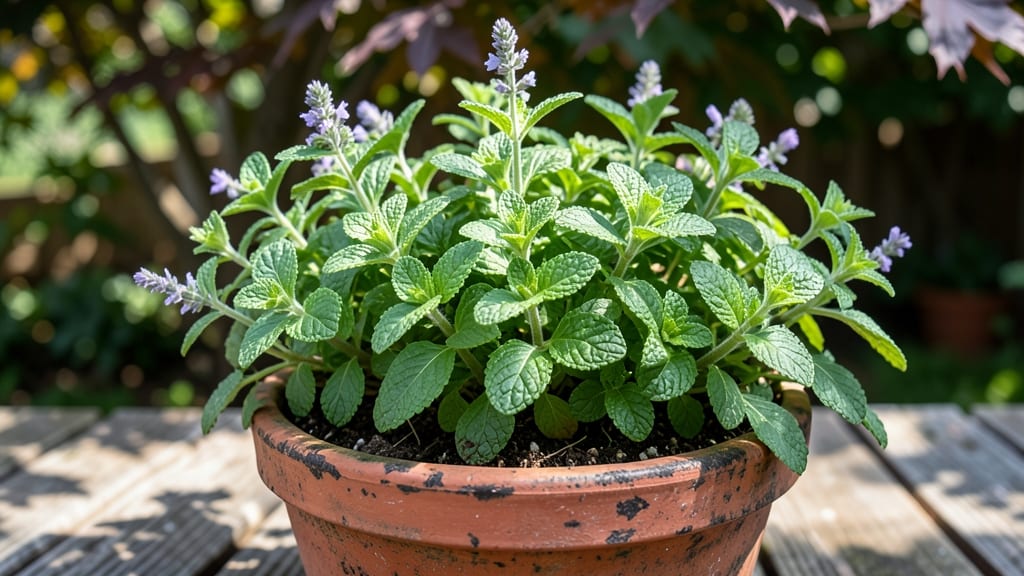
This mint-green and lavender combination transforms any garden into a fragrant, buzzing retreat. 🌿 I fell in love with this palette after my first pollinator garden bloomed—lavender’s soft purple and mint’s fresh green created a serene yet lively atmosphere that bees adored.
The magic lies in pairing bold foliage with delicate blooms. Dusty miller’s silvery leaves, lamb’s ear’s fuzzy texture, and catmint’s airy stems all complement lavender’s height and mint’s ground-hugging spread. Together, they create visual contrast while keeping the space cohesive.
You’ll end up with a garden that’s easy on the eyes and full of life. The scent alone—herbal lavender mingling with mint’s cool freshness—makes every walk through your space feel like a mini escape.
Works for borders, containers, or themed garden sections. Here’s how to pull it off flawlessly!
📚 In This Guide
- What you need
- Instructions
- Tips and common mistakes
- Wrapping up and next steps
What you need
- ● Seeds or Plants: Lavender (Lavandula spp.) – 3–5 plants (choose varieties like Lavandula angustifolia or Lavandula x intermedia)
- ● Mint (Mentha spp.) – 2–3 plants (e.g., Mentha spicata for spearmint or Mentha piperita for peppermint)
- ● Complementary pollinator plants – 5–10 plants (e.g., Salvia, Echinacea, or Calendula)
- ● Soil: Well-draining potting mix or garden soil (amend with compost for fertility)
- ● Containers or Garden Space: For containers: 5–8-inch pots (1 per lavender plant, 1 shared pot for mint if controlling spread)
- ● For in-ground: Full-sun location (6+ hours/day) with loose, rocky soil (lavender loves it!)
- ● Garden trowel or hand shovel
- ○ Gloves (optional but recommended for mint’s aggressive roots!)
- ● Watering can or hose with a gentle spray nozzle
- ● Pruning shears (for shaping and harvesting)
- ○ Optional (but helpful!): Mulch (gravel or pine straw to retain lavender’s dry-loving nature)
- ● Organic fertilizer (balanced 10-10-10 or compost tea)
- ● Pest deterrent (neem oil or diatomaceous earth for aphids)
Step-by-Step guide to designing a mint, green, and lavender pollinator haven
Here's how I create a fragrant, pollinator-friendly garden that thrives on harmony between bold scents and lush greenery.
🌱 Step 1: Select the Right Mint Varieties for Pollinator Appeal
Choose spearmint or peppermint for their vigorous growth and strong fragrance, but avoid spreading varieties like apple mint unless you want it to dominate. I plant 4-6 mint plants spaced 12 inches apart in a dedicated container or raised bed—this prevents it from taking over other plants. The key is using pot-bound mint rather than seed, as it establishes faster and attracts bees immediately.
Mint thrives in partial shade to full sun, but in hot climates, afternoon shade prevents leaf scorch. You'll notice pollinators like honeybees and bumblebees visiting within 2-3 weeks of planting, especially on sunny mornings when the flowers are fully open.
🌿 Step 2: Pair with Complementary Green Fillers
Use silver thyme or catmint as your green filler—their soft foliage contrasts beautifully with lavender's silvery stems. I plant 3-4 thyme plants around the mint perimeter, spacing them 8-10 inches apart. These plants attract hoverflies and parasitic wasps, which help control garden pests naturally.
The trick is to create height variation: thyme stays low (6-8 inches), while mint grows 12-18 inches tall. This layered approach mimics natural ecosystems where pollinators can forage at multiple levels. Water deeply once a week in dry climates, letting the soil dry slightly between waterings to prevent fungal issues.
☀️ Step 3: Incorporate Lavender for Structure and Fragrance
Plant 3-4 lavender bushes (English lavender works best) at the back or center of your arrangement, spacing them 18-24 inches apart. Lavender's silver-blue foliage and purple blooms provide striking contrast while attracting bees and butterflies. I always use well-draining soil—mix in sand or perlite if your native soil is heavy.
Lavender needs full sun (6+ hours daily) and excellent drainage—water only when the top 2 inches of soil feel dry. You'll see the first blooms in late spring, and the fragrance will draw pollinators like a magnet. Prune spent flowers in early summer to encourage a second flush of blooms.
💧 Step 4: Maintain the Pollinator-Friendly Ecosystem
Water the entire arrangement early in the morning to allow foliage to dry before evening, preventing fungal diseases. I use drip irrigation for consistency, delivering ½ gallon per plant weekly during dry spells. Mulch with 2-3 inches of gravel around lavender and straw around mint to retain moisture while improving drainage.
Fertilize lightly in early spring with a balanced organic fertilizer (10-10-10) to support blooming. Avoid high-nitrogen feeds—this encourages leafy growth at the expense of flowers, which are critical for pollinators. You'll know your garden is thriving when you see bumblebees, butterflies, and hummingbirds visiting daily.
✂️ Step 5: Seasonal Care for Long-Term Success
In early spring, trim mint back by ⅓ to encourage bushier growth. Prune lavender after flowering to maintain shape, and divide overcrowded thyme clumps every 2-3 years. I always harvest lavender in the morning when oils are most potent—bundle stems and hang to dry for sachets or culinary use.
In fall, cut back mint and thyme by half, leaving lavender stems for winter interest. Mulch heavily with straw or leaves to protect roots from freeze-thaw cycles. With this routine, your pollinator garden will flourish for years, offering both beauty and ecological benefits.
Tips & tricks for perfect fragrant pollinator gardens
Creating this aromatic trio isn't just about planting—it's about crafting an ecosystem. Here's how to maximize the beauty and functionality of your mint, thyme, and lavender arrangement.
Plant Placement Strategy: In Step 1, when positioning your 4-6 mint plants, place them slightly north of the lavender to prevent overshadowing. Mint's vigorous growth can outcompete lavender for sunlight if planted too close. I've found that spacing the mint 12 inches apart in a north-south orientation creates perfect light distribution for both plants, especially in Step 3 where lavender requires full sun. The mint's partial shade tolerance actually benefits it in hot climates.
Soil Preparation Insight: For Step 3's lavender requirements, I always mix in 30% sand or perlite by volume to existing soil before planting. This creates the ideal well-draining environment lavender craves. The key is to work this amendment into the top 12 inches of soil—lavender roots are shallow but need excellent drainage right from the start. This prevents the dreaded root rot that can kill lavender within weeks.
Pollinator Timing Secret: The 2-3 week window mentioned in Step 1 for pollinator attraction is actually more reliable if you plant in early spring rather than late spring. Early planting gives pollinators time to establish their seasonal patterns before your garden blooms. I've noticed that bees are most active on mint flowers between 9-11am, so positioning your arrangement where morning sun hits first maximizes their visits.
Seasonal Maintenance Hack: When doing your early spring trimming in Step 5, save those mint cuttings! Place them in water with stems submerged and change the water every 2-3 days. Within 2 weeks, you'll have fresh mint for cooking while your garden continues to thrive. This simple trick turns garden maintenance into a culinary resource.
Pro Tips for Mint Green And Lavender Combination
- Creating this aromatic trio isn't just about planting—it's about crafting an ecosystem.
- Plant Placement Strategy: In Step 1, when positioning your 4-6 mint plants, place them slightly north of the lavender to prevent overshadowing.
- Soil Preparation Insight: For Step 3's lavender requirements, I always mix in 30% sand or perlite by volume to existing soil before planting.
Frequently asked questions
Got questions about creating a fragrant mint-green-lavender trio for your pollinator garden? Here are some answers to help you get started with confidence!
Can mint, lavender, and green plants thrive together in the same garden?
Yes, but with caution! Mint is invasive and aggressive, so plant it in containers or separate beds with barriers. Lavender and green pollinator-friendly plants (like bee balm or catmint) can share space—just ensure all have similar sun and water needs.
How often should I water this trio?
Mint loves moisture, while lavender prefers dry soil. Water mint daily (or more in heat), lavender every 2–3 days, and greens like parsley or cilantro every 1–2 days. Use drip irrigation to avoid overwatering lavender. Mulch helps retain moisture!
What are some easy green plants to pair with lavender and mint?
Try these pollinator magnets:
- Bee balm (bright blooms, attracts hummingbirds)
- Catmint (lavender’s cousin, drought-tolerant)
- Parsley or cilantro (edible greens, mint-friendly)
- Borage (bee favorite, self-seeds easily)
Why is my lavender turning brown? Is it the mint’s fault?
Likely not! Brown lavender usually means overwatering or poor drainage. Mint’s roots won’t directly harm it, but if lavender’s soil stays soggy, it’ll struggle. Prune brown stems, reduce watering, and ensure pots/containers have drainage holes.
How can I enhance the mint-green-lavender color combo in my garden?
Add contrasting textures:
- Silver foliage (e.g., lamb’s ear) for crispness
- Deep purple flowers (e.g., salvia) to echo lavender
- White blooms (e.g., alyssum) to brighten the palette
Wrapping up and next steps
The mint green and lavender combination isn’t just a soothing sight—it’s a powerhouse for attracting pollinators while adding charm to your garden. 🌿🐝 Whether you’re a seasoned gardener or just starting, this fragrant trio brings color, texture, and life to any space. Ready to transform your outdoor oasis?
Your next step? Plant, observe, and enjoy! Start small—try a corner of your garden or a few pots—and watch as bees, butterflies, and hummingbirds flock to your blooming haven. Happy gardening! 🌸