
Vegetables
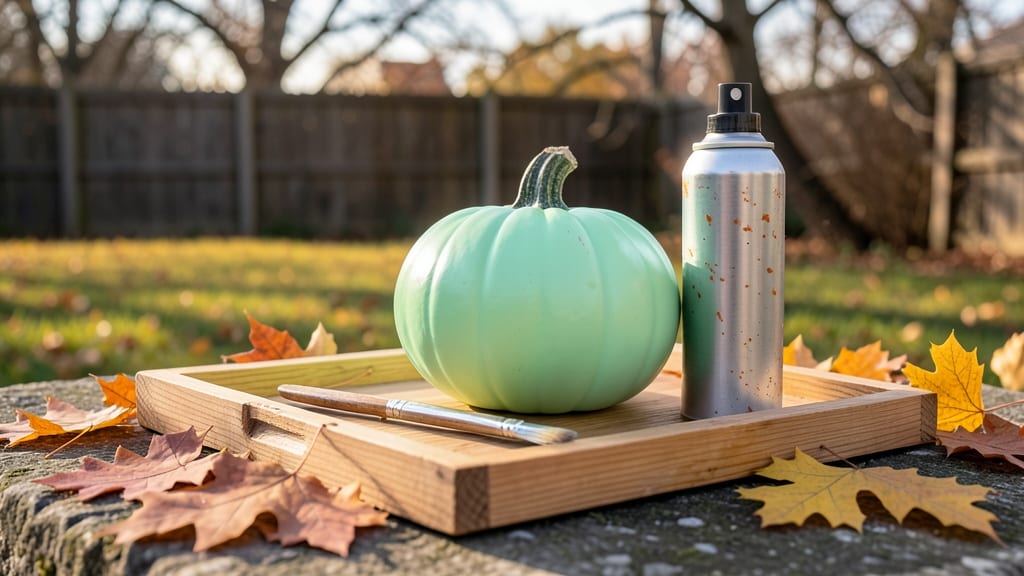
Mint green pumpkins aren't just for pies—they're the striking striped stars of fall containers. 🌿 Their soft, silvery-green stripes create a dreamy contrast against rich oranges and deep purples, turning ordinary pots into showstopping centerpieces.
I've filled my patio with these pumpkins, and neighbors now ask for my "secret" every October. The magic lies in their versatility: pair them with dusty miller, burgundy kale, or even tiny pumpkins for a cascading effect.
Their compact size makes them perfect for small spaces—no need for a sprawling patch. Just one container can transform a dull corner into a seasonal statement. You'll love how they brighten up even the gloomiest fall days, their velvety texture begging to be touched.
They last for weeks, too, so you can enjoy their beauty long after the harvest. For extra drama, try grouping them with golden grass or copper-colored leaves. The contrast is jaw-dropping—and completely foolproof to arrange. Here's how to make them the highlight of your outdoor decor!
📚 In This Guide
- What you need
- Instructions
- Tips and common mistakes
- Wrapping up and next steps
What you need
- ● Mint Green Pumpkin Seeds: 3–5 seeds (choose heirloom or hybrid varieties like ‘Mint Green Striped’ or ‘Cinderella’ for best results).
- ○ Containers: 5-gallon fabric grow bags or large pots (at least 18" deep) with drainage holes. (Optional: Self-watering containers for convenience!)
- ● Potting Mix: 1 bag (2–3 cubic feet) of high-quality, well-draining organic potting soil (avoid garden soil—it compacts!).
- ● Compost or Fertilizer: 1 cup of balanced organic fertilizer (5-5-5 or 10-10-10) or compost to enrich the soil.
- ● Mulch: Straw or shredded leaves (1–2 inches) to retain moisture and suppress weeds.
- ● Gloves & Hand Trowel: For gentle seed planting and soil adjustments.
- ● Watering Can or Hose: With a gentle spray nozzle (pumpkins love consistent moisture!).
- ○ Support Trellis (Optional): A sturdy 6–8 ft. trellis or tomato cage if you want to grow vines vertically and save space.
- ● Sunlight Access: A spot with full sun (6+ hours/day)—mint green pumpkins thrive in warmth!
- ● Patience & Space: Vines can spread 6–10 ft., so plan for room to sprawl or climb!
How to grow mint green pumpkins in containers
These showstopping striped beauties thrive in pots—here's how to coax their dramatic foliage and sweet fruit.
🌱 Step 1: Select the Right Variety and Container
Choose a compact, container-friendly variety like 'Mint Julep' or 'Mint Chocolate Chip'—both produce 6-8 pound pumpkins perfect for 5-gallon pots. The mint-green stripes develop best with full sun exposure and consistent moisture. Avoid bush types; vining varieties need 10-12 foot stems to trail elegantly.
Your container must have drainage holes and be at least 18 inches deep—shallow pots stunt root growth and limit fruit size. I use fabric grow bags because they prevent soil compaction and wick excess moisture. Place a 2-inch layer of gravel at the bottom to improve drainage while keeping roots cool.
☀️ Step 2: Prepare Soil and Plant for Optimal Growth
Fill your container with a lightweight mix of 50% potting soil, 30% compost, and 20% perlite to prevent compaction. Mint green pumpkins need rich, fertile soil with a pH between 6.0-6.8—test your mix if possible. Amend with a slow-release 10-10-10 fertilizer at planting time for steady nutrition.
Plant seeds 1 inch deep, spacing 3-4 per container (you'll thin later). I plant 2-3 seeds per hole—germination rates vary, and you'll need at least one strong seedling. Water gently after planting, keeping soil consistently moist until germination, which typically occurs in 7-14 days at 70-80°F.
💧 Step 3: Maintain Consistent Moisture and Fertility
Container-grown pumpkins dry out twice as fast as in-ground plants. Water deeply every 2-3 days, ensuring the entire root zone stays moist—let the top 1 inch dry between waterings. Overhead watering spreads disease, so use a soaker hose or water at the base. You'll notice wilting leaves by midday if moisture is insufficient.
Feed plants every 2 weeks with a liquid fertilizer (like fish emulsion) once vines start trailing. The mint-green stripes intensify with proper nutrition—look for deep, vibrant green between stripes as your cue that the plant is thriving. Prune side shoots to encourage stronger main vines and larger fruit.
✂️ Step 4: Train Vines and Support Fruit Development
Use heavy-duty landscape fabric or burlap sacks to create a 3-foot tall trellis behind your container. Train the main vine up the trellis, allowing 2-3 lateral branches to trail down for fruit development. This saves space and prevents breakage from 6-8 pound pumpkins. Remove any male flowers early—they drain energy from fruit production.
Once female flowers appear (look for tiny pumpkins at their base), hand-pollinate by transferring pollen with a paintbrush. The striped pattern becomes most dramatic on sun-exposed fruit, so position containers where they receive 6+ hours of direct sunlight. Harvest when the stem near the fruit turns brown and papery—this usually occurs 90-100 days after planting.
🪴 Step 5: Extend the Season and Prepare for Storage
To prolong growth, cover containers with frost blankets during cool nights. Mint green pumpkins tolerate light frosts better than most varieties, but protect them when temperatures drop below 45°F. After harvest, cure pumpkins in a dry, shady spot for 10 days to harden the skin—this prevents rot during storage.
Store in a cool (50-55°F), dry place with good air circulation. Check weekly for soft spots or mold. The mint-green stripes will fade slightly over time, but properly stored pumpkins maintain their striking appearance for 3-4 months. Save seeds from your best pumpkins for next year's container garden!
Tips & tricks for growing stunning mint green pumpkins
Here's what nobody tells you about coaxing those vibrant stripes and perfect fruit from container-grown pumpkins.
Sunlight Strategy: Those mint-green stripes develop best when fruit receives direct sunlight for at least 6 hours daily. Position your containers where they'll catch morning sun (which is less intense) and afternoon light—this prevents scorching while maximizing stripe intensity. I've found that south-facing windowsills or patios work best for container gardens. If your space gets limited sun, rotate containers every few days to ensure even exposure.
Container Upgrade: While 5-gallon pots work, I've had better success with 7-10 gallon containers for larger fruit. The extra space accommodates the sprawling roots of vining varieties while preventing the pot from becoming root-bound too quickly. Look for containers with built-in saucers to catch excess water—this keeps your patio or balcony dry and prevents nutrient loss.
Soil Science: The pH range of 6.0-6.8 is crucial for stripe development, but don't stop there. I've noticed the stripes become more pronounced when I add a handful of worm castings to the soil mix. The micronutrients in castings enhance chlorophyll production, which directly impacts the vibrant green coloring. Test your soil pH annually—container soils can become more acidic over time, especially with frequent watering.
Harvest Hack: When that stem turns brown and papery (around 90-100 days), resist the urge to cut it immediately. Instead, use clean pruners to snip the stem 2-3 inches from the fruit—this prevents rot during the 10-day curing process. I've found that leaving a small stem attachment helps maintain the pumpkin's structural integrity while it hardens its skin in that dry, shady spot.
Pro Tips for Mint Green Pumpkin
- Here's what nobody tells you about coaxing those vibrant stripes and perfect fruit from container-grown pumpkins.
- Sunlight Strategy: Those mint-green stripes develop best when fruit receives direct sunlight for at least 6 hours daily.
- Container Upgrade: While 5-gallon pots work, I've had better success with 7-10 gallon containers for larger fruit.
Frequently asked questions
Got questions about growing mint green pumpkin varieties? You’re not alone! These stunning striped beauties are unique, but they do come with a few quirks. Here are some of the most common questions—and answers—to help you grow with confidence.
What’s the best way to grow mint green pumpkins in containers?
Mint green pumpkins thrive in large containers (at least 5 gallons) with well-draining soil. Use a mix of potting soil and compost, and place them in a spot with full sun (6+ hours/day). Trellising can help if space is tight—just provide support early, as they grow heavy!
How long does it take for mint green pumpkins to mature?
These pumpkins typically mature in 90–110 days, depending on your climate and growing conditions. Start seeds indoors 4–6 weeks before the last frost for a head start. Keep an eye out for vines with tendrils—that’s a sign they’re ready for harvesting!
Can I eat mint green pumpkins, or are they just decorative?
While they’re prized for their striking stripes, mint green pumpkins are edible and delicious. Their flesh is sweet and nutty, perfect for pies, soups, or roasting. Just let them ripen fully on the vine for the best flavor—hard, dull skin means they’re ready!
What should I do if my mint green pumpkins develop yellow or brown spots?
Yellow/brown spots often signal powdery mildew or blossom end rot. Improve airflow by spacing plants 3–4 feet apart and avoid overhead watering. For mildew, spray with a baking soda solution (1 tsp baking soda + 1 quart water + a drop of dish soap). For rot, ensure consistent moisture and add calcium-rich compost.
Are there any good alternatives if mint green pumpkins don’t thrive in my climate?
If your area is too hot or humid, try these container-friendly pumpkin alternatives:
- ‘Jack Be Little’ – Compact, sweet, and great for small spaces.
- ‘Cinderella’ – Mini pumpkins with a fairy-tale look.
- ‘Warty Thing’ – Unique texture, cold-hardy, and disease-resistant.
All three do well in pots and have shorter vines!
Wrapping up and next steps
There you have it—mint green pumpkins aren’t just a visual stunner; they’re a versatile, low-maintenance gem for containers that adds serious curb appeal!
Whether you’re drawn to their striped charm, easy-growing nature, or culinary potential, these pumpkins prove that beauty and function go hand in hand in your garden. 🌱✨
Ready to bring this trend to your space? Start small—grab a container, pick your favorite variety, and let your minty-green masterpiece shine! Tag us when you share your harvest—we can’t wait to see your creations!