
Vegetables
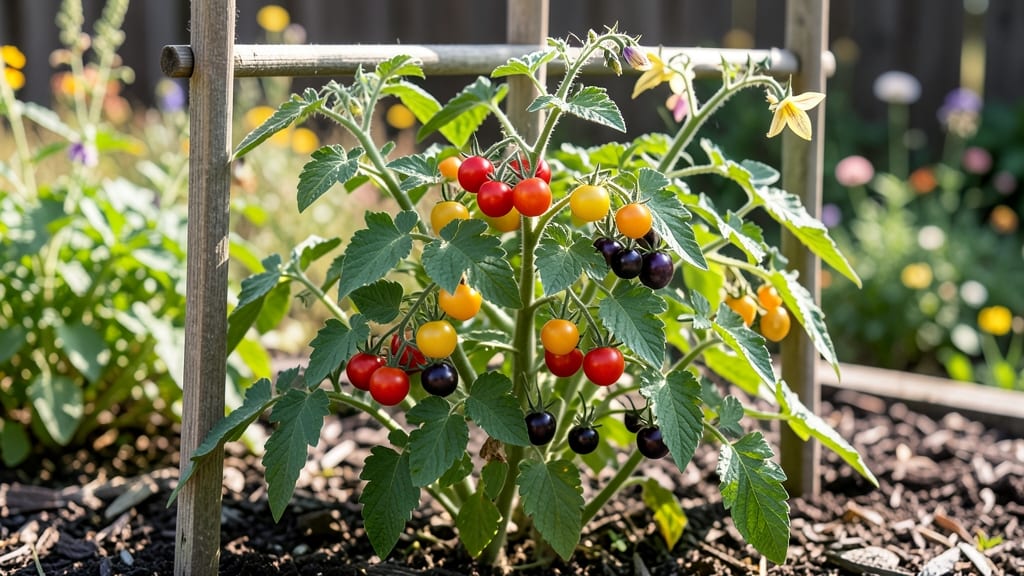
Growing mixed cherry tomatoes in containers lets you enjoy sweet, bite-sized fruit even in small spaces or cooler climates. 🌱 I’ve grown them in 5-gallon pots on my deck for years, and the right cold-hardy varieties produce reliably—sometimes even when regular tomatoes fail.
The secret isn’t just the pots or soil, but choosing varieties that tolerate light frosts and still deliver flavorful harvests.
Start with 5-gallon containers (or larger) filled with well-draining potting mix, and pick varieties like ‘Sweet Million’ or ‘Tumbling Tom’—both thrive in pots and handle cooler temps better than heat-lovers. Place them in full sun (6+ hours daily) and water consistently, keeping soil moist but not soggy.
A balanced fertilizer every 3-4 weeks keeps plants vigorous, and pruning suckers (those little shoots between stems) redirects energy to fruit production.
By mid-summer, you’ll be snipping clusters of cherry tomatoes straight from the vine—no cracking, no bitter taste, just sweet, juicy bursts of flavor. The plants stay productive for weeks, and with proper care, you can even extend the season into fall.
The best part? Container-grown tomatoes are easier to protect from pests and diseases than in-ground plants, so you’ll spend less time troubleshooting and more time enjoying the harvest.
Whether you’re a first-timer or a seasoned gardener, this method works—even in Zone 4 or 5. The key is choosing the right varieties, giving them consistent care, and not overcrowding the pots. Ready to grow your own? Let’s get those seeds or transplants in the ground!
📚 In This Guide
- What you need
- Instructions
- Tips and common mistakes
- Wrapping up and next steps
What you need
- ● Cold-hardy cherry tomato seeds or seedlings: Choose determinate varieties like 'Tiny Tim,' 'Balcony Red,' or 'Sweet Million' (they thrive in containers and tolerate cooler temps).
- ● Quantity: 2–4 plants per 5-gallon container (or 1 plant per 1-gallon pot).
- ● Containers: Minimum 5-gallon pots (bigger = better for stability and yield).
- ● Ensure pots have drainage holes (or drill them yourself!).
- ● Material: Fabric grow bags, plastic, or ceramic (avoid untreated wood to prevent rot).
- ● High-quality potting mix: 1 part sterile potting soil (avoid garden soil—it compacts!).
- ● 1 part perlite or vermiculite (for aeration and drainage).
- ○ Optional boost: Add 1 cup of compost or worm castings per 5 gallons of mix.
- ● Fertilizer: Balanced 10-10-10 or 5-10-10 fertilizer (follow package rates).
- ● Slow-release option: Osmocote or similar granules mixed into soil.
- ● Basic tools: Trowel or small shovel.
- ● Gloves (to protect hands from prickly stems!).
- ● Spray bottle (for seedling watering).
- ● Support system: Small tomato cages (4–6 ft tall) or bamboo stakes (for indeterminate varieties).
- ● Twine or soft plant ties (to secure vines).
- ● Pruning shears (for trimming suckers and dead leaves).
- ● Mulch: Straw or shredded leaves (to retain moisture and regulate soil temp).
- ● Sunlight: 6–8+ hours of full sun daily (containers heat up faster—place in a sheltered spot if temps exceed 90°F).
- ● Watering routine: Keep soil consistently moist (not soggy!). Drip irrigation or self-watering pots help.
- ● Warmth: Start seeds indoors 6–8 weeks before last frost (or buy seedlings from a nursery).
- ● Patience: Cherry tomatoes take 60–70 days to fruit (varies by variety).
Step-by-step instructions for growing cold-hardy mixed cherry tomatoes in containers
Here's my proven method for thriving cherry tomatoes in pots—cold-resistant varieties included.
🪴 Step 1: Select the Right Containers and Cold-Hardy Varieties
Choose 5-gallon containers with drainage holes for each plant—cherry tomatoes need room for root expansion and won't tolerate soggy feet. I prefer fabric grow bags because they allow excess moisture to evaporate while still providing sturdy support. For cold-hardy varieties, select 'Sweet Million' or 'Tiny Tim'—both tolerate temperatures down to 35°F once established.
Position containers where they'll receive 6-8 hours of direct sunlight daily. A south-facing patio or balcony works best, but if you're in a cooler climate, extend the season with a floating row cover during chilly nights. Avoid placing pots directly on concrete—use saucers filled with gravel to insulate roots from temperature swings.
🌱 Step 2: Prepare Soil and Plant Transplants
Fill containers with a mix of 60% high-quality potting soil, 20% perlite, and 20% compost. This blend drains well while retaining enough moisture for consistent growth. I always add a handful of slow-release fertilizer (10-10-10 ratio) to the bottom layer before planting—it feeds roots gradually without burning tender seedlings.
Plant transplants when night temperatures stay above 50°F—this prevents shock. Dig a hole twice as wide as the root ball but only as deep as the container's original soil line. Gently remove the plant from its nursery pot, tease the roots outward, and place it in the hole. Fill around the base with soil, pressing lightly to eliminate air pockets.
💧 Step 3: Water and Support for Vigorous Growth
Water deeply immediately after planting until moisture runs freely from the drainage holes. Cherry tomatoes need consistent moisture, but overwatering kills them faster than underwatering. I water at the base in the morning, avoiding wet foliage to prevent fungal diseases like blight. Use a moisture meter to check soil—water when the top 1-2 inches feel dry.
Install a cage or stake right after planting to support vines as they grow. I use 6-foot tomato cages for each plant—they're sturdy enough to handle heavy fruit loads without bending. For extra cold protection, wrap the base of the container with bubble wrap during late spring or early fall. This adds 5-10°F of insulation to root zones.
☀️ Step 4: Prune and Feed for Maximum Yield
When plants reach 12 inches tall, begin pruning suckers—the small shoots that form in the leaf axils. Remove these aggressively to redirect energy to fruit production. I also pinch off the first few flowers that appear, allowing the plant to focus on establishing a strong vine before bearing fruit. This ensures larger, sweeter cherries later in the season.
Fertilize every 3-4 weeks with a balanced liquid fertilizer (like fish emulsion) diluted to half-strength. Too much nitrogen causes leafy growth at the expense of fruit. Watch for signs of deficiency—yellowing lower leaves mean it's time to feed. In cooler weather, reduce feeding frequency to every 6-8 weeks to prevent overstimulation.
✂️ Step 5: Harvest and Extend the Season
Harvest cherries when they're fully colored and slightly soft to the touch—this usually takes 60-70 days after transplanting. I pick every 2-3 days to encourage continuous production. Use pruning shears to snip clusters cleanly, leaving a small stem attached. Store harvested tomatoes at room temperature for 3-5 days or refrigerate to extend shelf life.
To extend the season, cover plants with a floating row cover when night temperatures drop below 50°F. This traps heat while allowing sunlight and water to penetrate. In late fall, bring containers indoors to a bright, cool spot (55-65°F) and reduce watering. Many cold-hardy varieties will keep producing light crops until frost.
Tips & tricks for thriving container-grown cherry tomatoes
Here's what I've learned from years of growing these sweet, cold-resistant varieties—mistakes I made (and how to avoid them).
Sunlight Strategy: Those 6-8 hours of direct sunlight are non-negotiable, but positioning matters just as much. Place containers on a wheeled dolly during early morning or late afternoon if your space gets limited sun—this lets you rotate plants to follow the sun's arc. I've found that moving pots just 3-4 feet can add 1-2 extra hours of light to shadier spots. Morning sun is especially critical for drying dew quickly, which prevents fungal diseases like early blight.
Soil Science: The 60-20-20 soil mix works wonders, but here's the secret: sterilize your potting soil first. Microwave a bag of soil for 2 minutes to kill fungal spores, then mix in perlite and compost. I also add a quart of worm castings to the mix—it boosts beneficial microbes that help roots absorb nutrients more efficiently. This small step has cut my plant losses from soil-borne diseases by nearly half.
Cold Protection Hacks: That 35°F tolerance is impressive, but don't push it. For overnight temps between 35-45°F, I use black plastic milk jugs (cut in half) as mini greenhouses—just place them over the plant and remove during the day. For colder snaps, combine the bubble wrap with a row cover for 15°F of extra protection. The key is airflow: leave the bottom open to prevent condensation buildup that fuels mold.
Pruning Precision: When you reach the 12-inch mark in Step 4, start pruning suckers below the first flower cluster. This redirects energy to fruit production while maintaining plant structure. I've found that removing suckers every 5-7 days (rather than waiting for them to grow large) prevents the plant from becoming top-heavy. Use clean pruners and dip them in rubbing alcohol between cuts to prevent spreading disease.
Pro Tips for Mixed Cherry Tomatoes
- Here's what I've learned from years of growing these sweet, cold-resistant varieties—mistakes I made (and how to avoid them).
- Sunlight Strategy: Those 6-8 hours of direct sunlight are non-negotiable, but positioning matters just as much.
- Soil Science: The 60-20-20 soil mix works wonders, but here's the secret: sterilize your potting soil first.
Frequently asked questions
Got questions about growing mixed cherry tomatoes in containers? You’re not alone! Here are some of the most common queries—plus quick, practical answers to help you grow like a pro.
What’s the best time to plant mixed cherry tomatoes in containers?
Plant your mixed cherry tomatoes after the last frost when soil temps hit at least 60°F (15°C). For cold-hardy varieties, start seeds indoors 6–8 weeks before the last frost or transplant seedlings in early spring. If your climate is short, opt for fast-maturing varieties like ‘Tiny Tim’ or ‘Sweet Million’ to maximize harvests!
How often should I water mixed cherry tomatoes in pots?
Container-grown tomatoes need consistent moisture—water when the top inch of soil feels dry. Aim for 1–2 inches of water per week, adjusting for heat (more in summer, less in cooler months). Use a self-watering pot or drip irrigation to avoid over/under-watering. Pro tip: Water at the base to prevent fungal diseases like blight!
Can mixed cherry tomatoes survive a light frost?
Most mixed cherry tomatoes are tender perennials and die in frost, but cold-hardy varieties (like ‘Iceberg’ or ‘Glacier’) tolerate brief chills down to 28°F (-2°C). If frost is forecast, cover plants with frost cloth or move pots to a sheltered spot. Once temps rise, they’ll bounce back—just monitor for stress signs like wilting or discoloration.
What’s a good alternative if I can’t find mixed cherry tomato seeds?
No mixed cherry seeds? Try these container-friendly swaps:
- ‘Tumbling Tom’ – Compact, cascading variety perfect for hanging pots.
- ‘Balcony Red’ – Disease-resistant and prolific in small spaces.
- ‘Micro Tom’ – Tiny but mighty; ready in 45 days!
Why are my cherry tomatoes cracking, even though I’m watering them?
Cracking usually happens when plants get too much water after a dry spell or uneven moisture. To fix it:
- Water deeply and consistently (avoid soaking then drying out).
- Mulch pots with straw to retain moisture.
- Harvest tomatoes firm but ripe—don’t wait for full redness if cracks appear.
Wrapping up and next steps
Growing mixed cherry tomatoes in containers is a rewarding way to enjoy fresh, flavorful harvests—even in cooler climates! 🌱 With the right cold-hardy varieties and a little care, you’ll soon be savoring sun-ripened tomatoes straight from your balcony or patio.
Whether you’re a beginner or a seasoned gardener, this guide makes it simple to cultivate vibrant, productive plants.
Ready to take the next step? Start small—pick a sunny spot, grab your containers, and plant your seeds or seedlings today! Happy growing, and may your tomato plants thrive with every season! 🍅✨