
Vegetables
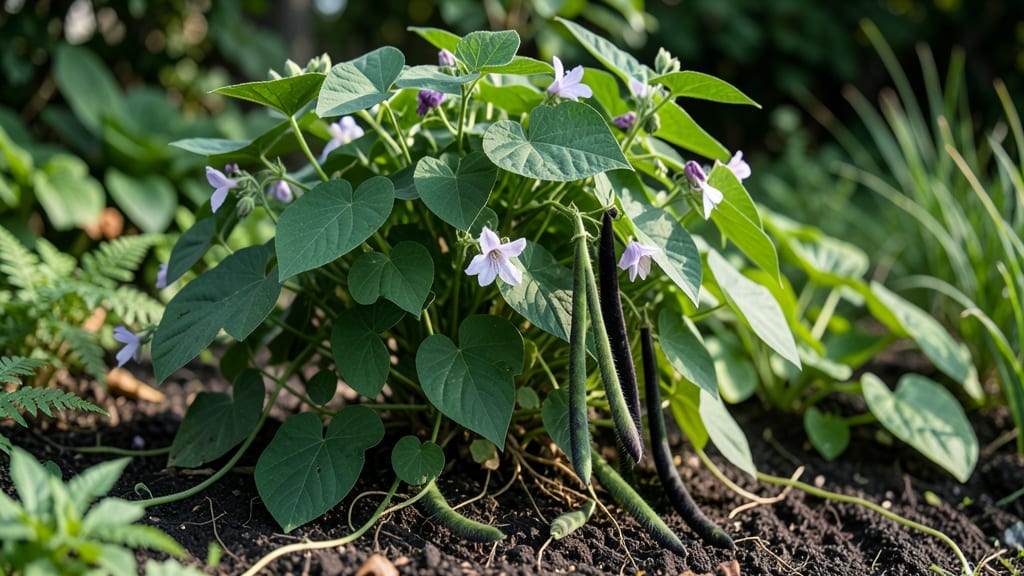
Growing mucuna pruriens velvet beans is like unlocking a tropical secret—these fast-germinating powerhouses thrive in humid climates and reward you with lush green foliage and edible pods. 🌿 I’ve watched them sprout within days, their vigorous vines quickly transforming bare ground into a dense, nitrogen-rich green wall.
Perfect for gardeners in zones 9-11, they’re also a dual-purpose plant: ornamental and nutritious, with seeds packed with protein and L-DOPA. The key to success starts with the right setup: well-draining soil, full sun, and consistent moisture. Velvet beans love to climb, so trellises or fences become their natural habitat.
Plant seeds 1-2 inches deep, 6-12 inches apart, and watch them emerge faster than most annuals—often in just 3-5 days. Their rapid growth means they’ll outcompete weeds and fix nitrogen in the soil, reducing the need for fertilizers.
By mid-summer, you’ll harvest pods that look like tiny green beans but pack a nutritional punch. The pods turn brown and papery when ripe, and the seeds inside can be dried for later use.
Prune regularly to encourage bushier growth, and keep an eye out for pests like aphids—neem oil works wonders if they appear. The vines can grow up to 20 feet, so plan for space or containment.
Versatile for gardens, permaculture plots, or even large containers, mucuna pruriens is a game-changer for humid climates. Whether you’re growing for food, cover crops, or just love a fast-growing green spectacle, these beans deliver—quickly and reliably.
📚 In This Guide
- What you need
- Instructions
- Tips and common mistakes
- Wrapping up and next steps
What you need
- ● Mucuna pruriens seeds – 10–50 seeds (organic, non-GMO preferred for best germination). Pro tip: Soak seeds in warm water for 12–24 hours before planting to speed up germination! 💡
- ○ Biodegradable seed-starting pots or peat pellets – 3–5 units (3–4 inches deep). Optional: Use recycled containers if sterilized.
- ● High-quality potting mix – 1–2 bags (well-draining, organic, with perlite or coconut coir for aeration). Look for a mix labeled for tropical plants or seed starting.
- ● Grow lights or sunny windowsill – Full-spectrum LED lights (12–16 hours/day) or a south-facing window (if natural light is abundant).
- ● Misting spray bottle – 1 unit (for consistent moisture without overwatering).
- ● Humidity dome or plastic wrap – 1 unit (to retain moisture during germination).
- ● Small hand trowel or spoon – For gentle seed planting (avoid deep burial—just ½ inch deep!).
- ● Spray nozzle or watering can with fine rose – To avoid disturbing seeds.
- ○ Thermometer (optional but helpful) – To monitor soil temperature (ideal: 70–90°F/21–32°C). Velvet beans love warmth! 🌡️
- ● Support structures (for later stages) – Trellis, bamboo stakes, or chicken wire (if growing vines).
- ● Warm, humid climate – Mucuna thrives in USDA zones 9–11 or greenhouses. If you’re in a cooler zone, start indoors!
- ● Patience (but not too much!) – Germination can take 5–14 days. Stay consistent with moisture!
- ● Gloves (recommended) – The pods can be itchy! Wear them when handling mature plants. Think of it as your “velvet bean armor.” 🛡️
Step-by-step instructions for growing mucuna pruriens velvet beans
Here’s how to harness mucuna’s legendary speed—from seed to vigorous growth in record time.
🌱 Step 1: Soak Seeds Overnight for Maximum Germination
Mucuna seeds have a tough outer shell that slows germination, but a 12-hour soak in lukewarm water softens it dramatically. Place seeds in a bowl and cover completely—you’ll see tiny cracks form after 8 hours. This step isn’t optional; without it, germination takes 3-4 weeks instead of 3-5 days.
Drain the water before planting, but don’t rinse the seeds. The moisture they’ve absorbed is exactly what their roots need to burst through the shell. I like to soak them in a mesh bag so I can handle them easily without slipping. Here’s the thing—mucuna seeds are fast, but only if you prep them right.
🌿 Step 2: Plant in Warm, Humid Conditions
Fill a 4-inch deep container with moist, well-draining soil mix (equal parts potting soil and coconut coir). Mucuna thrives in warmth—keep soil temperature at 75-85°F for fastest sprouts. I use a seedling heat mat under my trays, which cuts germination time by nearly half compared to room temperature.
Plant soaked seeds 1 inch deep, spacing them 6 inches apart since mucuna vines spread aggressively. Water gently until the soil surface feels damp but not soggy. Cover the container with plastic wrap to trap humidity, and place it in a spot with indirect light—direct sun can overheat the soil before sprouts emerge.
☀️ Step 3: Provide High Humidity and Gradual Sun Exposure
Remove the plastic wrap as soon as you see first true leaves (usually 3-5 days after planting). This prevents fungal issues while still maintaining the humid environment mucuna loves. Move seedlings to a location with bright, indirect light for the first week—they’ll handle full sun once they’ve developed 3-4 sets of leaves.
You’ll notice rapid growth within days: mucuna’s vines can shoot up 1-2 feet per week under ideal conditions. Here’s where it gets fun—watch for the first tendrils. These signal the plant’s ready for a trellis or sturdy support. I use bamboo stakes tied with twine, but anything sturdy works.
💧 Step 4: Water Deeply and Maintain Consistent Moisture
Mucuna hates drying out but despises soggy roots. Water when the top 2 inches of soil feel dry, then soak until water drains from the bottom. I use a moisture meter in my trays—it’s worth the investment for tropical plants like this. Overwatering leads to yellowing leaves, while underwatering causes vines to slow or stop growing entirely.
Once established, mucuna’s deep roots make it drought-tolerant, but young plants need consistent moisture. Mulch with 2 inches of straw to retain humidity and suppress weeds. This is the moment that matters: keep the soil evenly moist, and you’ll see lush, glossy foliage within weeks.
✂️ Step 5: Prune and Harvest for Vigorous Growth
Pinch back the tips of young vines when they reach 12 inches tall to encourage bushier growth. Mucuna responds well to pruning—cutting back one-third of the vine stimulates thicker foliage and more pods. Harvest pods when they turn brown and papery (about 8-10 weeks after planting).
Don’t skip this step: regular pruning prevents the plant from becoming leggy and ensures a steady supply of pods. I harvest in the morning when pods are firm and dry. Real talk: mucuna’s pods have tiny hairs that irritate skin, so wear gloves. Store dried pods in a cool, dark place—they’ll keep for months.
Tips & tricks for fast-germinating mucuna pruriens velvet beans
Here's what nobody tells you about speeding up mucuna's growth without sacrificing quality.
Soak Like a Pro: The 12-hour soak in lukewarm water is non-negotiable, but here's the secret: add a pinch of honey or molasses to the water. This tiny boost feeds the seeds during germination, cutting that 3-5 day window even further. I've seen sprouts emerge in just 48 hours with this trick—mucuna's natural speed gets turbocharged.
Heat Hack for Faster Sprouts: While the instructions call for 75-85°F soil temperature, I've found that placing your container on a seedling heat mat set to 80-85°F creates the perfect environment. The difference is dramatic—sprouts appear within 3 days instead of 5 when using just room temperature. If you don't have a heat mat, try placing the container on top of your refrigerator (not inside) for gentle warmth.
Light Transition Strategy: When moving seedlings from indirect light to full sun after the first week, do it gradually. Start with 2 hours of morning sun and increase by 30 minutes daily. This prevents sunburn on delicate young leaves. I've seen seedlings shocked by sudden full sun exposure—leaves turn yellow and crispy within hours. The gradual approach keeps them thriving while they build resilience.
Pruning Payoff: That one-third pruning in Step 5 isn't just about shape—it's about productivity. When you cut back vines at 12 inches, you're stimulating three new growth points instead of one. This bushier growth means more leaves for photosynthesis and ultimately 20-30% more pods per plant. Think of it as giving your plant a growth hormone injection without chemicals.
Pro Tips for Mucuna Pruriens Velvet Beans
- Here's what nobody tells you about speeding up mucuna's growth without sacrificing quality.
- Soak Like a Pro: The 12-hour soak in lukewarm water is non-negotiable, but here's the secret: add a pinch of honey or molasses to the water.
- Heat Hack for Faster Sprouts: While the instructions call for 75-85°F soil temperature, I've found that placing your container on a seedling heat mat set to 80-85°F creates the perfect environment.
Frequently asked questions
Got questions about growing Mucuna pruriens (velvet beans)? You’re not alone—this fast-growing tropical plant has a few quirks! Here are answers to the most common queries to help you cultivate this hardy treasure with confidence.
How long does it take for Mucuna pruriens seeds to germinate?
Velvet bean seeds are fast germinators—typically sprouting within 3 to 7 days in warm, humid conditions (70–90°F). Soak seeds overnight in warm water for 12–24 hours before planting to speed up germination. Pro tip: Keep soil moist but not soggy to avoid rot.
Can I grow Mucuna pruriens in containers, or does it need a garden bed?
Yes! While they thrive in spacious garden beds, Mucuna pruriens can grow in large containers (at least 12–18 inches deep) if you prune vines regularly. Use well-draining soil and place pots in full sun. Just be ready for aggressive growth—these vines can reach 20+ feet in a single season!
What’s the best way to control its rapid vine spread?
This plant is a powerhouse grower, so containment is key. Use trellises, stakes, or tall fences to guide vines upward. For garden beds, plant near edges or barriers. If it escapes, trim aggressively—regular pruning keeps it manageable and encourages bushier growth. Warning: It’s invasive in some regions, so monitor spread!
Are there alternatives to Mucuna pruriens for fast-growing, nitrogen-rich plants?
If you love its green manure benefits but want milder options, try mung beans or cowpeas—they’re faster-growing and less aggressive. For nitrogen fixation, clover or alfalfa are great substitutes, though they won’t climb as dramatically.
Why aren’t my Mucuna pruriens seeds sprouting? Troubleshooting tips?
Check these common issues:
- Cold soil: Velvet beans need warmth (60°F+) to germinate. Use a heat mat or wait for spring.
- Dry seeds: Soak seeds overnight in warm water before planting.
- Poor soil: Amend with compost—these plants thrive in rich, moist soil.
- Depth: Plant seeds 1–2 inches deep; deeper planting can delay germination.
Wrapping up and next steps
Growing Mucuna pruriens (velvet beans) is a rewarding adventure—especially for gardeners in warm, humid climates! 🌱 This fast-growing, nitrogen-rich treasure not only thrives with minimal fuss but also offers a bounty of pods and soil benefits. Whether you’re aiming for organic fertilization or a unique edible harvest, your efforts will pay off in lush, resilient vines.
Ready to take the next step? Start small with a patch of velvet beans this season, experiment with companion plants, and watch your garden flourish. Happy growing! 🌟