
Vegetables
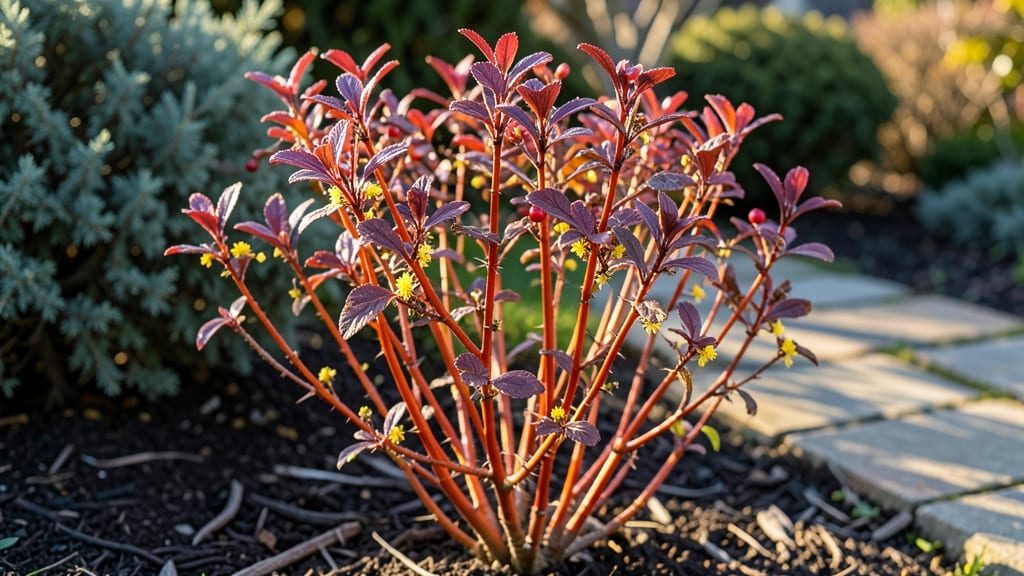
Your winter garden just got a year-round showstopper—Orange Rocket barberry thrives when others fade. ✨ This compact shrub flaunts fiery orange stems and glossy leaves even after frost, making it the unsung hero of cold-season color.
The secret? Understanding its winter hardiness and a few simple care tweaks keeps it vibrant through snow and ice.
Most gardeners overlook winter pruning, but timing matters—cut back after new growth appears in early spring. The plant’s natural structure protects it from heavy snow, though young plants may need burlap wraps in brutal freezes.
Its evergreen foliage stays lush, so no sad brown patches here—just bold color when everything else sleeps.
You’ll end up with a shrub that looks alive in January, not just surviving. The bright stems pop against snow, and birds adore its berries. Even in Zone 4, it rebounds beautifully if you avoid heavy mulch piles that suffocate roots.
Think of it as your garden’s frost-proof fashion statement—low-maintenance but high-impact.
Perfect for borders, containers, or foundation plantings—it handles urban air pollution too. Here’s how to keep it thriving when others bow out. Let’s make your winter garden unforgettable with this cold-hardy star.
📚 In This Guide
- What you need
- Instructions
- Tips and common mistakes
- Wrapping up and next steps
What you need
- ● Berberis thunbergii ‘Orange Rocket’ plants: 1–3 nursery-grown shrubs (3–4 ft tall for instant impact)
- ● Well-draining soil: Mix of native soil + 30% compost or peat moss (test pH: 6.0–7.5)
- ● Mulch: 2–3 inches of shredded bark or pine needles (protects roots from frost)
- ● Pruning shears: Bypass pruners (sterilized with rubbing alcohol)
- ● Gloves & long sleeves: For thorn protection (yes, they’re prickly!)
- ● Watering can or hose: With a gentle spray nozzle (avoid overwatering)
- ○ Fertilizer (optional but helpful): Slow-release 10-10-10 granular fertilizer (1 lb per shrub, spring/fall)
- ● OR organic option: 5-5-5 fish emulsion (diluted per label)
- ● Soil moisture meter (to avoid soggy roots)
- ● Plant support stakes (if growing in windy areas)
- ● Winter protection: Burlap wraps or frost cloth (for extreme cold zones)
- ● Decorative rocks or edging (for polished garden beds)
Step-by-Step guide to winter care for Orange Rocket barberry
Here’s how I keep my Berberis thunbergii 'Orange Rocket' vibrant through winter’s chill—no fading foliage or bare stems in sight.
🌿 Step 1: Assess and Prune for Structure
Start by inspecting your barberry in late winter before new growth begins. Look for dead stems at the base—these will snap easily when bent. I prune these out first with sharp bypass pruners, cutting just above a healthy bud. This ensures clean entry points for spring growth and prevents disease from lingering in dead wood.
Next, shape the plant by removing any overcrowded or crossing branches. Orange Rocket grows in a tidy column, so I aim to maintain that form. Cut just outside the branch collar (the swollen area where the branch meets the stem) to avoid leaving stubs. This step keeps airflow strong, which is critical for preventing fungal issues like powdery mildew.
☀️ Step 2: Protect from Harsh Winter Elements
If your region experiences heavy snow or freezing winds, shield the plant with a burlap wrap or frost cloth tied loosely around the stems. I avoid plastic—it traps moisture and can rot stems. For extra protection, mound 2-3 inches of mulch (like shredded bark or pine needles) around the base, but keep it 6 inches away from the stem to prevent rot.
In areas with sub-zero temperatures, consider wrapping the entire plant in hessian fabric secured with twine. This method works wonders for my barberries in Zone 5 winters. The key is to remove the wrap as soon as temperatures rise above 32°F to avoid overheating the plant.
💧 Step 3: Monitor Moisture Without Overwatering
Winter dormancy means reduced water needs, but barberries still require occasional hydration. I check soil moisture by inserting my finger 2 inches deep—if it feels dry, water deeply but sparingly. Overwatering in cold soil can suffocate roots and lead to rot. Aim for 1-2 deep waterings per month, unless you’re in a drought-prone area, where you might need to adjust.
Watch for ice buildup on foliage, which can weigh down branches. Gently brush off any accumulation with a soft broom to prevent stem breakage. If your barberry is in a container, move it to a sheltered spot or wrap the pot in bubble wrap to insulate roots from freezing ground temperatures.
✂️ Step 4: Fertilize Lightly in Early Spring
While winter isn’t the time for heavy feeding, a light application of balanced fertilizer (like 10-10-10) in early March gives your Orange Rocket a head start. I scatter granules around the drip line (the edge of the plant’s canopy) and water them in. This timing ensures roots wake up gradually without stress from sudden nutrient surges.
If your soil is poorly draining, skip fertilizer until after the first flush of new growth appears. Over-fertilizing in cold soil can burn roots and weaken the plant’s resilience. Instead, focus on organic matter like composted leaves worked into the soil in spring for long-term health.
🌱 Step 5: Plan for Spring Renewal
As temperatures rise above 40°F consistently, remove any winter wraps or burlap to allow sunlight to stimulate new growth. I prune any remaining dead stems one last time before growth begins, cutting just above a healthy outward-facing bud. This encourages a bushier, more vibrant plant.
Now’s also the time to stake young plants if needed—Orange Rocket’s upright growth can get top-heavy with new leaves. Use flexible stakes tied loosely with soft twine to avoid damaging the stems. With these steps, your barberry will burst into vibrant orange foliage by late spring, ready to steal the show all season.
Tips & tricks for perfect winter care of Orange Rocket barberry
These insider tricks will help you keep your barberry's vibrant foliage thriving even when winter bites hardest.
Pruning Precision: When you're assessing dead stems in Step 1, use the "bend test" first—healthy stems bend without snapping. For the shaping cuts, make sure your pruners are sharp to avoid tearing the bark. I've found that cutting just outside the branch collar creates cleaner wounds that heal faster, which is especially important for winter recovery. The goal is to maintain that elegant columnar shape while maximizing airflow through the plant's center.
Winter Protection Hacks: For the burlap or frost cloth wrapping in Step 2, leave some space between the wrap and stems—about an inch—to prevent moisture buildup. I've learned this the hard way after seeing stems rot from trapped condensation. When using mulch, consider adding a layer of landscape fabric between the mulch and soil to prevent weeds while still allowing moisture to penetrate. And remember, that 32°F threshold for removing wraps is crucial—waiting too long can actually stress the plant more than the cold itself.
Moisture Management: In Step 3, when checking soil moisture, I always test at multiple points around the plant—sometimes one side stays wetter than others. For container plants, I've found that wrapping the pot in bubble wrap adds an extra layer of insulation that can make all the difference in colder climates. And that 2-inch depth check is perfect—it gives you the right balance between monitoring and avoiding over-disturbance of cold soil.
Spring Transition Strategy: As you approach that 40°F threshold in Step 5, I recommend doing a gradual unwrapping over 2-3 days rather than removing everything at once. This helps the plant adjust to sudden temperature changes. For staking young plants, I've switched to using soft plant ties instead of twine—they're gentler on stems and won't cut into the bark as temperatures fluctuate.
Pro Tips for Orange Rocket Barberry In Winter
- These insider tricks will help you keep your barberry's vibrant foliage thriving even when winter bites hardest.
- Pruning Precision: When you're assessing dead stems in Step 1, use the "bend test" first—healthy stems bend without snapping.
- Winter Protection Hacks: For the burlap or frost cloth wrapping in Step 2, leave some space between the wrap and stems—about an inch—to prevent moisture buildup.
Frequently asked questions
about growing and enjoying Orange Rocket Barberry in winter—because winter gardening deserves a little extra attention!Can Orange Rocket Barberry survive extreme winter temperatures?
This hardy plant thrives in USDA Zones 3-9, meaning it can handle down to -30°F (-34°C) with proper mulching. For extra protection, add a thick layer of straw or leaves around the base. If you're in Zone 2 or below, consider growing it in containers and moving it indoors during harsh freezes.
When is the best time to harvest Orange Rocket Barberry in winter?
Harvest leaves and stems before the first hard frost for the best flavor and texture. In milder winters (Zones 7-9), you can continue harvesting lightly until temperatures drop below 20°F (-6°C). Always pick outer leaves first to encourage regrowth.
How do I keep Orange Rocket Barberry looking vibrant all winter?
Prune back 1/3 of the plant in early spring to encourage new growth. In colder climates, apply a light frost cloth during unexpected freezes. Avoid overwatering—let the soil dry slightly between waterings to prevent root rot.
What are some easy ways to use Orange Rocket Barberry in winter dishes?
This peppery herb is perfect for soups, salads, and marinades! Try blending it into pesto, adding it to winter greens, or infusing it in oils for a zesty kick. Pro tip: Freeze fresh leaves in ice cube trays with olive oil for quick winter cooking!
What can I plant alongside Orange Rocket Barberry for winter companions?
Pair it with kale, spinach, or winter lettuce for a low-maintenance cold-season garden. Avoid planting near alliums (like garlic or onions), as they can compete for nutrients. Its compact size makes it great for container gardens too!
Wrapping up and next steps
Embrace the winter charm of Orange Rocket Barberry—this vibrant, frost-defying plant is your ticket to year-round color and culinary creativity! 🌟 Whether you’re growing it for its bold leaves, harvesting its tangy berries, or simply admiring its resilience, this plant proves that winter doesn’t have to be dull. Now that you’re armed with growing tips and answers to common questions, why not take the next step?
🌱 Ready to Grow?
- Start small—plant a few in your garden or a container for instant winter flair.
- Share your progress with fellow plant lovers (tag us @YourGardenCommunity!).
- Experiment with recipes—roasted barberries in salads or desserts? The possibilities are endless!
Your winter garden just got a bold, beautiful upgrade—go make it happen! ❄️🔥