
Vegetables
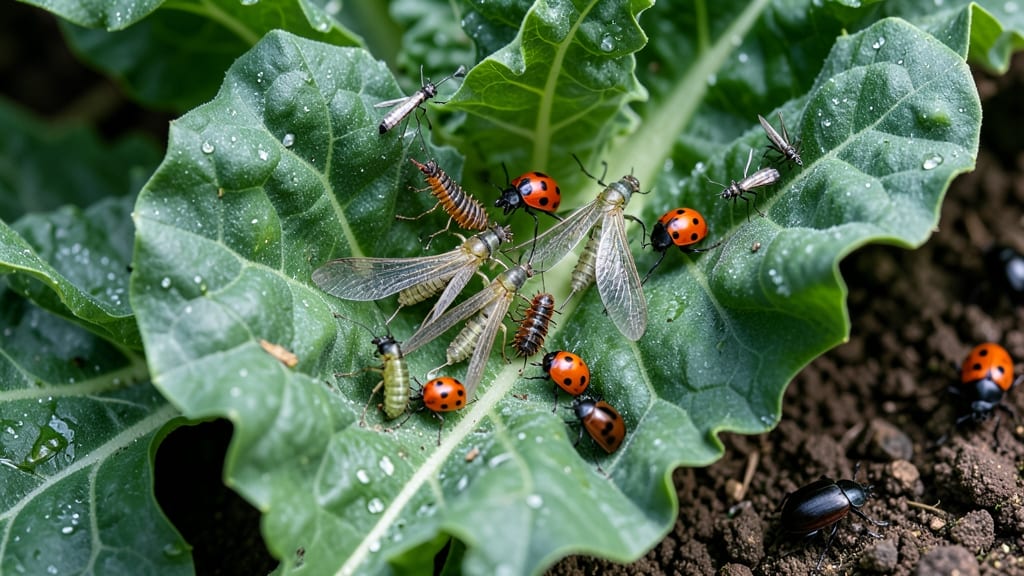
My vegetable garden nearly collapsed under aphid attacks—until I discovered this organic insect repellent that works better than chemical sprays. 🌱 The key lies in blending natural ingredients like neem oil, garlic, and castile soap into a targeted spray that disrupts pests without harming beneficial insects or your plants.
Unlike store-bought solutions, this recipe is safe for edible crops and breaks down harmlessly in the environment.
This spray tackles aphids, cabbage moths, and even spider mites by interfering with their life cycles while leaving your plants unharmed. The ingredients are simple: neem oil for systemic protection, garlic for its sulfur compounds, and castile soap as a natural surfactant.
You’ll mix these in a spray bottle and apply it directly to affected areas—no fancy equipment needed. Most gardeners see results within 24-48 hours, with pests significantly reduced after just a few applications.
The real advantage is how it fits into a larger preventive strategy. Used alongside companion planting (like marigolds or basil) and regular garden inspections, this spray becomes part of a fail-safe system that keeps pests at bay without chemicals.
Your vegetables stay lush, your soil stays healthy, and you avoid the dreaded residue that makes produce unsafe to eat.
Best of all, it’s easy to customize—add a few drops of peppermint oil for extra potency against soft-bodied insects, or swap in a tablespoon of cayenne pepper for heat-sensitive pests.
The recipe scales from a single plant to an entire garden bed, making it versatile for any grower. Let’s get your vegetables protected the natural way.
📚 In This Guide
- What you need
- Instructions
- Tips and common mistakes
- Wrapping up and next steps
What you need
- ● 1 cup of neem oil (pure, cold-pressed; insect-repelling superstar!)
- ● 1 cup of water (distilled or boiled & cooled for best results)
- ● 1 tbsp of garlic juice (freshly squeezed; crush 3-4 garlic cloves)
- ● 1 tbsp of citrus peel oil (lemon, orange, or grapefruit; for scent + repellency)
- ● 1 tsp of dish soap (unscented, like Castile soap; acts as an emulsifier)
- ○ 1-2 drops of essential oils (optional but recommended: peppermint, eucalyptus, or lavender for extra bug-fighting power)
- ● Spray bottle (8–16 oz, dark glass or opaque plastic to block light)
- ● Mixing bowl (glass or stainless steel; avoid aluminum)
- ● Wooden spoon or whisk (for gentle stirring)
- ● Fine-mesh strainer or cheesecloth (to filter out garlic pulp)
- ● Measuring cups/spoons (for precision)
- ● 1 tbsp of rosemary or basil leaves (chopped; add insect-deterring herbs)
- ● 1 tsp of apple cider vinegar (adds tangy repellency)
- ● 1 tsp of crushed red pepper flakes (for spicy protection against soft-bodied pests)
Step-by-Step instructions for making organic insect repellent spray
Here's my go-to method for creating a potent, chemical-free spray that keeps pests at bay while protecting your vegetable garden.
🌿 Step 1: Gather and Prepare Your Base Ingredients
Combine 1 quart of water with 1 tablespoon of liquid castile soap in a large bowl. The soap acts as a natural emulsifier, helping other ingredients blend smoothly. I use a 100% plant-based soap—this ensures no synthetic residues harm your plants or beneficial insects like ladybugs and lacewings.
Add 2 tablespoons of neem oil to the mixture. Neem oil is the powerhouse here—it disrupts insect feeding patterns and reproduction cycles. Stir gently to avoid creating suds, which can irritate plant foliage. If you notice any residue clinging to the bowl, use a small amount of warm water to rinse it clean before transferring everything to your spray bottle.
🌱 Step 2: Incorporate Essential Oils for Pest Deterrence
Add 10 drops of peppermint essential oil and 10 drops of citronella essential oil to the mixture. These oils contain natural compounds that repel a wide range of garden pests, including aphids, cabbage worms, and tomato hornworms. Peppermint's strong scent masks plant odors that attract pests, while citronella disrupts their nervous systems.
Give the mixture a thorough stir with a wooden spoon—avoid metal utensils, as they can react with the oils. If you're working in a well-ventilated area, you'll notice the aroma immediately. This is your signal that the active ingredients are properly dispersed. For best results, let the mixture sit for 15-20 minutes before transferring to your spray bottle. This allows the oils to fully integrate with the soap and water.
💧 Step 3: Transfer to Spray Bottle and Shake Before Use
Pour the mixture into a 16-ounce spray bottle with a fine mist nozzle. The size of the bottle ensures you have enough spray for multiple applications across your vegetable garden. Shake the bottle vigorously for 30 seconds before each use—this prevents separation of the oils and maintains the spray's effectiveness.
Test the spray on a small area of a leaf first. If you see any signs of leaf burn or discoloration within 24 hours, dilute the mixture with an additional ½ cup of water and retest. Most vegetables tolerate this spray well, but sensitive plants like squash or cucumbers may need a slightly weaker concentration.
☀️ Step 4: Apply During Early Morning or Late Evening
Spray your vegetables early in the morning or late in the evening when temperatures are cooler. This reduces the risk of leaf burn from the sun's intensity and allows the spray to dry slowly, maximizing its effectiveness. Focus on the undersides of leaves—this is where many pests hide and lay eggs.
Reapply every 3-5 days or after heavy rainfall, as the oils will wash away. I like to keep a batch in the fridge for up to 2 weeks, but I always shake it well before use. If you notice the scent fading or the mixture separating, it's time to make a fresh batch. The key is consistency—pests learn to avoid treated plants when the spray is applied regularly.
✂️ Step 5: Monitor and Adjust for Pest Patterns
After 1-2 weeks of application, check your plants for signs of pest activity. If you see increased damage despite regular spraying, the pests may have developed a tolerance. In this case, switch to a different organic oil—like garlic oil or clove oil—which contain different active compounds that pests haven't encountered.
Rotate your sprays seasonally to prevent resistance. For example, use the peppermint-citronella blend in early summer for soft-bodied insects, then switch to a garlic-based spray in late summer when beetles and caterpillars become more active. Keep a journal of what works best for each pest in your garden—this helps you refine your approach over time.
Tips & tricks for perfect organic insect repellent spray
Here's what nobody tells you about maximizing this spray's effectiveness without compromising your garden's health.
Essential Oil Integration: The 15-20 minute resting period in Step 2 is crucial—it allows the peppermint and citronella oils to fully emulsify with the soap and water. I've found that using a glass or ceramic bowl for mixing prevents any potential chemical reactions with metal, which can degrade the oils' potency. If you're working in a hot kitchen, reduce the resting time to 10 minutes, but stir vigorously before transferring to maintain even dispersion.
Soap Selection Wisdom: Not all liquid castile soaps are created equal. Look for one with a neutral pH (around 7) to avoid altering your soil's chemistry. Dr. Bronner's unscented version works perfectly, but avoid heavily perfumed soaps—they can mask the repellent oils' effectiveness. A little goes a long way with soap; if your mixture feels too thick after adding the 1 tablespoon, add just 1 teaspoon more water to restore proper consistency.
Storage Strategy: For maximum shelf life, store your completed spray in a dark glass bottle (not plastic) in the fridge. The 2-week timeframe mentioned is ideal, but you'll notice the peppermint oil's potency fading after about 10 days. To revive an older batch, add 5 more drops of peppermint oil and shake well before use. Freezing isn't recommended—the oils can separate permanently when thawed.
Application Technique: When spraying in Step 4, use a light mist rather than a heavy spray to prevent leaf burn. Focus on the leaf undersides where pests hide, but avoid oversaturating the soil. For large gardens, consider adding the mixture to a pump sprayer—just dilute with an additional quart of water first. The key is thorough but gentle coverage; pests can't hide from what they can't smell.
Pro Tips for Organic Insect Repellent For Vegetables
- Here's what nobody tells you about maximizing this spray's effectiveness without compromising your garden's health.
- Essential Oil Integration: The 15-20 minute resting period in Step 2 is crucial—it allows the peppermint and citronella oils to fully emulsify with the soap and water.
- Soap Selection Wisdom: Not all liquid castile soaps are created equal.
Frequently asked questions
Got questions about keeping pests away from your veggies without harsh chemicals?
You’re not alone! Here are answers to the most common queries about organic insect repellents for your garden—so you can grow confidently and naturally.
1. How often should I reapply organic insect repellent to my vegetable plants?
Reapply every 3–7 days, or after heavy rain. For best results, spray in the early morning or late evening when pests are most active and temperatures are cooler. Humidity can reduce effectiveness, so check plants regularly and re-spray if needed. Pro tip: Mix a fresh batch weekly for maximum potency!
2. Can I use this spray on all vegetables, or are some plants sensitive?
Most vegetables tolerate organic sprays well, but avoid spraying directly on flowers of fruiting plants (like tomatoes or peppers) if you want to preserve pollinators. Test a small leaf first for sensitivity. Leafy greens (spinach, kale) and herbs (basil, cilantro) are generally safe. Skip sprays on edible leaves right before harvest to avoid residue.
3. What’s the best organic insect repellent if I don’t have neem oil or garlic?
No worries! Try these DIY swaps:
- Citrus peel spray: Boil orange or lemon peels in water, strain, and mix with a drop of dish soap.
- Chili pepper spray: Blend 1–2 chopped peppers with water, strain, and add a teaspoon of liquid soap.
- Herb infusions: Steep rosemary, mint, or basil in hot water, strain, and spray.
4. Why aren’t pests disappearing after I’ve used the spray?
Pests might return if:
- You’re not covering the undersides of leaves (where bugs hide!).
- The spray dried too quickly—reapply more frequently or add a bit of oil (like coconut) to help it stick.
- You’re dealing with chewing insects (like cabbage worms) instead of soft-bodied pests. Try a kaolin clay barrier or handpick them!
5. Can I store homemade organic insect repellent for later?
Yes! Store your spray in a glass spray bottle in the fridge for up to 1 week. For longer storage (up to 2 weeks), add 1 tsp of vodka or rubbing alcohol as a preservative. Shake well before use, as ingredients may separate. Note: Avoid metal containers—vinegar or citrus-based sprays can corrode them.
Wrapping up and next steps
Protecting your vegetable garden with organic insect repellent is a simple, eco-friendly way to ensure a thriving harvest—without harmful chemicals! 🌱 Whether you’re a seasoned gardener or just starting, this natural spray is easy to make and just as effective. Take the next step by trying the recipe this weekend and watch your plants flourish pest-free.
Ready to dive in? Grab your ingredients and start spraying—your garden (and the planet!) will thank you. 🌿