
Vegetables
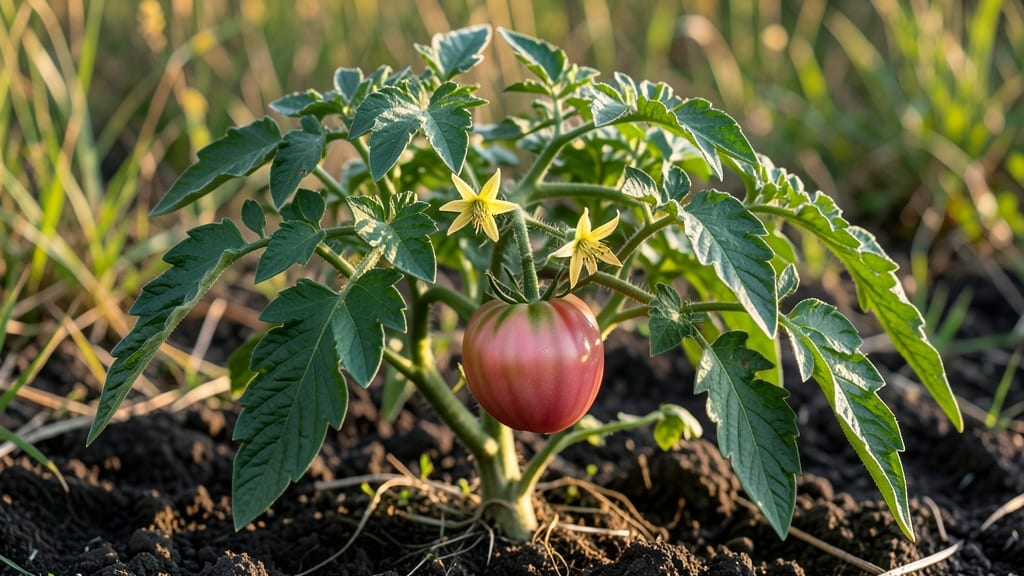
Growing Pink Boar tomatoes from scraps feels like magic—those striped beauties regrow in weeks from a single leaf. 🌱 I’ve watched stubborn gardeners give up on other tomatoes, then rediscover joy with this variety that thrives even when neglected.
The secret lies in its resilience and the right growing conditions, which I’ll break down so you can grow them too.
These tomatoes need full sun (6-8 hours daily) and well-draining soil with a slightly acidic pH (6.0-6.8). They’re not picky about soil type but love compost-rich beds or containers with drainage.
Water consistently—1-1.5 inches per week—keeping soil moist but never soggy. Prune suckers early to focus energy on fruit production, and watch for common pests like aphids or hornworms.
Harvest begins when fruit turns deep pink with faint stripes, usually 60-70 days after transplanting. The flavor? Sweet-tart with a smoky depth that keeps you planting more. Store them at room temperature for 5-7 days or refrigerate for longer shelf life. Once you try them, you’ll never buy store-bought again.
Pro tip: Save seeds from your best tomatoes for next year’s garden. The regrowth trick works best with healthy cuttings—just place a stem in water until roots form, then transplant. These tomatoes reward patience with abundant harvests and a story to tell at dinner parties.
📚 In This Guide
- What you need
- Instructions
- Tips and common mistakes
- Wrapping up and next steps
What you need
- ● Pink boar tomato seeds or scraps: 1-2 heirloom seeds (if starting from scratch) OR 1-2 healthy tomato scraps (with at least 1 inch of stem and a few leaves)
- ● Potting mix: 1 gallon of well-draining, seed-starting mix (or regular potting soil + perlite for aeration)
- ● Containers: 2-4 small pots (3-4 inches wide) with drainage holes OR 1 long shallow tray (for scraps)
- ● Watering can or spray bottle (for gentle hydration)
- ● Grow lights or sunny windowsill: 6+ hours of bright, indirect light daily (south-facing window or LED grow lights)
- ● Pruning shears (to trim scraps cleanly)
- ● Rooting hormone (speeds up scrap growth)
- ● Humidity dome (keeps scraps moist while rooting)
- ● Fertilizer (balanced 10-10-10 or compost tea) (once seedlings sprout)
- ● Support stakes or cages (for later growth—tomatoes love climbing!)
- ● Patience! Scraps take 2-4 weeks to root and 60-90 days to fruit.
- ● Warmth: 70-85°F is ideal for germination/regrowth.
- ● A dedicated space (no drafts or extreme temps).
How to propagate pink boar tomatoes from scraps in weeks
This heirloom variety grows back from kitchen scraps—here's how to turn stems into new plants.
🌱 Step 1: Select and Prepare the Stem Cuttings
Choose a healthy stem with at least 3-4 nodes (those little bumps where leaves grow). Pink Boar stems regenerate best from the middle section—avoid the woody base or overly mature tips. Use clean, sharp scissors to cut a 4-6 inch segment just below a node at a 45-degree angle. This angled cut increases surface area for root growth.
Remove the lower leaves, leaving only the top 2-3 sets. Strip the leaves within 1 inch of the cut end—these will rot in water before roots form. Here's the thing: the fewer leaves you leave, the more energy the stem directs toward root development. Place the cuttings in a glass of room-temperature water (not cold—roots hate chilly water) and position them where they'll get bright, indirect light for 4-6 hours daily.
💧 Step 2: Watch for Root Formation and Maintain Water
Change the water every 2-3 days to prevent bacterial growth. You'll see tiny white root hairs appear within 7-10 days, followed by ½-inch roots in another 7-10 days. Pink Boar tomatoes root faster than many varieties because they're bred for vigor—just don't rush the process by overcrowding the glass.
Keep the water level high enough to submerge the bottom node but not so deep it covers the leaves. If the stem starts to rot at the waterline, trim it back to clean tissue. Once roots reach 1-2 inches, they're ready for soil. I like to wait until the roots are at least pencil-thick—this ensures they'll handle transplant shock.
🪴 Step 3: Plant in Soil and Provide Support
Fill a 4-inch pot with well-draining potting mix (avoid garden soil—it compacts and suffocates new roots). Make a hole with your finger and slide the rooted cutting in until the lowest node is just below soil level. Gently firm the soil around the stem to remove air pockets. Pink Boar tomatoes grow 6-8 feet tall, so plant them in a 5-gallon container or directly in the ground with sturdy stakes placed at planting.
Water lightly until the soil feels evenly moist but not soggy. Place the pot in a location with full sun (6+ hours daily) and maintain 60-70°F soil temperatures. You'll notice new leaves emerge within 2-3 weeks—this is your signal that the plant has successfully transitioned from water to soil. Here's where it gets fun: these regrown plants produce fruit just like mother plants, often with even more striking stripes.
☀️ Step 4: Harden Off and Transplant (If Needed)
If you're transplanting outdoors, harden off the plants by moving them to a sheltered spot for 1 hour daily, gradually increasing exposure over 7-10 days. Pink Boar tomatoes thrive in USDA zones 4-11 but need warm soil to establish roots—wait until nighttime temperatures stay above 55°F. Plant in well-draining soil with compost mixed in, and space them 24-36 inches apart to accommodate their sprawling habit.
Once in the ground, water deeply once a week (more in extreme heat) and mulch to retain moisture. You'll see first flowers in 6-8 weeks and fruit in 8-10 weeks—about the same timeline as seed-grown plants. The best part? These scraps produce heirloom-quality tomatoes with the same bold flavor and striped beauty, proving that even kitchen waste can grow into something extraordinary.
Tips & tricks for growing pink boar tomatoes from scraps
These little-known tricks will help you turn kitchen scraps into thriving tomato plants with minimal effort.
The Node Factor: Pay special attention to those 3-4 nodes when selecting your stem cutting. The middle section of the stem is your best bet because it's neither too young nor too woody. I've found that stems with 3-4 inches between nodes root particularly well. If your cutting has fewer than 3 nodes, pair it with another to create a stronger plant—just make sure they're the same size to avoid competition.
Lighting Strategy: That 4-6 hours of bright, indirect light is crucial, but not all light sources are equal. South-facing windows or grow lights positioned 12-18 inches above the cuttings work best. Avoid direct sunlight, which can scorch tender new growth. I keep mine on a kitchen counter near a west-facing window—it gets plenty of light without the harsh midday sun. Rotate the glass daily so all sides get even exposure.
Root Development Watch: When you see those white root hairs appear after 7-10 days, resist the urge to transplant immediately. Wait until roots reach 1-2 inches—I aim for at least pencil-thick roots—because thicker roots mean better transplant shock resistance. You'll notice the roots grow fastest in the morning hours, so that's the best time to check progress. If roots start browning, trim them back to clean tissue and refresh the water.
Soil Temperature Secret: Maintaining 60-70°F soil temperatures is key for successful transition from water to soil. If your home tends to be cooler, consider using a heating mat under the pot during the first week. I've also had success placing the pot on top of my refrigerator (not inside) to create a warm microclimate. Once in the ground, use black plastic mulch to help maintain that ideal temperature range—it works like a built-in heating pad for your plant's roots.
Pro Tips for Pink Boar Tomato
- These little-known tricks will help you turn kitchen scraps into thriving tomato plants with minimal effort.
- The Node Factor: Pay special attention to those 3-4 nodes when selecting your stem cutting.
- Lighting Strategy: That 4-6 hours of bright, indirect light is crucial, but not all light sources are equal.
Frequently asked questions
Got questions about growing or using pink boar tomatoes? You’re not alone! Here are some of the most common queries—plus quick, practical answers to help you succeed.
Can pink boar tomatoes really regrow from scraps, and how?
Yes! This heirloom variety is famous for its ability to regrow from the stem end of a tomato. Simply place the cut end (with a few leaves) in water or moist soil, keeping it bright and warm. Roots should appear in 1–2 weeks, and you’ll have a new plant ready for transplant in 4–6 weeks.
How long does it take for pink boar tomatoes to produce fruit?
Patience is key! From seed or a regrown cutting, expect 70–85 days until harvest. If starting from scraps, add an extra 4–6 weeks for rooting. In warm climates, you might see early blooms, but cooler weather can delay fruiting. Pro tip: Use a grow light indoors to speed things up!
What’s the best way to use pink boar tomatoes in cooking?
These sweet, meaty tomatoes shine in dishes where their striped beauty and flavor take center stage! Try them raw in salads, roasted with olive oil and herbs, or blended into sauces (their low acidity makes them perfect for pasta). They’re also great for grilling or stuffing—just avoid overcooking to preserve their delicate texture.
What if my pink boar tomato plant gets pests or diseases?
Pink boar tomatoes are resistant to many common issues, but watch for aphids, whiteflies, or blight in humid conditions. Prevent pests with neem oil or companion planting (basil or marigolds help!). For blight, prune lower leaves and ensure 6+ hours of sunlight daily. If leaves yellow, check for overwatering—they prefer soil to dry slightly between waterings.
Can I grow pink boar tomatoes indoors, and what’s the ideal setup?
These tomatoes thrive indoors with the right setup. Use a large container (5+ gallons), full-spectrum grow light (12–16 hrs/day), and a support stake or trellis. Keep temps between 70–85°F and fertilize every 2–3 weeks with a balanced organic fertilizer. Pro tip: Rotate the plant weekly for even light exposure!
Wrapping up and next steps
The pink boar tomato isn’t just a feast for the eyes—it’s a gardener’s dream! With its striking stripes, rapid regrowth from scraps, and low-maintenance care, this tomato is perfect for both beginners and seasoned green thumbs.
Whether you’re saving money, reducing waste, or simply enjoying fresh, homegrown flavor, these striped marvels make gardening effortless and rewarding.
Ready to give it a try? Start small—grab a scrap, a jar of water, and a sunny windowsill. In just a few weeks, you could be harvesting your own vibrant, regrown pink boar tomatoes! 🌱✨