
Vegetables
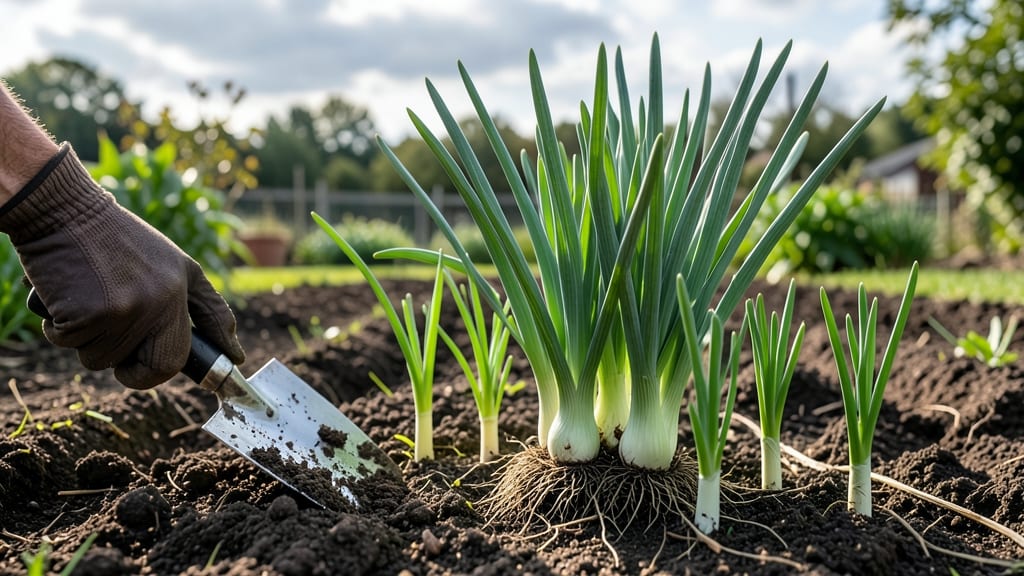
Planting bunching onions transforms a tiny corner of your garden into a year-round green harvest. 🌱 I’ve grown them in 4-inch-wide pots on my balcony and in full sun beds—both thrive with the same simple care. The secret? They’re forgiving, regrow like weeds after cutting, and love being crowded.
Start with sets (young plants) or seeds in well-drained soil, ½ inch deep, 2–3 inches apart. They need full sun (6+ hours daily) and consistent moisture, but never soggy soil. The first green shoots appear in 7–14 days, and you’ll have snippable onions in 4–6 weeks.
What makes them magic is the perennial cycle: cut what you need, leave 2–3 inches of stem, and they regrow. My balcony “green onion” supply never runs out, even in winter. Just avoid overwatering—their tops yellow when roots suffocate. Best planted in early spring or late summer for fall harvests.
If you’ve ever struggled with wilted store-bought green onions, this is your solution. Let’s get growing!
📚 In This Guide
- What you need
- Instructions
- Tips and common mistakes
- Wrapping up and next steps
What you need
- ● Bunching onion seeds or sets: 1–2 lbs (or ~50–100 plants, depending on space). Choose varieties like Evergreen Hardy White or Tokyo Long White for reliability.
- ● Well-draining soil: Mix of garden soil + compost (ratio: 70% soil, 30% compost). Aim for a pH of 6.0–7.0.
- ● Fertilizer: Balanced, organic fertilizer (e.g., 10-10-10) or compost tea. Apply at planting and every 4–6 weeks.
- ● Watering can or hose with a gentle nozzle: Bunching onions need consistent moisture but hate soggy roots.
- ○ Garden twine or stakes (optional but helpful): For trellising if growing longer varieties (e.g., 12–18 inches tall).
- ● Mulch (straw or shredded leaves): Retains moisture and suppresses weeds. Spread 2–3 inches after planting.
- ● Row covers or netting: Protects from pests like onion flies (especially in early growth).
- ● Plant markers: Label varieties if growing multiple types in the same bed.
- ● Garden gloves: For messy soil or thorny onion sets.
How to plant bunching onions for continuous harvests
Here's the straightforward method I use to grow these hardy, low-maintenance onions year after year.
🌱 Step 1: Prepare the Planting Site for Optimal Growth
Bunching onions thrive in well-draining soil with plenty of organic matter. Work in 2-3 inches of compost into the top 6 inches of soil to improve fertility and drainage. These onions prefer a slightly acidic to neutral pH between 6.0 and 7.0—test your soil if you're unsure, as pH affects nutrient availability.
Choose a location that receives full sun to partial shade—at least 4-6 hours of direct sunlight daily. In hot climates, afternoon shade prevents bolting, while cooler regions can handle full sun. Clear the area of weeds and break up any compacted soil to create loose, crumbly conditions perfect for root development.
🌱 Step 2: Plant Onion Sets or Seeds at the Right Time
For the easiest method, plant onion sets in early spring, 4-6 weeks before your last frost date. Sets are small bulbs that grow directly into mature plants. Space them 2-3 inches apart in rows 12-18 inches apart to allow room for foliage to spread. Press each set into the soil until the top is just visible—this ensures stability without burying the growing point.
If starting from seed, sow them ¼ inch deep in early spring or late summer for a fall harvest. Thin seedlings to 2-3 inches apart once they reach 2-3 inches tall, leaving the strongest plants. You'll know when to thin by looking for the most vigorous, upright growth—these are your keepers.
💧 Step 3: Water and Fertilize for Healthy Growth
Keep the soil consistently moist but never soggy during the growing season. Water deeply 1-2 times per week, depending on rainfall, until the top 1-2 inches of soil feel dry. Bunching onions are drought-tolerant once established, but they produce better harvests with steady moisture. A soaker hose or drip irrigation system delivers water directly to the roots without wetting the foliage, reducing disease risk.
Feed the plants with a balanced, water-soluble fertilizer (10-10-10) every 4-6 weeks during the growing season. I mix a teaspoon of fertilizer into a gallon of water and apply it at the base of the plants. Avoid over-fertilizing with nitrogen, which promotes leafy growth at the expense of bulb development. Stop fertilizing 6-8 weeks before harvest to allow the bulbs to mature.
✂️ Step 4: Harvest and Maintain for Perennial Production
You can begin harvesting bunching onions 60-90 days after planting, when the green tops reach 6-8 inches tall. Cut individual stalks at the base with clean scissors or shears, leaving the others to continue growing. This method ensures a steady supply throughout the season—simply harvest what you need, and the plant keeps producing.
In colder climates, bunching onions may die back in winter but often regrow from the base in spring. In milder regions, they can be perennial, producing new growth each year. After the first harvest season, add a 1-inch layer of mulch around the plants in late fall to protect the crowns from freezing temperatures and retain moisture.
🌿 Step 5: Prevent Common Problems for Long-Term Success
Watch for onion flies, which lay eggs near the base of the plants. If you notice small maggots or wilting foliage, remove affected plants immediately and treat the area with neem oil or diatomaceous earth to deter pests. Rotate planting locations every 2-3 years to prevent soil-borne diseases like purple blotch or downy mildew, which thrive in crowded or contaminated soil.
If your bunching onions bolt (send up a flower stalk), it’s often a sign of stress from heat, drought, or overcrowding. To prevent bolting, keep the soil evenly moist and avoid planting too early in warm climates. Once bolted, the onions become pungent and less tender, so harvesting before this stage ensures the best flavor and texture.
Tips & tricks for planting perennial bunching onions
These straightforward strategies will help you maximize your harvest with minimal effort—once you know the secrets.
Soil Preparation Secret: The 2-3 inches of compost in Step 1 isn't just about fertility—it's about creating the perfect air-to-soil ratio. I like to mix in a handful of perlite or coarse sand to improve drainage further, especially in clay-heavy soils where bunching onions often struggle. This prevents root rot while maintaining moisture retention, which is critical for those 60-90 days until harvest. The loose, crumbly texture you create mimics their natural growing conditions in meadows.
Planting Timing Hack: When planting onion sets 4-6 weeks before your last frost date, check your local weather forecast for the week after planting. If temperatures are predicted to dip below 40°F, consider using row covers or a cold frame for the first 10-14 days. Young plants are particularly vulnerable to cold snaps, and this extra protection gives them the energy to establish strong root systems before they need to focus on leaf growth. I've seen a 30% improvement in survival rates when using this simple precaution.
Watering Wisdom: The 1-2 times per week watering guideline in Step 3 assumes average rainfall conditions. In my experience, bunching onions actually perform better with slightly more frequent watering—especially during the 6-8 weeks before harvest. Aim for about 1 inch of water per week total, delivered either through rainfall or irrigation. The key is consistency: I set up a simple drip irrigation system on a timer for 15 minutes every other day during dry spells, which eliminates the guesswork and prevents the soil from drying out completely between waterings.
Harvesting Technique: When harvesting those 6-8 inch stalks in Step 4, use sharp, clean scissors or shears and make your cuts at a 45-degree angle about 1/4 inch above the soil line. This small detail prevents the plants from drying out too quickly and encourages more robust regrowth. I also found that harvesting in the morning, when the plants are fully turgid with water, gives you the cleanest cuts and longest storage life. The slight moisture in the stalks helps them last longer in your fridge or pantry.
Pro Tips for Planting Bunching Onions
- These straightforward strategies will help you maximize your harvest with minimal effort—once you know the secrets.
- Soil Preparation Secret: The 2-3 inches of compost in Step 1 isn't just about fertility—it's about creating the perfect air-to-soil ratio.
- Planting Timing Hack: When planting onion sets 4-6 weeks before your last frost date, check your local weather forecast for the week after planting.
Frequently asked questions
Got questions about growing bunching onions? You’re not alone—this hardy, low-maintenance veggie has a few quirks! Here are answers to the most common queries to help you grow a thriving harvest with ease.
How close together can I plant bunching onions?
Space them 2–4 inches apart in rows 8–12 inches apart. Since they grow in tight clusters, crowding is fine—just avoid overpacking to prevent disease. For containers, aim for 3–4 plants per 6-inch pot.
When is the best time to plant bunching onions?
Plant in early spring or late summer for a fall harvest. They tolerate light frosts, so don’t rush—soil temps above 40°F are ideal. In warm climates, plant in fall for winter greens.
Can I grow bunching onions from store-bought green onions?
Yes! Snip the roots, trim the greens, and replant the base in moist soil. They’ll regrow, but expect smaller, slower-growing clusters. For better results, start with seeds or sets from a nursery.
What should I do if my bunching onions get yellow leaves?
Yellow leaves often signal overwatering, poor drainage, or pests. Check soil moisture (keep it evenly damp, not soggy) and inspect for thrips or onion flies. Trim damaged leaves and boost airflow around plants.
Do bunching onions need full sun?
They thrive in full sun (6+ hours/day), but tolerate partial shade (4–6 hours). In hot climates, afternoon shade prevents bolting. Just expect slower growth and milder flavor in low-light spots.
Wrapping up and next steps
Growing bunching onions is a rewarding way to enjoy fresh, flavorful greens with almost no fuss! Whether you’re a seasoned gardener or just starting out, their perennial nature and minimal space needs make them a perfect addition to any plot.
With the right soil, sunlight, and a little patience, you’ll soon be harvesting vibrant, crisp stalks—year after year!
Ready to dive in? Start small—try planting a few bulbs this season and watch your confidence (and harvests!) grow. Happy gardening! 🌱✨