
Vegetables
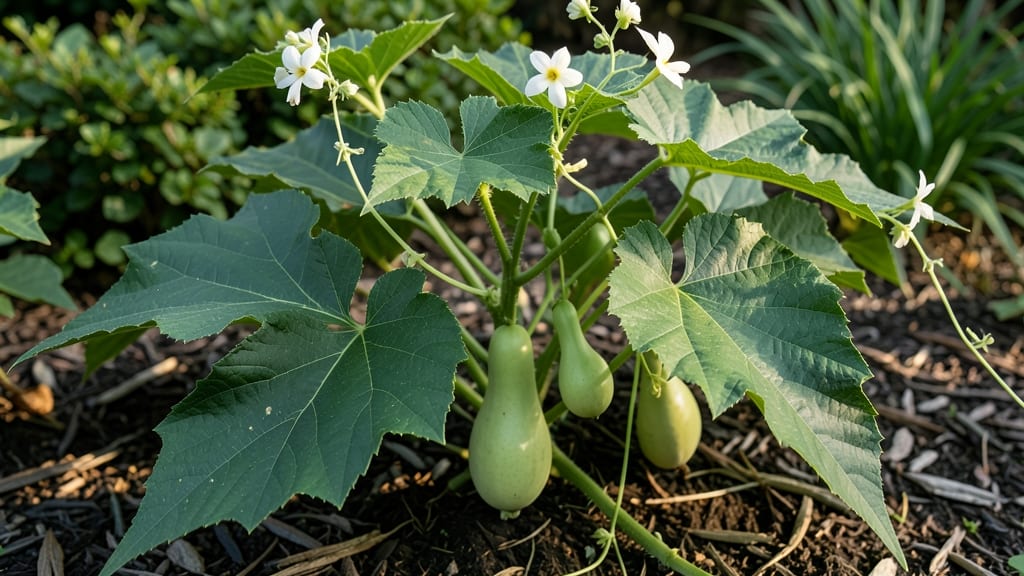
Growing the prickly vegetable chayote from a single tuber gives you a 60-day harvest of these mild, cucumber-like veggies that thrive in heat. 🌿 I learned the hard way that chayote isn't your average garden plant—its spiky exterior hides a tender, versatile vegetable that grows like a vine but doesn't need trellising.
The secret? Mimicking its tropical roots with consistent warmth and moisture.
Start with a whole chayote (the whole fruit, not sliced)—it's the tuber you'll plant. These vines love full sun and rich, well-draining soil, but they're surprisingly drought-tolerant once established. Unlike most vegetables, chayote doesn't need heavy fertilizing—just a little compost at planting time works wonders.
The real magic happens when the vines start climbing, and within weeks, you'll spot those distinctive spiky fruits forming.
By day 60, you'll be harvesting smooth-skinned chayotes (the thorns soften as they mature) that taste fresh and slightly sweet. They're perfect for stir-fries, soups, or even raw in salads.
The best part? One tuber can produce 10-20 fruits in a single season, making it one of the most rewarding tropical vegetables to grow.
Works in zones 9-11, but can be grown in containers and brought indoors during cooler months. The key is patience—chayote grows slower than most veggies, but the payoff is worth it. Let's get those tubers in the ground!
📚 In This Guide
- What you need
- Instructions
- Tips and common mistakes
- Wrapping up and next steps
What you need
- ● Chayote seeds or whole chayote fruit: 3–5 whole fruits (with seeds) or 10–15 seeds (soaked overnight for faster germination). Pro tip: Choose organic, firm chayotes for best results! 🌱
- ● Containers or garden bed: Containers: 5-gallon pots or larger (1 per plant). Ensure they have drainage holes!
- ● Garden bed: Well-draining soil, 6+ inches deep, in a sunny spot (6+ hours of sunlight daily).
- ● Potting mix: High-quality, well-draining mix (e.g., 60% peat/coir, 30% perlite, 10% compost). Skip heavy clay soil!
- ● Fertilizer: Balanced liquid fertilizer (10-10-10 or 20-20-20), diluted to half-strength.
- ○ Optional boost: Compost or worm castings for organic growth.
- ● Support structure: Trellis, stakes, or strong twine (for vining varieties). Chayote can grow 10+ feet!
- ● Pruning shears: Small, sharp pair for trimming vines and removing thorns (wear gloves!).
- ● Gloves: Heavy-duty gardening gloves (chayote spines can be tricky!).
- ● Watering can or hose: With a gentle spray nozzle (chayote hates soggy roots!).
- ● Mulch: Straw or shredded leaves to retain moisture and suppress weeds.
- ● Shade cloth: Lightweight fabric (30–50%) for seedlings if temps exceed 90°F.
- ● pH test kit: Ideal soil pH for chayote: 6.0–7.0. Adjust with lime or sulfur if needed.
- ● Grow lights: For indoor starters (if starting seeds early).
- ● Pest control: Neem oil or insecticidal soap (prevents aphids/spider mites).
Step-by-Step guide to growing chayote indoors
This fast-growing vine thrives with minimal fuss—just a few key steps to thorn-free, ready-to-harvest chayotes in under two months.
🌱 Step 1: Select and Prepare Your Chayote Seed
Chayotes grow from whole fruits, not seeds. Choose a firm, unblemished chayote from the produce section—look for one with a small, hard nub (the "eye") where the stem was attached. This nub is your planting point. Rinse it thoroughly under warm water to remove any residual wax or pesticide residue, then let it dry completely overnight.
Here's the thing—you don't need to peel or cut the chayote. The natural eye contains everything needed for germination. For best results, soak the chayote in warm water for 12 hours before planting. This softens the outer skin slightly and kickstarts root development. I like to use a glass jar with just enough water to cover the eye completely.
🪴 Step 2: Plant in a Light, Well-Draining Medium
Fill a 6-inch diameter pot with a mix of 50% potting soil and 50% perlite—this ensures excellent drainage while retaining enough moisture. Chayotes hate soggy roots, so avoid garden soil or heavy mixes. Gently press the chayote into the soil until the eye is buried about 1 inch deep, leaving the rest exposed above the surface.
Place the pot in a warm location (70-80°F) where it will receive bright, indirect light for 10-14 days. You'll know it's working when you see white roots emerging from the eye and growing downward. Don't water yet—wait until you see these roots appear before adding moisture. Overwatering at this stage can rot the chayote before it's ready to sprout.
☀️ Step 3: Provide Support and Gradual Sunlight
Once the chayote sprouts a 2-3 inch stem, it's time to introduce it to a support structure. Chayotes are vigorous climbers, so install a 4-foot tall trellis or bamboo stake near the pot. Gently guide the main stem around the support as it grows—this encourages upward growth rather than sprawling vines.
Move the plant to a location with 6+ hours of direct sunlight daily over 7-10 days. Start with 2-3 hours of morning sun and gradually increase exposure. You'll notice the leaves develop a deeper green color as they acclimate. If your space lacks natural light, supplement with a grow light positioned 6 inches above the plant for 12 hours daily. Without enough light, stems grow leggy and weak.
💧 Step 4: Water and Fertilize for Rapid Growth
Water the chayote when the top 1-2 inches of soil feel dry to the touch. Stick your finger in the soil—if it's damp below that depth, wait another day. Chayotes are drought-tolerant once established, but young plants need consistent moisture. I water deeply in the morning, allowing excess water to drain completely from the pot's holes.
After 4 weeks of growth, begin fertilizing with a balanced liquid fertilizer (10-10-10) diluted to half-strength. Apply every 2 weeks during the growing season. You'll see a surge in vine growth and leaf production—this is your signal the plant is thriving. Real talk: Don't over-fertilize. Yellowing leaves or stunted growth means you've overdone it.
⏰ Step 5: Harvest and Prune for Continuous Yield
Chayotes are ready to harvest when the fruits reach 4-6 inches in length and feel firm to the touch. Gently twist the fruit from the vine—it should detach cleanly without tearing. The first harvest usually arrives in 60-70 days from planting. Don't wait until the fruits turn yellow or soften; they lose flavor and texture quickly once mature.
After harvesting, prune any yellowed or damaged leaves with clean, sharp scissors. This encourages new growth and prevents disease. With proper care, a single chayote plant can produce 20-30 fruits per season if given enough space to climb. Save the best fruits for replanting—each can sprout a new vine, making chayotes a self-sustaining crop.
Tips & tricks for growing chayote indoors successfully
Confession: I skipped the soaking step for years and wondered why my chayotes took forever to sprout. Here's what nobody tells you—
Germination Boost: The 12-hour soak isn't just about softening the skin—it jumpstarts root development. Use a glass jar so you can monitor progress. If you notice tiny white roots forming during soaking, that's your cue to plant immediately. I've found that pre-soaked chayotes sprout within 5-7 days instead of the usual 10-14 days mentioned in Step 2.
Light Transition Strategy: When moving your chayote to direct sunlight (Step 3), I recommend a 3-day gradual transition rather than the full 7-10 days. Start with 1 hour of morning sun on day 1, then add 1 hour each subsequent day. This prevents sunburn on delicate new leaves. Watch for a slight reddening—this is normal and will fade as the plant acclimates.
Support System Secret: For the 4-foot trellis in Step 3, I use a flexible garden twine to gently tie the main stem in a spiral pattern. This creates natural air circulation around the plant and prevents the vine from becoming tangled. If you notice any leaves touching the ground, immediately adjust the twine—chayote vines are sensitive to ground contact, which can lead to rot.
Fertilizer Timing: The 4-week mark for fertilization (Step 4) is perfect, but I've learned to watch for these visual cues first: when the plant has 4-6 true leaves (not counting the initial seed leaves) and the vines are actively growing 1-2 inches per week. At this point, the plant can handle the nutrients. If you fertilize too early, you risk burning tender roots.
Pro Tips for Prickly Vegetable Chayote
- Confession: I skipped the soaking step for years and wondered why my chayotes took forever to sprout.
- Germination Boost: The 12-hour soak isn't just about softening the skin—it jumpstarts root development.
- Light Transition Strategy: When moving your chayote to direct sunlight (Step 3), I recommend a 3-day gradual transition rather than the full 7-10 days.
Frequently asked questions
Got questions about growing chayote? You’re not alone!
This prickly vegetable might seem tricky, but with the right know-how, you’ll be harvesting smooth, thorn-free chayotes in no time. Below, we’ve answered the most common questions to help you grow like a pro.
Is chayote really that hard to grow?
Not at all! Chayote thrives in warm climates and is surprisingly low-maintenance. With the right soil, sunlight, and a little patience, you’ll see vines climb and produce fruit in about 60 days. Just avoid frost—this tropical veggie hates cold weather!
How long does it take for chayote to grow?
From planting, chayote typically takes 60–90 days to mature. The key is consistency—keep the soil moist, provide support for vines, and watch for those signature spiky fruits (don’t worry, the edible part is smooth inside!).
Can I eat the thorns on chayote?
Absolutely not! The spiky exterior is just for protection—always peel or trim it before cooking. The inside is tender, mild, and versatile in dishes like stir-fries, soups, or even desserts. Pro tip: Wear gloves when handling to avoid pricks!
What if my chayote plant isn’t producing fruit?
No fruit? Check these fixes:
- Pollination: Chayote flowers are self-pollinating, but hand-pollinating with a brush can help.
- Light: Ensure 6+ hours of sunlight daily.
- Patience: Some varieties take longer—wait until vines are established.
Can I grow chayote indoors or in containers?
Chayote prefers outdoor warmth, but you can try container growing in a sunny spot (like a patio). Use a 5-gallon pot with drainage, and move it indoors if temperatures drop below 50°F. Just expect smaller yields—outdoor plants thrive best!
Wrapping up and next steps
Growing chayote is a rewarding adventure that brings a thorn-free, nutrient-packed harvest to your table in just 60 days!
With the right soil, spacing, and care, you’ll enjoy this versatile vegetable—whether roasted, stir-fried, or blended into soups. Don’t let the prickly exterior intimidate you; the mild, crunchy reward is worth every step!
Ready to dive in? Start by gathering your supplies, then plant those chayote seeds or tubers this week—your future meals (and bragging rights) will thank you! 🌱✨