
Vegetables
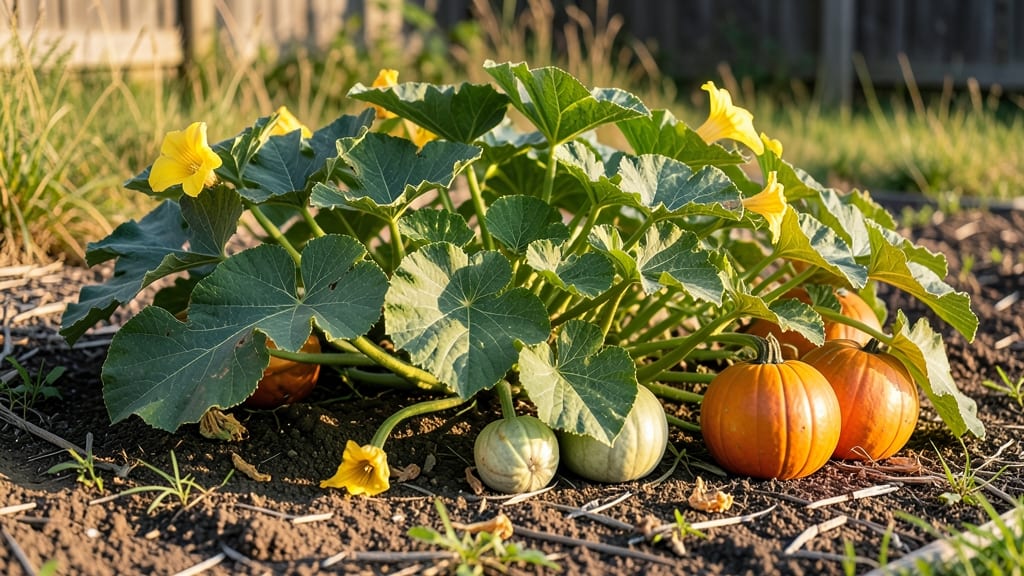
Growing pumpkins in Florida means beating the heat and humidity—but with the right varieties and timing, you can harvest smooth, sweet pumpkins year-round. 🌱 I’ve grown pumpkins through Florida’s sweltering summers and learned which tricks keep vines thriving when most gardeners give up.
The secret? Planting in spring or fall, choosing heat-tolerant varieties, and managing moisture to prevent disease.
Florida’s climate demands fast-maturing varieties like ‘Cinderella’ or ‘Jack Be Little’—they ripen in 85-90 days, avoiding the worst summer heat. Raised beds with well-draining soil and mulch keep roots cool, while drip irrigation (not overhead watering) prevents fungal issues.
Even in humidity, these methods cut down on pests and rot, giving you a reliable harvest instead of wilted vines.
By late summer or early fall, you’ll watch orange fruits swell on sturdy vines, ready for pies, carving, or selling. The best part? Florida’s long growing season means you can stagger plantings for continuous harvests—something most northern gardeners can only dream of.
Just watch for squash vine borers and keep an eye on powdery mildew in sticky summer air.
Local nurseries like Southern Living Plant Collection or Florida-friendly seed sources carry varieties bred for humidity. Start small with 3-5 plants to test your setup, then scale up once you’ve mastered the Florida pumpkin game.
Before you know it, you’ll be the neighborhood’s go-to for homegrown, vine-ripened pumpkins—no matter the season.
📚 In This Guide
- What you need
- Instructions
- Tips and common mistakes
- Wrapping up and next steps
What you need
- ● Pumpkin Seeds: Choose Cucurbita pepo (e.g., Jack Be Little, Howden, or Bush Delicious) for Florida’s heat. Buy 3–5 seeds per plant (or 1 seed per hill if transplanting).
- ● Growing Space: Full sun (6–8+ hours daily).
- ● Well-draining soil (pH 6.0–6.8). Test your soil or amend with compost if needed.
- ● Space: 2–3 feet between vines (or 5–6 feet for giant varieties like Atlantic Giant).
- ● Fertilizer: Balanced fertilizer (10-10-10) at planting (1 tbsp per hill).
- ● High-nitrogen fertilizer (e.g., 21-0-0) when vines start running (1 tbsp per plant).
- ● Mulch: Straw or black plastic (2–3 inches thick) to retain moisture and suppress weeds.
- ● Watering Supplies: Drip irrigation or hose with a soaker nozzle (avoid overhead watering to prevent disease).
- ○ Trellis or Support (Optional but Helpful): For bush varieties, use cattle panels or stakes to train vines (saves space!).
- ● Row Cover: Lightweight fabric to protect seedlings from squash vine borers (common in Florida).
- ● Pruning Shears: For trimming excess vines or dead leaves.
- ● Pumpkin Weights: Small bags of sand or rocks to flatten vines for easier harvesting.
- ● Soil Thermometer: Ensure soil is 60–90°F for optimal germination (Florida’s heat is no problem, but cool snaps can slow growth!).
- ● Harvest Gloves: Protect your hands from prickly stems when picking pumpkins!
Step-by-step guide to growing pumpkins in Florida’s humid climate
Florida’s heat and humidity actually work in pumpkins’ favor—if you know the tricks. Here’s how to grow them successfully year-round.
🌱 Step 1: Choose the Right Varieties for Florida’s Heat
Skip the traditional carving pumpkins—they need cooler weather to mature. Instead, plant small, fast-maturing varieties like 'Jack Be Little' or 'Cinderella' that thrive in 85-95°F temperatures. These types produce baby pumpkins in 75-90 days, perfect for Florida’s long growing season. I’ve found that winter squash varieties like 'Sugar Pie' also do well in our climate.
Start seeds indoors 4-6 weeks before your last frost date (even in Florida, early spring can be unpredictable). Use biodegradable pots to avoid disturbing roots when transplanting. Harden off seedlings by placing them outside for 2-3 hours daily a week before moving them permanently. Watch for first true leaves—that’s your signal they’re ready for the garden.
☀️ Step 2: Plant in Well-Draining Soil with Full Sun
Pumpkins hate soggy roots, so pick a slightly elevated spot with full sun (6+ hours daily). Florida’s sandy soil drains too fast, so amend it with 2-3 inches of compost mixed into the top 12 inches of soil. I like to work in a 5-gallon bucket of compost per 10-foot row—this ensures nutrients stay available during the long growing season.
Plant seeds 1 inch deep, spacing them 2-3 feet apart in hills. Each hill should have 3-4 seeds—pumpkins are finicky about germination, and not all seeds sprout. Water deeply right after planting, then wait until the soil feels dry 1 inch below the surface before watering again. Overwatering now invites fungal diseases that thrive in Florida’s humidity.
💧 Step 3: Manage Water and Fertilizer for Fast Growth
Once seedlings emerge, water at the base (not overhead) to prevent powdery mildew, a common Florida issue. Aim for 1-1.5 inches of water weekly, increasing to 2 inches during fruit development. I use a soaker hose to deliver water slowly—this keeps the soil moist without wetting the leaves.
Feed plants every 2 weeks with a balanced 10-10-10 fertilizer once vines start running. When flowers appear, switch to a low-nitrogen, high-phosphorus fertilizer (like 5-10-10) to boost fruit set. Here’s the thing—Florida’s heat can cause blossom drop, so hand-pollinate flowers by gently shaking vines on mild, breezeless mornings. Watch for tiny fruit bumps on female flowers—they’ll grow into pumpkins in 30-40 days.
✂️ Step 4: Prune and Protect for Maximum Yield
Pumpkins spread aggressively, so prune vines to focus energy on fruit. Remove weak or damaged vines regularly, leaving only the strongest 2-3 vines per plant. In Florida’s heat, shade cloth (30-50%) can help prevent sun scald on pumpkins—especially if temperatures hit above 95°F. I drape lightweight shade cloth over the fruit during peak afternoon heat.
Watch for squash vine borers—they’re a Florida nightmare. Lay cardboard collars around stems at planting time to deter larvae. If you see wilting or sawdust-like frass, treat immediately with neem oil or Bacillus thuringiensis (Bt). Harvest pumpkins when their stems turn brown and papery—this usually happens 90-110 days after planting. Use a serrated knife to cut stems, leaving 2 inches of stem attached to prevent rot.
🌿 Step 5: Extend the Season with Succession Planting
Florida’s warm winters let you grow pumpkins year-round with the right timing. Plant one batch every 2 months for continuous harvests. For summer plantings, use shade cloth to protect young plants from intense sun. In fall/winter, focus on heat-tolerant varieties like 'Minnesota Golden'—they handle Florida’s mild winters better than traditional types.
Save seeds from your best pumpkins for next year! Scoop out seeds, rinse them, and dry on a paper towel for 3-5 days in a shady, well-ventilated spot. Store in a cool, dry place until next season. Real talk: Florida’s humidity makes seed storage tricky, so I label everything with the variety and harvest date—you’ll forget which pumpkin was which after a few months.
Tips & tricks for growing pumpkins in Florida's humid climate
Florida’s unique climate turns pumpkin growing into an art—here’s how to master it with these battle-tested insights.
Variety Selection is Everything: The 75-90 day maturity window for varieties like 'Jack Be Little' is non-negotiable in Florida’s heat. I’ve learned the hard way that traditional carving pumpkins won’t survive our summers—stick to these fast-maturing types. For winter harvests, 'Sugar Pie' winter squash is my go-to because it handles Florida’s mild winters better than most. The key is matching varieties to your planting window: summer plantings need the fastest growers, while fall/winter batches can handle slightly longer seasons.
Seedling Hardening is Critical: Those 2-3 hours daily outside for a week before transplanting make all the difference. I’ve seen seedlings collapse when rushed into the garden—take your time with this step. Look for the first true leaves as your signal; they indicate the plant’s ready for full sun exposure. Pro tip: Use biodegradable pots so you can transplant directly without disturbing delicate roots. This small effort prevents transplant shock that can set your whole crop back weeks.
Soil Prep Prevents Problems: The 2-3 inches of compost mixed into the top 12 inches of soil isn’t just about nutrients—it’s about moisture retention in Florida’s sandy soil. I’ve found that adding a 5-gallon bucket of compost per 10-foot row creates the perfect balance. The compost helps retain moisture while preventing waterlogging, which is crucial during Florida’s unpredictable rain patterns. For extra insurance, I always plant on slightly elevated ground to improve drainage.
Heat Management Saves Harvests: When temperatures hit above 95°F, that’s when pumpkins suffer sun scald. I’ve saved multiple harvests by using 30-50% shade cloth during peak afternoon heat—especially for summer plantings. The cloth doesn’t block all light but prevents the intense Florida sun from damaging developing fruit. This simple protection can mean the difference between a perfect harvest and ruined pumpkins.
Pro Tips for Pumpkins In Florida
- Florida’s unique climate turns pumpkin growing into an art—here’s how to master it with these battle-tested insights.
- Variety Selection is Everything: The 75-90 day maturity window for varieties like 'Jack Be Little' is non-negotiable in Florida’s heat.
- Seedling Hardening is Critical: Those 2-3 hours daily outside for a week before transplanting make all the difference.
Frequently asked questions
Got questions about growing pumpkins in Florida’s steamy, humid climate?
You’re not alone! Here are answers to the most common queries—from timing to troubleshooting—so you can carve out success in your garden.
When is the best time to plant pumpkins in Florida?
Florida’s long growing season lets you plant pumpkins year-round, but aim for spring (February–April) or fall (August–October) for ideal conditions. Avoid extreme heat (summer) or cold snaps (winter), which can stress seedlings. Start seeds indoors 2–3 weeks before transplanting to give them a head start!
How do I deal with humidity and fungal diseases in Florida pumpkins?
Florida’s humidity is a double-edged sword—it speeds up growth but also invites powdery mildew and blight. Space plants 3–4 feet apart for airflow, water at the base (not leaves), and use copper fungicide or neem oil preventatively. Prune lower leaves to reduce moisture buildup.
What pests should I watch for, and how do I stop them?
Squash bugs, cucumber beetles, and deer are top Florida pumpkin pests. Handpick eggs (look for clusters under leaves), use row covers for seedlings, and apply kaolin clay as a natural repellent. For deer, try fencing or motion-activated sprinklers—they hate surprises!
Can I grow pumpkins in containers, or do I need a big garden?
Yes! Choose small varieties like ‘Jack Be Little’ or ‘Minnesota Midget’ and use 5-gallon containers with drainage. Ensure 6+ hours of sun and fertilize weekly with compost tea. Containers help control pests and soil-borne diseases—perfect for urban growers!
Why are my Florida pumpkins turning yellow or rotting?
Yellowing leaves often signal overwatering, nutrient deficiency, or blight. Check soil moisture (stick your finger in—it should be damp, not soggy), and amend with balanced fertilizer (10-10-10). Rotting? Improve drainage or switch to raised beds. If spots appear, remove affected leaves and treat with fungicide.
Wrapping up and next steps
Growing pumpkins in Florida’s humid climate is totally doable—with the right timing, soil prep, and pest control! Whether you’re carving jack-o’-lanterns or baking pies, these year-round harvest hacks will help you enjoy fresh, homegrown pumpkins. 🎃
Ready to dive in? Start by sketching your garden layout this week, then gather supplies like well-draining soil and shade cloth. Before you know it, you’ll be harvesting pumpkins that rival the best at farmers’ markets! 🌱
Next step: Pick a variety (like Cinderella or Jack Be Little) and mark your calendar for planting—your future pumpkin patch awaits!