
Vegetables
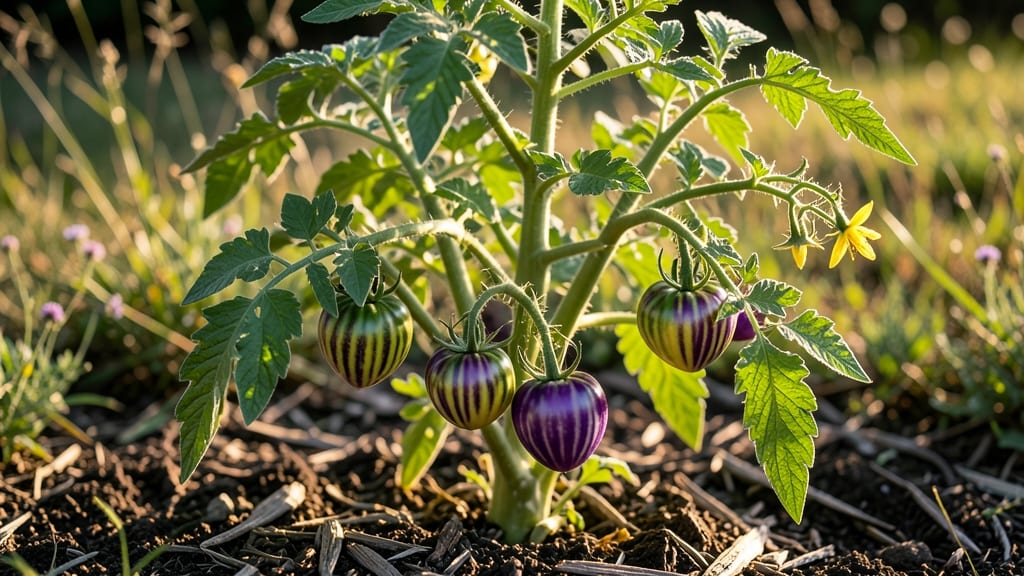
Growing Purple Zebra tomatoes transforms your garden into a jewel-toned masterpiece. 🌿 These frost-tolerant perennials produce striking purple-streaked fruit that looks like edible art—and they keep coming back year after year if you live in zones 4-10.
I planted mine last spring, and by July, I was harvesting tomatoes that looked too beautiful to eat (until I tried them—they’re sweet with a tangy kick).
The secret to their success starts with well-draining soil rich in organic matter. Purple Zebras thrive in full sun (6+ hours daily) but appreciate afternoon shade in hot climates.
Unlike most tomatoes, they handle cooler temperatures better, making them perfect for early spring or late fall harvests. Just avoid soggy soil—they hate wet feet.
By midseason, you’ll be snipping off suckers and shaping the plant for maximum airflow, which keeps diseases at bay. The real magic happens when those first striped tomatoes ripen—each one a conversation starter.
My neighbors still ask how I got them to grow so well, and I just smile while loading up my basket.
Even if you’ve killed tomatoes before, Purple Zebras are forgiving. They’re less prone to cracking than heirlooms, and their unique flavor makes every bite worth the effort. Start with one plant this year—you’ll want a whole bed by next season.
📚 In This Guide
- What you need
- Instructions
- Tips and common mistakes
- Wrapping up and next steps
What you need
- ● Purple zebra tomato seeds or young plants: 3–5 plants (or 10–15 seeds) for a small harvest.
- ● Well-draining potting mix: 10–15 gallons (or a blend of 60% compost, 30% coconut coir, 10% perlite).
- ● Containers or garden bed: Containers: 5-gallon pots (1 per plant) with drainage holes.
- ● Garden bed: Full sun (6+ hours/day) with rich, slightly acidic soil (pH 6.0–6.8).
- ● Organic fertilizer: Balanced 10-10-10 or tomato-specific formula (e.g., fish emulsion or compost tea).
- ● Support system: Cages (5–6 ft tall) or stakes + twine for vining varieties.
- ● Hand trowel or transplanting spade for planting.
- ● Watering can or hose with gentle nozzle (avoid wetting leaves).
- ○ Pruning shears for trimming suckers (optional but recommended).
- ● Mulch (straw or shredded leaves) to retain moisture and suppress weeds.
- ● Row covers or frost cloth (for early/late seasons in colder climates).
- ○ pH test kit to monitor soil acidity (optional but helpful).
Step-by-step guide to growing purple zebra tomatoes
Here's how I grow these stunning striped tomatoes year after year in my garden.
🌱 Step 1: Choose the Right Location for Planting
Purple Zebra tomatoes thrive in full sun with at least 6-8 hours of direct sunlight daily. I always pick a spot that gets morning sun and afternoon shade if temperatures exceed 85°F—this prevents sunscald on the fruit. The soil should drain well but retain moisture, so I avoid low-lying areas where water pools.
These plants are frost-tolerant but prefer 60-75°F soil temperatures. If planting in early spring, wait until nighttime temperatures stay above 50°F consistently. You'll know you've chosen well when the area stays warm even on cooler days and has good airflow to prevent disease.
🌱 Step 2: Prepare the Soil for Optimal Growth
Amend the soil with 2-3 inches of compost mixed into the top 12 inches of soil. Purple Zebras love rich, slightly acidic soil with a pH between 6.0-6.8. I add a handful of worm castings at planting time to boost microbial activity—this helps roots establish faster and improves fruit flavor.
Work in a balanced organic fertilizer like 5-5-5 at planting time. Avoid fresh manure, which can burn tender roots. You'll see the difference in plant vigor within two weeks—leaves will be darker green and stems thicker than in unamended soil.
☀️ Step 3: Plant Transplants at the Right Depth
Dig a hole twice as wide as the root ball but no deeper. Purple Zebras have deep taproots, so planting too deep can cause the stem to rot. Gently remove the plant from its container and loosen any circling roots with your fingers. Place it in the hole so the top of the root ball sits 1 inch below soil level.
Backfill with soil and water deeply to settle everything. Stake the plant immediately with a 6-foot tall tomato cage or individual stakes. These plants get heavy with fruit, so support prevents breakage. Water again after staking to help roots re-establish contact with the soil.
💧 Step 4: Water and Fertilize for Maximum Production
Water at the base of the plant 1-2 inches per week, keeping soil consistently moist but never soggy. Purple Zebras are drought-tolerant once established, but consistent moisture produces the best fruit. I water in the morning so leaves dry quickly, reducing disease risk.
Fertilize every 3-4 weeks with a low-nitrogen, high-phosphorus formula like 3-4-6. This encourages flowering and fruiting over leafy growth. You'll notice more blossoms appear within two weeks of the first feeding—watch for the distinctive purple-striped flowers that signal these unique fruits.
✂️ Step 5: Prune and Support for Healthy Fruit Development
Prune suckers (the shoots that grow in the leaf axils) regularly to direct energy to fruit production. Remove any leaves touching the soil to prevent disease. I also trim back any branches growing toward the center of the plant—this improves airflow and sunlight penetration.
As fruit develops, support heavy clusters with additional stakes or a tomato cage. The striped pattern of Purple Zebras makes them especially prone to sunburn if exposed too much. You'll see the best color development when fruits are partially shaded during peak afternoon sun.
Tips & tricks for perfect purple zebra tomato cultivation
Took me years to figure out these little details that make all the difference with these stunning striped tomatoes.
Sunlight Strategy: While Purple Zebras love their 6-8 hours of daily sun, I've found the afternoon shade tip is non-negotiable in hot climates. When temperatures hit 85°F, I use shade cloth (50% coverage) for 2-3 hours before sunset—this prevents the beautiful stripes from fading to dull purple. The morning sun gives them the energy they need without the afternoon burn.
Soil Secret: That 2-3 inches of compost isn't just filler—it's where the magic happens. I mix in an extra handful of worm castings specifically for Purple Zebras because their unique color development requires more microbial activity. Think of it as feeding the soil's flavor factory. Also, test your soil pH—these tomatoes thrive at 6.0-6.8, and anything outside that range will mute their signature purple hues.
Planting Precision: The 1-inch depth rule for planting is critical because these tomatoes have delicate taproots. I always make sure the top of the root ball sits exactly at that level—no higher, no lower. Too deep and you risk rot; too shallow and the plant won't anchor properly. After planting, I give everything a thorough watering to settle the soil around those roots, then wait 24 hours before staking to let them establish contact with the surrounding soil.
Watering Wisdom: Those 1-2 inches of weekly water might seem like a range, but I've learned timing matters just as much. Water deeply in the morning so the foliage has all day to dry—this prevents fungal issues that can discolor those gorgeous stripes. I also mulch heavily around the base to maintain even moisture without overwatering, which these drought-tolerant plants actually prefer once established.
Pro Tips for Purple Zebra Tomato
- Took me years to figure out these little details that make all the difference with these stunning striped tomatoes.
- Sunlight Strategy: While Purple Zebras love their 6-8 hours of daily sun, I've found the afternoon shade tip is non-negotiable in hot climates.
- Soil Secret: That 2-3 inches of compost isn't just filler—it's where the magic happens.
Frequently asked questions
Got questions about growing or enjoying purple zebra tomatoes? You’re not alone! This stunning perennial tomato is packed with flavor and hardiness, but it’s natural to have a few curiosities before diving in. Here are some of the most common questions—and answers—to help you get started with confidence.
How cold can purple zebra tomatoes tolerate?
The Solanum lycopersicum var. 'Purple Zebra' is famously frost-tolerant, surviving light freezes down to 20°F (-6°C). However, while the plant itself may bounce back, fruit won’t ripen in cold conditions. For best results, plant in zones 3-10 and protect young plants from sudden temperature drops with row covers or mulch.
How long does it take for purple zebra tomatoes to produce fruit?
Patience is key! From transplanting, expect 70-90 days to harvest, depending on climate. In warmer zones, you might see early blooms as soon as 60 days. Since they’re perennials, subsequent years yield fruit even faster—often by late spring—if the plant survives winter.
Can I grow purple zebra tomatoes in containers?
These tomatoes thrive in 5-gallon containers or larger, provided they get full sun (6+ hours daily) and well-draining soil. Use a balanced fertilizer (like 10-10-10) every 3-4 weeks, and prune suckers to encourage bushier growth. Just ensure your pot has drainage holes to prevent root rot.
What can I do if my purple zebra tomatoes crack?
Cracking is common in striped varieties due to uneven watering. To prevent it:
- Water consistently—keep soil evenly moist (not soggy or dry).
- Mulch heavily to retain moisture and stabilize soil temps.
- Harvest fruit before full ripeness if heavy rains are forecast.
How should I store or preserve purple zebra tomatoes?
These tomatoes are best enjoyed fresh, but you can extend their shelf life:
- Room temp: Store unwashed in a cool, dark place for 3-5 days.
- Fridge: Wrap individually in paper towels (to absorb moisture) and refrigerate for up to 2 weeks.
- Preserve: Roast, blanch for sauces, or ferment (their smoky-sweet flavor shines in salsa or chutney).
Wrapping up and next steps
The purple zebra tomato isn’t just a stunning addition to your garden—it’s a resilient, flavorful perennial that thrives where others falter. With its striking stripes, frost tolerance, and rich nutritional profile, this jewel of the tomato world is perfect for both beginners and seasoned gardeners alike. 🌱✨
Ready to grow your own? Start by gathering your supplies, choosing the right location, and diving into planting—your future harvest of vibrant, zesty tomatoes awaits! What are you waiting for? Dig in and let your garden bloom with color and flavor!