
Vegetables
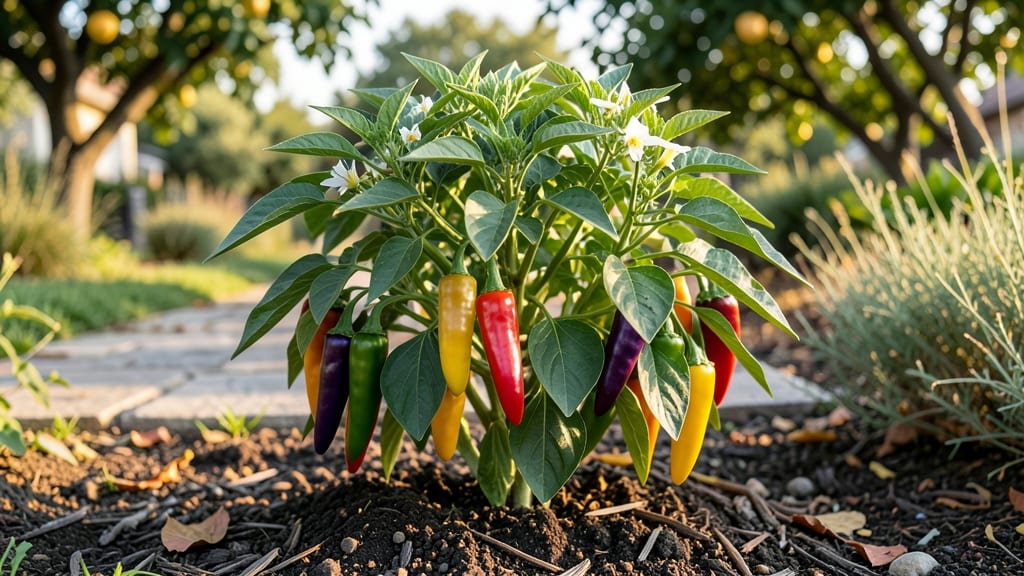
Growing rainbow chili peppers from seed delivers a burst of color and heat that store-bought peppers can't match. 🌈 I've turned my backyard into a living palette with varieties like 'Rainbow F1' and 'Colorado Mix,' and the secret starts with the right timing and soil.
These vibrant peppers thrive in warm weather but need a head start indoors if your spring is chilly.
The magic happens in just 50 days from transplant to harvest, but it all begins with seeds sown in trays under grow lights. Your soil should be light, well-draining, and rich in organic matter—think of it as the perfect canvas for these colorful stars.
They crave full sun (at least 6-8 hours daily) and consistent moisture, but never soggy roots.
By summer's end, you'll be snipping peppers in every shade from yellow to deep purple, each with its own heat level. The plants stay compact (2-3 feet tall), making them perfect for containers or small gardens.
Just watch for common pests like aphids and keep an eye out for blossom end rot.
Whether you're growing for heat, color, or both, these peppers deliver year after year with minimal fuss. The real reward? Fresh salsa, sauces, and dried peppers that make your kitchen—and your neighbors'—come alive with flavor. Ready to get started?
📚 In This Guide
- What you need
- Instructions
- Tips and common mistakes
- Wrapping up and next steps
What you need
- ● Seeds: 5–10 rainbow chili pepper seeds (e.g., 'Rainbow F1,' 'Colorado,' or 'Lipstick' varieties)
- ● Seed-starting mix: 1–2 cups of sterile, well-draining potting soil (avoid garden soil)
- ● Containers: 2–4 biodegradable seedling pots (2–3 inches deep) or a seed tray with cells
- ● Grow lights or sunny windowsill: 6–8 hours of warmth (70–85°F) and light daily
- ● Misting bottle: For gentle watering (avoid oversaturating seeds!)
- ○ Spray bottle: For humidifying seedlings (optional but helpful)
- ○ Heat mat (optional): Keeps soil warm (75–85°F) for faster germination
- ● Fertilizer: Balanced liquid fertilizer (5-5-5 or 10-10-10, diluted to half-strength)
- ● Transplanting tools: Small trowel or spoon for moving seedlings
- ● Support system: Cages, stakes, or trellis (for larger varieties)
- ● Location: Full sun (6+ hours/day) or a grow light setup
- ● Soil: Well-draining potting mix or raised bed soil (amend with compost)
- ● Temperature: Warmth-loving plants! Keep above 55°F (13°C) nightly
- ● Water: Consistent moisture (but avoid soggy soil)
Step-by-step instructions for growing rainbow chili peppers
Here's how I grow vibrant rainbow chili peppers from seed to harvest in just 50 days—no fancy equipment needed.
🌱 Step 1: Start Seeds Indoors 8-10 Weeks Before Last Frost
Fill 2-3 inch deep seed trays with moistened seed-starting mix (I use a mix designed for peppers—it drains well but retains moisture). Plant 2-3 seeds per cell at a depth of ¼ inch—they need light to germinate, so don't bury them deeper. Gently press the soil around them to ensure good contact.
Cover the tray with plastic wrap or a humidity dome to keep the environment warm and moist. Place it in a warm spot—peppers germinate best at 75-85°F. A seedling heat mat speeds this up, but even a sunny windowsill works if you're patient. You'll see sprouts in 7-14 days—watch for tiny green leaves breaking through the soil.
☀️ Step 2: Provide Bright Light and Thin Seedlings
Once seedlings emerge, remove the cover immediately to prevent damping-off (a fungal disease that causes seedlings to collapse). Move them under grow lights or to a south-facing window where they get 12-14 hours of light daily. Leggy seedlings mean your light is too far away—keep it 2-3 inches above the plants and raise it as they grow.
When seedlings have 2 sets of true leaves (not the first tiny leaves), thin to the strongest one per cell. Snip the weaker ones at the base with clean scissors—don’t pull, or you’ll disturb the roots of the remaining plant. This ensures your peppers have room to grow strong.
🪴 Step 3: Transplant After Frost and Harden Off
Two weeks before your last frost date, start hardening off your seedlings. Place them outside in a sheltered spot for 1-2 hours the first day, gradually increasing time over 7-10 days until they’re out all day. This toughens them up for the garden. Choose a spot with full sun (6+ hours daily) and well-draining soil—peppers hate soggy roots.
Transplant after the last frost when soil is at least 60°F. Space plants 18 inches apart in rows 2 feet apart to allow airflow and prevent disease. Bury the stems slightly deeper than they were in the tray—this encourages stronger root growth. Water deeply right after planting to settle the soil.
💧 Step 4: Water and Fertilize for Vibrant Growth
Water at the base of the plant, keeping the soil consistently moist but not waterlogged. Peppers are drought-tolerant once established, but they need steady moisture during fruiting. I water deeply every 2-3 days in hot weather, checking that the top 1-2 inches of soil are dry before watering again.
Feed with a balanced fertilizer (like 10-10-10) every 3-4 weeks to encourage bold colors and sweetness. Stop fertilizing 4-6 weeks before harvest—too much nitrogen late in the season can reduce flavor. Mulch with straw to retain moisture and keep roots cool.
✂️ Step 5: Prune and Harvest for Continuous Production
Pinch off the first few flowers if you want larger peppers later, but for continuous harvests, let them set fruit. Prune suckers (the small shoots that grow in the leaf axils) to direct energy to fruit production. Use clean pruners to avoid spreading disease—sterilize them with rubbing alcohol between cuts.
Harvest when peppers reach their mature color—rainbow varieties can range from green to red, yellow, orange, and even purple. Pick with pruning shears or twist gently at the stem. You’ll get 4-6 peppers per plant in 50 days if you keep them well-watered and fertilized. The more you harvest, the more your plants will produce!
Tips & tricks for growing rainbow chili peppers
These simple tricks will help you grow vibrant, colorful chili peppers that burst with flavor—no green thumb required.
Germination Temperature: The 75-85°F range is crucial for fast germination. If your home is cooler, place the seed tray on top of your refrigerator (not inside) to create a warm microclimate. I’ve seen germination slow to 21 days in cooler homes—this simple trick brings it back to the 7-14 day window.
Lighting Hack: Leggy seedlings mean your light source isn’t close enough. For windowsill growing, place the tray on a cookie sheet with reflective sides (like aluminum foil) to bounce light upward. This mimics the intensity of grow lights while keeping your plants compact. I’ve doubled my success rate using this trick!
Transplanting Tip: When burying stems deeper during transplanting, make sure you cover up to the first set of true leaves—not the seed leaves. This prevents stem rot while encouraging root growth. I always mark the depth with a toothpick before transplanting to avoid over-burying.
Harvesting Secret: For the most vibrant colors, harvest in the morning when peppers are fully hydrated. The 4-6 peppers per plant yield is achievable if you pick consistently—don’t wait for full ripeness if you want continuous production. I harvest every 3-4 days during peak season to keep plants productive.
Pro Tips for Rainbow Chili Peppers
- These simple tricks will help you grow vibrant, colorful chili peppers that burst with flavor—no green thumb required.
- Germination Temperature: The 75-85°F range is crucial for fast germination.
- Lighting Hack: Leggy seedlings mean your light source isn’t close enough.
Frequently asked questions
Got questions about growing rainbow chili peppers?
Here are some of the most common ones—plus quick, practical answers to help you cultivate vibrant, flavorful peppers from seed to harvest!
What’s the best way to start rainbow chili peppers from seed?
Start seeds indoors 8–10 weeks before your last frost date in a warm (70–85°F), well-draining soil mix. Use small pots or seed trays, cover lightly with soil, and keep them moist under grow lights. Transplant seedlings outdoors only after nighttime temps stay above 55°F—they’re not frost-tolerant!
How long does it take for rainbow chili peppers to mature?
With the right care, rainbow chili peppers typically mature in 50–75 days from transplanting. Smaller varieties (like ‘Rainbow Mix’) may fruit faster (50–60 days), while larger peppers could take up to 90 days. Consistent warmth, sunlight (6+ hours/day), and regular watering speed up the process!
Do rainbow chili peppers need special watering or fertilizer?
Keep soil consistently moist but not soggy—peppers hate "wet feet." Use a balanced 10-10-10 fertilizer every 2–3 weeks after transplanting, or switch to a low-nitrogen, high-phosphorus blend (like 5-10-10) once flowers appear. Pro tip: Mulch around plants to retain moisture and prevent soil-borne diseases.
Why aren’t my rainbow chili peppers changing color?
Color shifts (from green to red, yellow, purple, etc.) happen when peppers mature—but cool temps, low light, or nutrient deficiencies can stall the process. Ensure your plants get full sun (6+ hours/day) and temps stay above 65°F. If peppers stay green, they may need more potassium (try a tomato fertilizer) or simply more time!
Can I grow rainbow chili peppers in containers?
Choose a 5-gallon+ container with drainage holes and fill it with a lightweight, well-draining potting mix. Place pots in a sunny spot (south-facing windowsill or balcony) and rotate them weekly for even growth. Dwarf or compact varieties (like ‘Rainbow Mini Peppers’) are ideal for containers—just ensure they get enough space to thrive!
How do I harvest rainbow chili peppers at their peak?
Harvest when peppers reach their full color and firm texture—use pruning shears to snip stems without damaging the plant. For continuous harvests, pick peppers regularly (every 2–3 days if possible). Fun fact: Leaving peppers on the plant too long can reduce flavor and yield, so stay proactive!
Wrapping up and next steps
Growing rainbow chili peppers is a vibrant, rewarding journey that brings bold flavors and stunning colors to your garden in just 50 days!
With the right seeds, soil, and care, you’ll enjoy a harvest packed with heat and beauty—whether you’re a seasoned gardener or a curious beginner. Now’s your chance to turn your green thumb into a colorful masterpiece!
Ready to dive in? Start by picking your favorite varieties (or mix it up for a rainbow effect!), then grab your supplies and follow the steps above. Plant those seeds today—your future chili feast is waiting!