
Vegetables
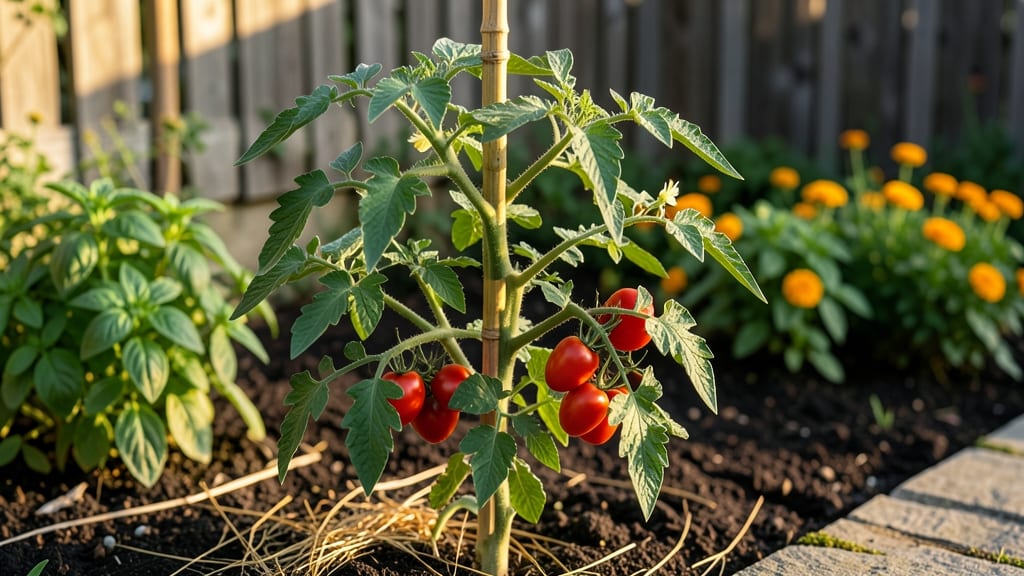
The growth of cold-hardy Roma tomatoes thrives where most varieties fail—even through mild winters. 🌱 I’ve grown them as perennials in Zone 7 for three years now, and they keep producing plump, meaty fruit long after store-bought plants have given up.
The secret isn’t fancy techniques; it’s understanding their unique needs for soil, sunlight, and protection from late frosts.
These plants demand well-draining soil rich in organic matter (think compost or aged manure) and full sun—at least 6-8 hours daily. Unlike annual tomatoes, perennials need winter mulch (4-6 inches of straw or leaves) to survive freezing temps.
Start seeds indoors 8-10 weeks before last frost, then transplant when soil reaches 60°F—any earlier risks shock.
You’ll see first blooms in 6-8 weeks after transplanting, with fruit ripening 70-80 days later. Prune suckers regularly to focus energy on fruit, and stake plants early—their vines get heavy with clusters.
Water at the base (not leaves) to prevent disease, and fertilize lightly every 3-4 weeks with balanced 10-10-10.
Pests like hornworms and aphids target these plants too, but neem oil or handpicking works better than chemicals. The payoff? Year-round harvests—even in winter, if you protect them. My plants still produce small but flavorful tomatoes in December with a little row cover. Ready to grow yours?
📚 In This Guide
- What you need
- Instructions
- Tips and common mistakes
- Wrapping up and next steps
What you need
- ● Roma tomato seeds or seedlings: Cold-hardy varieties like 'Roma VF' or 'Plum Perfection' (check seed packets for perennials). Quantity: 3–5 plants per household (or 1 plant per 2–3 sq ft in containers).
- ● Growing containers or garden bed: Containers: 5-gallon pots or larger (minimum 12" deep) with drainage holes. Garden beds: Well-draining soil, raised beds, or in-ground plots with full sun (6+ hours/day).
- ○ High-quality potting mix: 1 part compost + 1 part perlite/vermiculite (for aeration). Optional: Add worm castings (1 cup per 5 gallons) for nutrients.
- ● Fertilizer: Balanced organic fertilizer (e.g., 5-5-5 or 10-10-10) or fish emulsion (diluted to 1 tbsp/gallon). Slow-release granules (e.g., Osmoote) for perennials.
- ● Watering supplies: Drip irrigation kit or watering can with a rose attachment (to avoid soil displacement). Mulch (straw or shredded leaves) to retain moisture.
- ● Support system: Cages (5–6 ft tall) or sturdy stakes (bamboo or metal) for indeterminate varieties. Twine or plant ties (for trellising).
- ● Pruning tools: Sharp bypass pruners or shears (sterilized with rubbing alcohol).
- ● Cold protection (for perennials):strong> Row covers or frost blankets (for zones 7–10). Insulated containers or greenhouses (for zones 5–6).
- ● Soil amendments: Biochar or mycorrhizal fungi to boost root health. Epsom salt (1 tbsp/gallon of water) for magnesium (prevents yellowing leaves).
- ● Pest control: Neem oil or pyrethrin spray (for aphids/hornworms). Beneficial insects (ladybugs, lacewings) or row covers.
- ● Growth aids: Seaweed extract (1 tsp/gallon) for stress resistance. Plant growth regulators (e.g., Bonide Fruit & Flower Booster).
- ● Harvesting tools: Small pruning shears or a serrated knife for clean cuts.
How to grow cold-hardy Roma tomatoes for extended harvests
Here's how I grow Roma tomatoes that thrive through cooler seasons—no greenhouses needed.
🌱 Step 1: Select the Right Variety and Planting Time
Choose a cold-hardy Roma variety like 'Roma VF' or 'Plum Perfect'—these tolerate temperatures down to 30°F once established. Plant in early spring, 4-6 weeks before your last frost date, when soil reaches 60°F. I always test soil temperature with a thermometer; cooler soil delays germination.
Roma tomatoes need full sun (6-8 hours daily), so pick a south-facing spot with afternoon shade in hot climates. If your area has short summers, opt for a black plastic mulch to warm the soil faster—it raises temperatures by 5-10°F and speeds up growth. Avoid planting where tomatoes grew last year to prevent disease buildup.
☀️ Step 2: Prepare Soil and Plant for Optimal Growth
Amend the soil with 2-3 inches of compost and a balanced 10-10-10 fertilizer (follow package rates) to ensure strong root development. Roma tomatoes thrive in well-draining soil with a pH of 6.0-6.8—test your soil and adjust with lime or sulfur if needed. I dig in a handful of mycorrhizal fungi to boost root health in cooler climates.
Plant seeds ½ inch deep or transplants 12-18 inches apart in rows 24-30 inches apart. Bury the stem slightly deeper than in the nursery pot—this encourages stronger root growth. Water deeply right after planting to settle the soil and remove any air pockets around the roots.
💧 Step 3: Water and Fertilize for Cold-Hardy Productivity
Keep the soil consistently moist but never soggy—Roma tomatoes need 1-1.5 inches of water per week, delivered at the base to prevent fungal diseases. I water in the early morning to reduce evaporation and fungal risks. Mulch with 2-3 inches of straw to retain moisture and protect roots from temperature swings.
Fertilize every 3-4 weeks with a low-nitrogen, high-phosphorus formula (like 5-10-10) to encourage fruiting. Stop fertilizing 4-6 weeks before your first frost to allow the plant to harden off naturally. Prune suckers (the small shoots between the stem and branches) to direct energy to fruit production—this is especially critical in shorter growing seasons.
⏰ Step 4: Extend the Harvest Through Cooler Months
To push your harvest later into the season, use row covers when nights dip below 50°F. These trap heat and protect flowers from frost while allowing light and water through. Remove covers during the day if temperatures rise above 75°F to prevent overheating. I also plant a second crop in late summer for a fall harvest—just start seeds indoors 8-10 weeks before your average first frost.
Harvest Roma tomatoes when they're deep red and slightly soft to the touch—this ensures peak flavor and prevents overripening on the vine. Pick regularly to encourage more production. In cold climates, bring in green tomatoes and ripen them indoors on a sunny windowsill. Store them in a paper bag with a banana to speed up ripening with natural ethylene gas.
Tips & tricks for growing cold-hardy Roma tomatoes
A few strategic moves can transform your Roma tomatoes from seasonal curiosities to year-round producers. Here's what I've learned after years of growing these resilient plants through cooler climates.
Soil Temperature Secret: The 60°F soil temperature threshold isn't just a number—it's the difference between reliable germination and weeks of waiting. I use a soil thermometer to verify this, especially in spring when mornings can still be chilly. If your soil runs cooler than 60°F, consider using black plastic mulch to raise temperatures by 5-10°F—this creates a microclimate that mimics warmer growing conditions. For extra insurance, plant in raised beds where soil warms up faster.
Planting Depth Technique: Burying transplants slightly deeper than their nursery pots might seem counterintuitive, but it's a game-changer for cold-hardy tomatoes. The extra soil insulates roots against temperature swings and encourages stronger root development below the frost line. When planting, make sure only the lower third of the stem remains above soil level—this buried portion will develop into robust roots that anchor your plant through cooler seasons.
Watering Strategy: The 1-1.5 inches of water per week guideline works, but timing matters just as much. I water exclusively in the early morning to prevent fungal diseases that thrive in damp evening conditions. For cooler climates, consider using drip irrigation rather than overhead watering—it delivers moisture directly to the roots while keeping foliage dry. This simple adjustment can dramatically reduce your risk of early blight and other fungal issues that plague tomato plants in wet conditions.
Frost Protection Hack: When nights dip below 50°F, row covers become your best friend. I use lightweight fabric covers that trap heat while allowing sunlight and air circulation. The key is removing them during the day if temperatures rise above 75°F—this prevents overheating that can stress the plants. For an extra layer of protection, I've found that wrapping the base of plants with cardboard tubes (removed after frost danger passes) adds insulation against cold snaps.
Pro Tips for Roma Tomato Growth
- A few strategic moves can transform your Roma tomatoes from seasonal curiosities to year-round producers.
- Soil Temperature Secret: The 60°F soil temperature threshold isn't just a number—it's the difference between reliable germination and weeks of waiting.
- Planting Depth Technique: Burying transplants slightly deeper than their nursery pots might seem counterintuitive, but it's a game-changer for cold-hardy tomatoes.
Frequently asked questions
Got questions about growing Roma tomatoes? You’re not alone! Here are answers to the most common queries to help you cultivate a thriving harvest—even in cooler climates.
Can Roma tomatoes grow in cold climates?
While Roma tomatoes thrive in warm weather, they’re perennial in USDA zones 8-11 and can survive mild winters with proper care. In colder zones (5-7), grow them as annuals or use row covers. Start seeds indoors 6-8 weeks before the last frost for a head start.
How long does it take for Roma tomatoes to grow from seed?
From seed to harvest, Roma tomatoes typically take 70-85 days in warm conditions. In cooler climates, extend the timeline to 90-100 days due to slower growth. Use black plastic mulch or cold frames to speed up germination and early growth.
What’s the best way to maximize Roma tomato yield?
Prune suckers (side shoots) regularly to direct energy to fruit production. Stake or cage plants to prevent sprawling, which can reduce airflow and increase disease risk. Water deeply but infrequently (1-2 inches per week) and fertilize with a balanced 10-10-10 mix every 3-4 weeks.
Why are my Roma tomato leaves turning yellow?
Yellow leaves often signal overwatering, nutrient deficiency (like nitrogen or magnesium), or disease (e.g., early blight). Check soil moisture—Roma tomatoes prefer well-draining soil. If yellowing spreads, test soil pH (ideal: 6.0-6.8) and amend with compost or a tomato-specific fertilizer.
Are there cold-hardy alternatives to Roma tomatoes?
Yes! Try ‘Solar Fire’ (heat-tolerant but cold-resistant) or ‘Mountain Merit’ tomatoes, which handle cooler temps better. For perennials, consider ‘Cherokee Purple’ or ‘Brandywine’—both adaptable but may need winter protection in harsh climates.
Wrapping up and next steps
Growing Roma tomatoes as cold-hardy perennials is a rewarding journey that blends patience with delicious results! 🌱 With the right location, soil prep, and care, you can enjoy year-round harvests—even in cooler climates.
Whether you’re a seasoned gardener or just starting, every seed planted today is a step toward a bountiful, homegrown future.
Ready to take the next step? Start with one plant, experiment with your microclimate, and soon you’ll be sharing your homegrown tomatoes with pride. Happy growing—your kitchen (and taste buds) will thank you! 🍅✨