
Vegetables
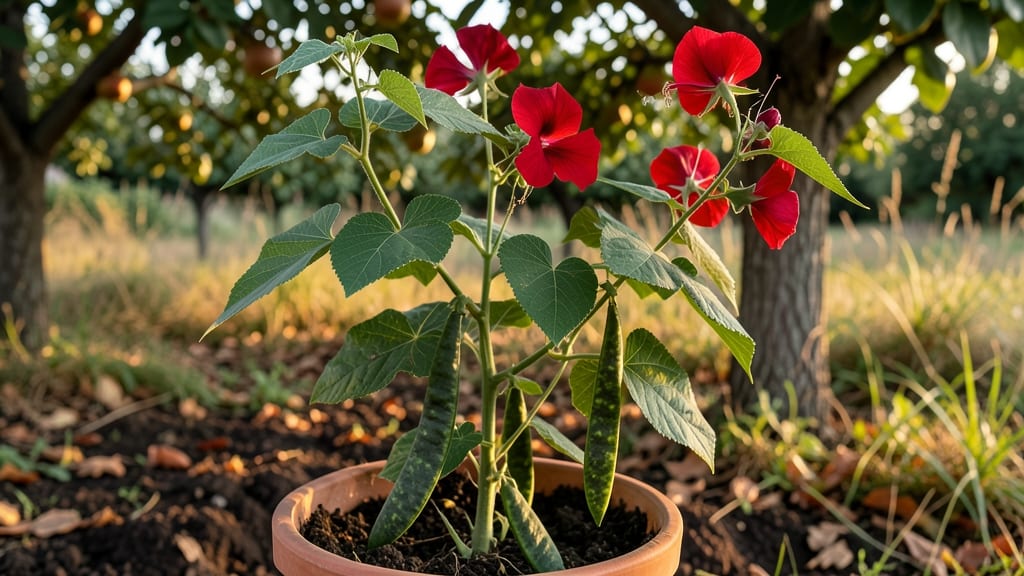
Growing Scarlet Emperor beans means turning your garden into a vertical rainbow by midsummer. 🌿 These striking, striped pods aren’t just showstoppers—they’re productive too, delivering tender beans in just 60 days from seed. I’ve grown them for three seasons now, and they’ve never disappointed, even in my less-than-perfect soil.
The secret starts with warm soil and a sturdy trellis—these beans climb like crazy, so skip the support and you’ll lose half your harvest to sprawl. Plant seeds 1 inch deep, 4-6 inches apart, and watch for those first purple-tinged leaves in about a week.
They love full sun but tolerate partial shade, making them perfect for small spaces or container gardens. By late summer, you’ll be harvesting 6-inch pods with bold red-and-white stripes, perfect for snacking fresh or adding to salads. The flavor is mild and sweet, with a satisfying crunch.
Just don’t let them dry out—they wilt faster than bush beans if neglected. Even experienced gardeners appreciate how forgiving these beans are. They resist common pests like Mexican bean beetles better than most varieties, and the vertical growth saves space. Here’s how to get started without the usual growing pains!
📚 In This Guide
- What you need
- Instructions
- Tips and common mistakes
- Wrapping up and next steps
What you need
- ● Scarlet Emperor bean seeds – 10–20 seeds (or a small packet for a starter garden). Look for Phaseolus coccineus varieties for best results.
- ● Growing containers or garden beds – 5-gallon pots (1–2 per plant) or a sunny garden spot (6+ inches deep, well-draining soil).
- ● Potting mix or garden soil – Rich, loamy soil with compost (amend with aged compost or worm castings for best growth).
- ● Trellis or stakes – 5–6 ft tall (beans are vigorous climbers!).
- ● Watering can or hose with a gentle spray nozzle – Beans need consistent moisture but hate soggy roots.
- ○ Fertilizer (optional but helpful) – Balanced organic fertilizer (10-10-10) or compost tea at planting and mid-growth.
- ● Mulch (straw or shredded leaves) to retain moisture and suppress weeds.
- ● Plant markers (to track varieties if growing multiple types).
- ● Row covers (for early planting in cooler climates).
- ● Pruning shears (for trimming excess foliage or harvesting).
Step-by-Step instructions for growing scarlet Emperor beans
These stunning beans grow fast and reward you with vibrant pods—here's how to get them thriving in your garden.
🌱 Step 1: Start Seeds Indoors 4-6 Weeks Before Last Frost
Scarlet Emperor beans love warmth, so I always start them indoors 4-6 weeks before your last frost date. Fill 2-inch deep seed-starting cells with the seed-starting mix and moisten it until damp but not soggy. Plant 2 seeds per cell at a depth of 1 inch, pressing gently but not firming the soil.
Cover the cells with a clear plastic dome or wrap to retain moisture and warmth. Place them in a warm spot—70-80°F is ideal—until germination. You'll see sprouts in 7-10 days. Once they emerge, remove the cover immediately to prevent damping-off disease, which can wipe out seedlings overnight.
☀️ Step 2: Harden Off and Transplant After Frost
When seedlings have 2-3 true leaves (not just the initial seed leaves), it's time to harden them off. Start by placing them outside in a sheltered spot for 1-2 hours the first day, gradually increasing their outdoor time over 7-10 days. This toughens them up so they can handle the garden's conditions.
Transplant seedlings outdoors 2 weeks after your last frost when soil temperatures are at least 60°F. Space them 4-6 inches apart in rows 18-24 inches apart. Scarlet Emperor beans climb, so plant them near a trellis or sturdy fence. Dig a hole, gently remove the seedling from its cell, and place it in the hole, covering the roots with soil. Water deeply right after transplanting to help settle the soil around the roots.
💧 Step 3: Water and Fertilize for Strong Vines
Keep the soil consistently moist but not waterlogged—1 inch of water per week is ideal. Water at the base of the plants in the morning to allow foliage to dry out during the day, which helps prevent fungal diseases. Scarlet Emperor beans are drought-tolerant once established, but young plants need steady moisture to develop strong roots.
Feed the plants with a balanced fertilizer (10-10-10) when they start flowering. I mix 1 tablespoon of fertilizer per 1 gallon of water and apply it every 3-4 weeks during the growing season. Avoid over-fertilizing, as too much nitrogen can reduce pod production. You'll know you're on track when vines grow 6-8 inches per week and leaves stay a vibrant green.
✂️ Step 4: Support Vines and Harvest Regularly
As vines grow, gently weave them onto the trellis or support structure to encourage upward growth. Scarlet Emperor beans can reach 8-10 feet tall, so a sturdy trellis is a must. Prune any vines that grow away from the trellis to focus the plant's energy on producing pods. You'll see the first flowers appear in 4-6 weeks after transplanting, followed by pods in 60 days.
Harvest pods when they're 4-6 inches long and still firm but beginning to change color. Use a sharp pair of scissors or pruners to cut the pods from the vine, leaving a small stem attached. This encourages more pods to form. Regular harvesting keeps the plant productive and prevents pods from becoming tough and stringy. You'll love the bold stripes on these pods—they're a showstopper in any kitchen or garden!
Tips & tricks for growing scarlet Emperor beans
Here's what nobody tells you about growing these showstopping striped beans—details that'll make all the difference!
Seedling Setup: In Step 1, when planting your 2 seeds per cell, I like to use a pencil to make a small hole—it gives you perfect depth control without compacting the soil. After planting, place your seed-starting cells on a heating mat set to 75°F if you can. This consistent warmth (within the 70-80°F range) speeds germination to just 5-7 days instead of the full 7-10 days. The difference in eagerness to sprout is night and day!
Harden Off Like a Pro: During the 7-10 day hardening off in Step 2, I've found this trick saves time: Start with just 30 minutes outside on day 1 rather than the full 1-2 hours. The shorter initial exposure still helps acclimate them while reducing shock. Watch for leaves that look slightly wilted—they're telling you to bring them back inside for another day. This gradual approach prevents transplant shock that can stall growth.
Trellis Technique: For Step 4's trellis support, I recommend installing a 10-foot tall teepee trellis made from bamboo stakes tied with twine. The open structure lets air circulate better than solid trellises, which helps prevent fungal diseases. When weaving vines, start at the base and work upward—this creates a natural spiral that's stronger than wrapping randomly. The vines will climb like pros!
Harvesting Secret: When harvesting those 4-6 inch pods, I use this visual cue: Look for pods where the stripes are most vibrant and the pod's tip has just started to curl slightly. This tells me the beans inside are perfectly sized—about 1 inch long—without being stringy. Harvesting at this stage ensures maximum tenderness and flavor. Use clean pruners to avoid damaging the main vine.
Pro Tips for Scarlet Emperor Beans
- Here's what nobody tells you about growing these showstopping striped beans—details that'll make all the difference!
- Seedling Setup: In Step 1, when planting your 2 seeds per cell, I like to use a pencil to make a small hole—it gives you perfect depth control without compacting the soil.
- Harden Off Like a Pro: During the 7-10 day hardening off in Step 2, I've found this trick saves time: Start with just 30 minutes outside on day 1 rather than the full 1-2 hours.
Frequently asked questions
Got questions about growing scarlet emperor beans? You’re not alone! These striking, striped pods are fun to cultivate but come with a few quirks. Here’s what you need to know before diving in:
How long do scarlet emperor beans take to mature?
These beans are fast growers—typically ready for harvest in 60–70 days from planting. The pods are best picked when they’re firm but still tender, usually around 4–6 inches long. Wait too long, and the beans inside turn tough and stringy. Pro tip: Check pods every 2–3 days for peak freshness!
Can I grow scarlet emperor beans in containers?
These beans thrive in 5-gallon containers or deeper pots (at least 12 inches deep) with good drainage. Use a lightweight potting mix and provide a trellis or sturdy stake—they’ll climb 5–6 feet tall! Just ensure the container gets 6+ hours of sunlight daily for best results. Bonus: Container growing works great for balconies or small spaces!
What’s the best way to fix yellowing leaves on my scarlet emperor plants?
Yellowing leaves often signal overwatering, nutrient deficiency, or poor drainage. First, check the soil—it should be moist but not soggy. Adjust watering to 1–1.5 inches per week (less in containers). If the yellowing persists, add a balanced fertilizer (like 10-10-10) at half-strength. Watch for: Powdery mildew (white dust) or aphids, which also stress plants.
How do scarlet emperor beans taste, and what are good recipes?
These beans have a mild, slightly sweet flavor with a crisp texture when young. They’re great raw in salads, sautéed with garlic and olive oil, or steamed as a side. For a showstopper, try scarlet emperor bean stir-fries or pickled pods (their stripes pop in vinegar brines!). Nutrition note: Low-calorie but packed with fiber, folate, and vitamin K!
Are scarlet emperor beans heat-tolerant? Can I grow them in hot climates?
Yes! These beans handle heat and humidity well, making them ideal for USDA zones 3–11. In scorching climates (above 90°F), provide afternoon shade and mulch to retain moisture. They bolt less than some varieties, so they’re reliable in warm regions. Just avoid planting until soil temps hit 60°F+ for best germination. Hot tip: Succession plant every 2 weeks for continuous harvests!
Wrapping up and next steps
Growing scarlet emperor beans—with their vibrant stripes and rapid harvest—is a rewarding adventure for any gardener! 🌱 These fast-growing beauties not only add a pop of color to your garden but also deliver crisp, flavorful pods in just 60 days.
Whether you're a beginner or a seasoned green thumb, their ease of care and versatility in the kitchen make them a must-try.
Ready to dive in? Grab your seeds, find a sunny spot, and let these bold beans transform your garden (and your meals!) this season. Start planting today—your next harvest is just 60 days away! 🌟